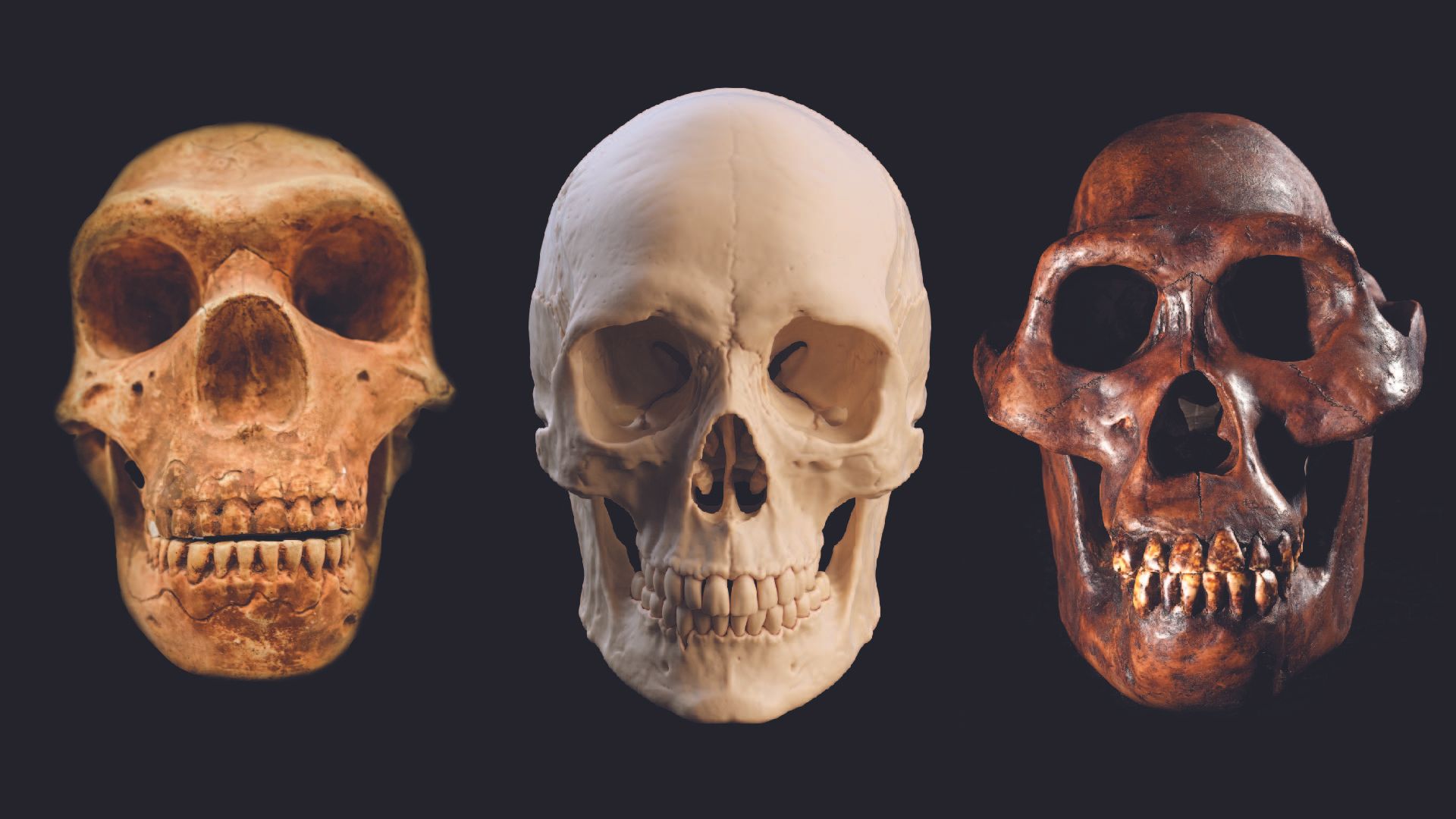
Neanderthals have fascinated scientists since they were first discovered in the 19th century. Their long heads and low brow ridges initially convinced experts that Neanderthals were some kind of evolutionary wrong turn that ended up in European caves.
It took more than a century for researchers to prove that Neanderthals were actually quite intelligent and that they interbred with modern humans (Homo sapiens). The number of discoveries related to Neanderthals’ biology and culture has skyrocketed in recent years — and 2025 was a noteworthy year. While we learned that Neanderthals had biological features that were strikingly different from modern humans’, this year’s discoveries also showed that some aspects of their behavior and culture were similar to ours.
Here are 10 major Neanderthal findings from 2025 — and what they teach us about our own evolution.
1. Neanderthals were the first to make fire.
The hottest — but also somewhat controversial — Neanderthal discovery of the year was that the first humans to make and control fire were Neanderthals living in England more than 400,000 years ago.
In December, researchers announced that they had found reddened clay and heat-shattered flint hand axes at an archaeological site in Suffolk. But the smoking gun was the discovery of tiny flakes of pyrite, a mineral that produces sparks when struck against flint.
Experts have debated for decades whether early human ancestors deliberately made fire or whether they opportunistically used wildfires that sprang up. The combination of flakes of pyrite and charred soil and tools points to Neanderthals’ purposeful creation of fire.
The discovery, however, does not tell us whether Neanderthals invented this technology or they learned it from even earlier ancestors, such as Homo erectus. Regardless, the fire evidence shows that Neanderthals were smart enough to figure out how to survive in cold and dark European climates.
2. Neanderthals cannibalized women and children.
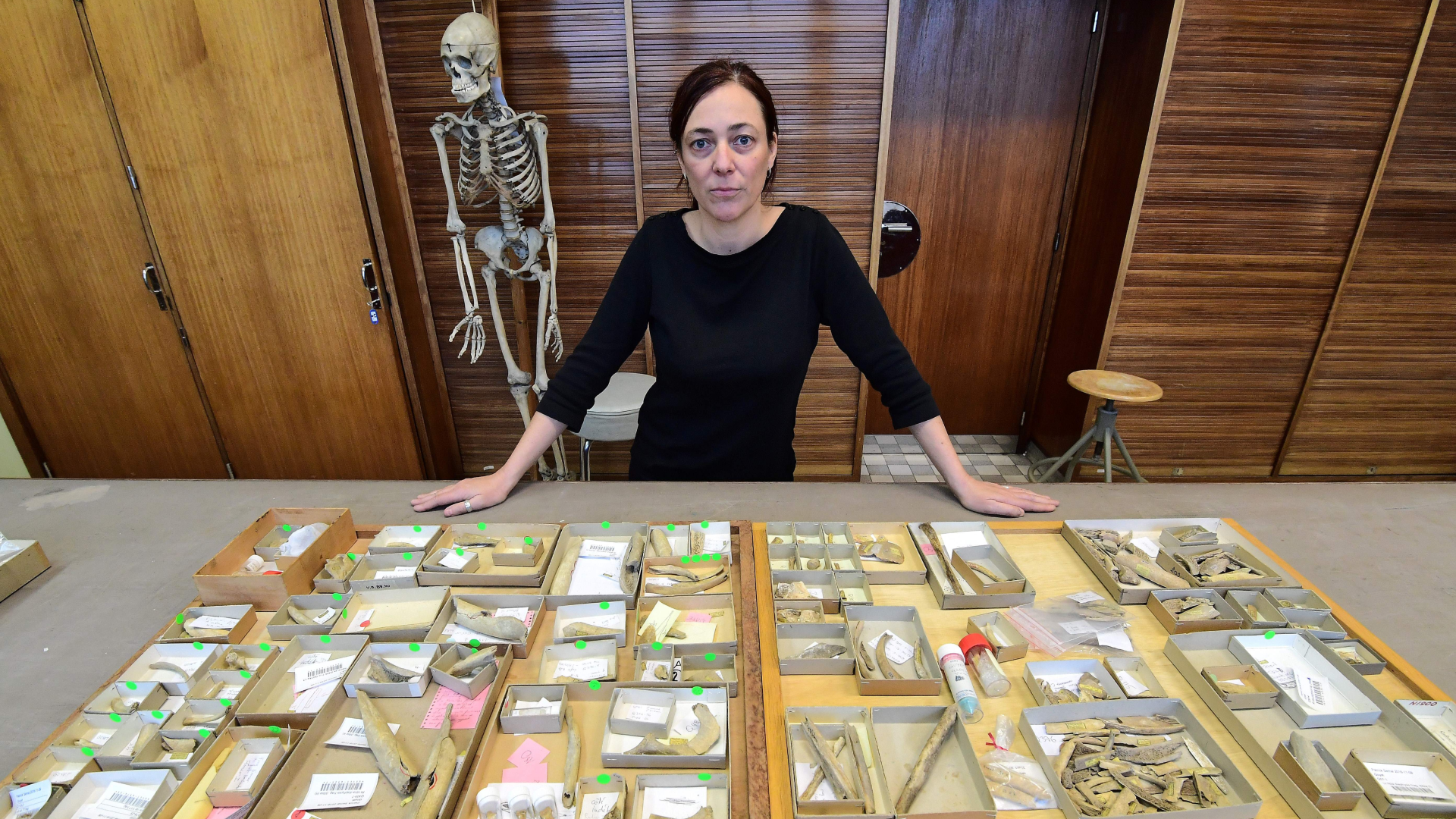

Around 45,000 years ago — very close to when Neanderthals disappeared forever — six members of a Neanderthal group were cannibalized, according to a study published in November. Their remains were discovered in the Goyet cave system in Belgium with butchery marks similar to those on animal bones.
This isn’t the first time archaeologists have found evidence of cannibalism in Neanderthals. But it is the best evidence experts have to suggest one group — probably Neanderthals but possibly modern humans — deliberately targeted the women and children of another group, perhaps as a way to eliminate the group’s reproductive potential.
3. A Neanderthal left the world’s oldest fingerprint.
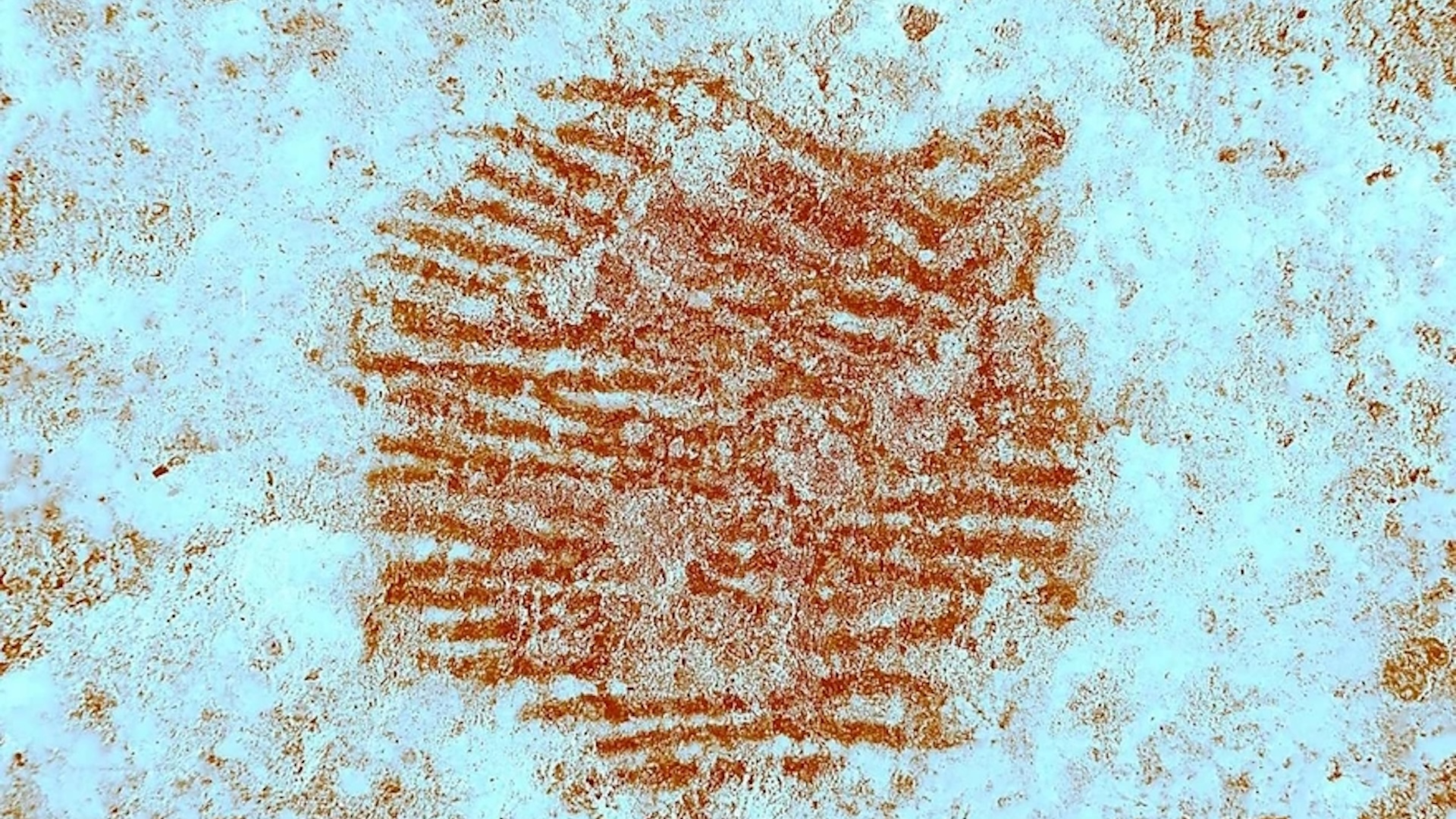
A curious-looking rock found in Spain contains the world’s oldest known fingerprint, and it was probably made by a Neanderthal using ocher 43,000 years ago, researchers announced in May.
The team investigating the rock, which is the size of a large potato, thinks that it has face-like features and that the red dot may be a nose. If they’re correct, it would mean Neanderthals were creating symbolic art, which could settle a decades-long debate in paleoanthropology.
Not all experts agree that the rock is an early version of Mr. Potato Head, but they do think the fingerprint and its characteristic whorl pattern represent a clear example of Neanderthals’ use of red ocher pigment.
4. Neanderthals may have used “crayons.”
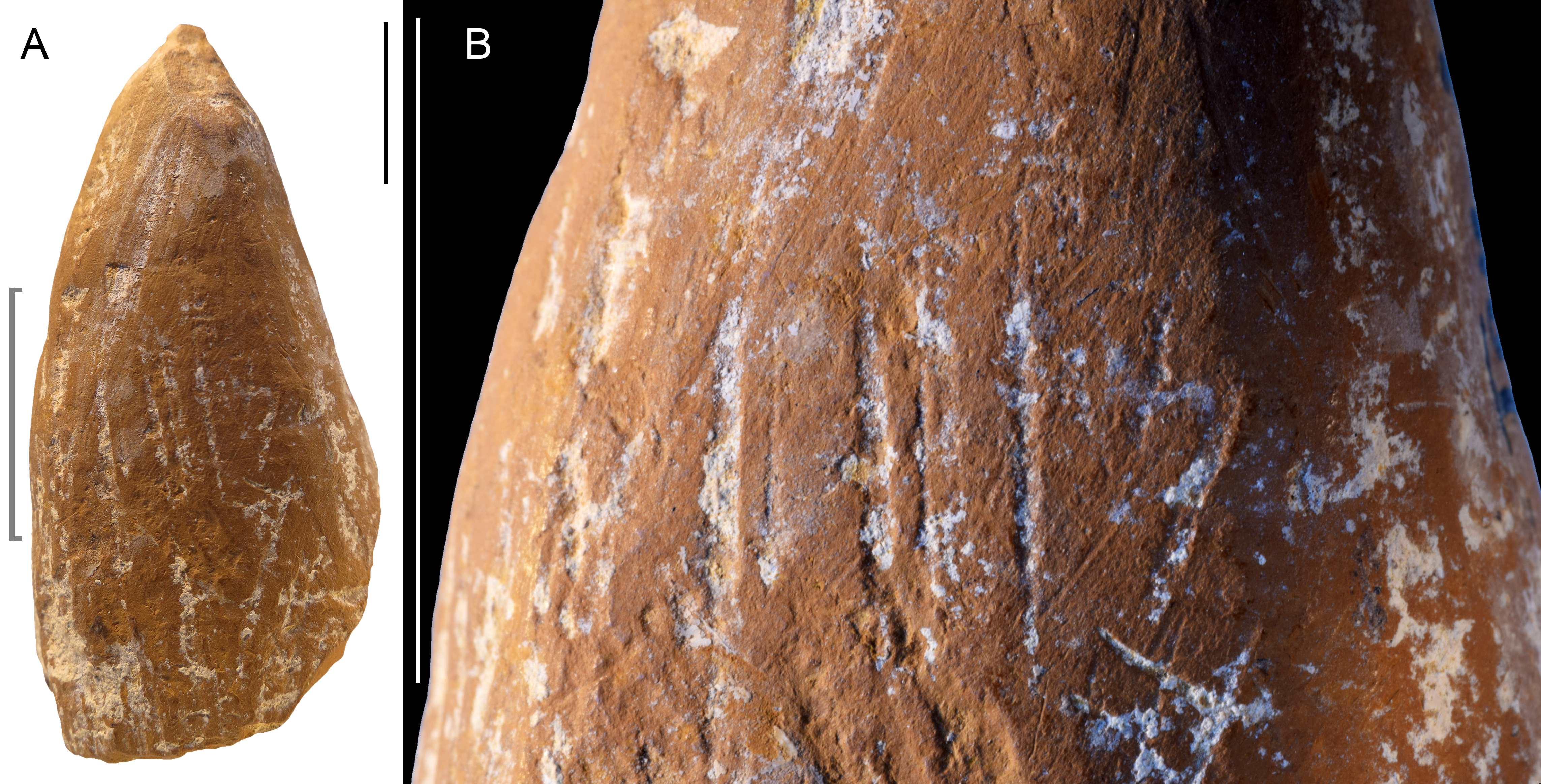

Scientists in Crimea found three pointy chunks of red and yellow ocher that Neanderthals may have used as early “crayons” 100,000 years ago, according to research published in November.
The hunks of mineral appear to have been repeatedly sharpened, which suggested to the researchers that the ocher was used for culturally meaningful purposes rather than in practical tasks, such as tanning hides.
Although ocher has been found at other Neanderthal sites, not all experts are convinced of the crayon interpretation. Instead, they suggest Neanderthals may have scraped powder from the ocher chunks for another purpose, such as to leave a fingerprint.
5. Neanderthals were low-energy.


In July, researchers discovered that a key Neanderthal gene variant that is still found in some humans today could be detrimental to athletic performance because it limits the body’s ability to produce energy during intense exercise.
Researchers found that the Neanderthal version of an enzyme called AMPD1 was different from the one in most modern humans. The Neanderthal enzyme variant allowed adenosine monophosphate (AMP) to build up in their muscles rather than being quickly removed. This AMP buildup is problematic because it makes it harder to produce adenosine triphosphate (ATP), a molecule that the body uses to store energy.
Modern humans who carry the Neanderthal variant of the gene have a lower probability of achieving elite athletic status, the researchers found. But while the Neanderthal variant may have affected their muscle metabolism slightly, it may not have contributed to their extinction.
6. Neanderthals were more susceptible to lead poisoning compared with humans.
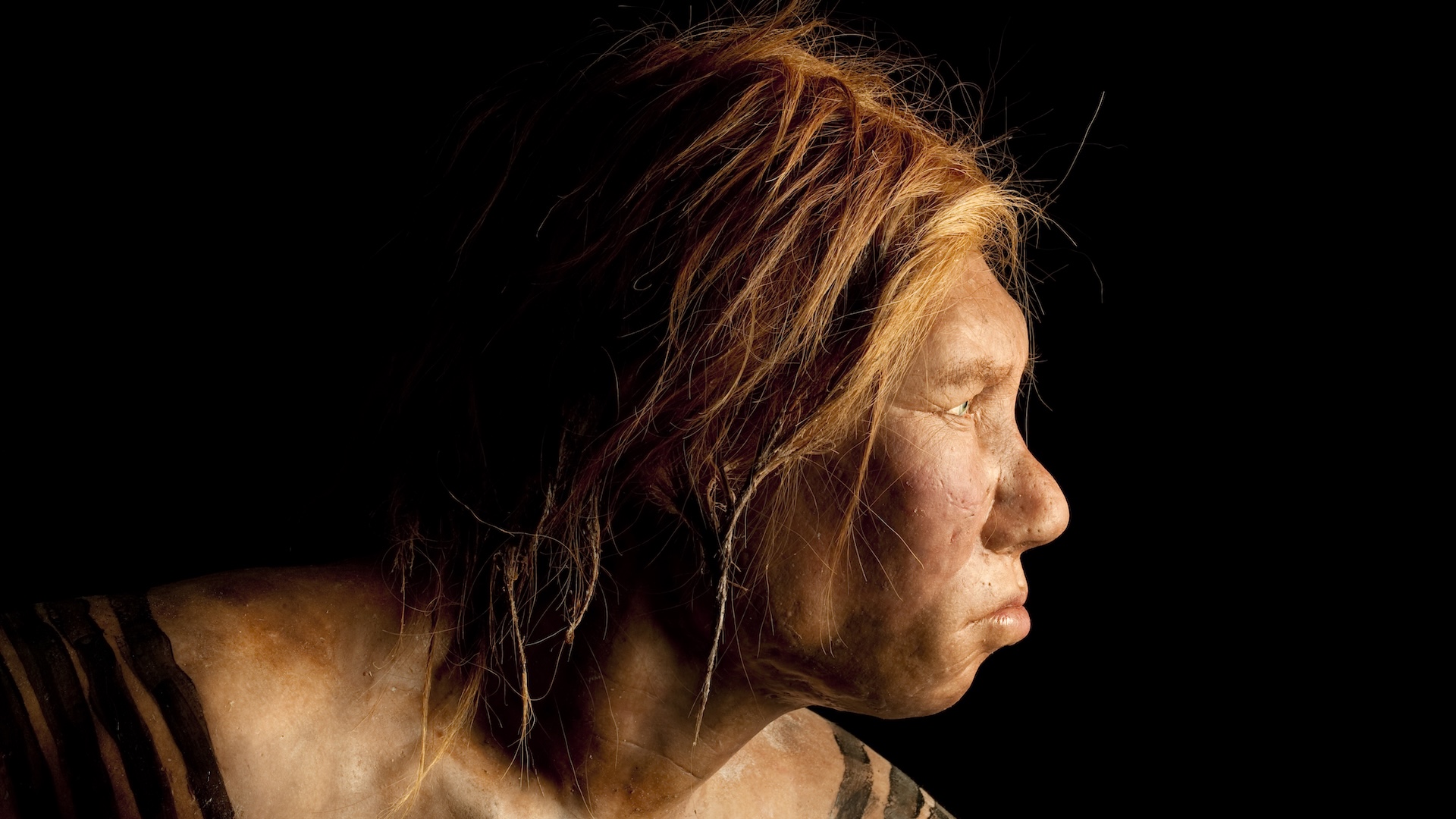
In a study published in October, researchers examined 51 teeth from H. sapiens, Neanderthals and other ancestors for evidence of lead exposure. Lead occurs naturally in our environment, but it is known to be toxic at high levels, causing damage to the brain and other organs. Researchers discovered that human ancestors were affected by episodic lead exposure for nearly 2 million years — and that human brains may have evolved some protection against lead poisoning.
Humans living today have a unique version of a gene called NOVA1 that is important for brain development and language skills. The gene also appears to confer greater resistance to lead than other versions of the gene do, such as the one in our Neanderthal cousins.
Therefore, researchers propose, the modern-human version of NOVA1 may have given us a slight advantage over Neanderthals and may have contributed to the demise of the Neanderthals.
7. Neanderthals had a “fat factory” in Germany.
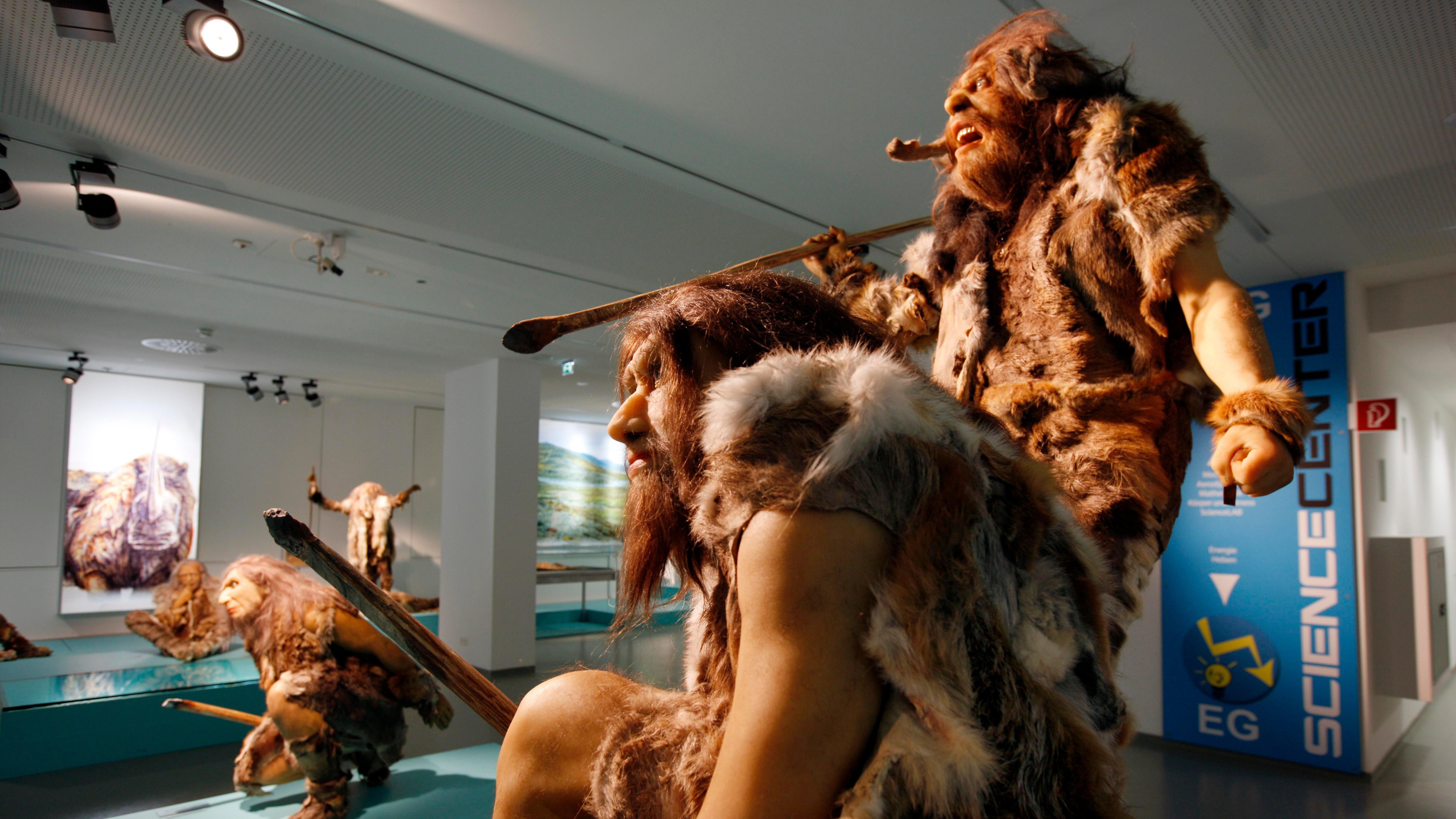

Neanderthals primarily ate meat (and maggots), which put them at risk of developing protein poisoning, a lethal condition that results from eating too much protein and too few fats and carbohydrates.
But in July, researchers announced their discovery of a “fat factory” that Neanderthals may have used to stave off this condition 125,000 years ago. Their survey of nearly 200 animal bones revealed that Neanderthals smashed the bones to get at the marrow inside, which they boiled to extract the fat.
Fat is high in calories, and Neanderthals may have saved it to eat during food shortages. This innovative food-collection method is similar to what some ancient modern-human foraging groups did, suggesting that, in at least one way, Neanderthals were similar to us.
8. Neanderthals lacked a key DNA-synthesizing gene.
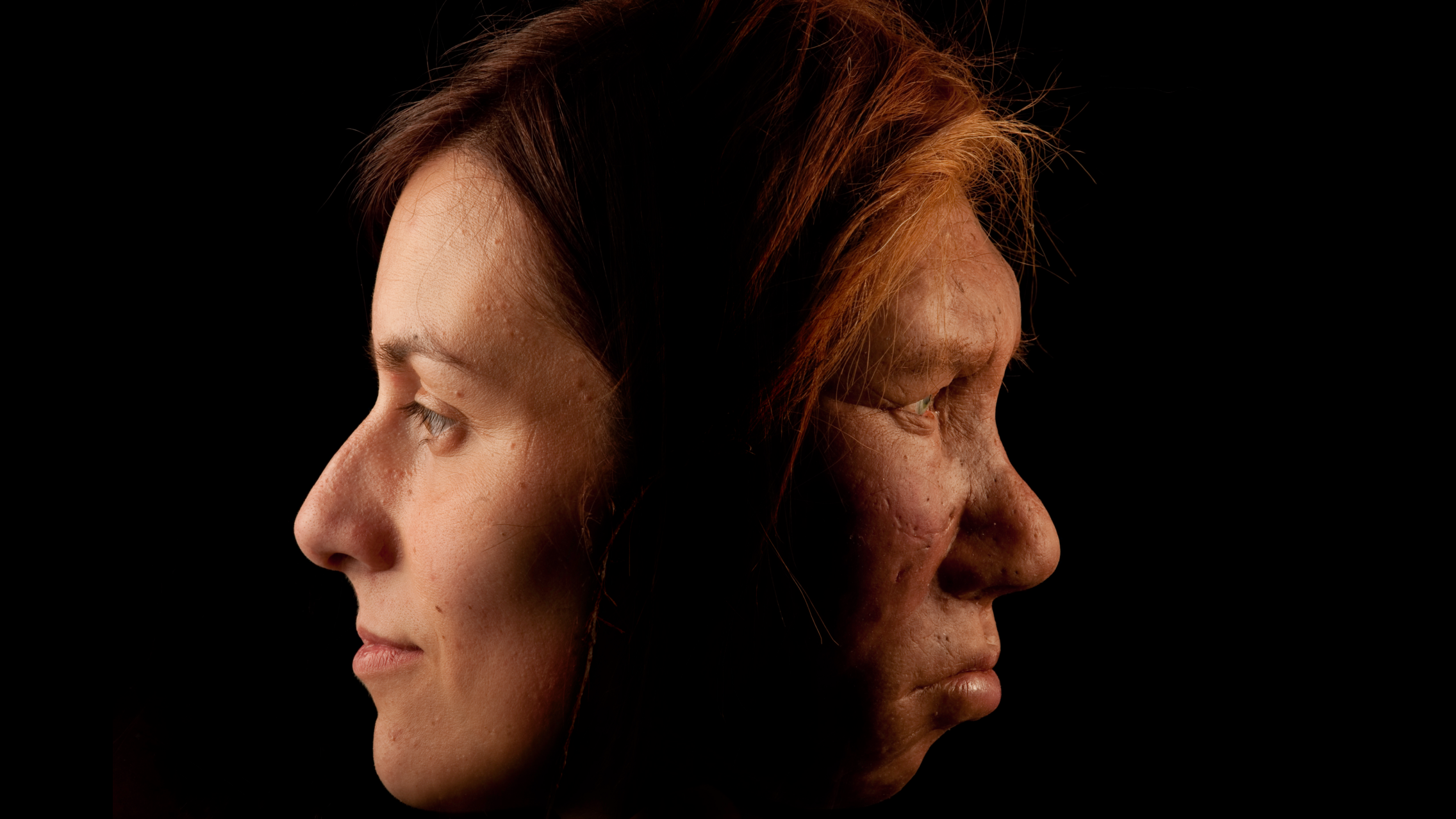

In August, researchers investigating the enzyme adenylosuccinate lyase (ADSL) found that the version in Neanderthals was more active than the one in humans. ADSL helps synthesize purine, which is one of the fundamental building blocks of DNA, and an ADSL deficiency is known to result in intellectual disability in modern humans. So researchers modified mice to have a modern-human-like ADSL gene and found that they were better at completing a task to get water.
But even though ADSL deficiency can cause intellectual and behavioral problems in modern-day people, it’s not yet clear whether the Neanderthal variant impaired them.
9. Our cousins suffered a population bottleneck.
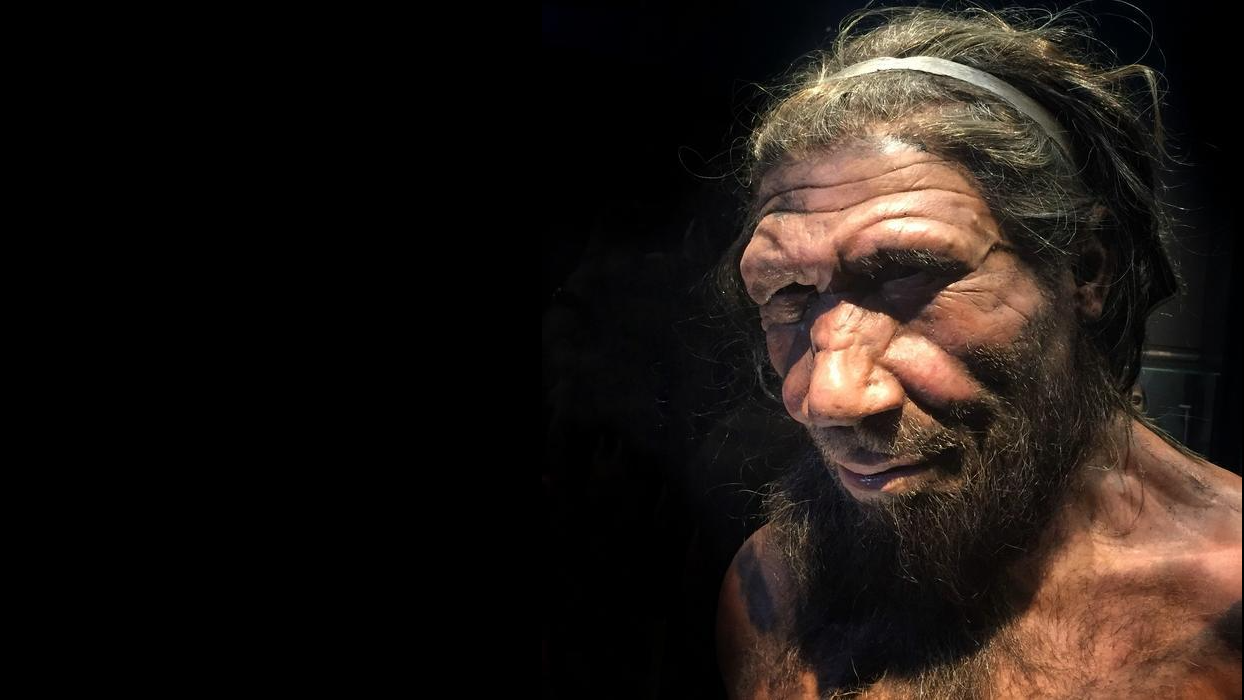

Even before Neanderthals disappeared forever, their numbers were dwindling because of a population bottleneck, according to research published in February.
Scientists looked at the tiny inner-ear bones of Neanderthals from various time periods and noticed that, around 110,000 years ago, there was an abrupt decline in the diversity of bone shapes. This decline suggests a bottleneck event, when a species undergoes a sudden reduction in variation due to factors such as genocide or climate change.
While the ear bones alone didn’t cause the Neanderthals’ downfall, the bottleneck may have been the beginning of the end.
10. Neanderthals’ blood may have doomed them.
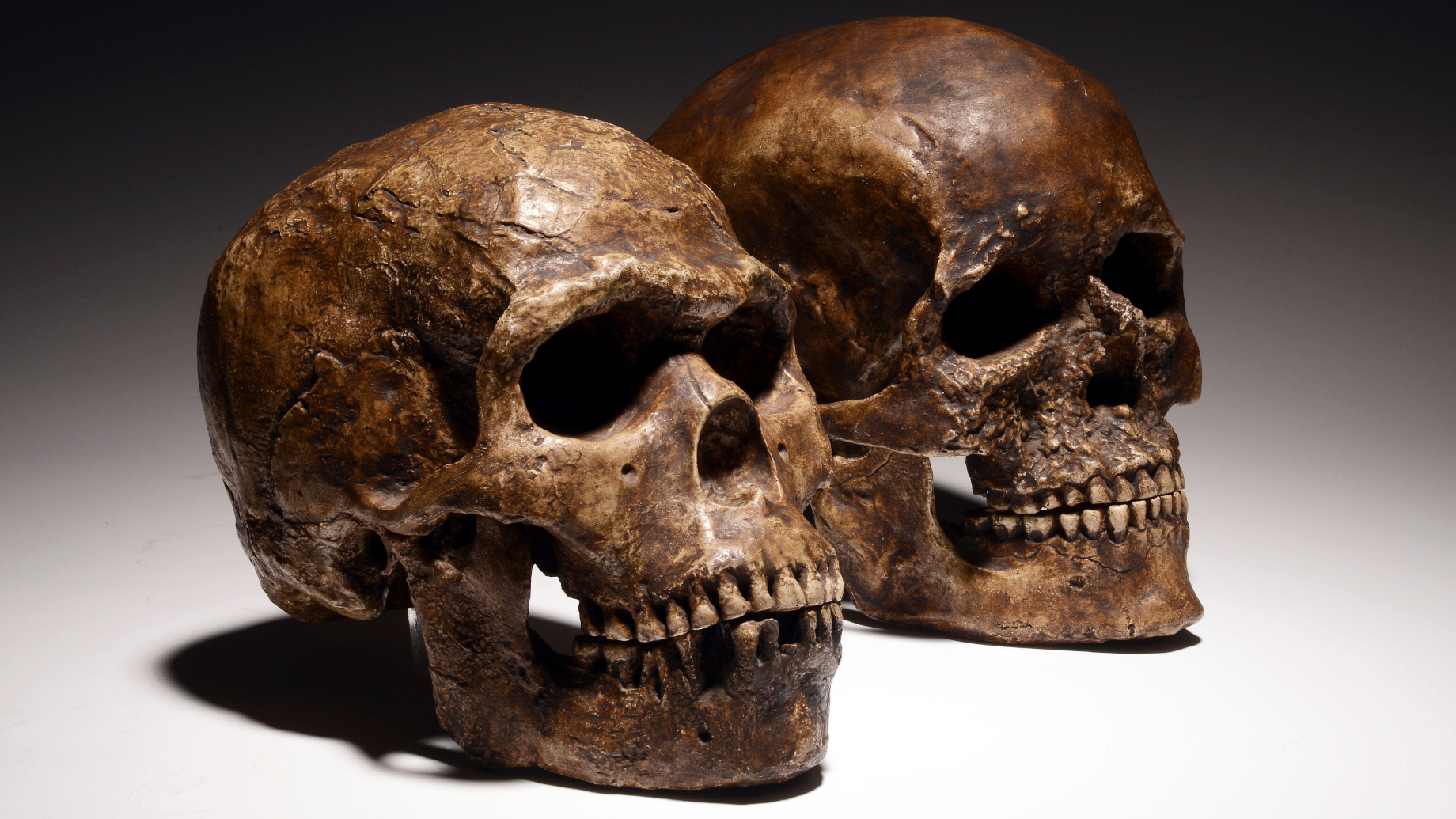

Biologically, Neanderthals had distinct blood variants that separated them from modern humans — and two of those variants we learned about this year may have hastened our ancient cousins’ extinction.
In January, researchers discovered that Neanderthals had a rare blood type that may have been fatal to their offspring when they mated with Denisovans or early H. sapiens.
Neanderthals carried a variation of the blood antigen Rh, which gives the positive and negative signs to blood types. Before modern medical interventions, if someone who was Rh-negative was pregnant with a fetus that was Rh-positive, it caused a miscarriage or stillbirth. The researchers found that, if a Neanderthal female mated with a H. sapiens or Denisovan male, there would have been a high risk of anemia, brain damage and infant death. And that might have spelled the end of the line for Neanderthals.
Another study published in October suggested that a fatal red blood cell incompatibility between Neanderthals and humans also contributed to our ancient cousins’ extinction. Researchers focused on the PIEZO1 gene that affects oxygen transportation in red blood cells. Neanderthals’ version of this gene essentially let their blood cells trap oxygen efficiently, while the modern-human version more efficiently released oxygen to tissues. When maternal oxygen isn’t passed on to the fetus, it can restrict the growth of the fetus or lead to miscarriage. So, if a hybrid Neanderthal-human mother mated with a modern-human father or with a hybrid Neanderthal-human father, their offspring would be more likely to die than the offspring of non-hybrids.
Although Neanderthals’ extinction likely did not hinge on any one specific gene variant, the new research into red blood cells and maternal-fetal incompatibility is providing key insight into the demise of our archaic cousins around 35,000 years ago.