The 1,100-year-old mummified remains of a man reveal he likely died in an ancient turquoise mining accident in Chile. Extensive evidence of blunt-force trauma discovered on the man’s skeleton suggests he died because of a rockfall or mine collapse, according to a new study.
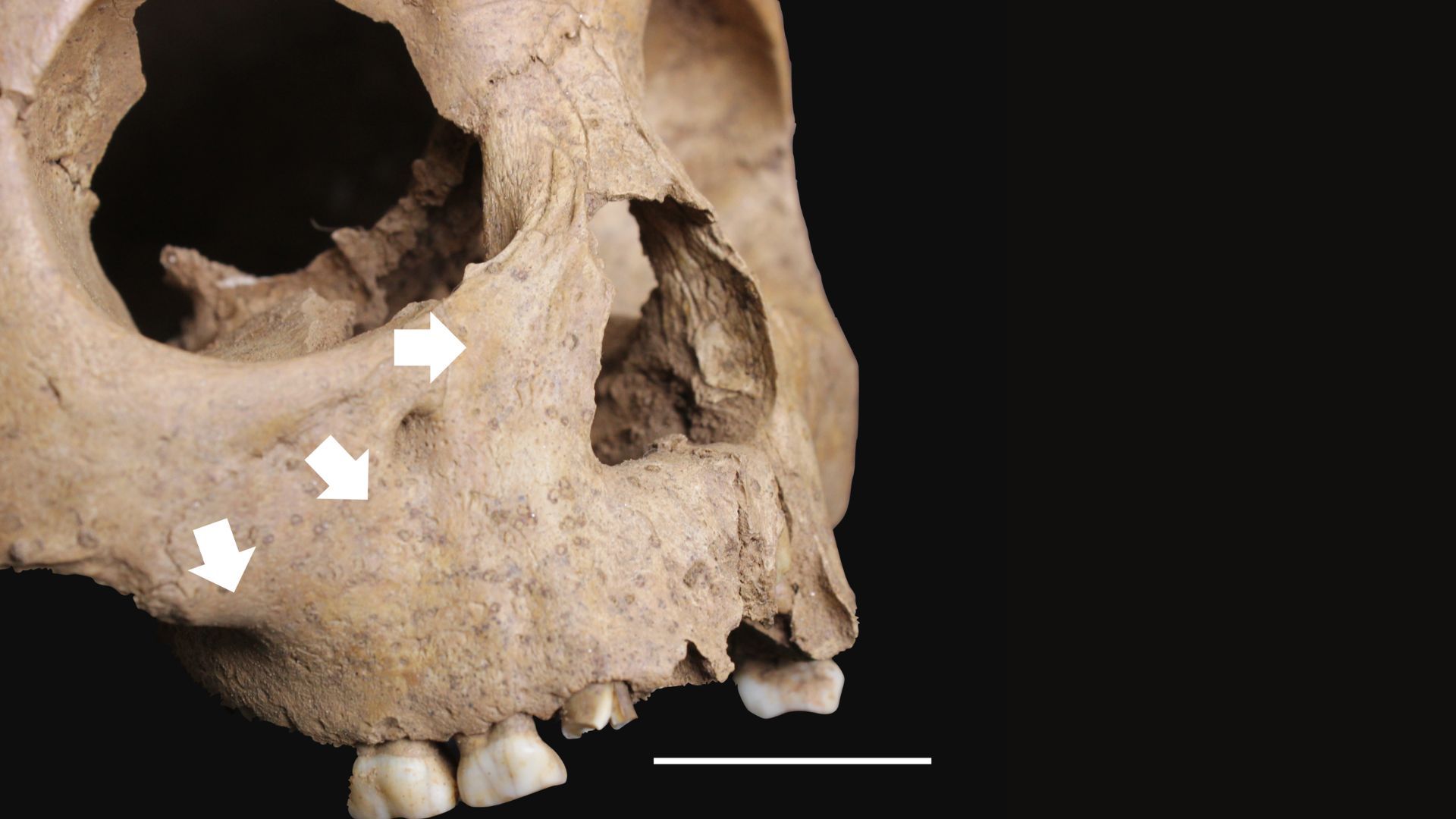
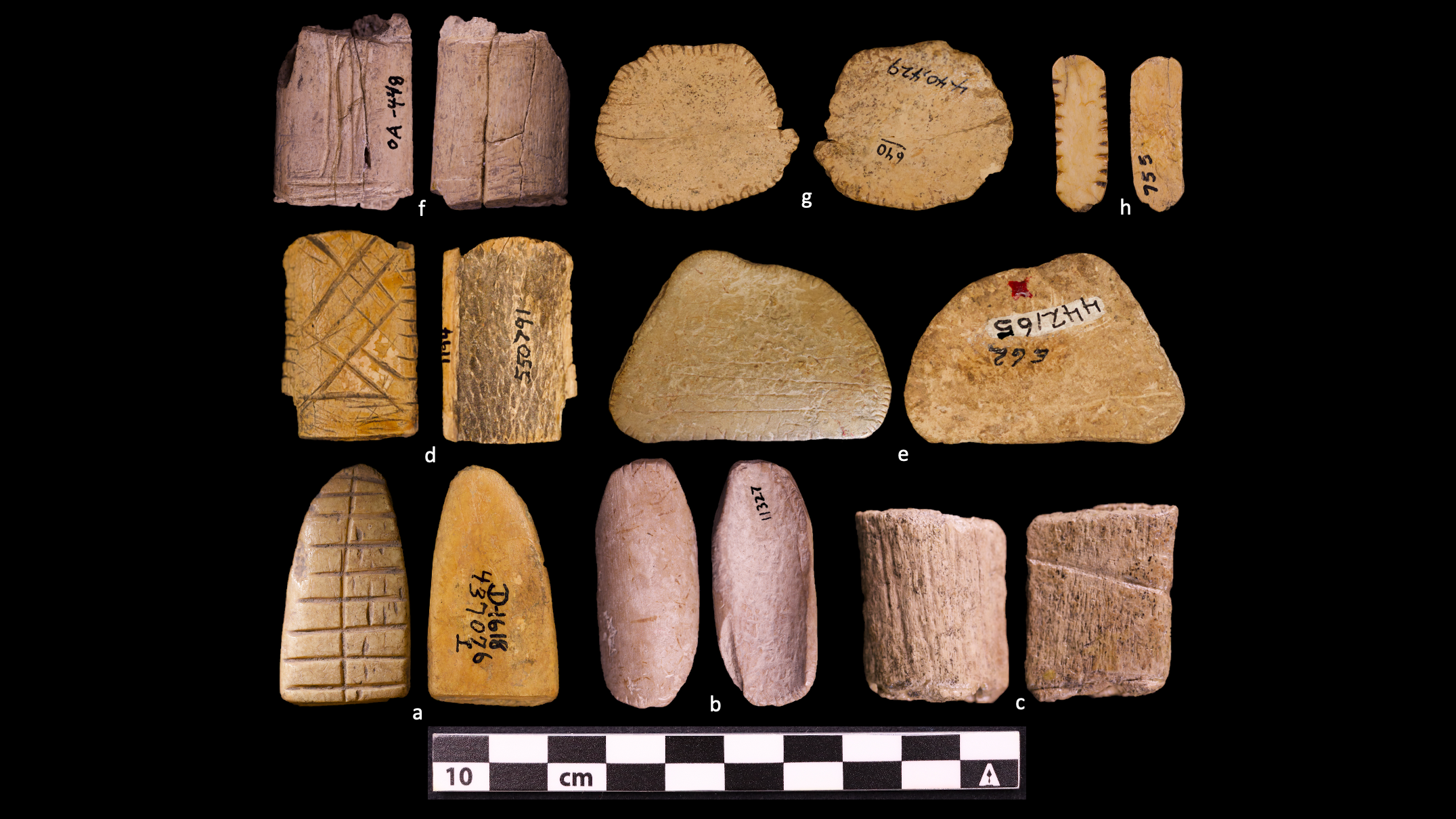
The naturally mummified body, along with grave goods that included a bow and arrow and a snuff kit for hallucinogenic drugs, was originally excavated in the 1970s from an area just outside a pre-Hispanic turquoise mine in the northern Chilean city of El Salvador in the middle of the Atacama Desert. A visible fracture in the mummy’s left lower leg bone suggested the man might have been involved in an accident, but a full analysis of the body was not completed until 2023.
“It is likely that a miner would have entered the mine and used stone hammers to extract turquoise from the surrounding rock,” Morales and Garrido told Live Science in an email. “In the event of a rockfall, there was no form of protection.”
In the researchers’ analysis of the mummy, they discovered that the man was between 25 and 40 years old when he died. They carbon-dated the mummy to between A.D. 894 and 1016, placing him at the beginning of the Late Intermediate Period in the central Andes, between the Wari Empire (and its eventual collapse) and the rise of the Inca Empire.
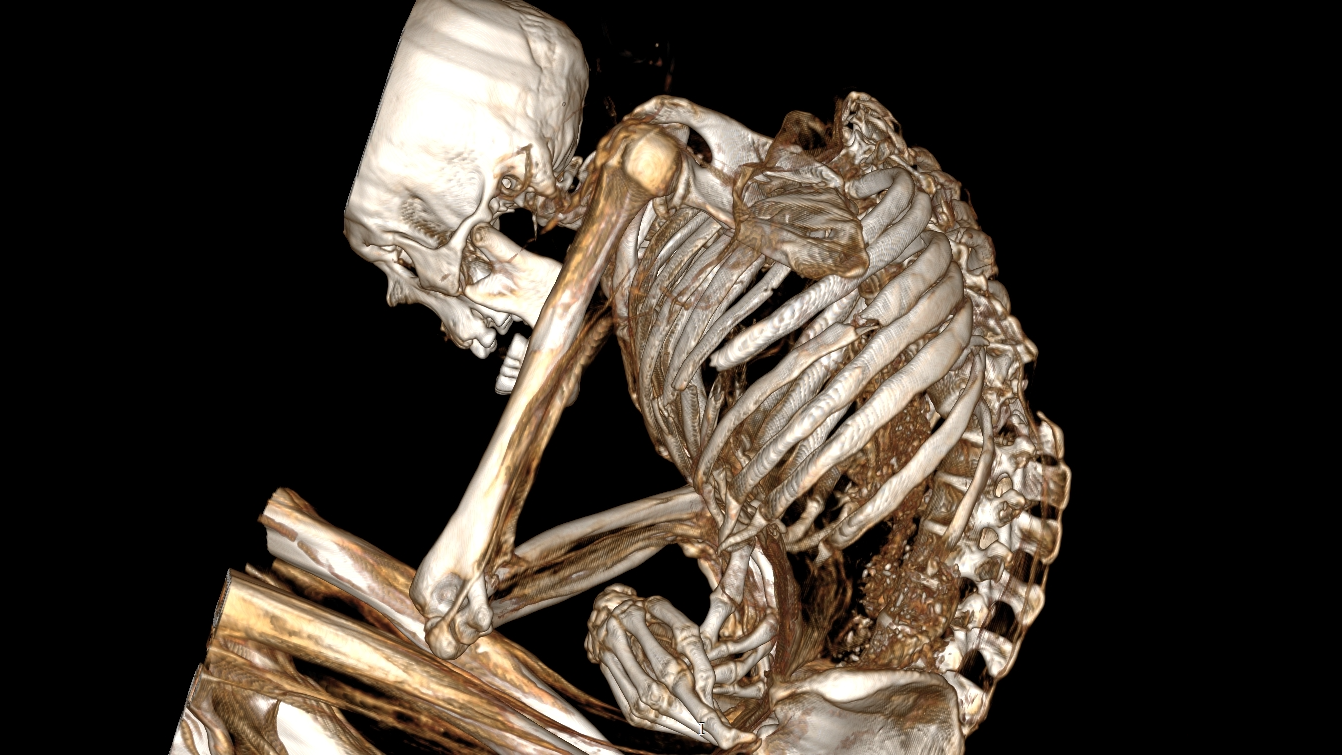
Multiple unhealed fractures were evident on the man’s upper spine. He also had rib, shoulder blade and collarbone fractures, which suggest “a blunt force impact over a wide area” of his upper back, revealing his “upper left thorax bore the brunt of the impact,” Morales and Garrido wrote in the study. The impact displaced several of his vertebrae and collapsed his rib cage.
Additionally, the researchers identified a fracture in a vertebra near the base of his spine, likely the result of the initial upper-back injury. The upper- and lower-spine injuries are both “typically associated with severe spinal cord damage and high mortality,” the researchers wrote.
But there were no injuries found to the man’s skull, neck or arms, which indicates that the impact occurred when the man was in a head-down body position. He may have been actively mining or perhaps attempting to protect his head with his arms when he was struck by a heavy object falling from above. This type of injury is seen in the bodies of people involved in earthquakes and in occupational accidents in forestry, construction and mining, the researchers wrote.
Turquoise mining was practiced for two millennia in the Atacama Desert, according to the researchers. Miners used specific equipment — including stone hammers, wooden and stone shovels, and baskets — to extract the semiprecious stone and bring it back to the mining camp, where the turquoise was turned into beads. Many of these beads were then traded or exchanged along the extensive pre-Hispanic Inca road system.
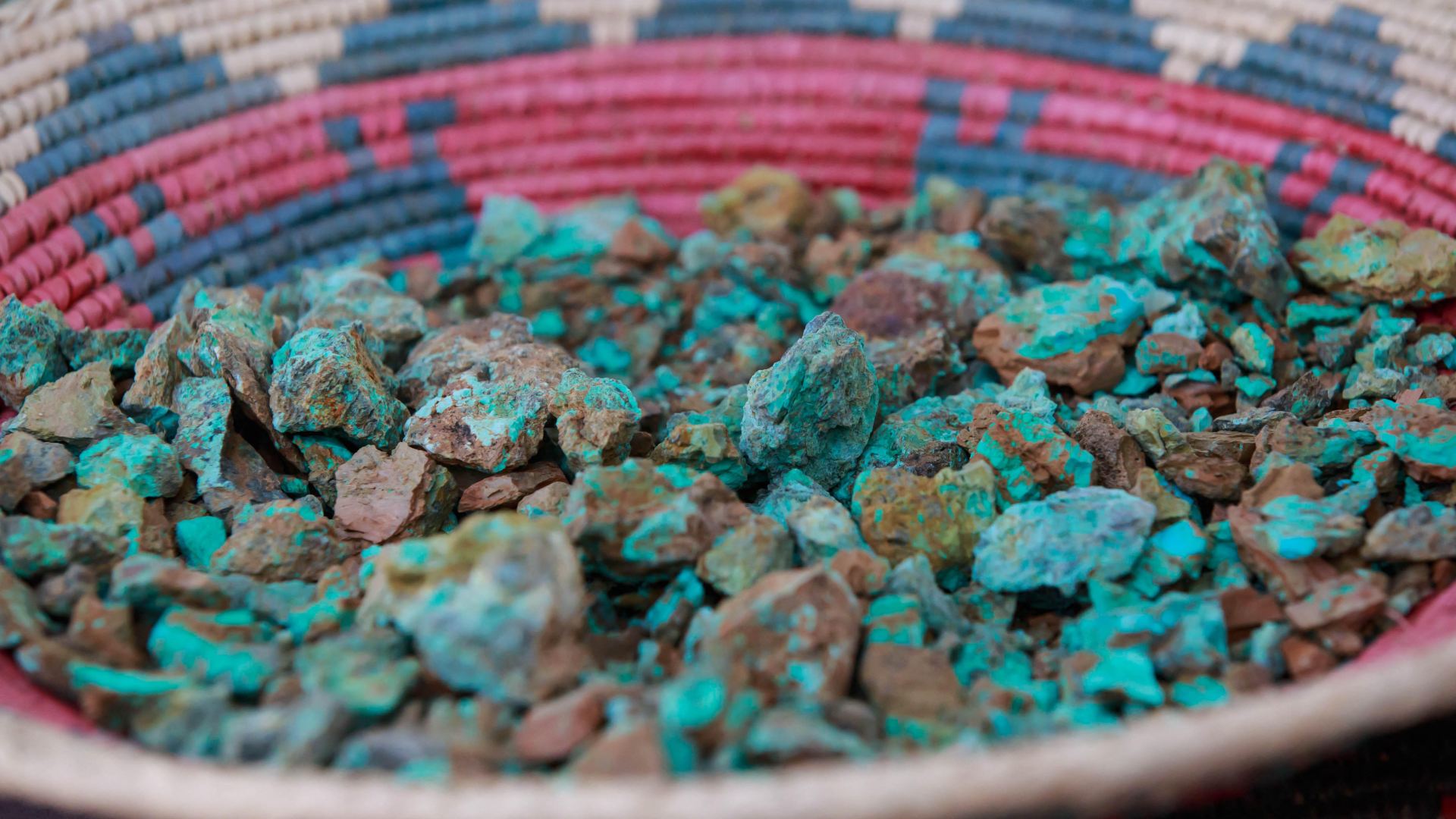

Most ancient turquoise mines were open-air and shallow, so miners did not wear protective equipment. But the mine at El Salvador, the researchers said, was one of the few that included subterranean galleries.
“Considering the archaeological context, this individual likely died while extracting turquoise, when a rock fell on his back from the ceiling of the mine,” the researchers wrote in the study, but “further research is needed to better understand the living conditions of ancient miners.”