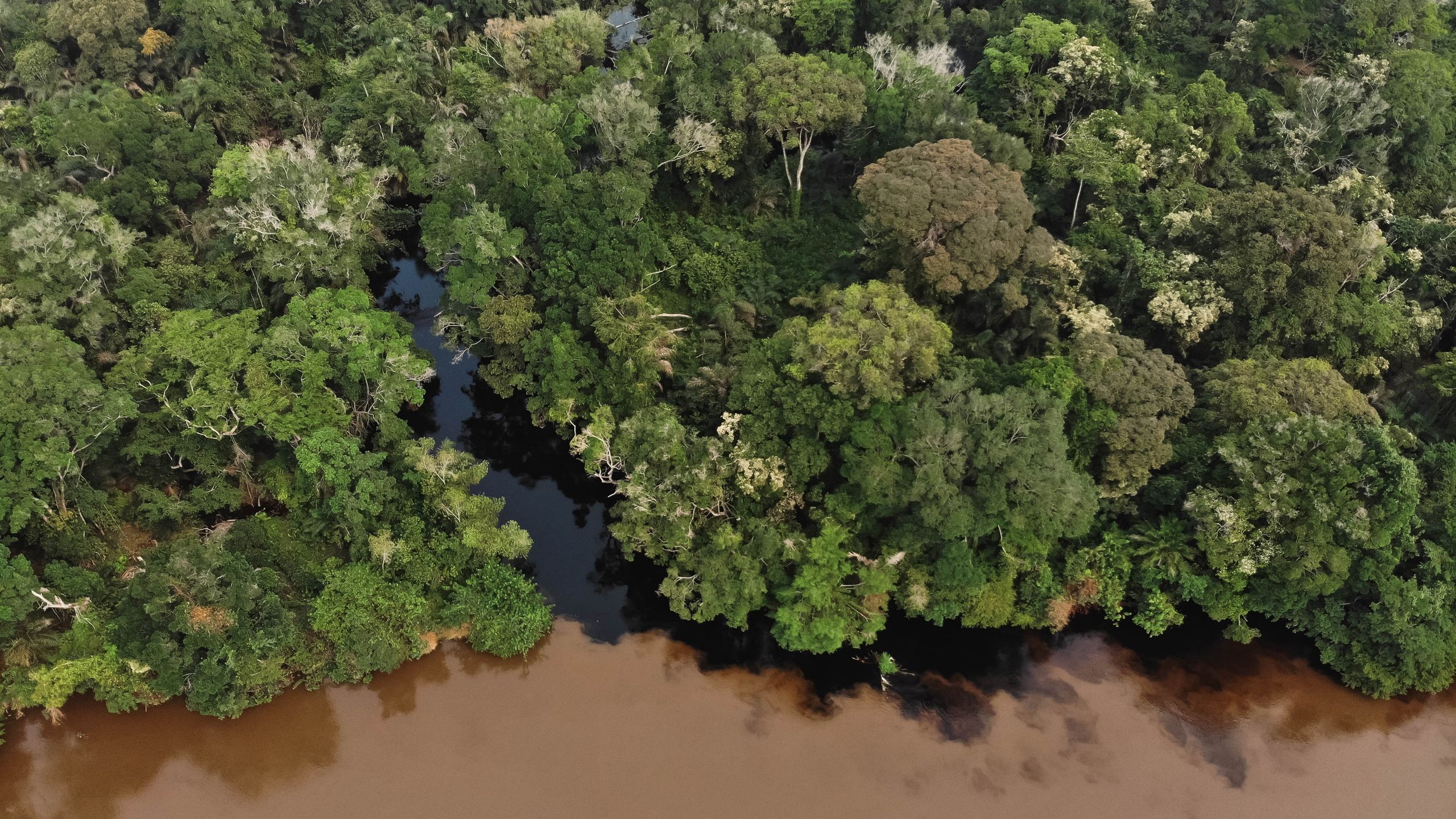




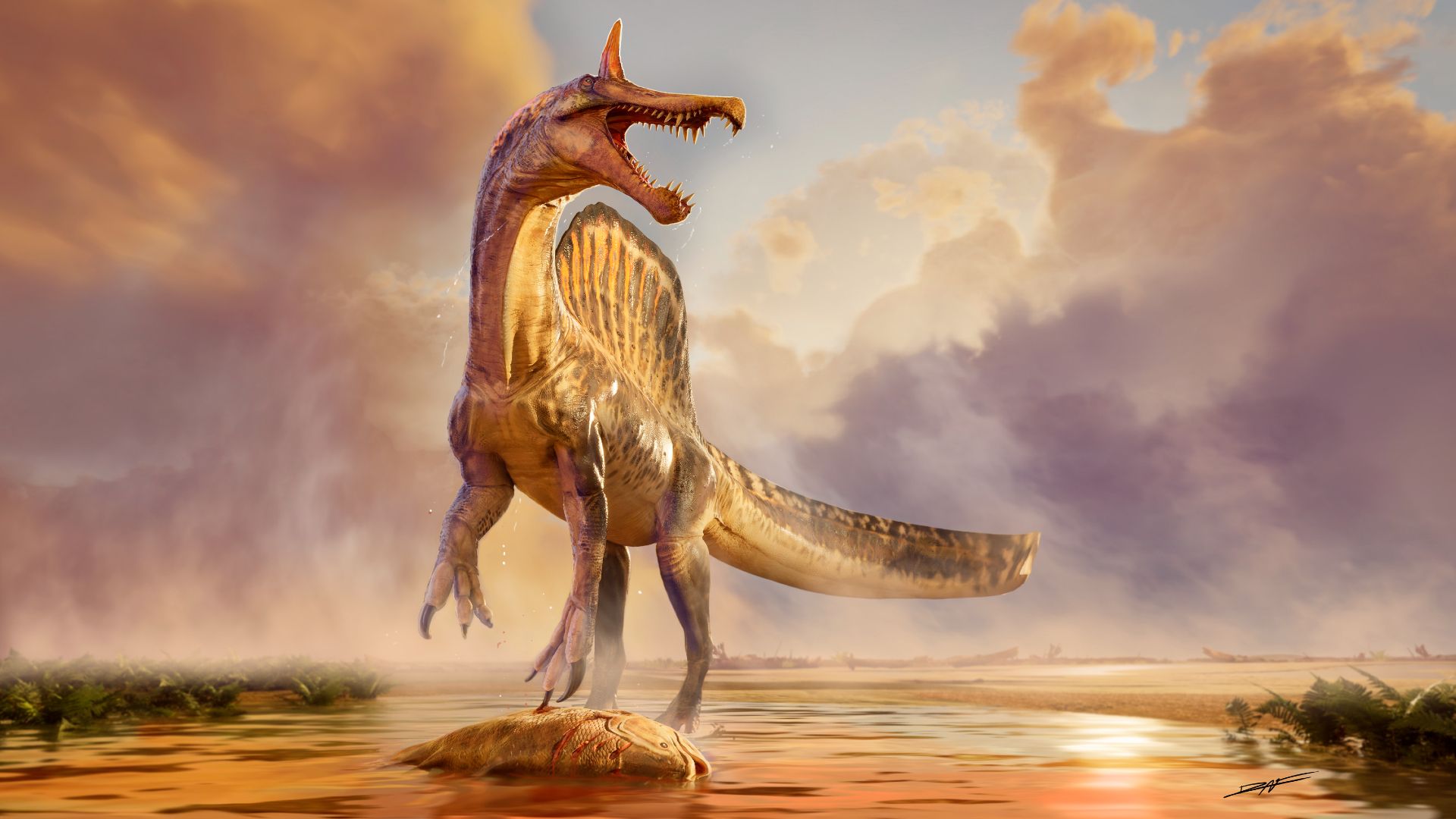
Around 95 million years ago, a Spinosaurus dinosaur with a tall, blade-like crest on its head and a large sail on its back lived in what is now Niger, a new study finds.
The newfound species, which the researchers have named Spinosaurus mirabilis (“astonishing Spinosaurus” in Latin), lived far inland, in river country — which could be the key to settling a debate about whether this dinosaur and its relatives were swimmers, the team reported Thursday (Feb. 19) in the journal Science.
“There’s just no way that you’re going to find … essentially an aquatic animal hundreds of miles from the shoreline, buried … right in a river deposit,” study first author Paul Sereno, a paleontologist at the University of Chicago who led the team that found the fossil, told Live Science.
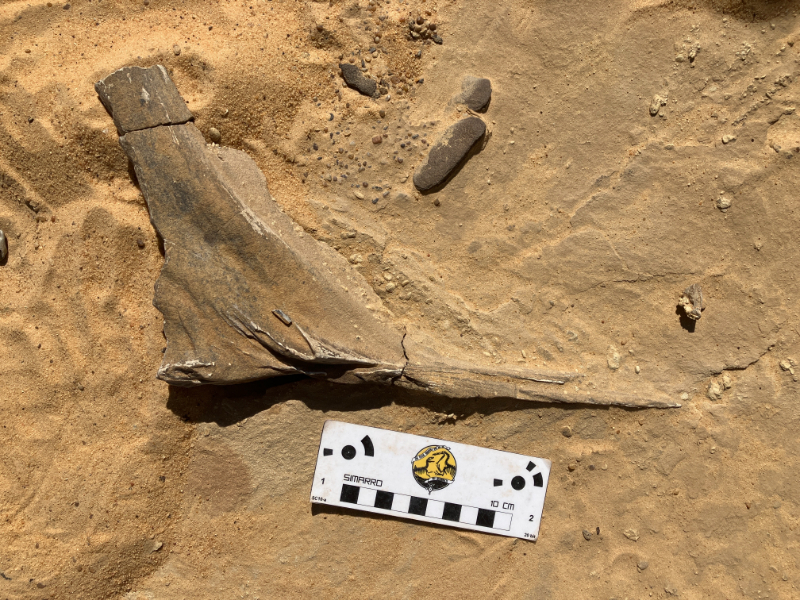
Sereno’s team made the discovery thanks to a Tuareg guide, a member of a local nomadic population that live in the Sahara Desert, who led them to the remote site on an hours-long trek back in 2019. Upon seeing the fossils, the paleontologists noted a peculiarity: The bones were black, caused by an increased concentration of phosphate in the bone. Sereno said that, in his 25 years of fieldwork, he’d never seen fossils that color in the Sahara Desert.
The crest points to a new species
At first, Sereno and the team couldn’t figure out how some of the bones fit together with the rest of the skeleton. “We didn’t recognize the crest,” Sereno said.” It was just so weird [and] asymmetrical.”
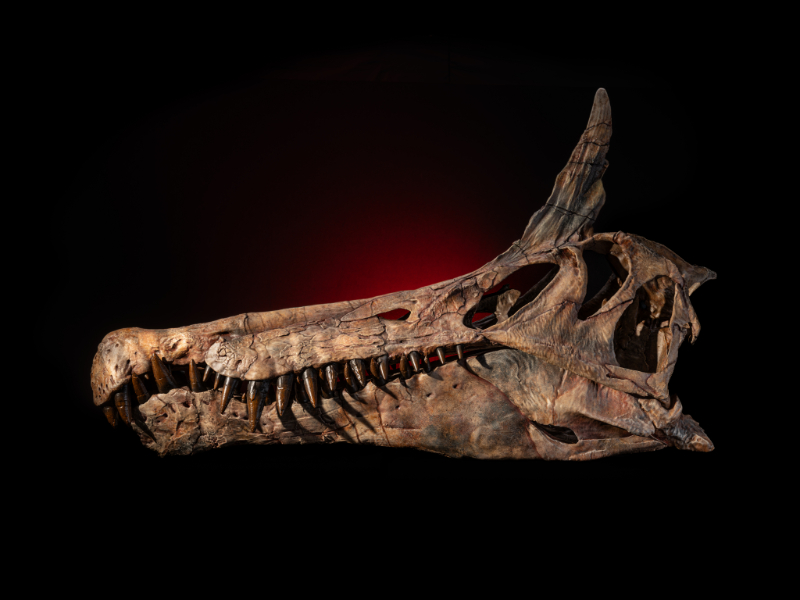
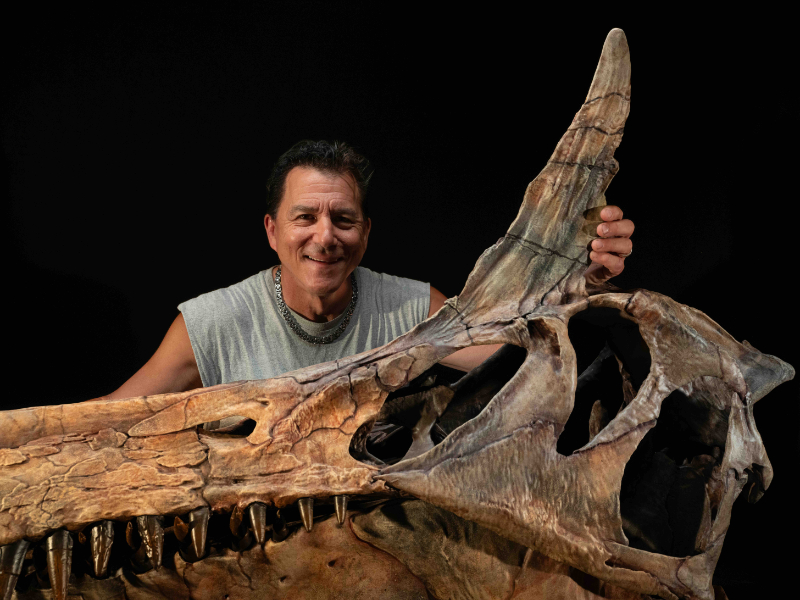
When a larger team returned to the same site in 2022 and uncovered a skull with a partial crest attached, it all clicked. While running CT scans of the fossil and using computer models, the team found lots of fossilized blood vessels inside, plus a surface texture that suggested a keratin sheath covered the bone in real life, which would have made the crest stand up to 20 inches (0.5 meters) tall.
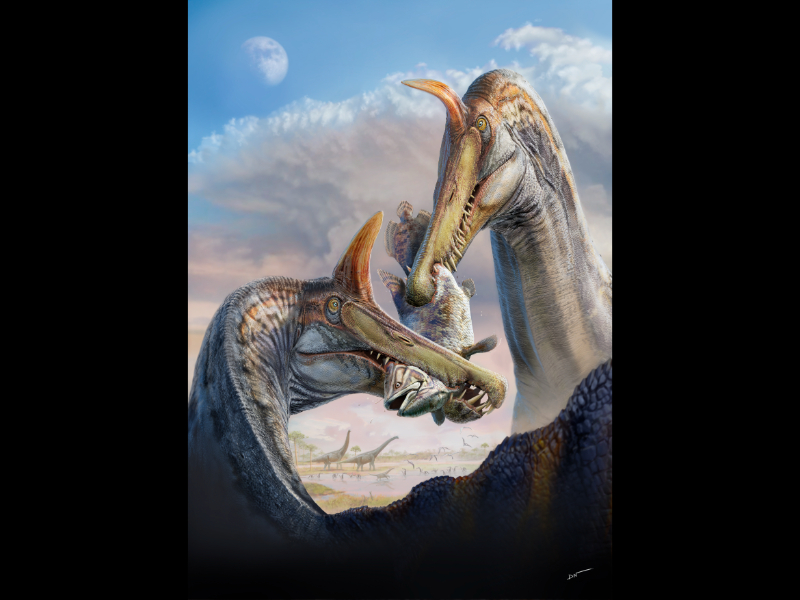
In the paper describing their findings, the researchers called it the tallest crest known in any meat-eating dinosaur and argued it played a decorative role, possibly allowing the animal to identify potential mates or rivals while wading along riverbanks.
Image 1 of 8
Paleontologist Dan Vidal gathers various black bones, which include jaw pieces and crest fragments of Spinosaurus mirabilis.

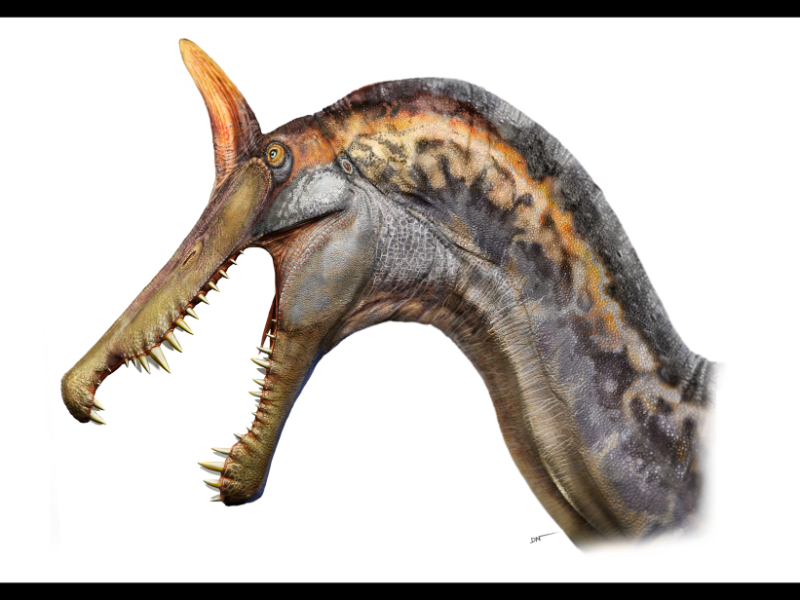
So … was Spinosaurus a swimmer?
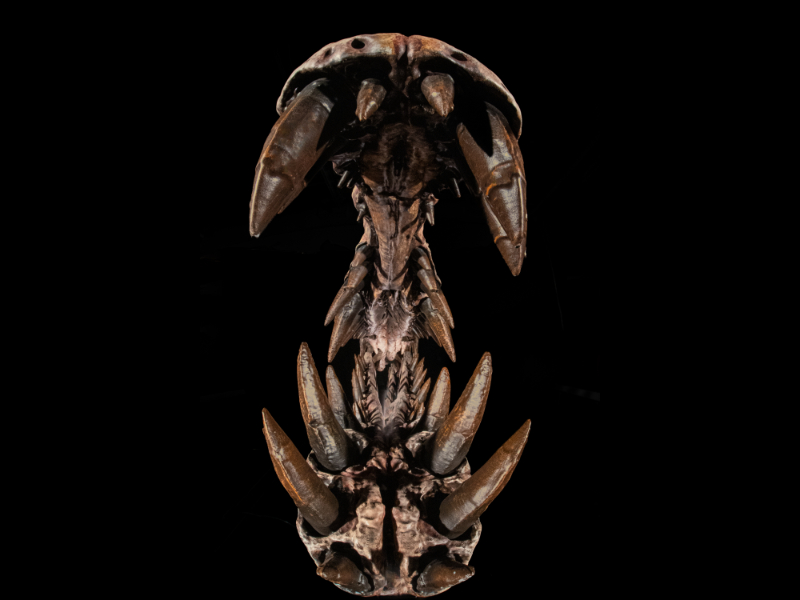
In recent years, some researchers have argued that Spinosaurus — a genus that includes S. mirabilis, as well as its relatives, such as S. aegyptiacus — chased prey underwater as a marine hunter. For instance, S. mirabilis has the iconic teeth of a fish hunter, with those on the lower jaw protruding outward and fitting neatly between the sharp teeth on the upper jaw, the team reported.
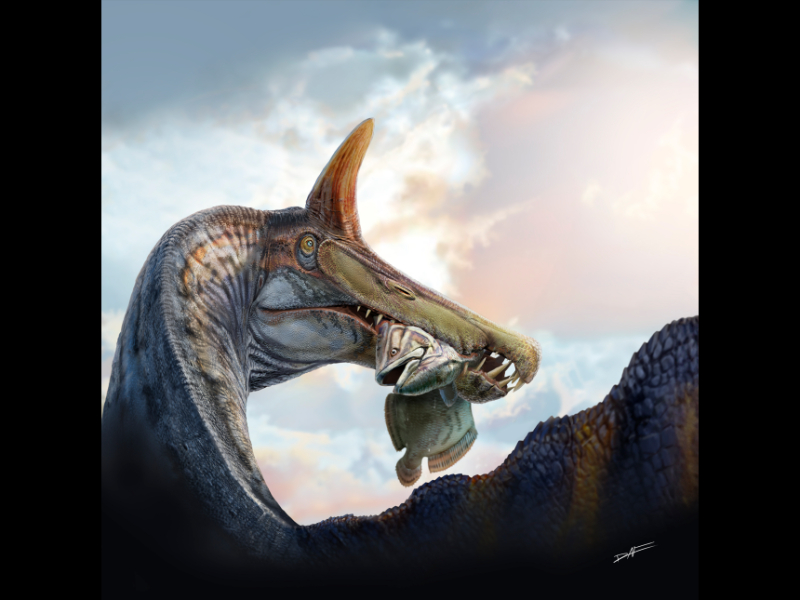
Yet, based on the fossil’s location — buried next to two long-necked sauropods in a river bed, and its body shape — Sereno sees “this dinosaur as a kind of ‘hell heron’ that had no problem wading on its sturdy legs into two meters [6.5 feet] of water but probably spent most of its time stalking shallower traps for the many large fish of the day,” he said in a statement.
The back sail would have added so much weight to Spinosaurus‘ body that it would have made it difficult to move, Sereno noted. So it’s unlikely that any members of the genus swam, he said. “It’s sacrificing … aspects of its agility for this, but it’s an important feature,” Serano told Live Science.
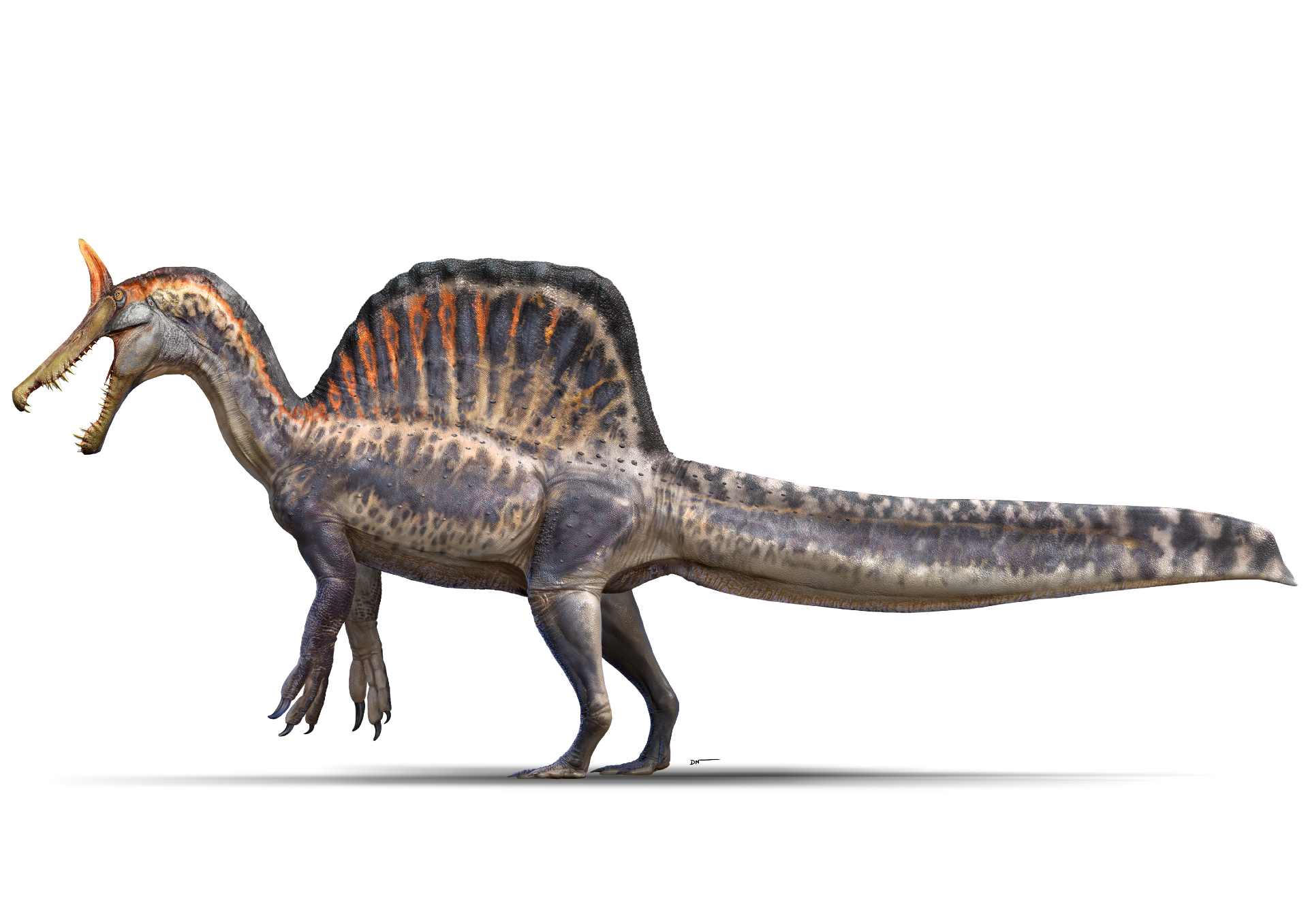

In the paper, the researchers compared S. mirabilis’ body shape with other living and extinct predators and placed it between semiaquatic waders like herons and aquatic divers like penguins.
“It shows the process of science evaluating evidence and new evidence appearing,” Sereno said.
C. Sereno, P. C. S., Vidal, D., P. Myhrvold, N., Johnson-Ransom, E., Ciudad Real, M., Baumgart, S. L., Sánchez Fontela, N., L. Green, T., T. Saitta, E., Adamou, B., Bop, L., Keillor, T. M., Fitzgerald, E. C., Dutheil, D. B., Laroche, R. a. S., Demers-Potvin, A. V., Simarro, Á., Gascó-Lluna, F., Lázaro, A., . . . Ramezani, J. (2026). Scimitar-crested Spinosaurus species from the Sahara caps stepwise spinosaurid radiation. Science, 391(1), eadx5486. https://doi.org/10.1126/science.adx5486