




While full-frame cameras dominate the conversation for astrophotography, many APS-C and Micro Four Thirds (MFT) systems punch far above their weight, and the smaller sensor sizes mean they’re lighter to carry when out and about. Despite their small size, some models can certainly compete with the best cameras for astrophotography.
Choosing the right APS-C or Micro Four Thirds camera for astrophotography is less about headline specs and more about understanding how you shoot at night and what you want to get out of your images. Sensor size plays a role: APS-C generally offers cleaner high-ISO performance than Micro Four Thirds, but stability, usability and lens choice matter just as much. Plus, they’re often more affordable than full-frame models, making them a good choice as a beginner astrophotography camera.
The quick list
Best overall
Best overall
Currently Sony’s best and newest APS-C camera with outstanding autofocus and beautiful image quality for multiple photographic genres.
Read more below

Best for deep-sky
Due to the limited wide-angle lens catalog, we’d recommend using the R7’s 1.6x crop factor with a telephoto lens for lunar or tracked deep-sky work.
Read more below
Best battery life
For long overnight shoots and travel photography out in the field, this camera won’t let you down, and it has the best battery life in this list.
Read more below
Best for enthusiasts
For casual users and enthusiasts who shoot multiple genres, the Nikon Z fc is a fantastic all-rounder for general purpose.
Read more below
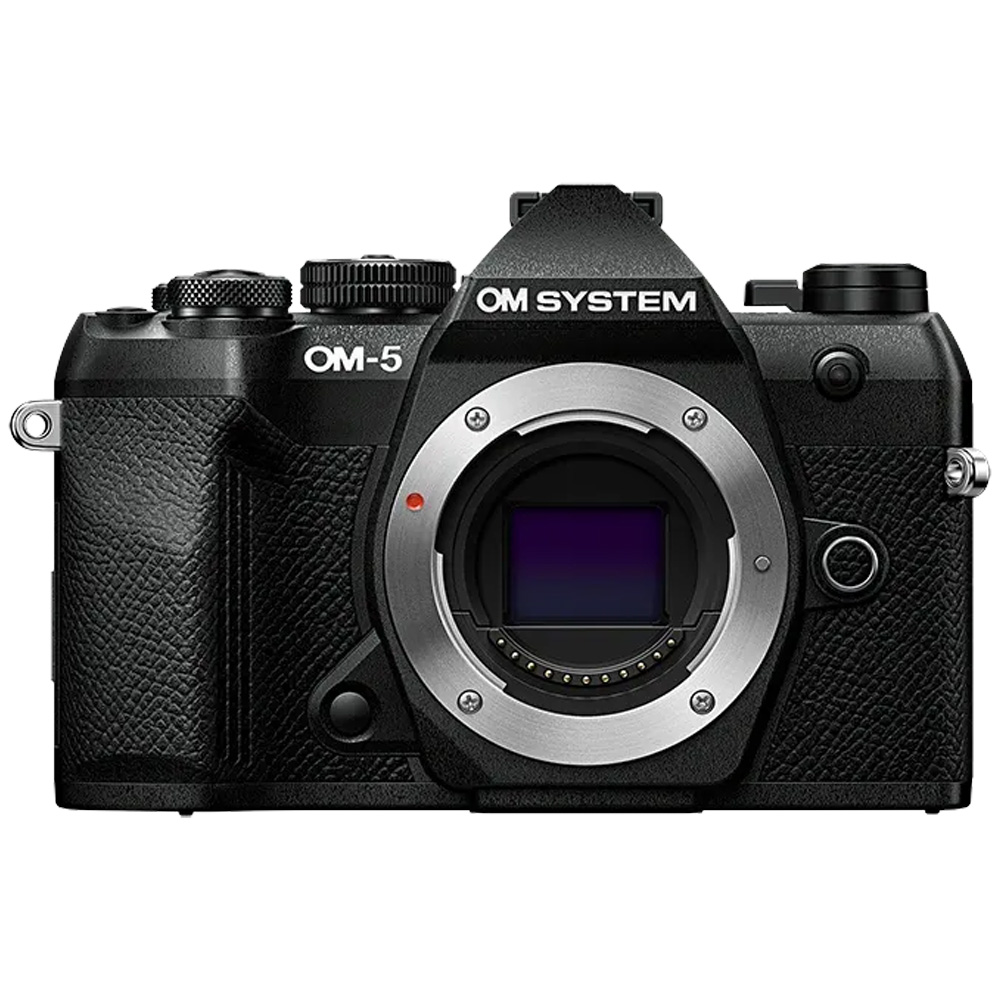
Best astro features
The OM-5 provides a compact and lightweight setup for astrophotographers on the move who want to keep the weight down — and it has two useful astro features.
Read more below
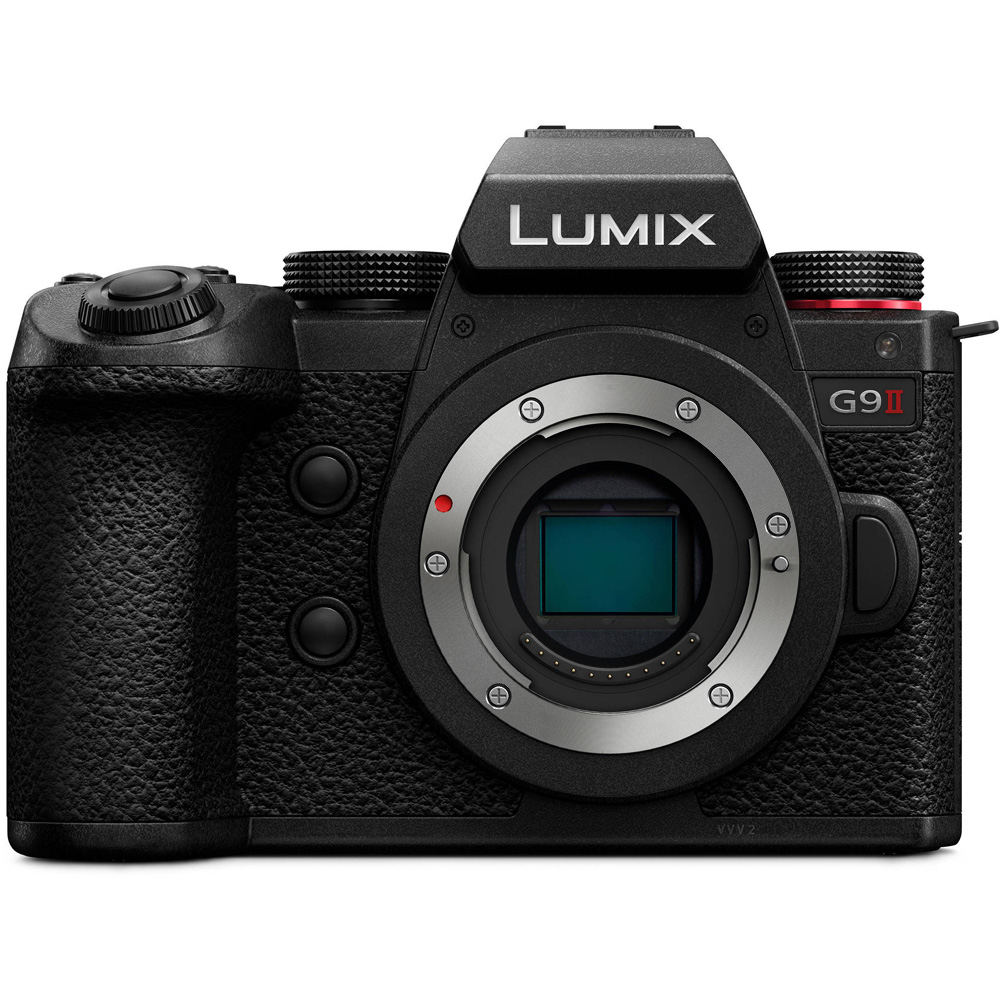
Best for handheld low-light work
This camera is more of an investment, but its 8 stops of image-stabilization make it fantastic for handheld low-light work as well as tripod-mounted astrophotography.
Read more below
The best APS-C and Micro Four Thirds cameras for astrophotography we recommend in 2026
Why you can trust Live Science
Our expert reviewers spend hours testing and comparing products and services so you can choose the best ones for you. Find out more about how we test.
Best overall
Image 1 of 1

Buy it if
✅ You want one camera to do most things. A versatile APS-C that can handle landscapes, travel and night sky.
Don’t buy it if:
❌ You only care about deep-sky work, or you want specialized astrophotography features.
The bottom line
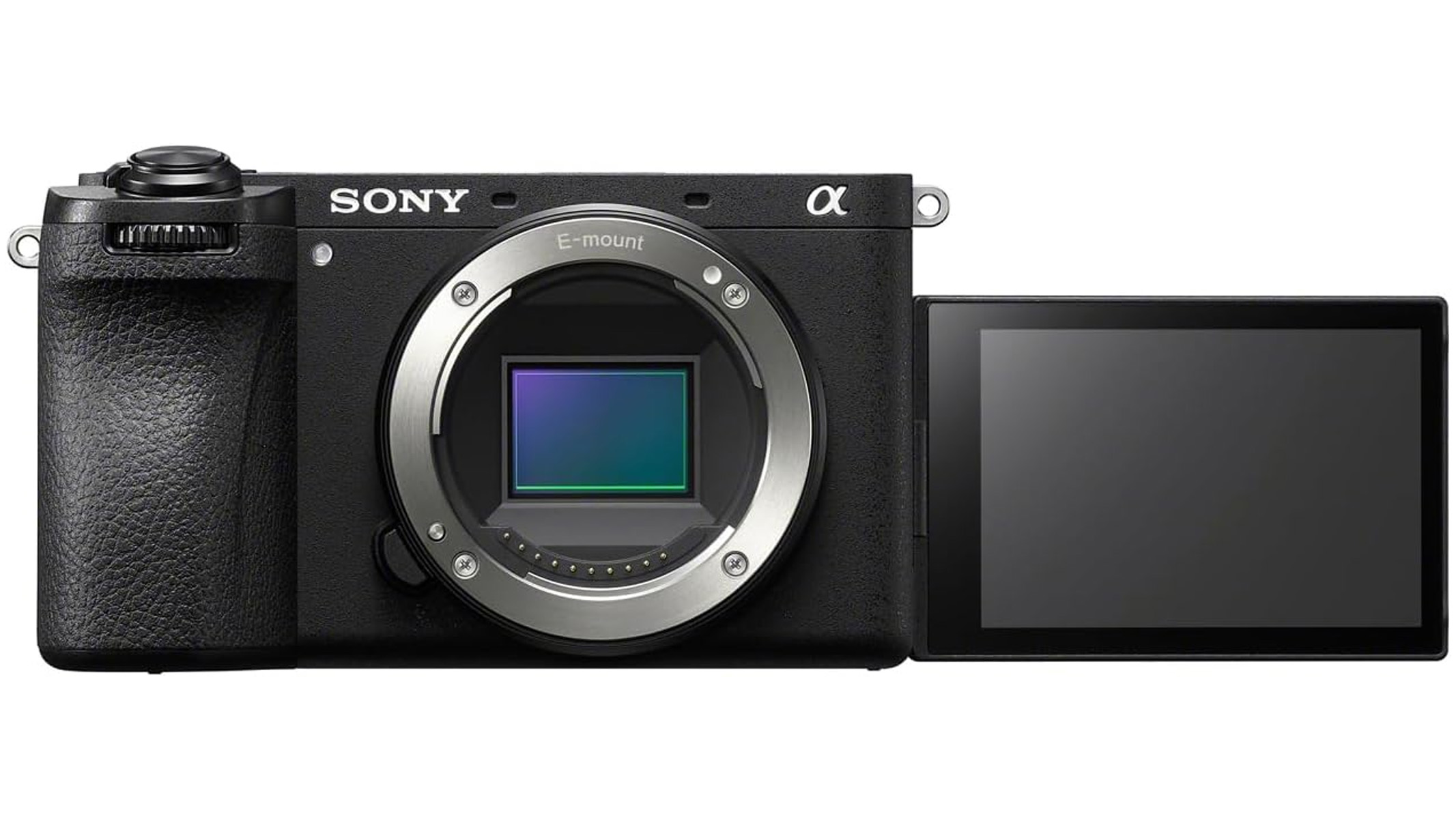
🔎 Sony A6700: A compact and weather-resistant camera with excellent ergonomics, clean high-ISO files and fast focusing. A superb all-rounder for nightscapes and everyday photography. ★★★★
Sony’s A6700 brings the benefits of a modern APS-C back-illuminated sensor and refined handling into a body that’s versatile and happy to take on a range of different types of photography. The 26-megapixel BSI sensor delivers low noise at high ISO, which is critical for night sky work, especially if you’re shooting wide panoramas where dynamic range and clean shadows matter. Built-in 5-axis IBIS (stabilization) is a boon for those “between” shots that can be accomplished handheld, such as twilight landscapes or moments when you’re switching between tripod and handheld work.
From an ergonomics perspective, the user interface and menus are comfortable to navigate in the dark, and the electronic viewfinder makes focusing on bright stars a breeze with focus magnification. It’s also nice to see a vari-angled touchscreen, which is a great addition if you’re pointing your camera at the night sky but still want a good handle on your settings. While there’s no dedicated astrophotography mode or built-in tracking, the overall imaging performance and flexibility make this camera a high-value choice if you want great star photos plus everyday photography in one body.
|
Attributes |
Notes |
|---|---|
|
Design |
Aperture, shutter speed and ISO can all be controlled on the body. |
|
Performance |
26MP sensor delivers low-noise images. |
|
Functionality |
Comfortable to navigate in the dark. |
Best for deep-sky
Image 1 of 3


Buy it if
✅ You want a high-detail APS-C body and you’re looking to print images large.
Don’t buy it if:
❌ You need a lot of lens options and a simple workflow.
The bottom line
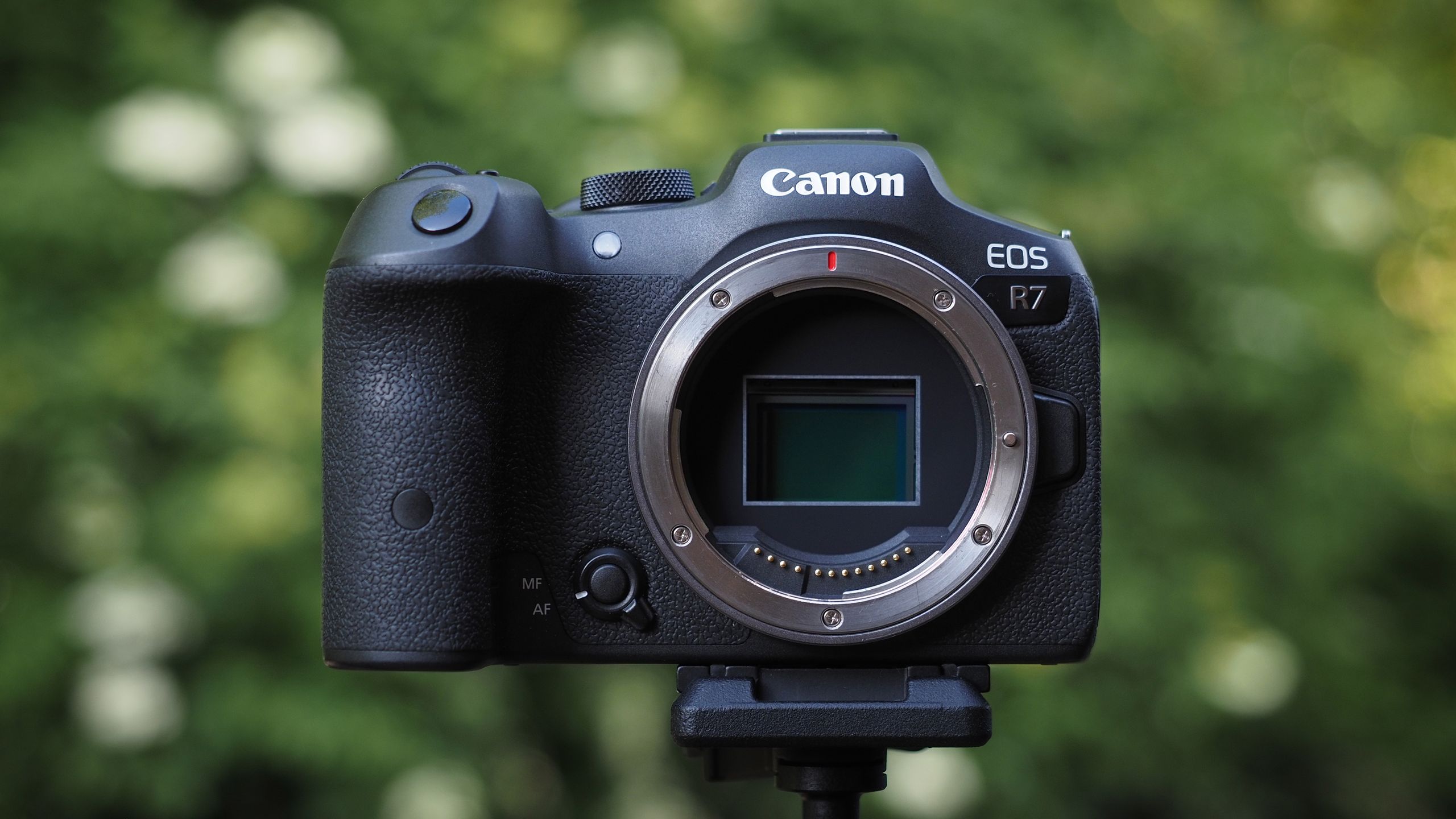
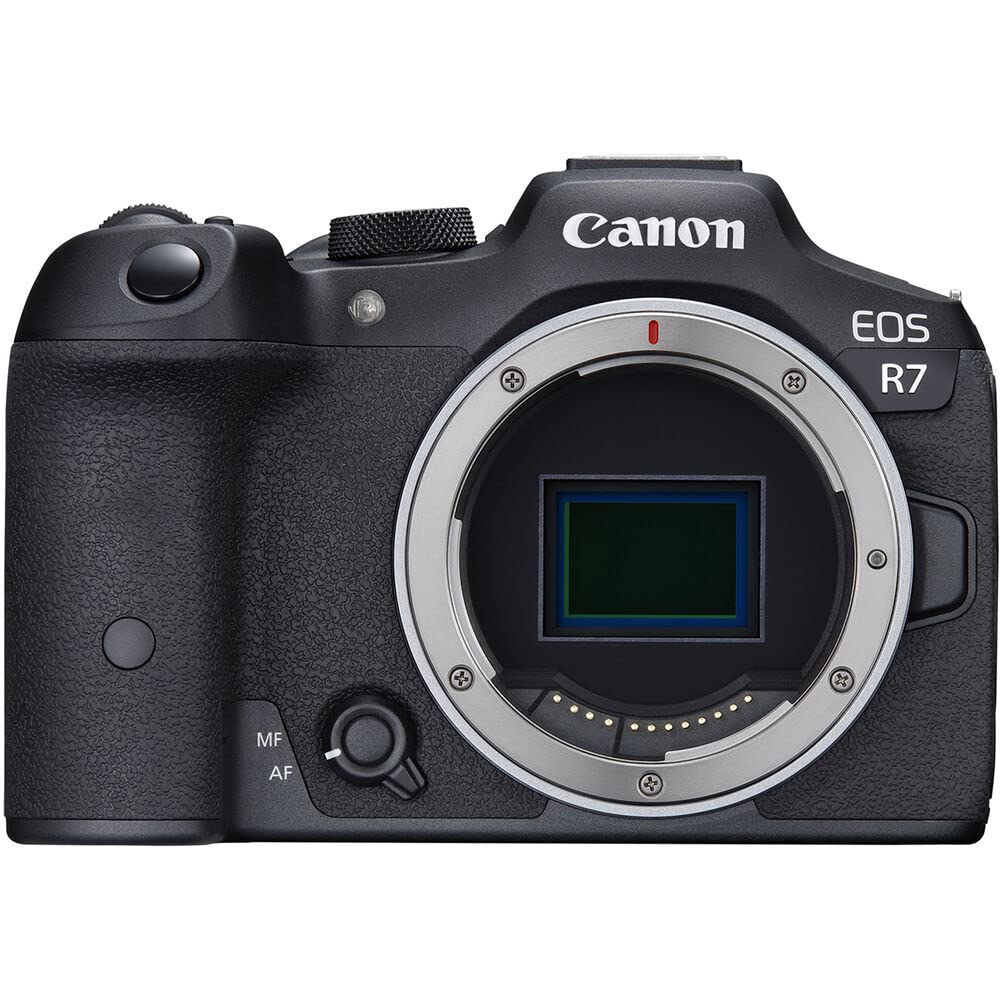
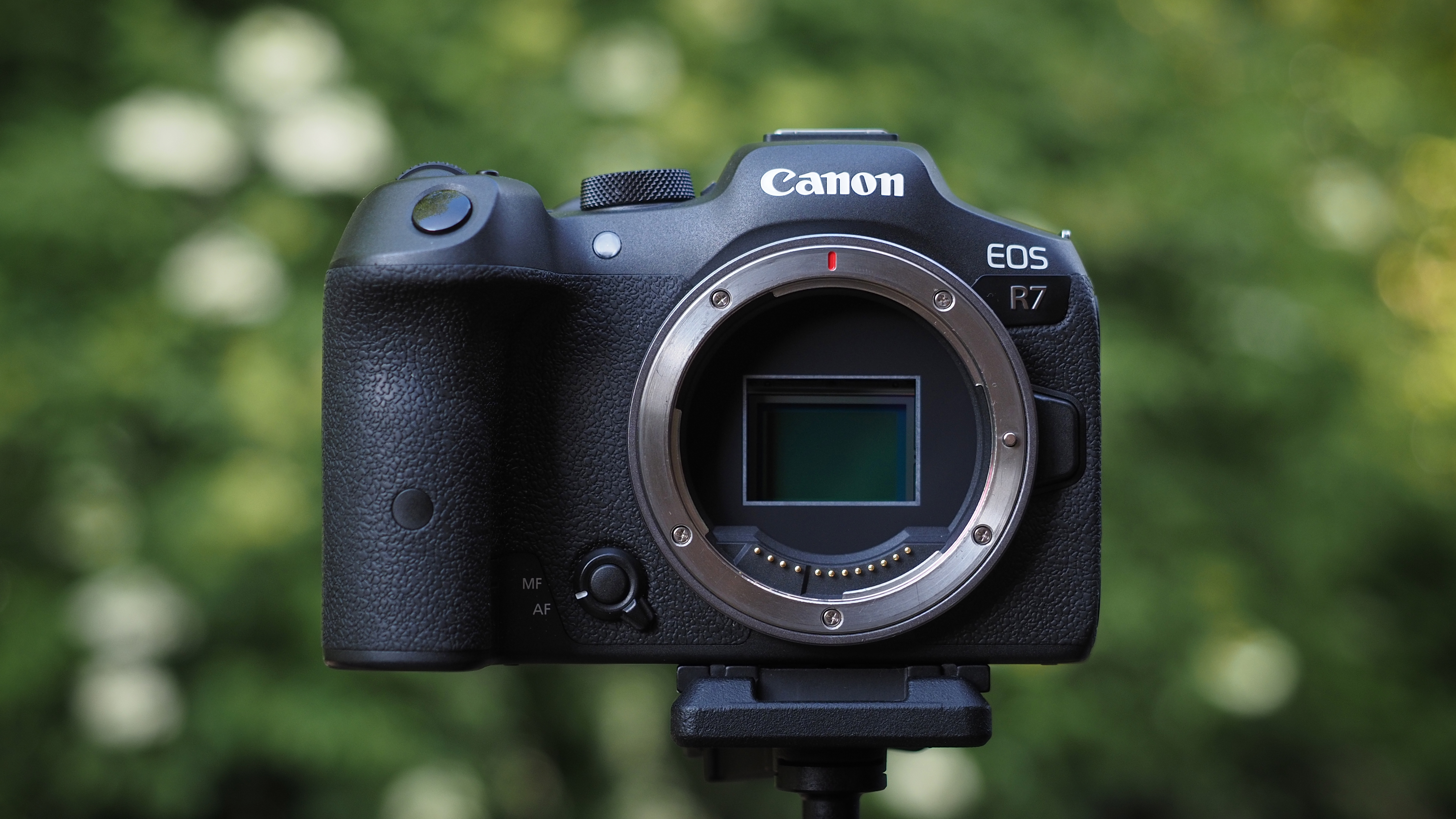
🔎 Canon EOS R7: A chunky and weather-sealed option with distinctive controls, offering extremely detailed images but more demanding of technique than other cameras on the list. Excellent for high-resolution nightscapes and printing. ★★★★★
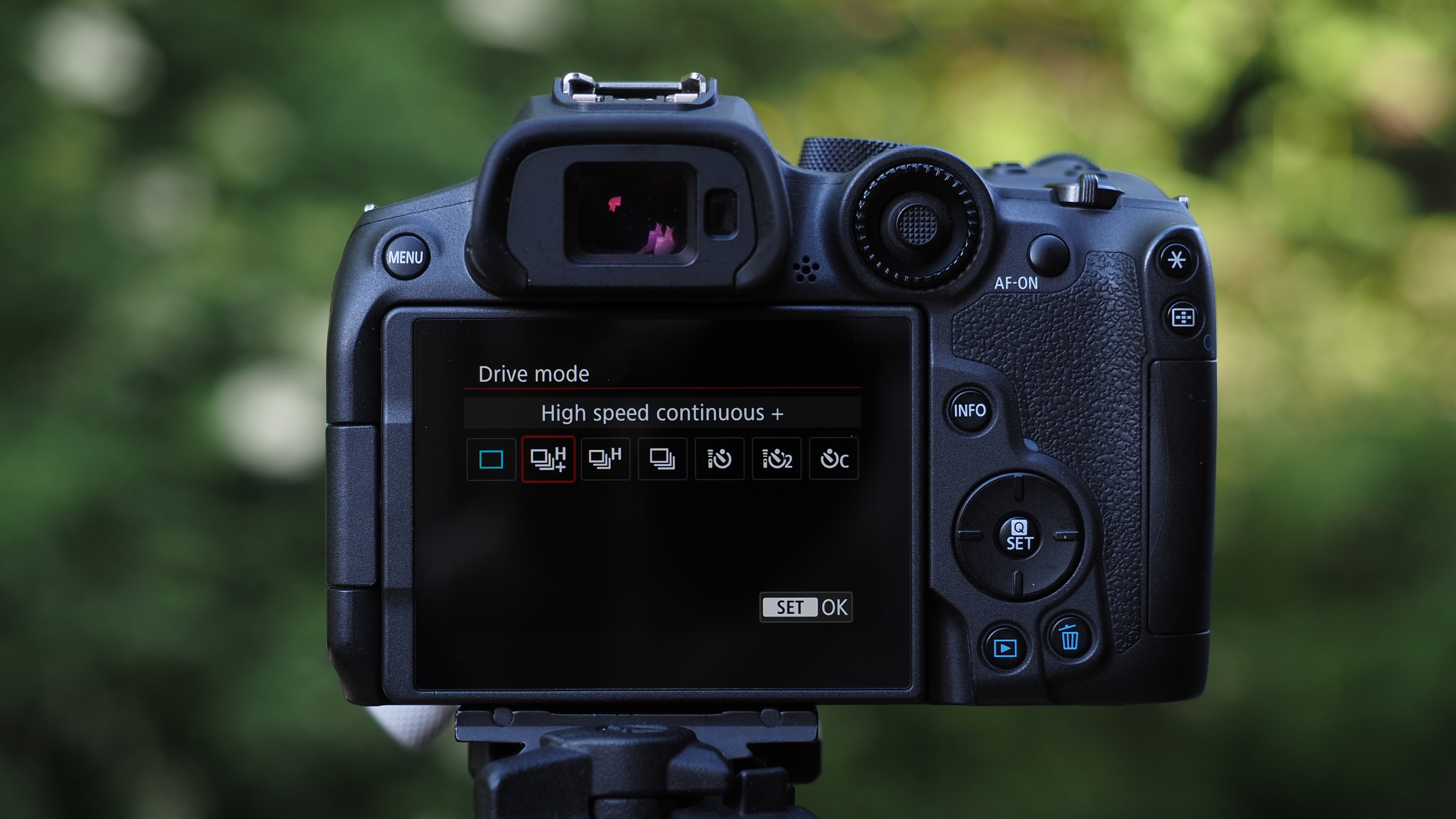
Canon’s EOS R7 sets itself apart primarily through its 32.5-megapixel sensor, which gives you lots of headroom when cropping into star fields or capturing large panoramas without losing fine detail. The high pixel count means you can isolate constellations or nebula regions while retaining enough resolution for prints or tight crops. If you’re adamant about printing large reproductions of your photos, this is the setup we’d investigate. The stabilization here is also noteworthy: when paired with compatible RF-S or RF lenses, Canon quotes up to eight stops of correction.
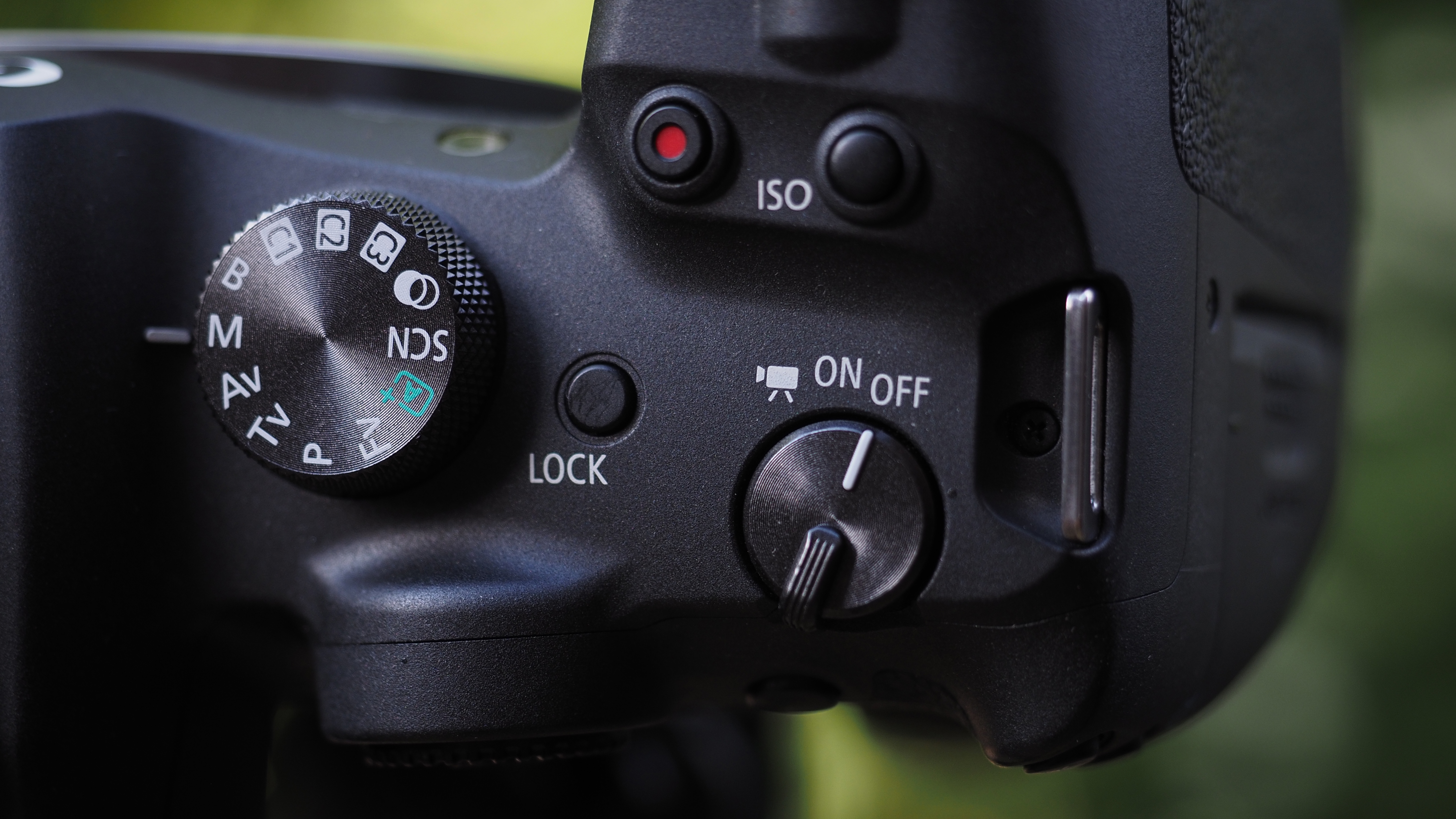
Autofocus performance, especially Canon’s Dual Pixel system, isn’t usually top of the list for astrophotography, but as a strong everyday shooter, it works well. High pixel density demands precise focus, as tiny errors in focus show up quickly in star images. Also, a quick word on ergonomics — Canon’s dial and joystick system isn’t for everyone, and we also don’t love the fact that it does away with a top dial, which means navigating different modes can be tricky. Perhaps not a dealbreaker for night sky photographers, but some may find it annoying in day-to-day life.
While we awarded it an impressive 5 stars in our full Canon EOS R7 review, it’s worth noting that Canon’s wide-angle lens lineup is extremely limited, making it a tricky purchase if you’re solely focused on wide-angle astrophotography. If, however, you’re a deep-sky enthusiast and want to take advantage of the extra reach from the 1.6x crop factor on a full-frame long telephoto lens, the R7 is well worth it.
|
Attributes |
Notes |
|---|---|
|
Design |
Lack of top dial can get annoying. |
|
Performance |
Sharp 32.5MP images. |
|
Functionality |
Limited lens options for wide-angle. |
Best battery life
Image 1 of 1
Buy it if
✅ You want an astro body that provides crisp, clear images of the night sky.
✅ You regularly shoot long sessions or timelapses in the field away from power.
Don’t buy it if:
❌ You dislike Fujifilm’s aesthetic or have already bought into a different ecosystem.|
❌ You already own lenses from another system.
The bottom line
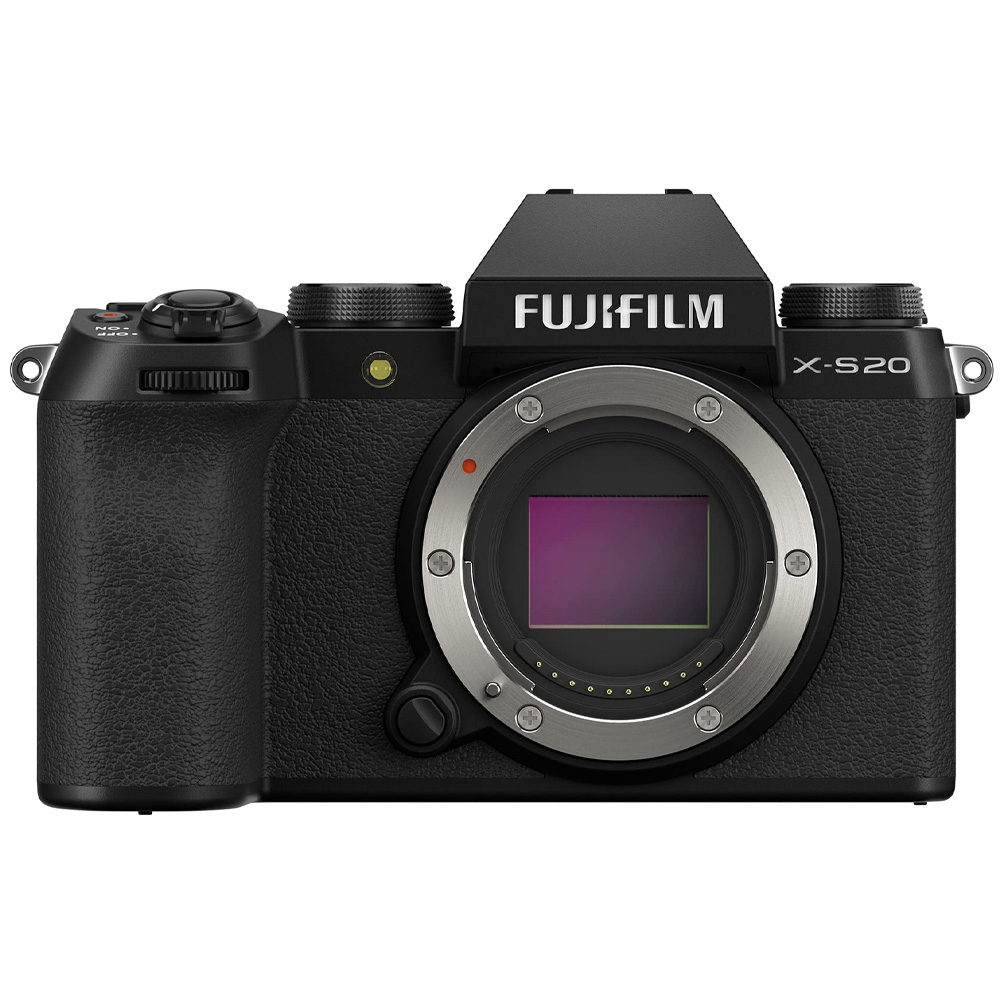
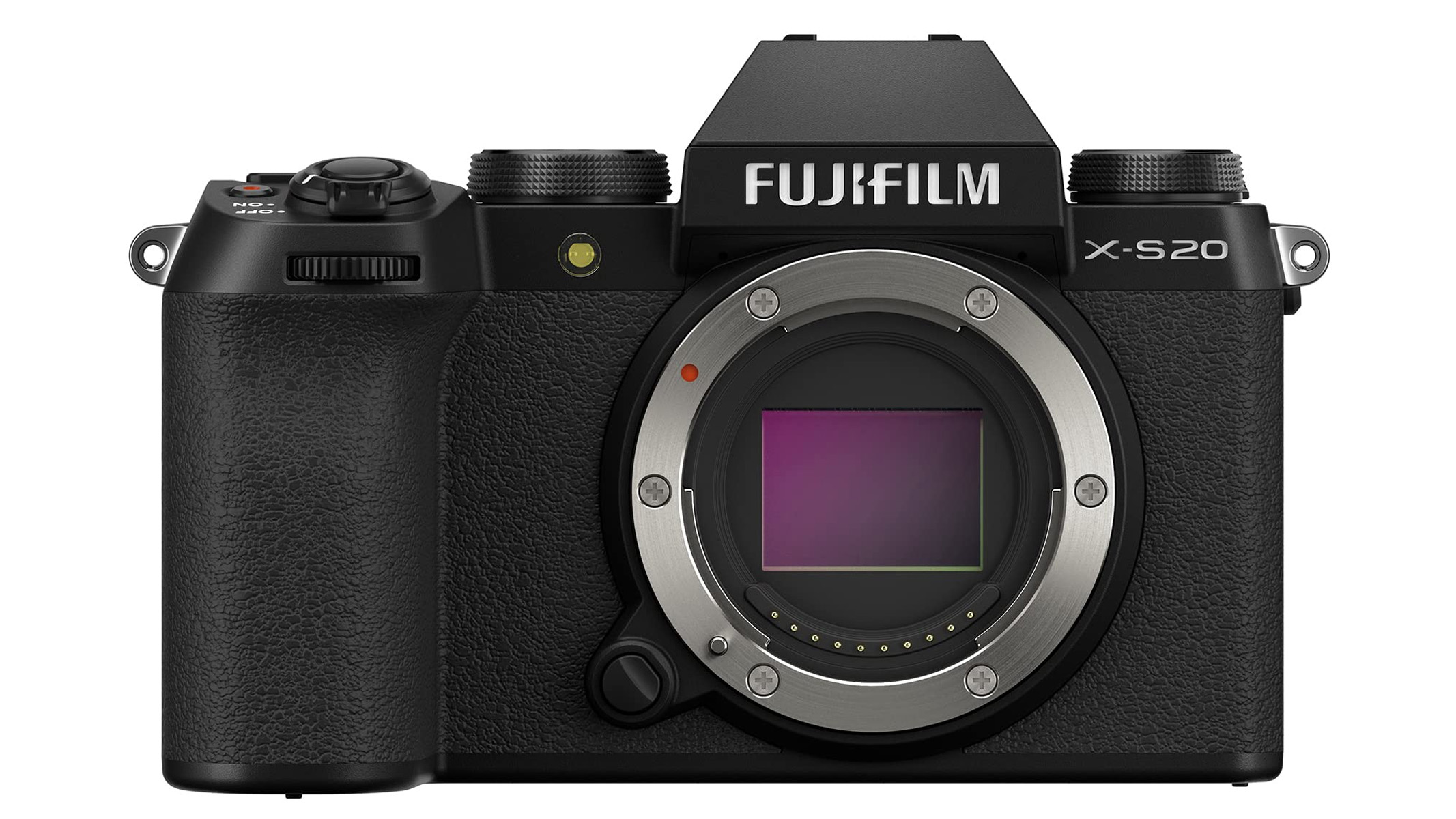
🔎 FujiFilm X-S20: A clean, aesthetically pleasing and modern option with excellent controls, strong noise handling and battery life. Ideal for long overnight astro shoots and hybrid creators. ★★★★
The Fujifilm X-S20 quietly ticks all the boxes for astrophotography and more. Its APS-C X-Trans sensor captures clean, detailed night skies, and its excellent battery life, with an estimated 800 shots per charge, means you can comfortably plan lengthy night sessions without constantly swapping power packs. A real plus when you’re out in the wild, away from mains chargers.
Fujifilm’s renowned color processing also means more pleasing base files to work with, which is great if you like to share astrophotography without heavy post-processing. Its aesthetic might not be for everyone, and Fujifilm’s color science has a distinctive look that won’t suit every astrophotographer straight out of the camera.
Fuji’s lens lineup, especially the fast, wide primes that are ideal for astrophotography, can be more expensive than those of its rivals, so budget carefully for glass. If you’ve already partially invested in a different lens ecosystem, we’d perhaps recommend looking elsewhere, as you might find yourself reaching a dead end quite quickly in terms of availability and finance.
Generally, though, there’s a lot to recommend this option, and we especially like the crisp, limited noise images and how the camera deals with low-light scenarios across the board.
|
Attributes |
Notes |
|---|---|
|
Design |
Limited on-body controls. |
|
Performance |
Crisp images with limited noise. |
|
Functionality |
Great battery life. |
Best for enthusiasts
Image 1 of 1
Buy it if
✅ You want a stylish camera that doubles for astrophotography and everyday shooting, or you’re a beginner learning the ropes.
✅ You enjoy learning to use manual controls and slower, considered night shooting.
Don’t buy it if:
❌ You want the most forgiving low-light performance and need something built for tough environments.
❌ You frequently shoot in cold or wet conditions.
The bottom line
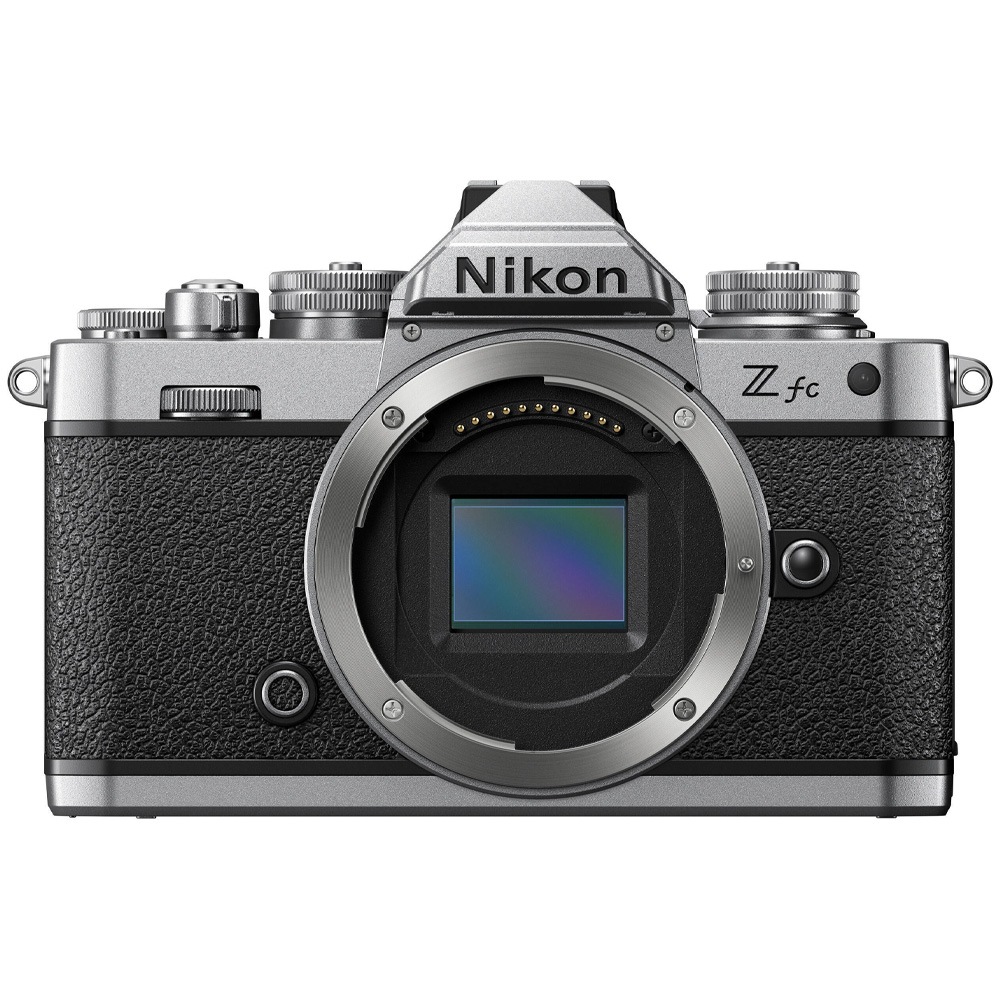
🔎 Nikon Z fc: Beautiful retro styling and capable, but not class-leading in low light. Great for beginners or casual nightscapes rather than hardcore astro work. ★★★★
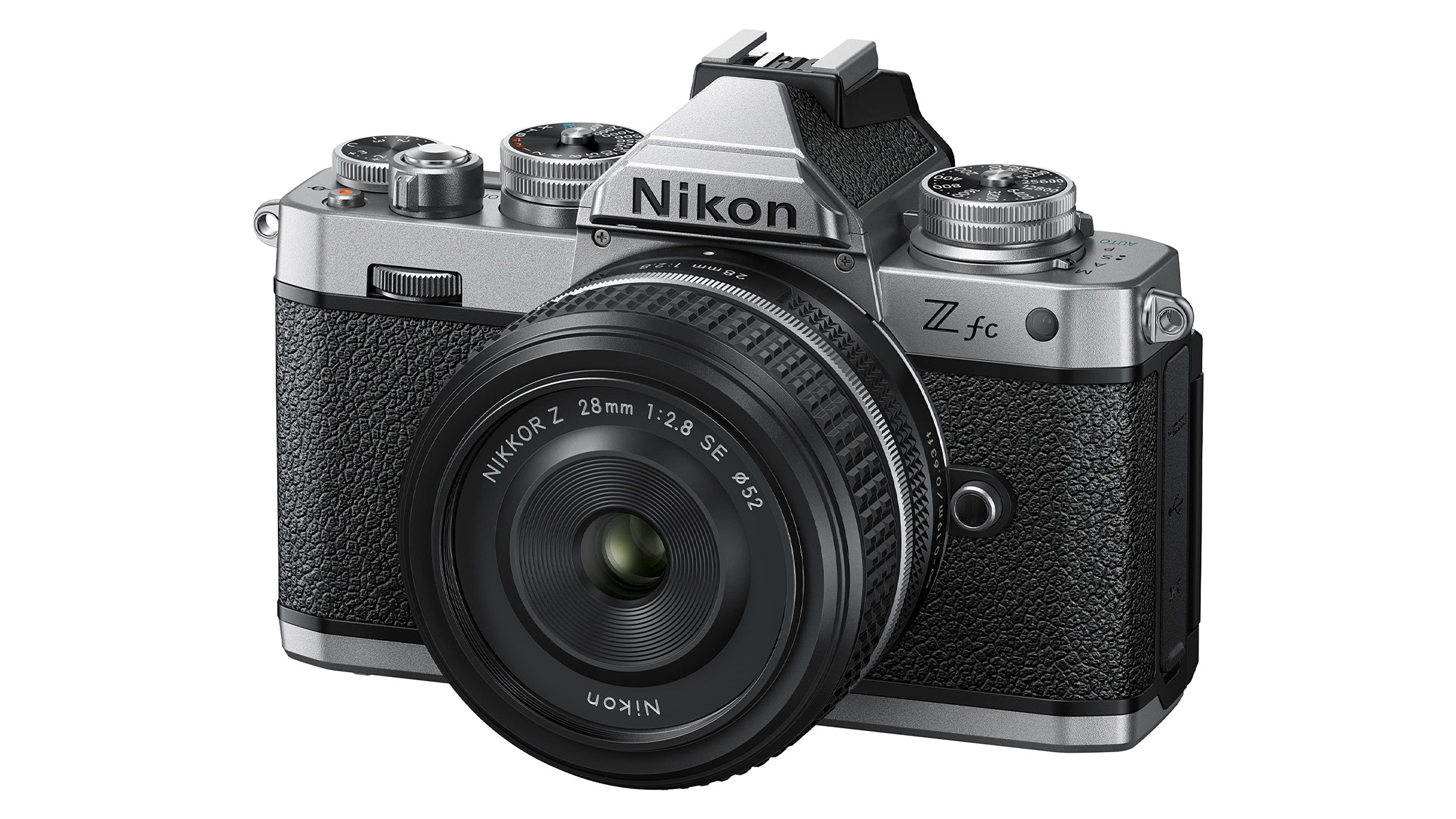
The Nikon Z fc won plenty of attention for its retro styling, but beneath the classic dials lies a modern APS-C mirrorless camera that can handle most of what an astrophotographer can throw at it. It’s a small camera and its 20.9-megapixel sensor won’t match some of its rivals for sheer dynamic range or noise control at very high ISOs, but it’s plenty capable for a range of different nightscapes.
There is a trade-off to be had in the lack of in-body stabilization. Most modern astrophotographers work primarily with a sturdy tripod for long exposures anyway, so the absence of IBIS isn’t a dealbreaker, but it does remove the flexibility for handheld low-light frames that other cameras in this guide offer. Adding to that, there’s nothing in the way of a grip or any other ergonomics that make it easy to use in the dark. It’s a small device and it can sometimes be a bit clumsy to operate. It’s also worth doing your research on lenses, too — Z-mount lenses can be found, but there are fewer on the market than with other systems.
Where the Z fc shines is in its handling experience. If you love physical dials and control layouts, and a design that invites you out shooting, this camera is rewarding and fun to use. Just be prepared to pair it with fast glass if you take astrophotography seriously, and be aware of its relative lack of weatherproofing compared to other options.
|
Attributes |
Notes |
|---|---|
|
Design |
Classic retro styling. |
|
Performance |
Lack of IBIS removes handheld low-light shooting possibilities. |
|
Functionality |
Limited lens options. |
Best entry-level APS-C
Image 1 of 1
Buy it if
✅ You want a cost-effective APS-C camera that’s easy to use, straight out of the box.
✅ You want strong autofocus for night landscapes and aurora.
Don’t buy it if:
❌ You prefer flexible handheld low-light photography
The bottom line
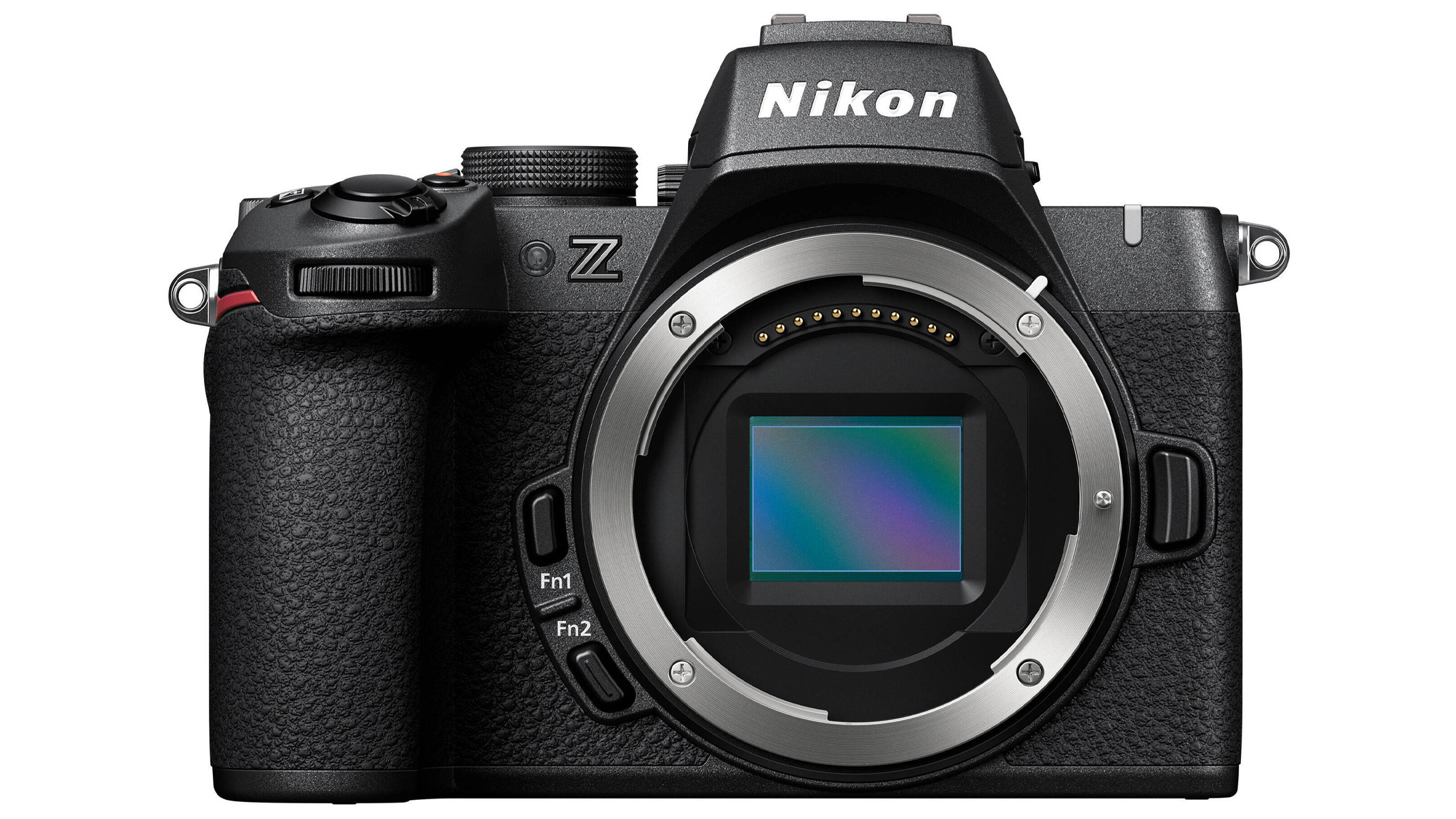
🔎 Nikon Z50: Compact and understated. Very good for its price class and an accessible entry point into serious astro photography. If you own heavier lenses, you may find the body a little small. ★★★★
With a 20.9-megapixel APS-C sensor and classic Nikon color science, the Nikon Z50 is an excellent starting point for budding dark sky photographers, and it sits at an appealing price point, too. It produces images with good detail and noise performance when used on a stable tripod for long exposures, and for Milky Way and landscape astrophotography, it does the job well, especially when paired with a fast, wide prime. It’s worth noting that it doesn’t ship with any form of stabilization, which could be a factor if you plan on doing handheld low-light work.
One of its biggest advantages is value for money, and this lets you invest more in lenses or support accessories like tripods and star trackers. For beginners or those building their first astrophotography kit, we think that this balance between performance and affordability makes it a very good entry point.
|
Attributes |
Notes |
|---|---|
|
Design |
Small body is amplified if using large lenses. |
|
Performance |
Good starting point for beginners or the budget-conscious. |
|
Functionality |
No image-stabilization for other styles. |
Best astro features
Image 1 of 1
Buy it if
✅ You need something you can throw in a bag and not treat with kid gloves
✅ You like using inbuilt composite and in-camera editing tools
Don’t buy it if:
❌ You prefer the cleanest possible high-ISO files.
❌ You’re looking for the latest sensor tech, or you need to print big images
The bottom line
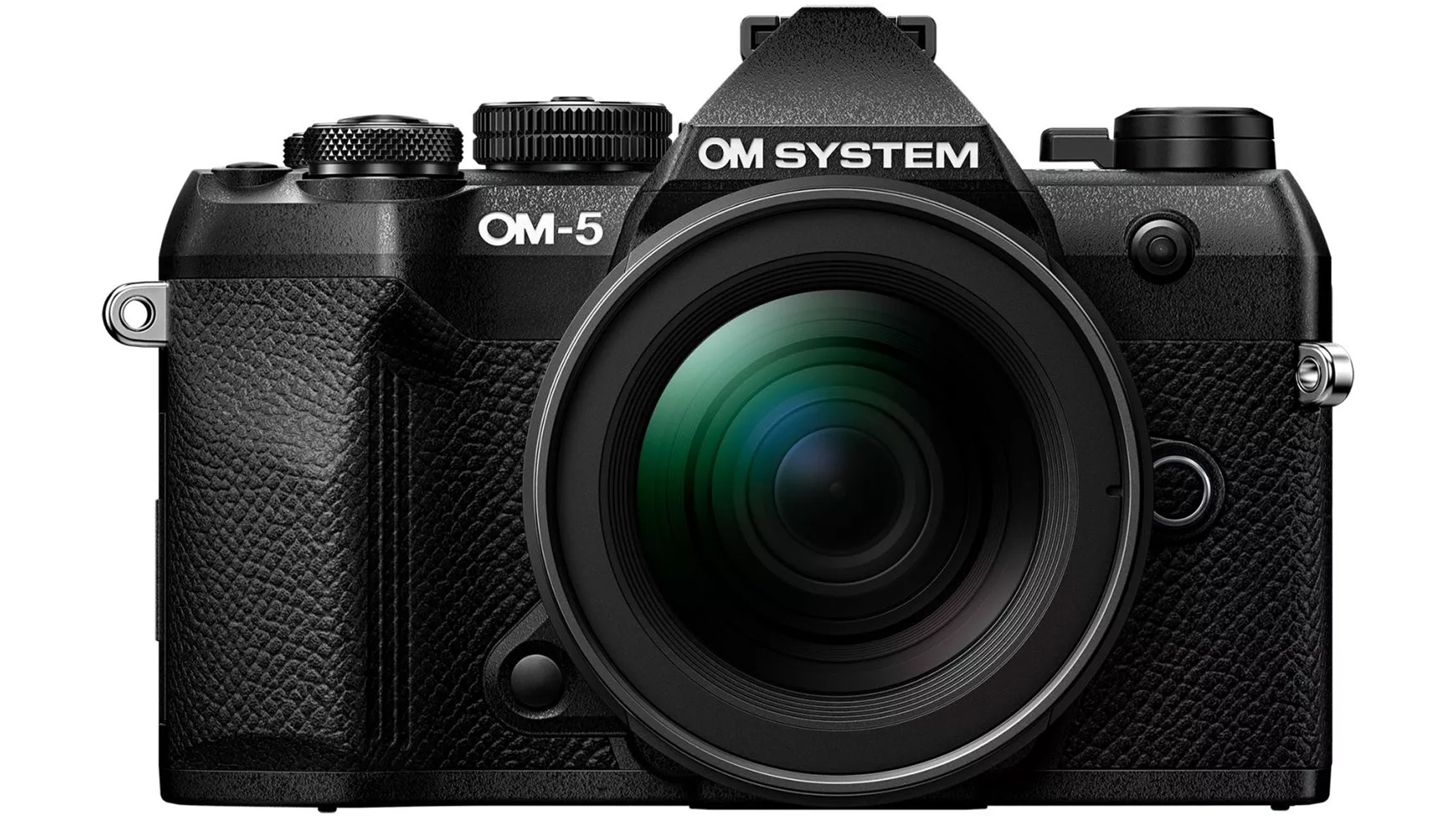
🔎 OM System OM-5 Mark II: Compact, well-sealed and expedition-ready. Excellent for travel, astro and, with in-built features, brilliant for long-exposure experimentation using Live Composite modes. ★★★★
The OM-5 Mark II is one of the most practical cameras for astrophotographers who like to step into the backcountry. Its weather-sealed body and impressive stabilization (quoted up to 7.5 stops) mean you can confidently shoot in all conditions.
Micro Four Thirds sensors don’t compete directly with APS-C for high-ISO noise performance, but the OM-5 makes up for it with portability and handling. Compact wide-angle lenses are among the smallest and lightest available, letting you carry a complete astro kit without weighing you down too much. We’d have liked to see a double SD card slot and slightly better battery life (it’s rated for about 310 shots per charge), but the size and lack of weight of the camera mean its strong suit is portability
For astrophotographers who value flexibility and enjoy travel photography too, this is a great option — the OM-5 Mark II strikes a superb balance between performance and real-world practicality. Plus, it has Live Composite, Starry Sky Autofocus and a Night Vision mode, all of which are fantastic for astrophotographers.
|
Attributes |
Notes |
|---|---|
|
Design |
Rugged for tough conditions. |
|
Performance |
Great balance of performance and practicality. |
|
Functionality |
Live Composite, Starry Sky AF and Night Vision mode. |
Best for handheld low-light work
Image 1 of 1
Buy it if
✅ You want the most complete MFT astrophotography tool
✅ You want flagship handling with advanced computational modes.
Don’t buy it if:
❌ You want the smallest, lightest possible setup
❌ You mainly shoot casually and want something simpler.
The bottom line
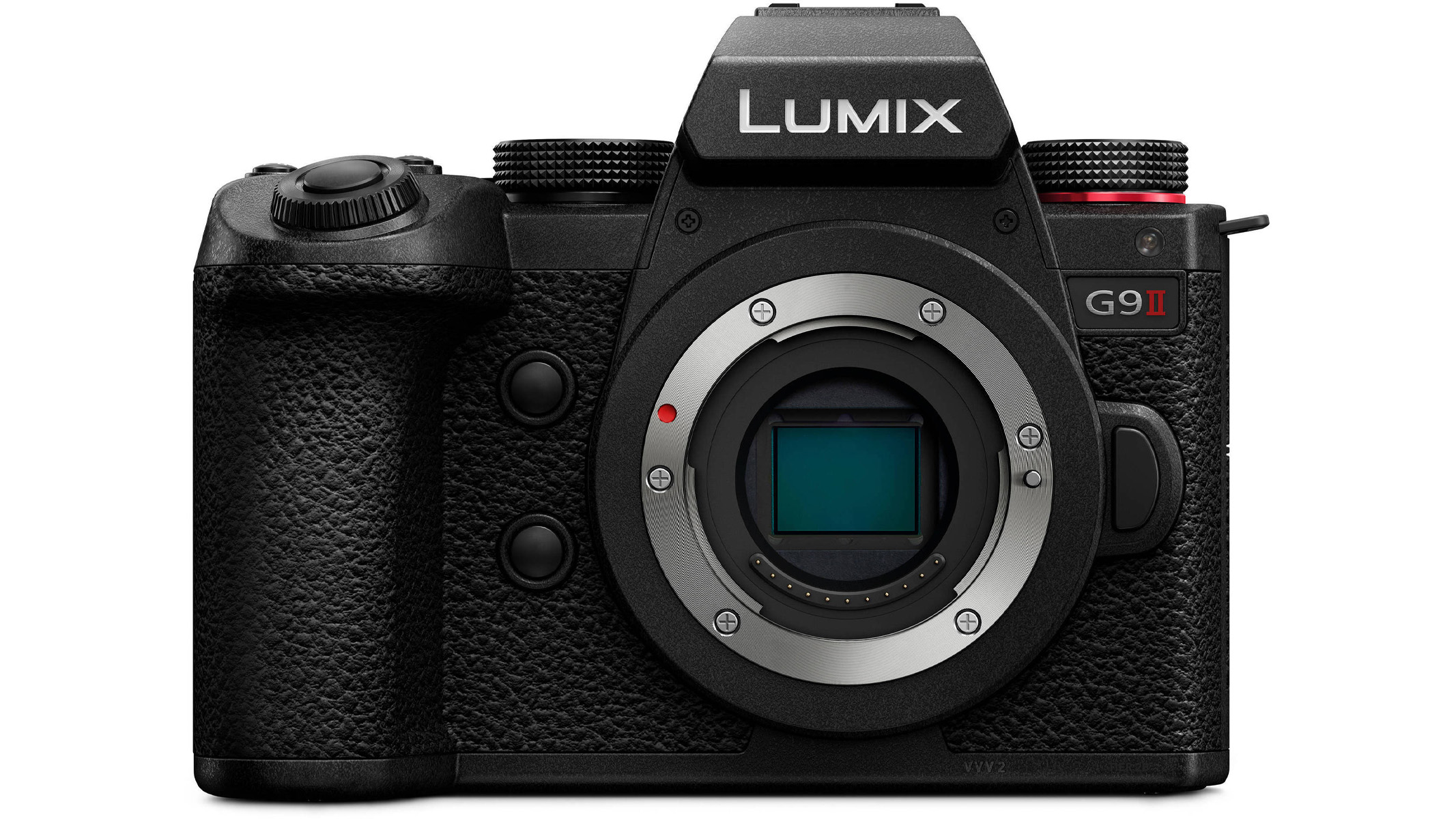
🔎 Panasonic Lumix G9 II: Chunky, professional and class-leading in the MFT world. Superb for nightscapes, timelapse and hybrid work. ★★★★★
The Panasonic Lumix G9 II is the brand’s flagship Micro Four Thirds body on the market now. With a 25.2MP sensor and excellent IBIS (up to eight stops), it handles night sky shooting and everyday photography with equal confidence.
Combine excellent resolution and color rendition with advanced autofocus and excellent usability, and you get a camera that feels more modern across the board than many rivals.
The body is larger than some compact options we’ve listed here, but that can be a plus at night as more substantial cameras often balance better on tripods and feel more secure under gloves and in poor weather.
If you want one MFT camera that handles astrophotography, landscapes, wildlife, timelapse and video without compromise, the G9 II should be right at the top of your list.
|
Attributes |
Notes |
|---|---|
|
Design |
Larger than other MFT options. |
|
Performance |
Excellent for a range of photographic styles. |
|
Functionality |
25.2MP resolution. |
Best for video
Image 1 of 1
Buy it if
✅ You shoot hybrid astro stills and video, and want excellent filmmaking tools
✅ You prioritize night video and timelapse production.
Don’t buy it if:
❌ You want the simplest stills-only setup.
❌ You want to prioritize lightweight kit.
The bottom line
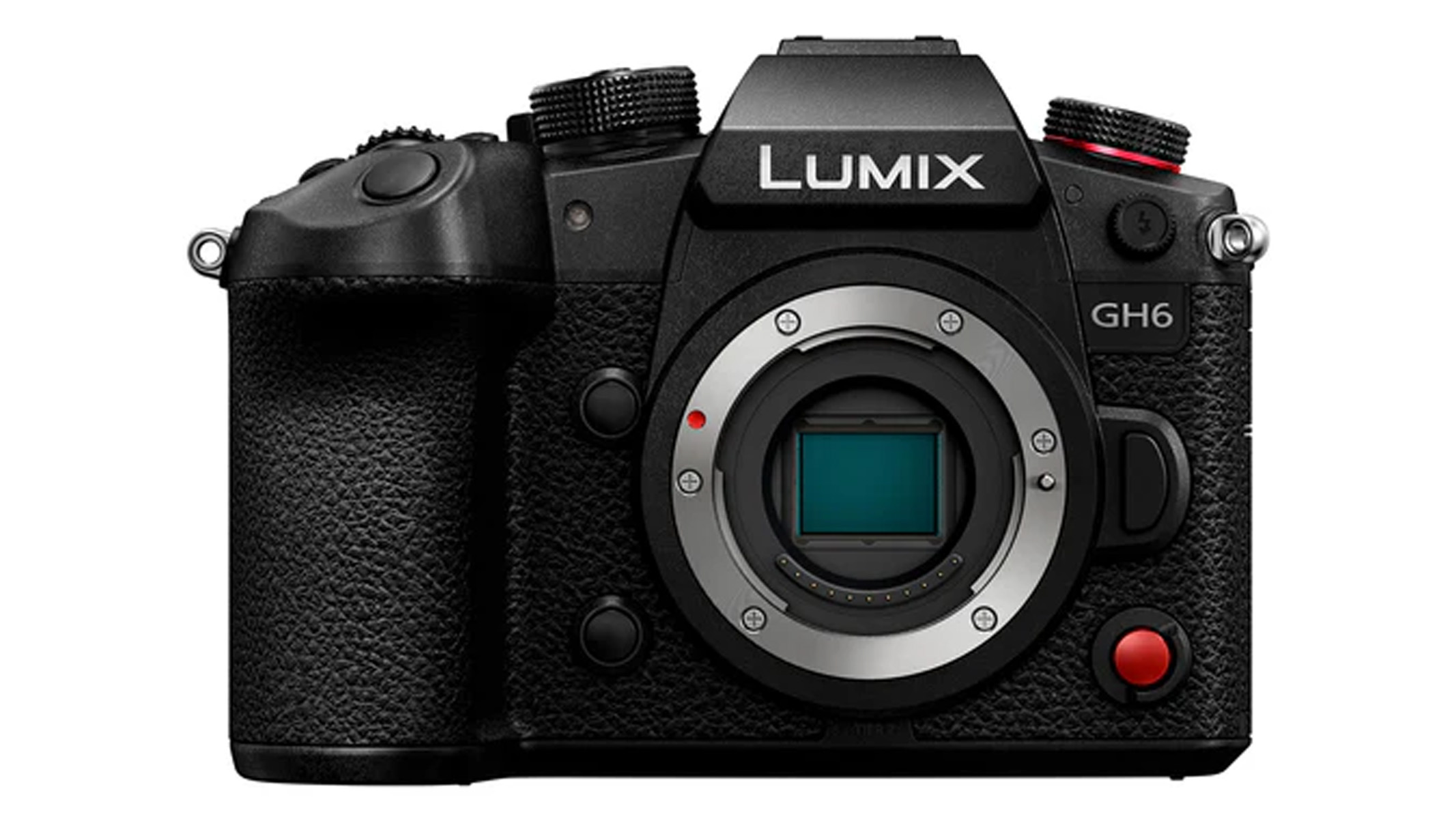
🔎 Panasonic Lumix GH6: Large and video-centric. Outstanding for motion capture, so ideal for cinematic astrophotography, but you may want to look elsewhere if you’re interested in stills only. ★★★★
The Panasonic GH6 is a powerhouse for astrophotographers who think in both stills and motion. It has a high-resolution sensor and plenty of rich video options, including 5.7K and 4K 10-bit shooting, making it ideal for night timelapses, astro documentaries and immersive night footage. If you’re a content creator or like to combine stills and video, we’d look no further than this.
While its body is larger and more complex than many stills-focused MFT models, this is precisely why creators who shoot motion love it: you don’t have to compromise on either side of your workflow. For astrophotography stills, the sensor delivers enough detail, and for video, it provides superb dynamic range and color depth, as well as internal recording in Apple ProRes 422 HQ and 422, pre-installed V-Log/V-Gamut and 13+ stops of dynamic range via Dynamic Range Boost.
If part of your astro process includes long night timelapses, behind-the-scenes night videos or content creation alongside still images, the GH6 is one of the most compelling cameras on offer today.
|
Attributes |
Notes |
|---|---|
|
Design |
Larger than other MFT models. |
|
Performance |
Excellent for stills and video |
|
Functionality |
5.7K and 4K 10-bit video shooting |
Best budget used model
Image 1 of 1
Buy it if
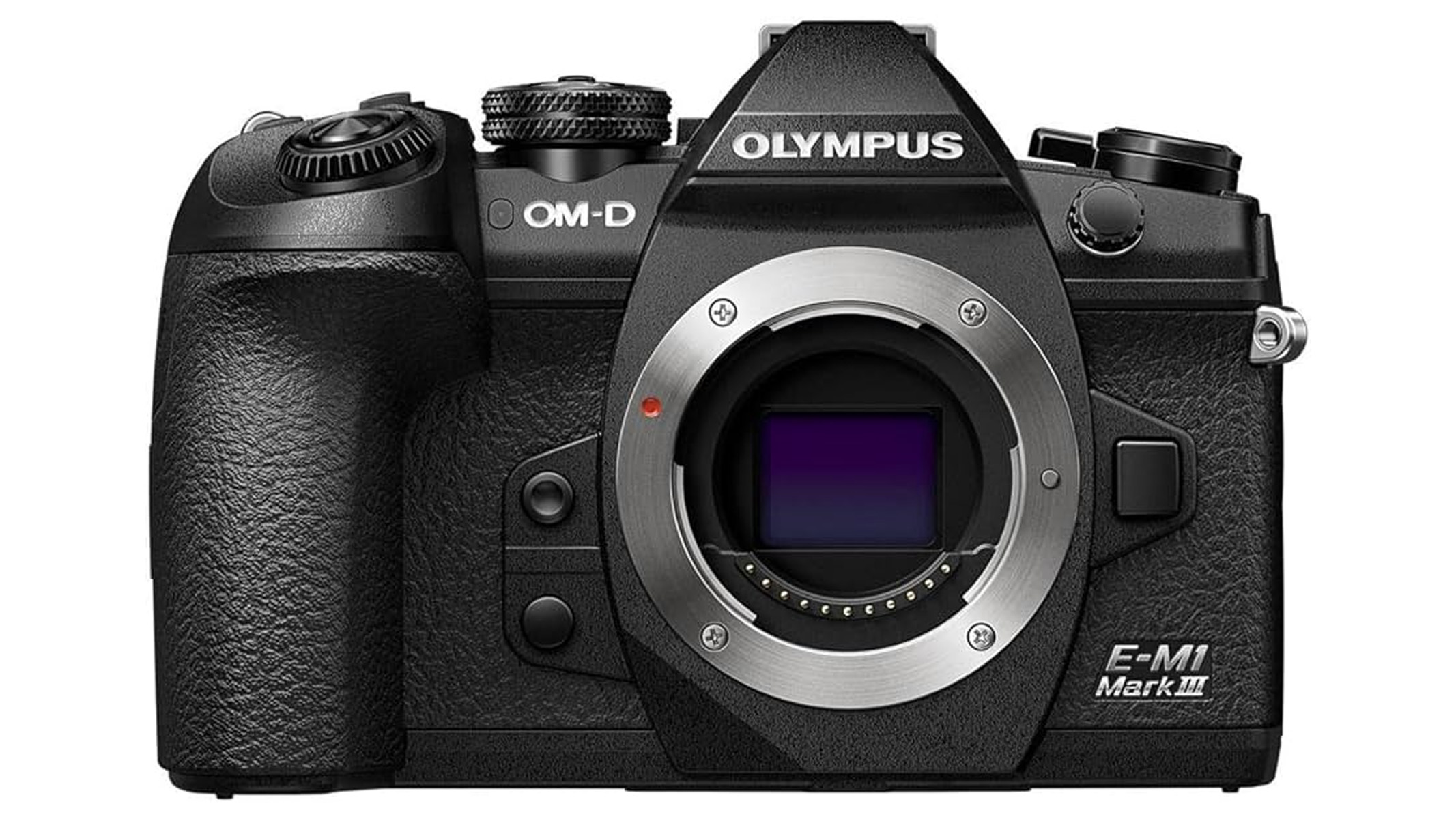
✅ You want a robust all-weather MFT body for landscapes and general use, and your work is predominantly on social media or digital.
✅ You like Olympus’s Live Composite shooting modes.
Don’t buy it if:
❌ You need the very lightest possible kit, or you need to print large images.
❌ You want the newest sensor generation.
The bottom line
🔎 Olympus OM-D E-M1 Mark III: Rugged and dependable rather than cutting-edge, but excellent for controlled long-exposure night shooting. ★★★★
Although it uses slightly older tech now, this remains a strong astrophotography option thanks to its excellent stabilization and handling. Its 20.1MP sensor isn’t the latest available from OM System (formerly Olympus), but the combination of a good choice of sharp lenses and in-body correction makes it comfortable to use both on tripods for long exposures and handheld for dawn/dusk scenarios.
We also like the body’s ergonomic design, and its excellent weather sealing gives you confidence if you often shoot in the wild — a frequent reality at dark sky locations. The reliability and build quality are why many outdoor photographers still choose this model long after its release, and we’d be happy to forgo the latest tech in favor of great performance when on location.
Plus, with OM System’s ‘Starry Sky Autofocus’ up its sleeve, you don’t have to worry about ending up with blurry, out-of-focus stars. We tested this feature out when we reviewed the OM-1 Mark II, and we found it to be surprisingly effective. Plus, Live Composite shooting enables you to effortlessly create star trail images.
|
Attributes |
Notes |
|---|---|
|
Design |
Ergonomic design |
|
Performance |
Great performance despite using older tech. |
|
Functionality |
Excellent weather sealing. |
Best APS-C and MFT cameras for astrophotography: comparison
|
Camera |
ISO range |
Rear monitor |
Autofocus sensitivity |
Longest shutter speed |
Battery life |
|
Sony A6700 |
100-32,000 |
3.0-inch vari-angle touchscreen, 1.03-million dots |
Down to –3 EV |
30 sec |
570 shots (CIPA) |
|
Canon EOS R7 |
100-32,000 |
3.0-inch vari-angle touchscreen, 1.62-million dots |
Down to –5 EV |
30 sec |
660 shots (CIPA) |
|
FujiFilm X-S20 |
160-12,800 |
3.0-inch vari-angle touchscreen, 1.62-million dots |
Down to –7 EV |
30 sec |
800 shots (CIPA) |
|
Nikon Z fc |
100-51,200 |
3.0-inch vari-angle touchscreen, 1.04-million dots |
Down to –4.5 EV |
30 sec |
360 shots (CIPA) |
|
Nikon Z50 |
100-51,200 |
3.2-inch tilting LCD, 1.04-million dots |
Down to –4 EV |
30 sec |
320 shots (CIPA) |
|
OM System OM-5 Mark II |
200-6,400 |
3.0-inch vari-angle touchscreen, 1.037-million dots |
Down to –2 EV |
60 sec |
310 shots (CIPA) |
|
Panasonic Lumix G9 II |
100-25,600 |
3.0-inch vari-angle touchscreen, 1.84-million dots |
Down to –4 EV |
60 sec |
390 shots (CIPA) |
|
Panasonic Lumix GH6 |
100-25,600 |
3.0-inch vari-angle touchscreen, 1.84-million dots |
Down to –4 EV |
60 sec |
360 shots (CIPA) |
|
Olympus OM-D E-M1 Mark III |
200-25,600 |
3.0-inch vari-angle touchscreen, 1.04-million dots |
Down to –6 EV |
60 sec |
420 shots (CIPA) |
Best APS-C and MFT cameras for astrophotography: Frequently Asked Questions
Is APS-C good for astrophotography?
Yes, APS-C cameras are very capable for astrophotography, especially for wide-field nightscapes. A larger sensor, compared to a Micro Four Thirds, gathers more light and generally produces less noise at high ISO, while keeping cameras relatively compact and affordable.
Is Micro Four Thirds good for astrophotography?
Micro Four Thirds can work very well for astrophotography, particularly in situations where portability matters. The smaller sensor typically produces more noise at high ISO compared to APS-C and full frame, but many modern MDT cameras with good noise processing and specific astro fetures can deliver sharp, detailed night sky images.
APS-C vs full-frame for astrophotography — which is better?
Full frame generally has the edge because the larger sensor has more photosites (even if it’s the same resolution as APS-C), and therefore collects more light, resulting in cleaner high ISO images and better dynamic range in dark skies. The superior signal-to-noise ratio means that full-frame cameras are generally preferred for astrophotography, but APS-C is still a strong and more affordable alternative, offering excellent results in a more portable package.
How does crop factor affect astrophotography?
Crop factor narrows the field of view, meaning a lens appears more zoomed in on APS-C or MFT compared to full frame. This can make it harder to capture sweeping milky way scenes with the same focal length.
Can you do deep-sky photography with APS-C?
Yes, APS-C can be used for deep-sky astrophotography, particularly when paired with a telescope or telephoto lens and star tracker. While full frame might offer slightly better noise performance, APS-C sensors provide a good balance of resolution, reach (due to the crop factor) and cost.
Latest updates
Future updates to this guide will be detailed here.
How we test
We test astrophotography cameras by focusing on the factors that matter most in low-light shooting. That includes high ISO noise performance, dynamic range in dark scenes and how well the sensor retains color and details in shadows.
We also assess long-exposure reliability, heat management during extended shooting sessions and in-camera features that either help or hinder astrophotography.
Handling is equally important. We consider the ergonomics in cold conditions, menu clarity in the dark, battery life and lens compatibility, which is particularly important with APS-C and MFT cameras.