The patient: A man in his 50s in Nottingham, England
The symptoms: The man suddenly developed numbness on his left side, as well as unsteadiness.
A CT angiogram — a scan that details the blood vessels, including blockages and damage — showed signs that the man may have experienced a sudden spasming and narrowing of the cerebral arteries, an event known as reversible cerebral vasoconstriction syndrome (RCVS). Additionally, an MRI showed tissue death in the thalamus, which acts as a relay station for motor and sensory information; specifically, he had damage in the thalamus located on the right side of the brain.
There were no other notable findings on the patient’s exam, and his medical history lacked any history of smoking, alcohol use or substance abuse. The report describes him as “normally fit and well.”
The diagnosis: The man was diagnosed with a right thalamic lacunar stroke. A lacunar stroke happens when a blood vessel that carries blood to one of the brain’s deep structures gets blocked. Right-sided strokes affect the sensation and movement on the left side of the body, and vice versa.
The treatment: The man was treated with a combination of physiotherapy and occupational therapy while at the hospital, and he began taking blood thinners to help prevent another stroke. He also began taking a cholesterol-lowering drug and blood-pressure-lowering medications.
The man had several follow-up appointments over the next three months. “He appeared to have made an excellent functional recovery, although the sensory symptoms [of numbness] were persistent and deteriorated throughout the day,” his doctors noted. His blood pressure had also remained persistently high, so he began taking additional blood-pressure drugs.
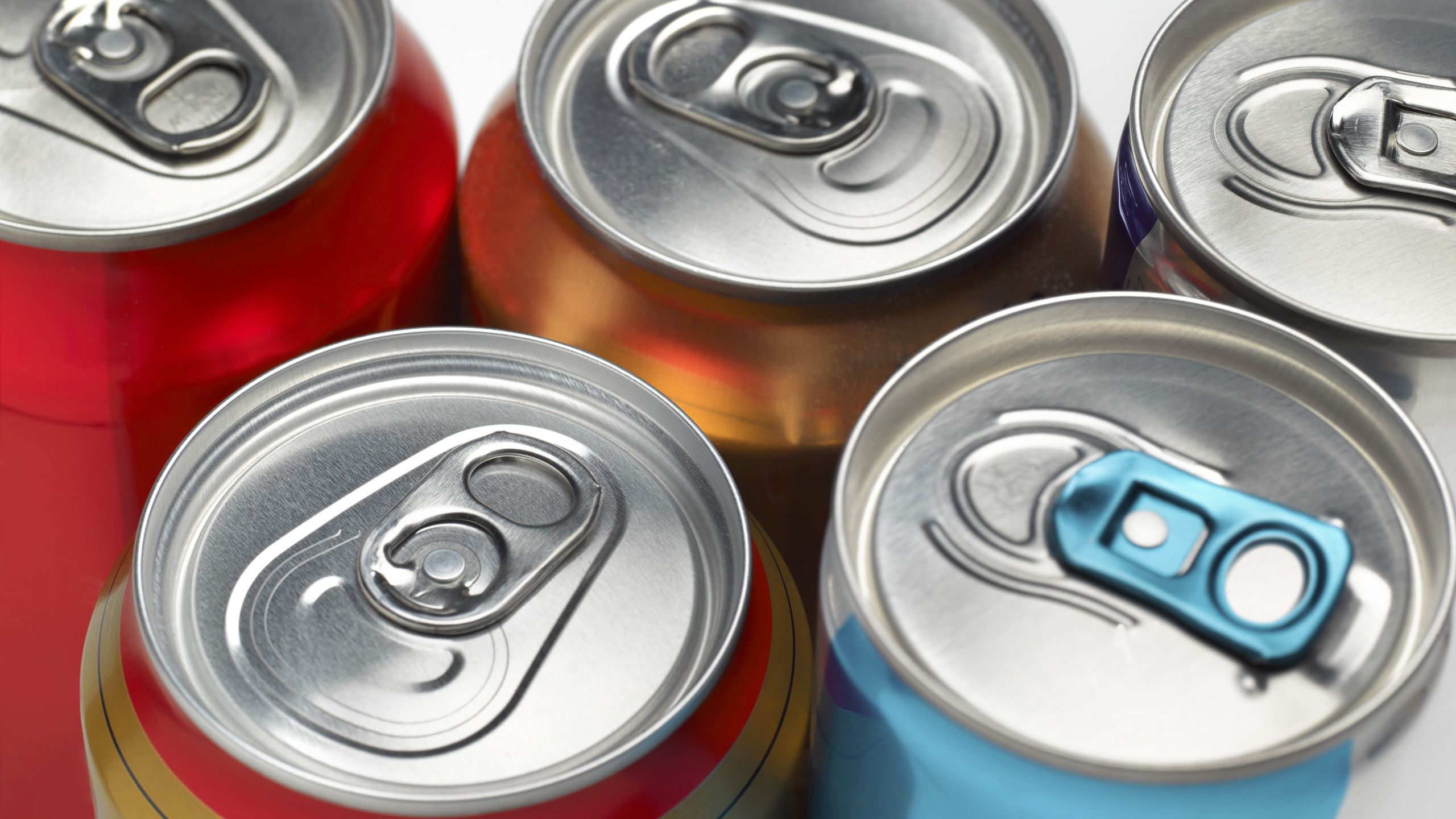
At that point, the doctors asked the patient more questions about his lifestyle and learned that he consumed an average of eight cans of a “high-potency” energy drink each day. Each can contained 160 milligrams of caffeine per 16 fluid ounces, adding up to about 1.2 grams of caffeine a day. (Less than 400 milligrams is considered a safe daily dose of caffeine.)
The patient was advised to stop consuming energy drinks, and his blood pressure quickly fell to normal levels. He was able to stop taking all of his prescribed medications within three weeks of quitting the drinks.
“Further follow-up at 3 and 6 months showed complete resolution of hypertension and a complete recovery from the stroke with full return to work,” his doctors reported. Eight years later, he had had no further strokes, though he still had lingering sensory issues on his left side from the first stroke.
What makes the case unique: Although he was otherwise healthy, the man’s excessive consumption of energy drinks appeared to have driven his high blood pressure and subsequent stroke.
The case report authors noted that the high caffeine levels were likely a big culprit, but they hypothesized that other common ingredients in energy drinks may have contributed to the stroke risk. For instance, when combined with caffeine, taurine and guarana may amplify the stimulant’s blood-pressure-boosting effects and its effects on blood-vessel constriction, they theorized. Taurine, an amino acid, is often added to energy drinks for its purported ability to increase exercise capacity, while guarana is a plant that is similarly perceived to have health benefits and whose seeds contain caffeine.
Additionally, the high sugar content of many energy drinks may further raise the risk by causing inflammation and dysfunction in the lining of blood vessels.
The authors cited a handful of published medical case reports in which the excessive consumption of energy drinks or of individual energy drink ingredients was tied to cardiovascular issues, including dangerously high blood pressure.
They concluded that “both acute and chronic intake” of energy drinks may increase the risk of cardiovascular disease and stroke.
“Healthcare professionals should consider specific questioning related to ED [energy drink] consumption in young patients presenting with stroke or unexplained hypertension,” they concluded. Importantly, the risk seems to be reversible, they added, given that quitting energy drinks appears to resolve the related problems.
For the patient’s part, he said, “I obviously wasn’t aware of the dangers drinking energy drinks were causing to myself. [I] have been left with numbness [in my] left hand side hand and fingers, foot and toes even after 8 years.”
For more intriguing medical cases, check out our Diagnostic Dilemma archives.
This article is for informational purposes only and is not meant to offer medical advice.