



Flu season is off to an early start in some parts of the U.S., data shows.
In a typical year, U.S. flu activity starts building in late fall — typically in October or November — and peaks between December and February. This year, flu activity is currently low but rising nationwide: During the week ending Sept. 26, 3.4% of respiratory samples tested by clinical labs were positive for flu, according to Centers for Disease Control and Prevention (CDC) data.
That’s about seven times the rate that was seen at the same point last year. About 0.5% of samples tested positive during the week ending Sept. 27, 2025.
Latest Videos FromLive Science
“This particular year, it appears to be starting early — like right now,” Dr. William Schaffner, a professor of preventive medicine and infectious diseases at Vanderbilt Health in Tennessee, told Live Science. Patients at clinics in his area are already testing positive for flu, he said.
The early uptick in flu is mostly unfolding in Western states, including Washington, California and Arizona. In Washington, for example, the share of emergency department visits diagnosed as flu climbed from 0.25% in the week ending Aug. 29 to 1.34% in the week ending Oct. 3, according to CDC emergency department data. That’s a more than fivefold increase over six weeks.
Where the flu took off first isn’t a warning sign in itself, Schaffner noted.
“There’s nothing unusual about flu starting in the West Coast and moving east,” he said. Recent seasons have more often begun in the Southeast or Midwest, he noted, but “it can start almost anywhere.”
Get the world’s most fascinating discoveries delivered straight to your inbox.
Leading with H1N1
Nowadays, seasonal flu is caused by three subtypes of flu viruses: two subtypes of influenza A, called H1N1 and H3N2, and the Victoria lineage of influenza B. (A second subtype of influenza B used to circulate but is now thought to be extinct.)
Last season, a fast-spreading version of H3N2 known as subclade K dominated. The CDC classified the 2025-2026 season as highly severe for children, as at least 195 children died of flu-related causes.
Schaffner likens influenza A and B to siblings. “They’re very related, but they each have their own individual characteristics,” he said. Influenza A strains usually cause the biggest outbreaks early in the season, while influenza B strains “kind of smolder along” and account for most cases toward the end, he noted.
This year, H1N1 has taken the initial lead. Of the influenza A samples that public health labs subtyped during the week ending Sept. 26, 96% were identified as H1N1, according to CDC data. That doesn’t mean H1N1 will continue to dominate throughout the season; it just gives a snapshot of what’s happening now.
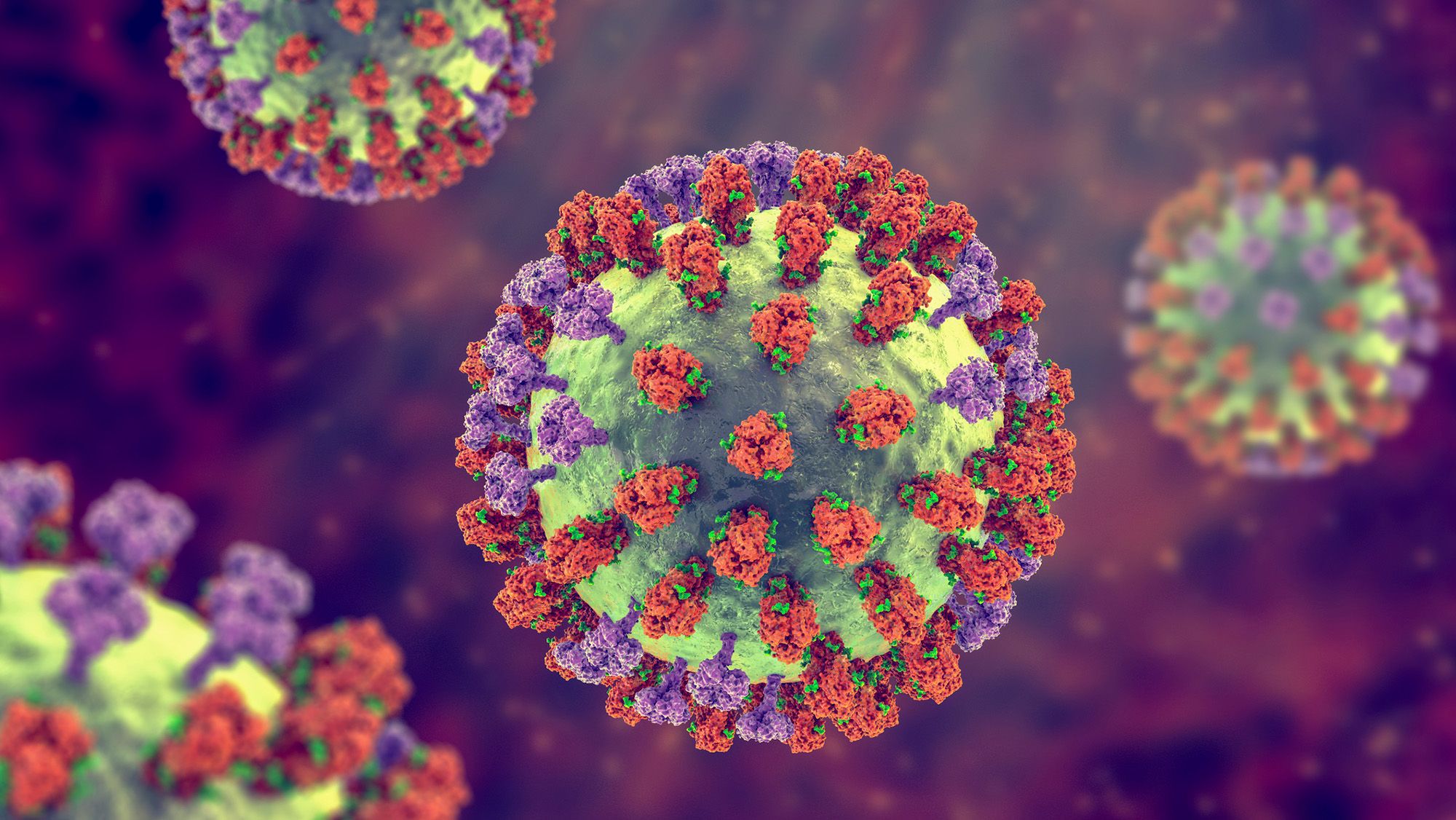
The dominant strain matters because flu is “a moving target,” said Dr. Paul Offit, director of the Vaccine Education Center at Children’s Hospital of Philadelphia. The virus constantly mutates — especially hemagglutinin, the protein on the virus’s surface that it uses to latch onto human cells. Hemagglutinin is the main target of flu vaccines.
An early start to the season doesn’t guarantee it’ll be a severe one, either. In its 2026-2027 season outlook, the CDC projected that this season will likely be moderate, although it has only low-to-moderate confidence in that forecast.
Everyone ages 6 months and older is recommended to get a flu shot, and older adults have several options, including high-dose, adjuvanted and mRNA vaccines.
(Image credit: andreswd via Getty Images)
When to get vaccinated
Everyone 6 months and older is recommended to get an annual flu vaccine.
Influenza is especially dangerous for children under 5, adults 65 and older, people with chronic health conditions and pregnant people, as these groups are more prone to severe infections. Serious cases of flu can lead to complications such as pneumonia, sepsis, and brain or heart inflammation, and in some cases, they can be deadly. Tens of thousands of people die of flu each season in the U.S.
For flu vaccination, timing matters. The CDC generally doesn’t recommend vaccination in July or August for most adults, because the shot’s protection can wane over the course of a season. But with flu arriving early, “October is the ideal time to get vaccinated, and even more so right now,” Schaffner said.
When circulating strains’ features differ from those captured in the vaccine, “that usually predicts a more difficult season,” Offit said. That said, it’s too early to know if this year’s flu shots are a good match for the circulating flu viruses.
Protection begins building right after you get the shot, but it takes up to about two weeks to reach full strength.
How much protection a flu vaccine offers varies by season, depending partly on how well its formulation matches the strains that circulate. Offit said that protection against symptomatic illness varies by age group and that the vaccines are “a little more effective” at preventing more severe illness. In terms of flu cases that prompt people to seek medical care, the shot has been 29% to 56% effective over the past decade, the CDC estimates.
While the vaccines are less reliable at preventing mild cases of flu, Schaffner said, they work best at “keeping you out of the hospital, keeping you out of the intensive care unit, and keeping you out of the cemetery.”
The CDC’s 2026-2027 guidance keeps its recommendation of an annual flu vaccine for everyone 6 months and older, with high-dose and adjuvanted shots preferred for adults 65 and older. (Adjuvanted shots contain an extra ingredient to help rev up the immune system.)
There’s also a new option: In August, the Food and Drug Administration approved mFlusiva, the first mRNA flu vaccine, for adults 50 and older. (You can find out where mFlusiva shots are available near you using Moderna’s vaccine finder.) With the mRNA shot, “you’re less likely to get symptomatic disease,” Offit told Live Science.
Traditional flu shots contain purified pieces of the virus itself, Schaffner explained. With mRNA, the vaccine contains a “blueprint” of those proteins — essentially a set of genetic instructions that the body’s cells then use. In mFlusiva’s case, those instructions code for hemagglutinin (the protein on the virus’s surface that it uses to latch onto human cells) from each of three flu subtypes, Offit said. The mRNA then breaks down in the body, Offit noted. It “cannot influence human genetic material,” Schaffner emphasized.
Whether this early start gives way to a heavy flu season should become clearer in the coming weeks, as the CDC’s weekly surveillance reports will show whether cases keep climbing beyond the West.
This article is for informational purposes only and is not meant to offer medical advice.