:max_bytes(150000):strip_icc():focal(749x0:751x2)/Ex-Ballerina-Luana-Lopes-Lara-Becomes-Worlds-Youngest-Self-Made-Female-Billionaire-at-29-120525-eafb01133ba64860b4298f2a484dd616.jpg)
NEED TO KNOW
- Luana Lopes Lara co-founded Kalshi, a prediction-market company now valued at $11 billion, boosting her net worth to $1.3 billion
- The former ballerina studied at the Massachusetts Institute of Technology and overcame regulatory hurdles to launch Kalshi as a legal financial exchange
- Kalshi’s trading volume has surged 1000% in a year, partnering with Robinhood, Google Finance, and the NHL
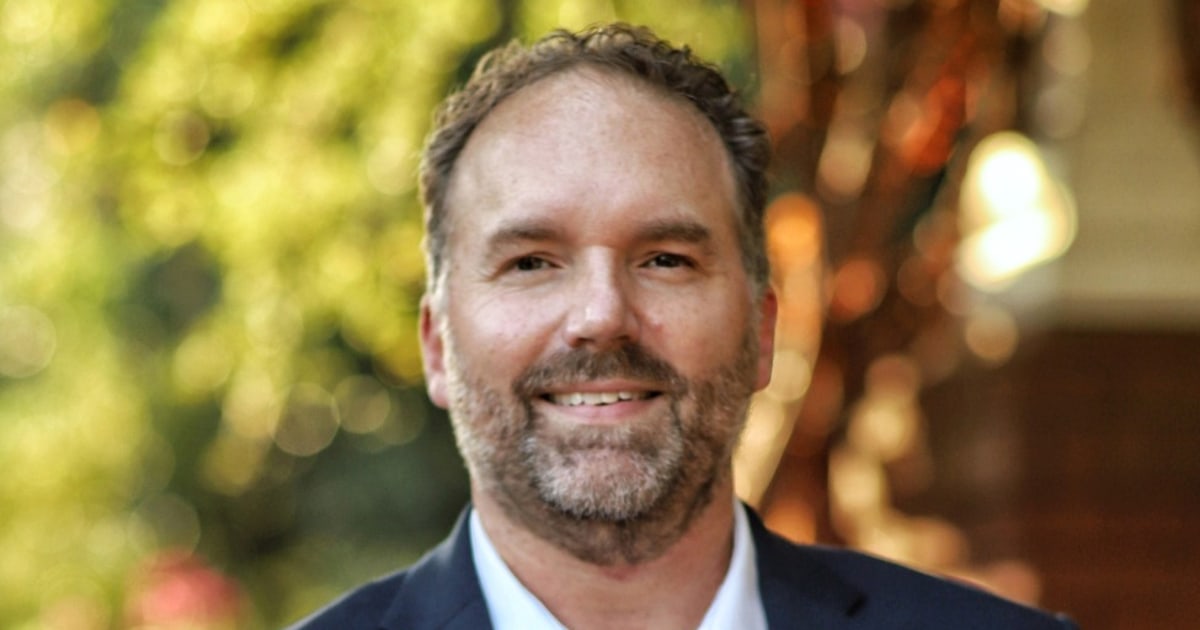
Luana Lopes Lara — a 29-year-old former ballerina turned tech founder — has unseated Taylor Swift and Lucy Guo to become the world’s youngest self-made female billionaire.
The Brazilian-born entrepreneur claimed the title after her prediction-market company, Kalshi, secured a new $1 billion investment round at an $11 billion valuation, boosting her estimated net worth to $1.3 billion, according to Forbes.
That pushes her past Scale AI cofounder Guo, 31, who briefly held the title after overtaking Swift earlier this year. Swift, 35, reached billionaire status on the strength of her 2023 Eras Tour.
Kylie Jenner was previously named the world’s youngest self-made billionaire by Forbes in 2019 before the magazine walked back that valuation in 2020, claiming the Kylie Cosmetics mogul had been allegedly inflating the success of their beauty business over the years. The Kardashians star denied the allegations. (That June, Jenner was named the year’s highest-paid celebrity.)
For Lopes Lara, the milestone marks the latest turn in a career that began far from Silicon Valley.
She spent her teens studying ballet at the Bolshoi Theater School in Brazil, a grueling training ground where discipline was enforced with a ferocity most adults never encounter, according to Forbes.
Teachers would hold “lit cigarettes under her thigh while she extended one leg to her ear,” she told the outlet, and competition among dancers could be cutthroat, with students sometimes hiding glass shards in each other’s shoes. Her days stretched from academic classes in the morning to ballet training into the night. It was the “most intense years of her life,” she added.
But Lopes Lara’s dreams were beyond ballet.
Inspired by her math-teacher mother and electrical-engineer father, she chased academic competitions after hours, winning gold at the Brazilian Astronomy Olympiad and bronze at the Santa Catarina Mathematics Olympiad, according to the report. After graduating and performing professionally in Austria for nine months, she traded the stage for Cambridge and enrolled at Massachusetts Institute of Technology to pursue computer science.
Never miss a story — sign up for PEOPLE’s free daily newsletter to stay up-to-date on the best of what PEOPLE has to offer, from celebrity news to compelling human interest stories.
There, she met fellow student Tarek Mansour, her eventual cofounder and now fellow billionaire (also 29), Forbes reported. The two shared classes, internships and eventually in 2018, a startup idea during multiple late-night walks home from their internships at Five Rings Capital in New York, where they noticed how many financial decisions hinged on predicting future events without a direct way to trade on those outcomes.
Kalshi was born from that insight. The company allows users to buy and sell contracts tied to the probability of future events — elections, sports, pop-culture outcomes and more.
Launched in 2019, the company’s early years were defined by regulatory roadblocks. The founders reached out to more than 40 law firms for help and were repeatedly turned away. “Right out of college, we were taking on an insane amount of risk. It was two years without a single product — nothing launched — and if we didn’t get regulated, the company would just go to zero,” Lopes Lara told Forbes.
Eventually, former CFTC official Jeff Bandman helped them secure approval to operate as a designated contract market, which the agency granted in November 2020.
Another showdown came ahead of the 2024 presidential election, when regulators rejected Kalshi’s request to offer election-based contracts, Forbes notes.
It was Lopes Lara who suggested suing the CFTC — an idea investors opposed. A federal judge ultimately sided with Kalshi in September 2024, allowing the first legal election contracts in the U.S. in more than a century, according to Forbes.
“Doing it legally was something we couldn’t compromise on,” Lopes Lara told the outlet, adding that their vision had always been “to build the biggest financial exchange in the world.”
The win fueled explosive growth. Kalshi says trading volume has increased 1000% since last year, surpassing $1 billion weekly and drawing major partnerships with brokerages like Robinhood and Webull, as well as companies including Google Finance and the National Hockey League.