Refresh
“Viruses don’t care about politics”
(Image credit: FABRICE COFFRINI/POOL/AFP via Getty Images)
Both Argentina and the U.S. recently withdrew from the World Health Organization (WHO). In the face of this outbreak, “I think they will reconsider their positions,” said Tedros Adhanom Ghebreyesus, the WHO’s director-general. “Viruses don’t care about our politics; they don’t care about our borders, and they don’t care about all the excuses that we may have.”
When asked whether U.S. health authorities are participating in the ongoing investigation, several WHO representatives confirmed that the U.S. Centers for Disease Control and Prevention is providing helpful technical support and expertise and communicating with WHO leaders daily.


Nicoletta Lanese
World Health Organization says risk to the public is “low”
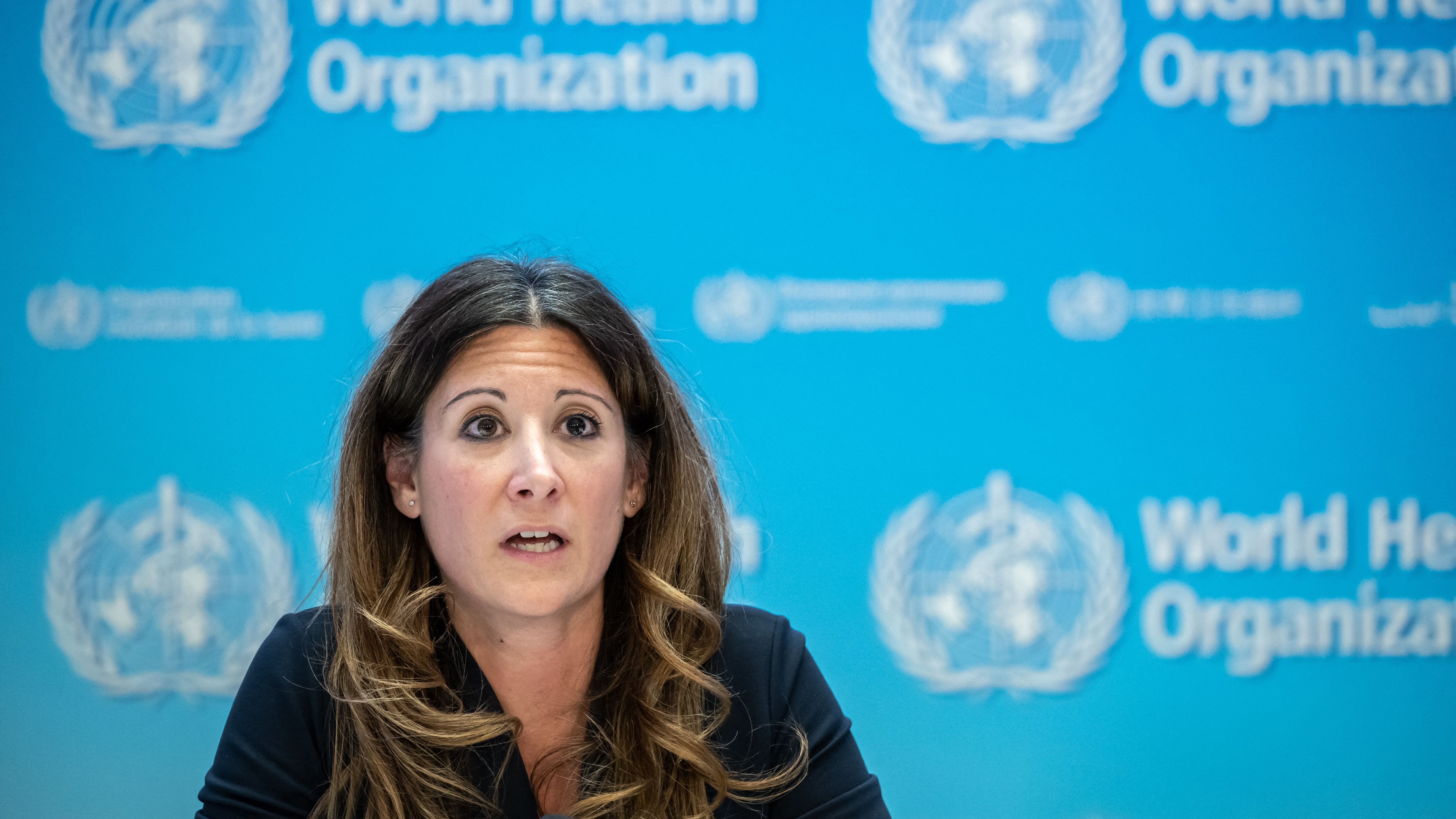

Maria Van Kerkhove at a WHO news conference.
(Image credit: Fabrice Coffrini/AFP via Getty Images)
The World Health Organization (WHO) just held a news conference to discuss the hantavirus cases.
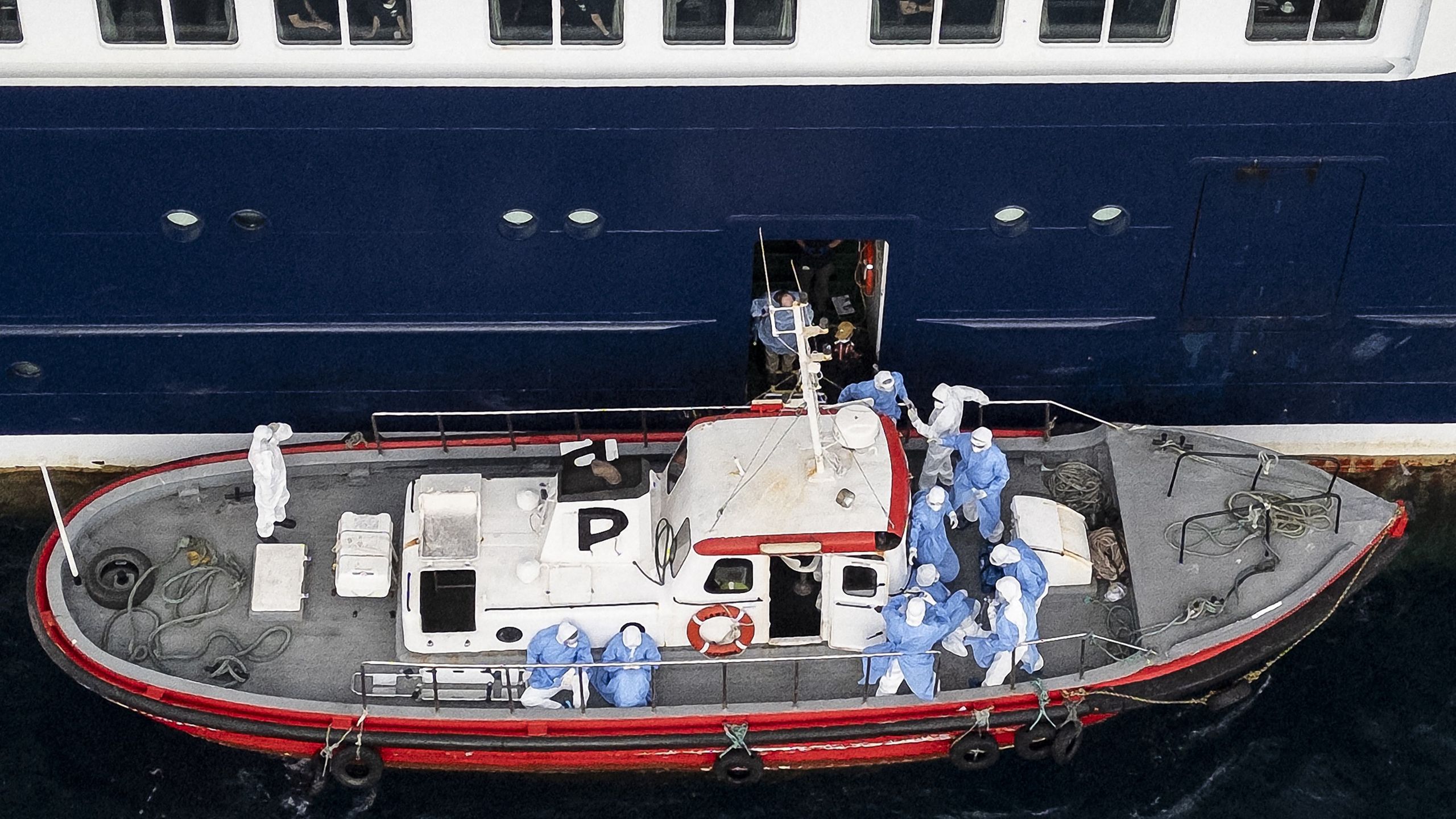
The WHO has been working with collaborating centers to identify the type of the virus behind the outbreak, as well as investigate suspected and confirmed cases and perform contact tracing. The agency has also been quick to quash fears that the outbreak could spark a global pandemic.
“This is not SARS-CoV-2 [the virus that causes COVID-19]. This is not the start of a COVID pandemic. This is an outbreak that we see on a ship,” Maria Van Kerkhove, the WHO’s interim director of epidemic and pandemic preparedness and prevention, said at the news conference.
“This is not the same situation we were in six years ago,” she continued. “It [the Andes virus] doesn’t spread the same way like coronaviruses do. It’s very different. It’s that close, intimate contact that we’ve seen, and most hantaviruses don’t transmit between people at all.”
“The Andes virus, which has been identified here, we’ve seen some human-to-human transmission,” she added. “I want to reiterate [that] the actions that are being taken on board are precautionary to prevent any onward spread, and so there’s a lot that is being done right now to be able to try to minimize the risk even further.”
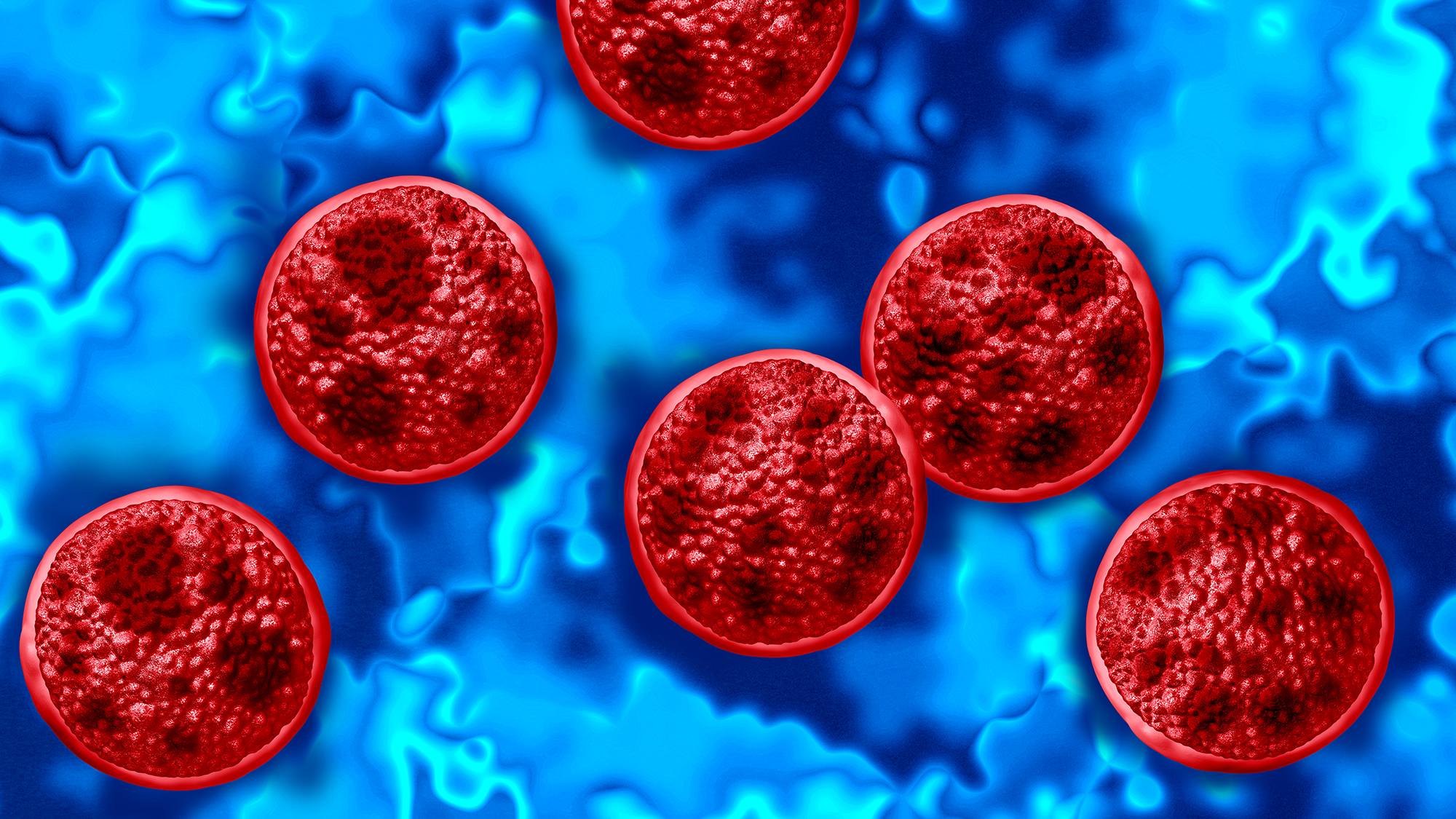
What is hantavirus, and how risky is this outbreak?
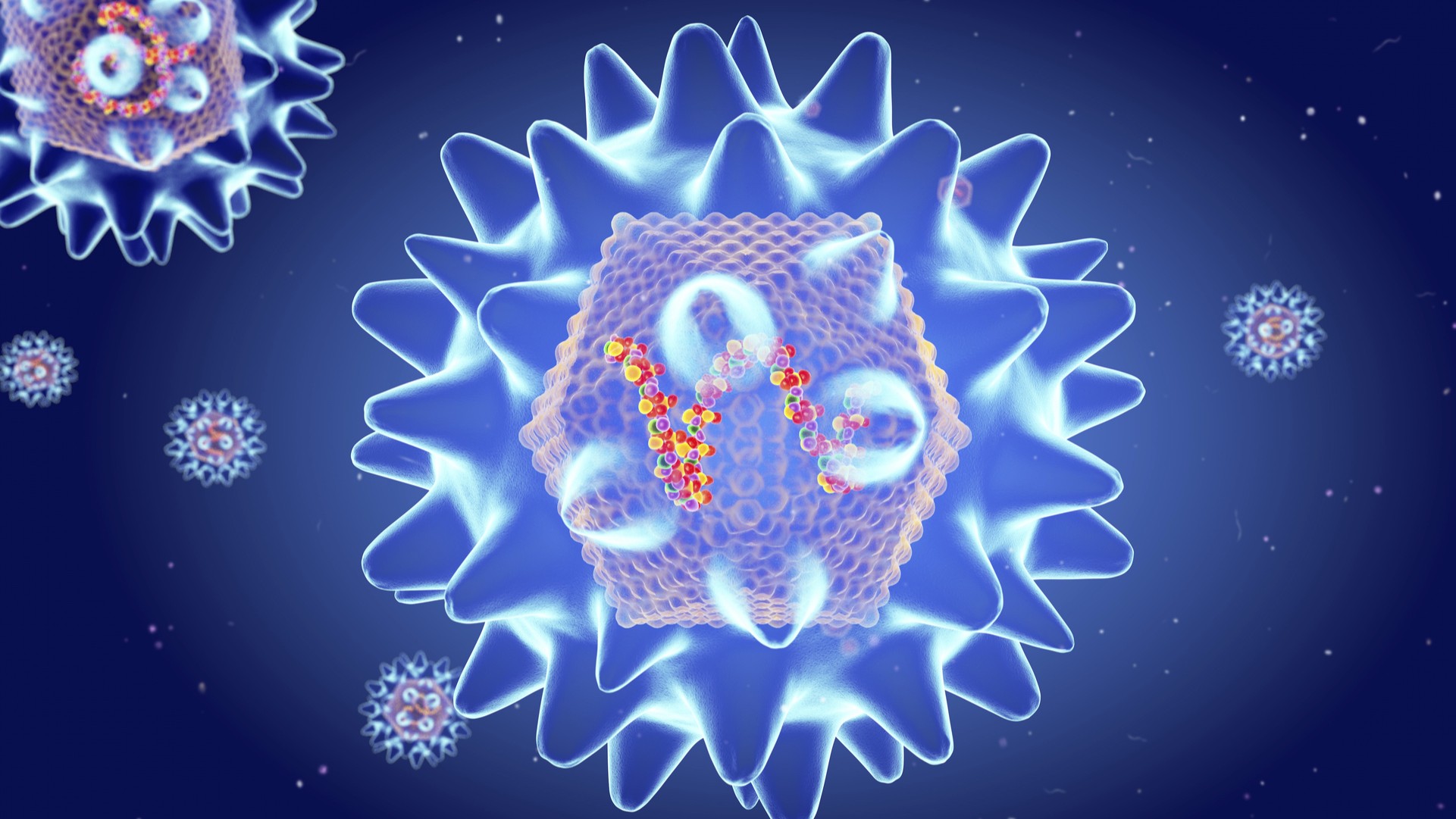

(Image credit: ROGER HARRIS/SCIENCE PHOTO LIBRARY via Getty Images)
Hantaviruses are a family of viruses carried by rodents. Hantavirus infections in humans are relatively uncommon, but when they do occur, they can be dangerous, with fatality rates ranging between 1% up to 50% depending on the type of virus at hand. No specific treatment exists to cure infections, but prompt medical care can improve patients’ chances of survival.
While most hantaviruses cannot pass between people, one specific type, known as the Andes virus, can. The Andes virus is the type of hantavirus that laboratory tests point to being behind this cluster. Health authorities are now working to analyze the virus’s DNA in order to compare its sequence to that of Andes viruses involved in past outbreaks.
The World Health Organization and the U.S. Centers for Disease Control and Prevention have both said that the risk posed to the public from this cluster remains low, although they continue to monitor the situation.
For more on the Andes virus, you can read health editor Nicoletta’s story here. And for more background information on hantaviruses, broadly, you can read this story.


Ben Turner