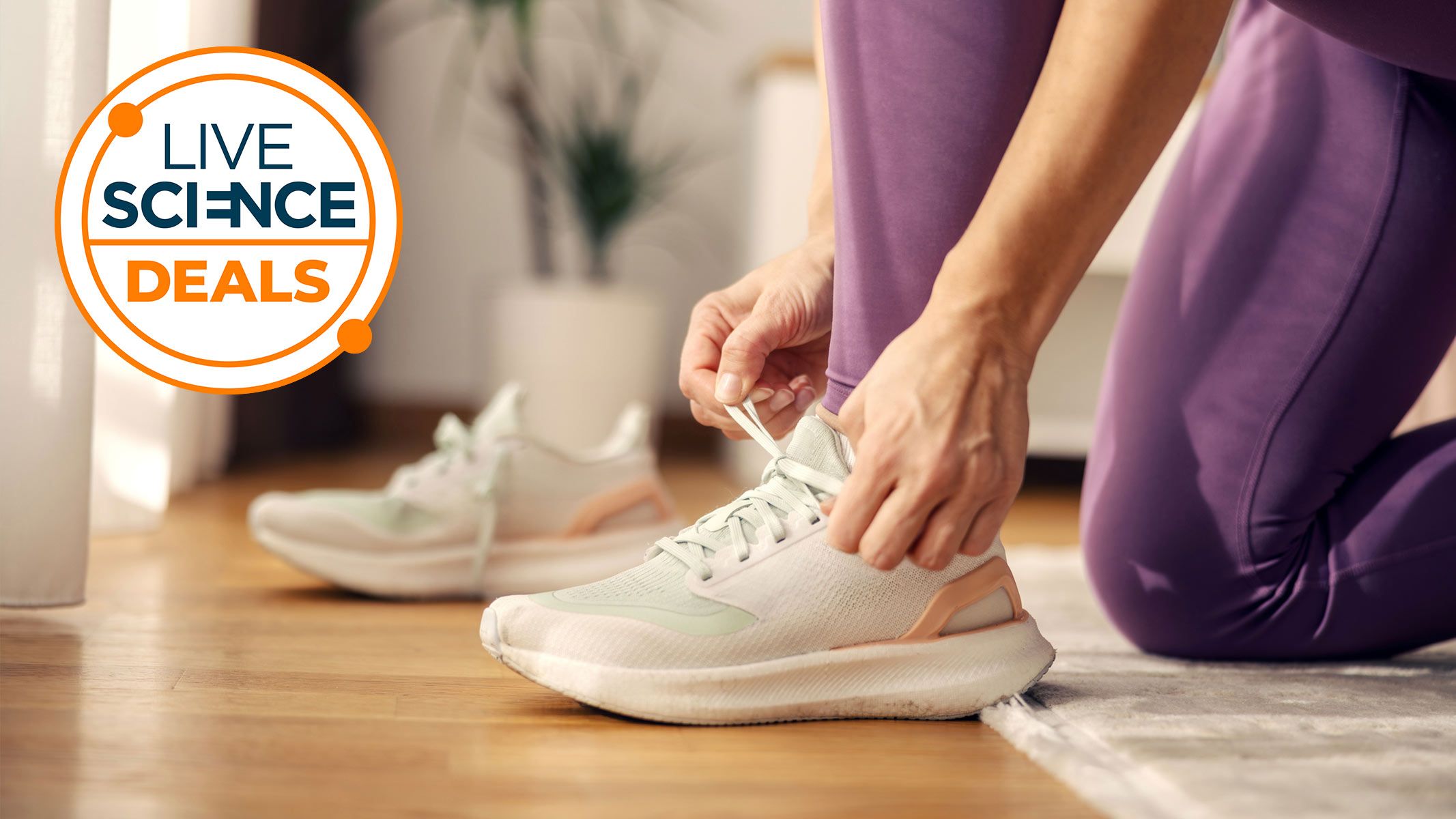






Running is a very simple sport — at least, so the theory goes. Yet the world of running kit has become increasingly complex and increasingly expensive in the last few years.
Shoes have reached new pricing peaks (a $500 racing shoe you can only wear once, anyone?) and gadgets have gone wild, with devices measuring everything from skin temperature to your carbohydrate usage. For beginner runners, it’s a bewildering array of choices and products that all claim to be the one thing that will really improve your running.
Take it all with a hefty pinch of salt, because there really are only a few running “must haves” — and even these don’t need to be expensive. The rest fall mainly under the umbrella of “nice to have, but hardly essential.”
After all, the most important way to improve your running is simply to run more — though when it comes to kit, from the best Garmin watches for tracking your progress to the top treadmills for home training, we can certainly help navigate those choices.
Good running shoes
Firstly, and most importantly, when we say good running shoes, we mean good for you. We are all individuals, with our own unique style of running, called our “gait.” So the best running shoes for you are the kind that best support your body’s individual mechanics.
Unfortunately, that does sometimes mean that, while you love the look of a particular pair or brand, you might find they just happen to torture your toes. It’s best to get to a specialised running shop and have your gait analysed by an expert who can recommend the type of shoes you need. Once you know that, you can shop around a bit online, too.
Most people fall into one of three categories: they may overpronate (meaning the foot turns inwards when it strikes the ground), underpronate (meaning it turns outwards), or run in a “neutral” way. A good shoe choice will counteract any exaggerated movement, helping to prevent injuries.
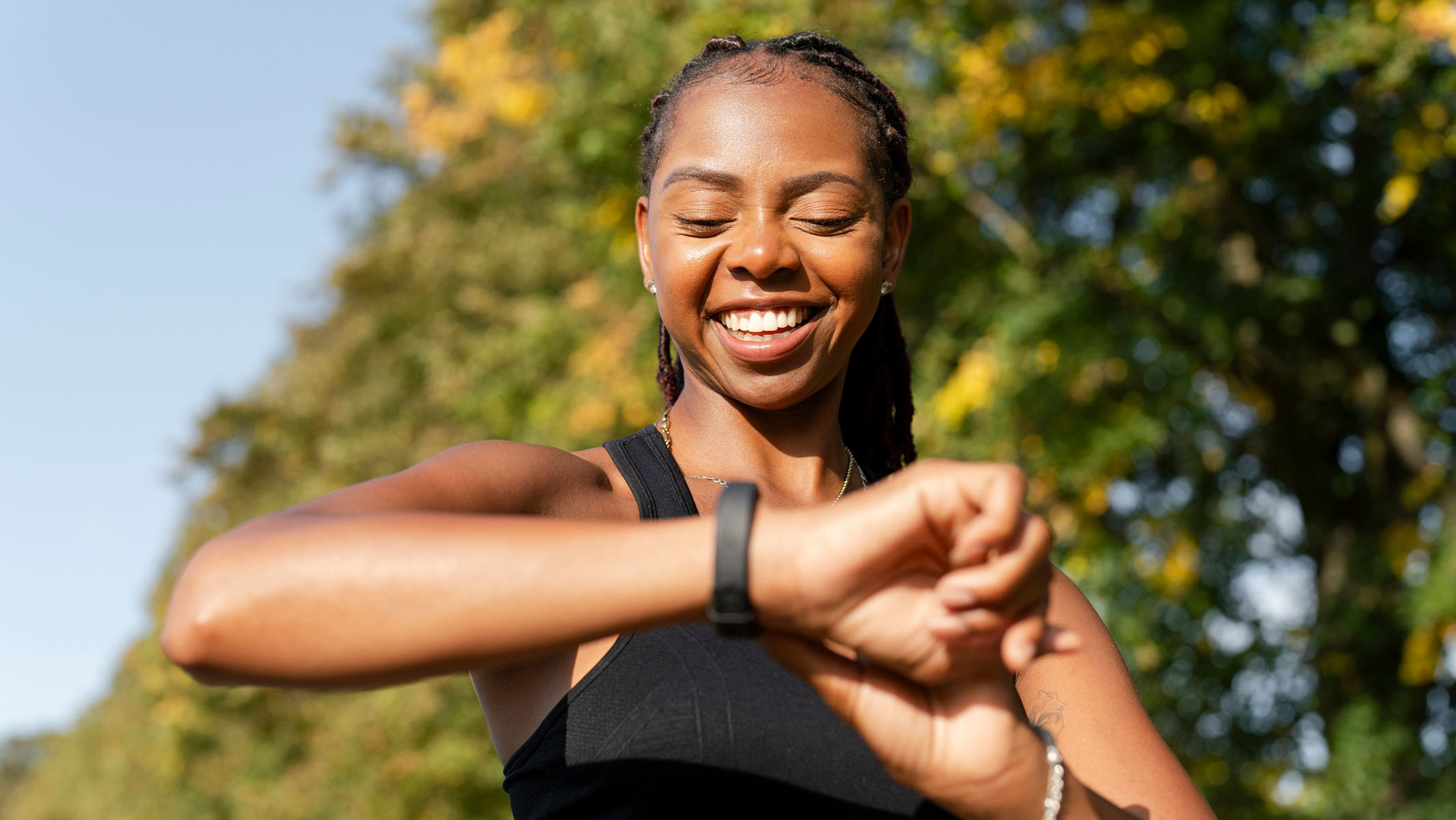

A good running watch
I know a few exceptionally good runners who only use an old-school digital Casio. So there’s definitely no obligation for runners to go high tech if all you care about is keeping an eye on the time and how long you’ve been running for.
However, many people do like to track their runs, and for beginners it can be really motivating to see progress, either in times getting quicker or distances getting longer. And, of course, you might want to share with friends or fellow runners on social media — and for that, you do need something a bit more advanced.
But even the cheaper running-focused smart watches now offer complex metrics, many of which you will probably never look at (how many people really need to know about their ground contact time?).
Here are a few suggestions, but you can also work out your budget, then check out our full guide to the best running watches to find what would work best for you.
Good running socks
Socks are similar to shoes in that if you suffer from tender toes or are prone to blisters, then ones that work for you will be worth every penny.
Just because someone you know can buy those super cheap multipacks online doesn’t mean you can get away with it. I certainly can’t. But whether you prefer a thick or double layer of padding, or a thin-but-reinforced sock, is entirely down to personal preference.
It can also be dependent on weather conditions. Thicker socks might be suitable for icy weather, whereas in the heat, you might want a thinner sock.


Cold weather running gear
January — right in the depths of winter — is a popular time to either start running or pick up a lapsed running habit. But if there’s one thing that will send you scurrying back indoors, it’s the wrong gear. Frozen fingers or icy ears aren’t just an annoyance — they can sap your motivation and lead you to give up.
You could, of course, go wild with any number of items of running apparel, from expensive jackets to buffs to polar fleece-lined ear warmers. But the most important thing is simply to make sure that you are well enough dressed for winter running to keep you motivated — and warm.
Always bear in mind that you will warm up during your run, so don’t overdo it. From long experience, I’d say it’s often the accessories that make the big difference, so here are a few products that are worth every penny.
A good night’s sleep


OK, you can’t — alas! — purchase a guaranteed night’s shut-eye. But if there’s one thing that will improve your running and your recovery, it’s getting enough good quality sleep. So anything that helps is, in my view, worth your money.
If you suffer from noisy neighbors or just have the ears of a bat and wake at the slightest sound, you might want to try sleep headphones. Most of us, after all, wouldn’t put a price on a good night’s rest.
For more sleep headphones, see our guide — and for more recovery aids for those tired and aching muscles, check out our guides to the best foam rollers and the best massage guns.
The non-essentials
Why you can trust Live Science
Our expert reviewers spend hours testing and comparing products and services so you can choose the best ones for you. Find out more about how we test.
Expensive supplements
Probably the best supplement you can spend your money on is vitamin D. Around a billion — yes, a billion — people in the world are vitamin D deficient, and governments around the world urge us to supplement it, particularly in climates where the dark winters are long and you spend a lot of time indoors. But many people don’t. Vitamin D deficiency can leave you feeling exhausted and lethargic, so it’s a no-brainer, really.
What you probably don’t need are super high-end supplements with unproven ingredients that offer vague but untested benefits. If you have a deficiency, then you should absolutely address it (vegans, for example, are more likely to have a B12 deficiency as it’s mainly found in meat and dairy products). Anything else is probably an optional extra.
You also don’t need protein powder after every run, whatever the ads might say. Being actually protein-deficient is almost vanishingly rare, so as long as you eat a decen,t balanced diet, and can eat relatively soon after your run, save yourself some money.
Gels and drinks — and a vest to carry it all in
As a very rough rule of thumb, you don’t need gels until you are running for 60-90 minutes or more. Before then, your body has enough glycogen stored to provide you with the carbs you need. So if you are just starting out on your running journey, it really is something you don’t need to think about.
In winter, you probably don’t need to worry too much about dehydration, either. Beginner runners are unlikely to be doing distances that require any water to be carried with them, at least to start with.
Of course, everyone is different, but generally speaking, if you are running a few miles, then it’s far more important to be hydrated beforehand. Don’t drink huge amounts of water just before you run, though — just top up throughout the day. No one likes running with a stomach full of sloshing liquid.
When it comes to vests, they are actually really useful, even for short runs, if you need to carry a phone, keys and more. But you definitely don’t need one to carry gels and sports drinks if you are only running shorter distances.
Expensive race shoes
Since Nike first introduced the carbon plate to the world of racing shoes, they have exploded on the scene. Do they give an advantage? The science — and a lot of world records — suggests yes, but potentially at a cost.
That might be financial (they are expensive) or it might be physical (some carbon-plated shoes are simply not suitable for certain types of running gait, even if they are “the fastest”).
So if you can afford them and have a big race goal, by all means, go for the best type for you. But — barring a decent amount of test running in them to check they won’t cause issues — save them for race days.
High tech gadgets
From lactate monitors to devices for measuring skin temperature, there’s a wide array of tech now available for runners. And many of these gadgets are marketed or hyped on social media, with the line that they are used by the fastest runners or the top Olympians.
Which may well be true, but ask yourself — are you actually an Olympian? Do you need the most minuscule of marginal gains that such monitoring might give you? Is running your full-time job? If the answer is no, then you can probably save some money. They might make for a fun luxury present, but they most certainly aren’t essential.