Today’s top story
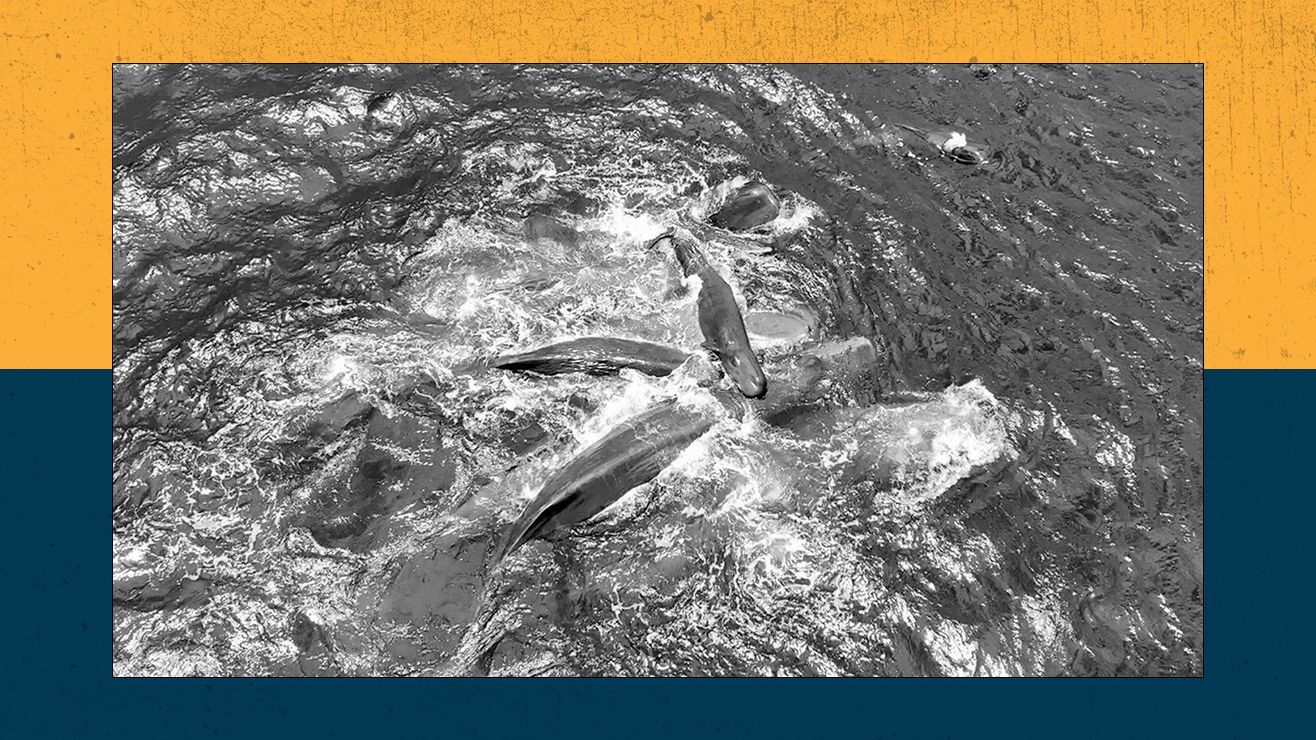
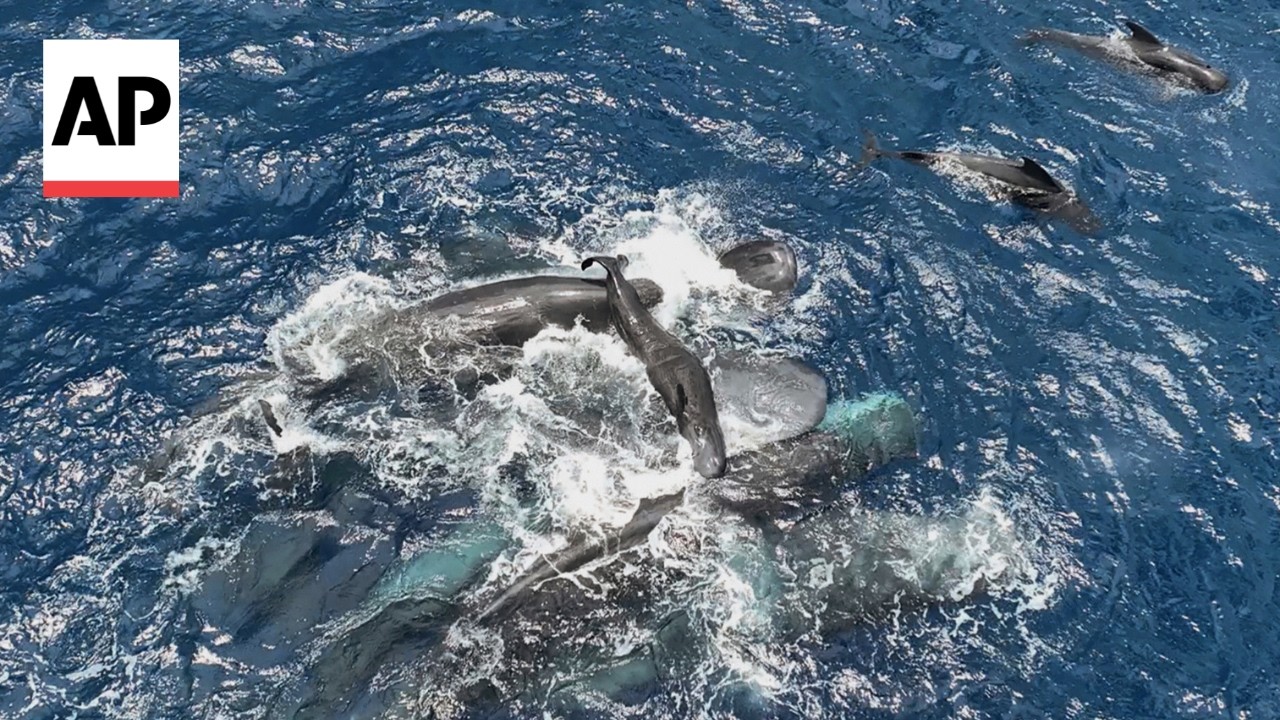
Researchers have filmed a sperm whale giving birth while being assisted by 10 other females in her social unit. It’s the first time an event of this kind has ever been seen in non-primates.
The birth, captured by airborne drones in July 2023, took place over the course of an hour, during which time females surrounded the mother and newborn in a protective circle, taking turns to raise the calf to the surface — giving it time for its flukes to unfurl and acquire its own natural buoyancy control.
Sperm whale social groups are matriarchies, with life-long bonds formed between mothers, daughters, grandmothers and unrelated females. The males, meanwhile, primarily roam the oceans alone, creating one of the most extreme geographical separations between the sexes in nature.

The trend


It’s been a busy time for NASA, with the announcement that the agency plans to build a permanent lunar base and construct a nuclear-powered rocket. The plans were revealed just a week before the planned launch of its crewed Artemis II rocket to the moon.
The Artemis program has been touted as a test for critical systems before an eventual attempt to send humans to Mars, but it’s also testing something else — the human body.
NASA will rely heavily on astronauts not just as explorers but as experimental subjects, carefully monitoring how radiation, isolation and microgravity affect them both physically and mentally as they venture deeper into space.
Three to read
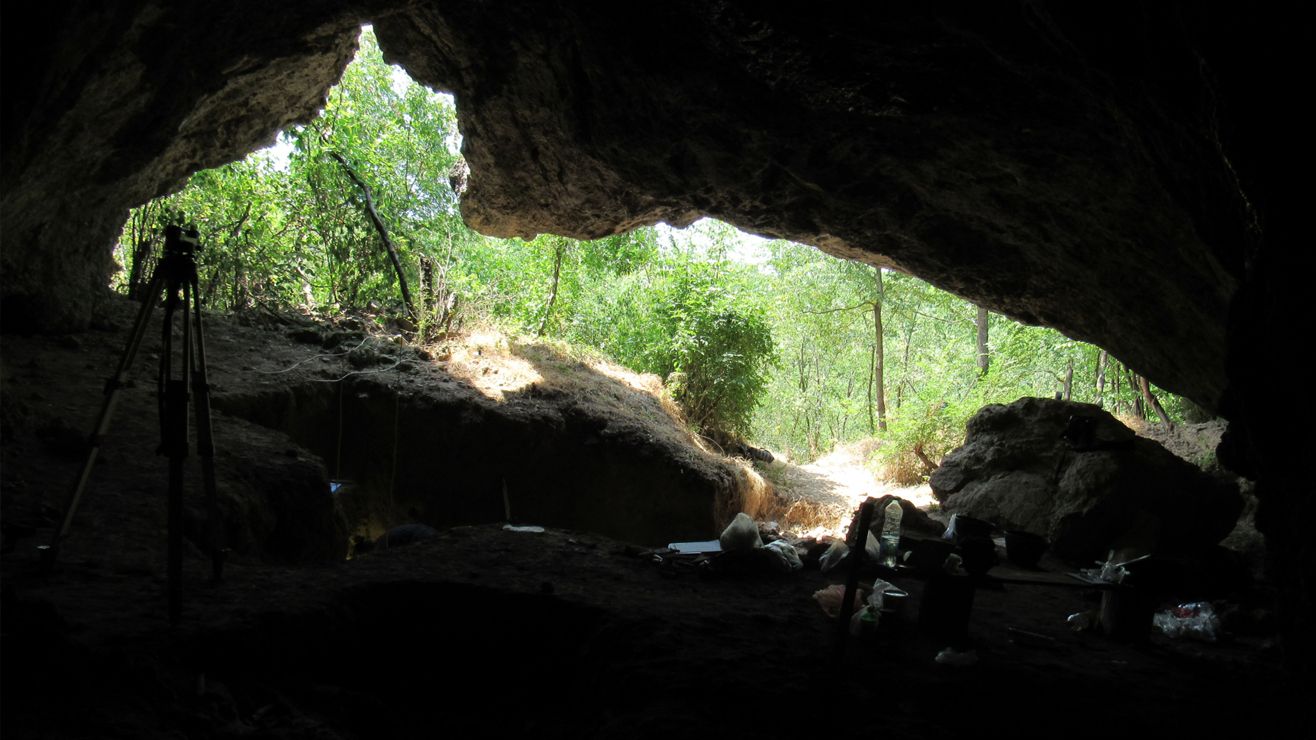
- ‘Major disruption in Neanderthal history’: 65,000 years ago, all Neanderthals in Europe died out except for one lineage [Live Science]
- Anduril wants to own the future of war tech. Mishaps, delays, and challenges abound [Wired]
- Brain aging results from a loss of control over how genes are regulated, mouse study suggests [Live Science]
Photo of the day


NASA’s Artemis II rocket stands poised at Launch Pad 39B at NASA’s Kennedy Space Center in Florida. The 322-foot-tall (98 meters) Space Launch System and Orion crew capsule stack is ready to launch the mission’s four-astronaut crew on a 10-day flight around the moon and back as soon as April 1.
Say it, said it
Word of the day
Masripithecus — Arabic and Greek, with “Masri” meaning “Egyptian” and “pithecus” meaning “monkey” or “trickster.” It is the genus name of a newly identified, 18-million-year-old fossil believed to be the common ancestor of all living apes.
Quote of the day
“From the moment a sperm begins its journey to the moment an embryo starts to develop, gravity appears to play a role we are only starting to uncover. Gravity is not just a backdrop to life, it is deeply embedded in the biological processes that create it.”
Fun and games
The discovery of an ancient ape common ancestor in Egypt could rewrite our prehistory. But what do you know about our human relatives? Take the quiz.
Follow Live Science on social media
Want more science news? Follow our Live Science WhatsApp Channel for the latest discoveries as they happen. It’s the best way to get our expert reporting on the go, but if you don’t use WhatsApp we’re also on Facebook, X (formerly Twitter), Flipboard, Instagram, TikTok, YouTube, Bluesky and LinkedIn.