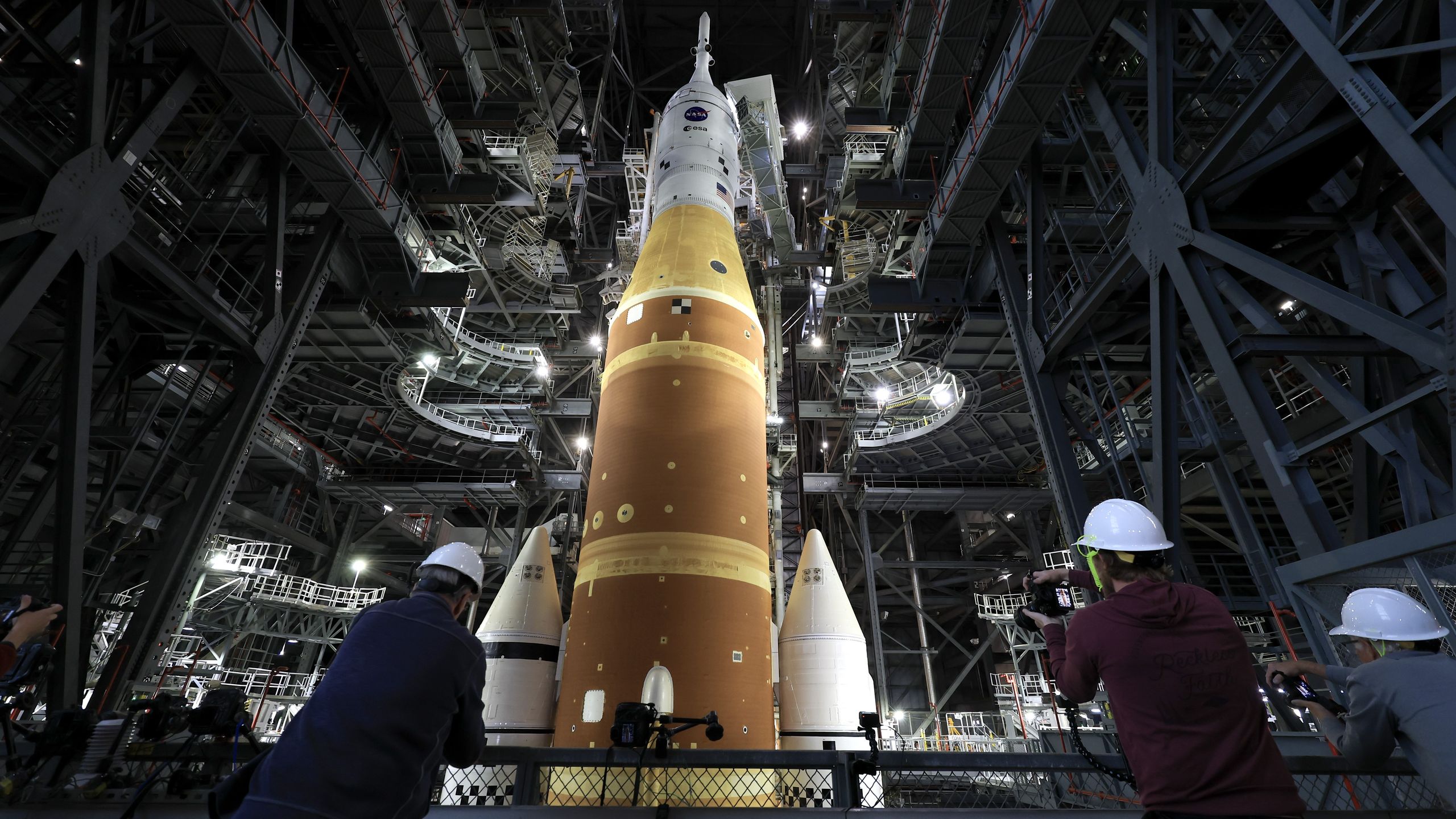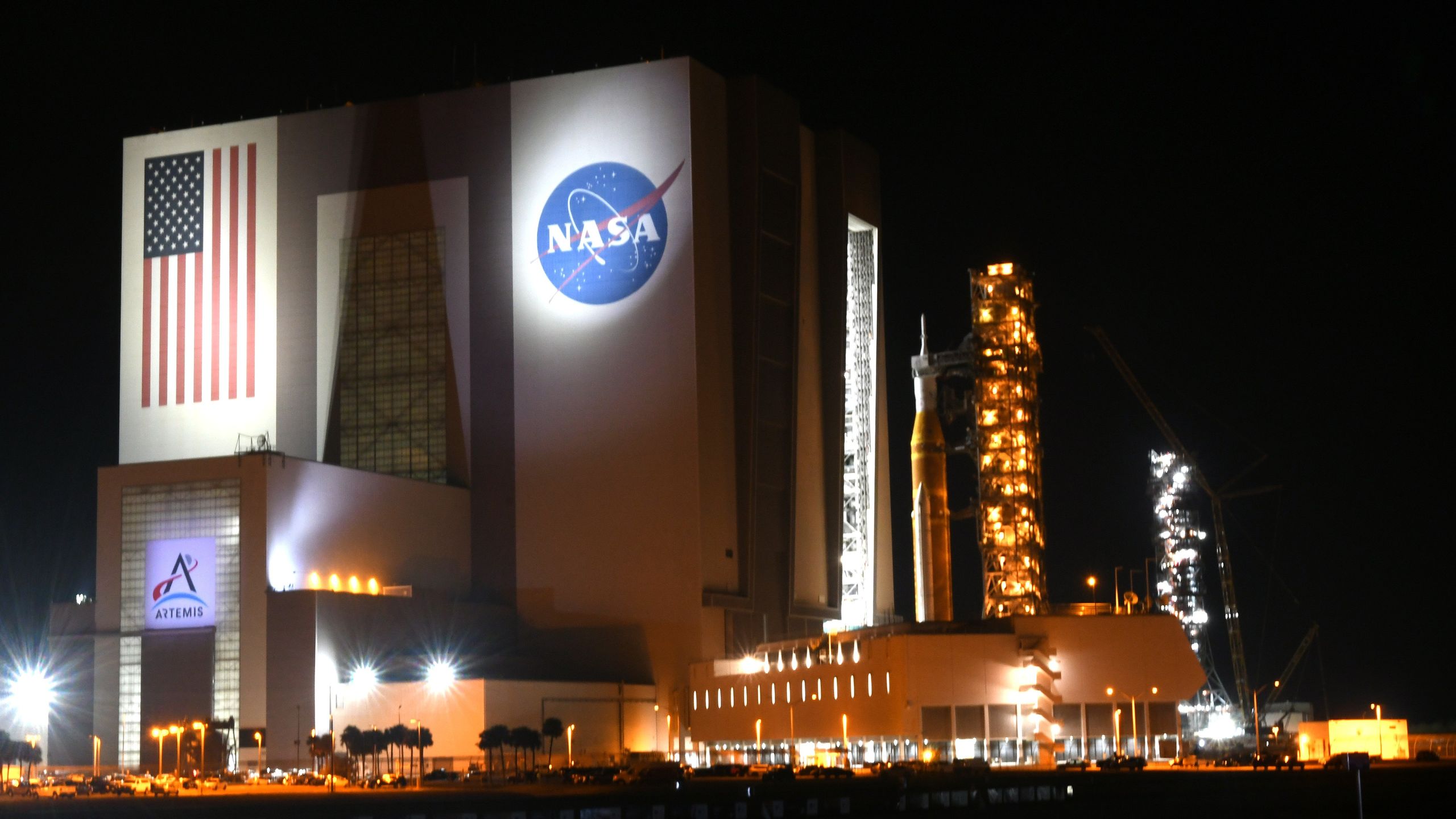
NASA has announced a sweeping overhaul to its Artemis program, saying that the agency’s plan to return astronauts to the moon by 2028 would not be achievable without an additional flight in 2027.
The new plan, outlined by NASA Administrator Jared Isaacman at a Friday (Feb. 27) news conference, includes yearly crewed launches to the moon and the scrapping of the Boeing-developed Exploration Upper Stage.
This issue; plus a string of hydrogen leaks to this rocket and its predecessor; and other considerations about the readiness of core mission technologies, have all contributed to NASA’s changed plan. According to Isaacman, the adjustment will rebuild NASA’s civil servant workforce and restore core capabilities before a moon landing is attempted.
“Right now our program is essentially set up with Apollo 8 then going right to the moon,” Isaacman said at the news conference. “That is not a pathway to success.”
What’s changing?
NASA announced several major changes to the timeline of the Artemis mission, most notably adding a new step between the upcoming Artemis II mission, which will send astronauts on a round-trip around the moon, and a future mission to land humans on the lunar surface for the first time in more than 50 years.
Originally, NASA planned to land a team of astronauts on the moon during the next phase of the Artemis mission, dubbed Artemis III. The crewed lunar landing was initially scheduled for 2026, but has faced numerous delays, recently being pushed back to 2028 at the earliest.
NASA still hopes to land humans on the moon in 2028, officials said at the briefing, but that mission will now be called Artemis IV. In the meantime, the newly retooled Artemis III mission will instead test the Orion crew capsule’s ability to dock with a lunar lander in orbit.
Looking to launch in mid-2027, the new Artemis III mission would launch a crew into low-Earth orbit aboard NASA’s SLS rocket, then dock the Orion capsule with a lander manufactured by either SpaceX or Blue Origin, two private partners working with NASA.
Adding this additional step to the Artemis campaign puts it more in line with the progression of the Apollo missions — the ten-day Apollo 9 mission tested a docking between the team’s command module and lunar lander in low-Earth orbit — before the Apollo 11 mission ultimately landed humans on the moon.
Why is NASA doing this?
This extra step will significantly reduce the risks of a lunar landing, according to Ars Technica, allowing the NASA team to test the handling of the lunar lander, the process of rendezvous and docking the two spacecraft, communications, spacesuit performance and more.
Despite the extra steps, NASA hopes to keep up a brisk pace that will still put American astronauts back on the moon before any other space-faring nations (particularly China) have the chance to.
“If you want a history tidbit, look at the time when Apollo 7 splashed down to when Apollo 8 launched, you’re approximately two months apart. We need to start going back to basics and moving in this direction,” Isaacman said. “We’re going to endeavour to get our launches within a year. Specifically, down to potentially ten months.”
Following the Artemis IV return to the moon, NASA intends to continue annual lunar rocket launches into the foreseeable future, Isaacman added.