




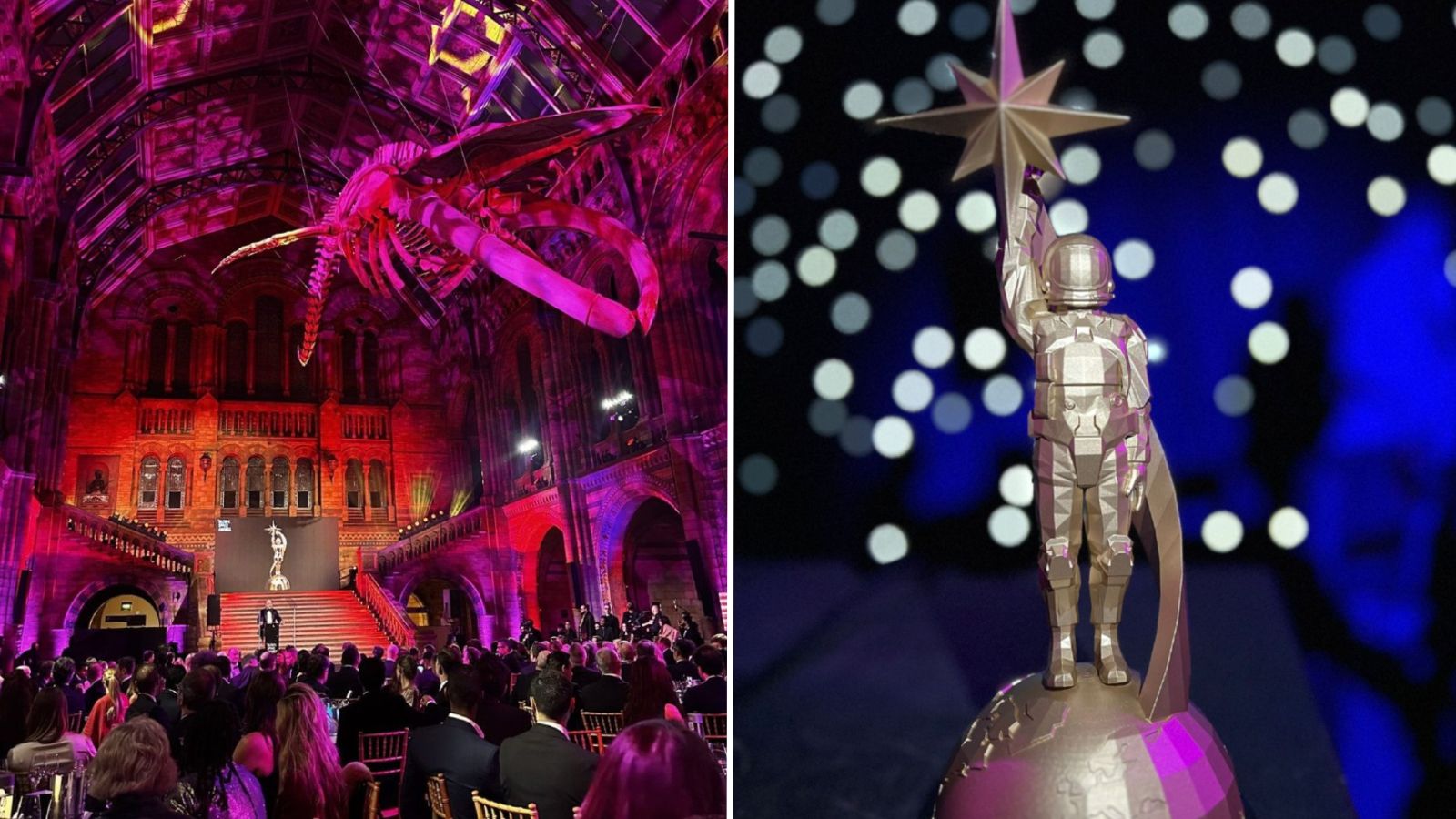
Some of the biggest names in the space industry recently came together to celebrate the best and brightest people in the field at the inaugural Global Space Awards. The lavish event, which also championed the life and legacy of the late NASA astronaut James Lovell, placed particular emphasis on the importance of innovation and sustainability in the future of space exploration.
On Dec. 5, dozens of researchers, science communicators, celebrities and industry experts met at the Natural History Museum in London to wine, dine and strut the red carpet, all under the illuminated skeleton of a giant blue whale (Balaenoptera musculus) and the watchful gaze of a statue of Charles Darwin.
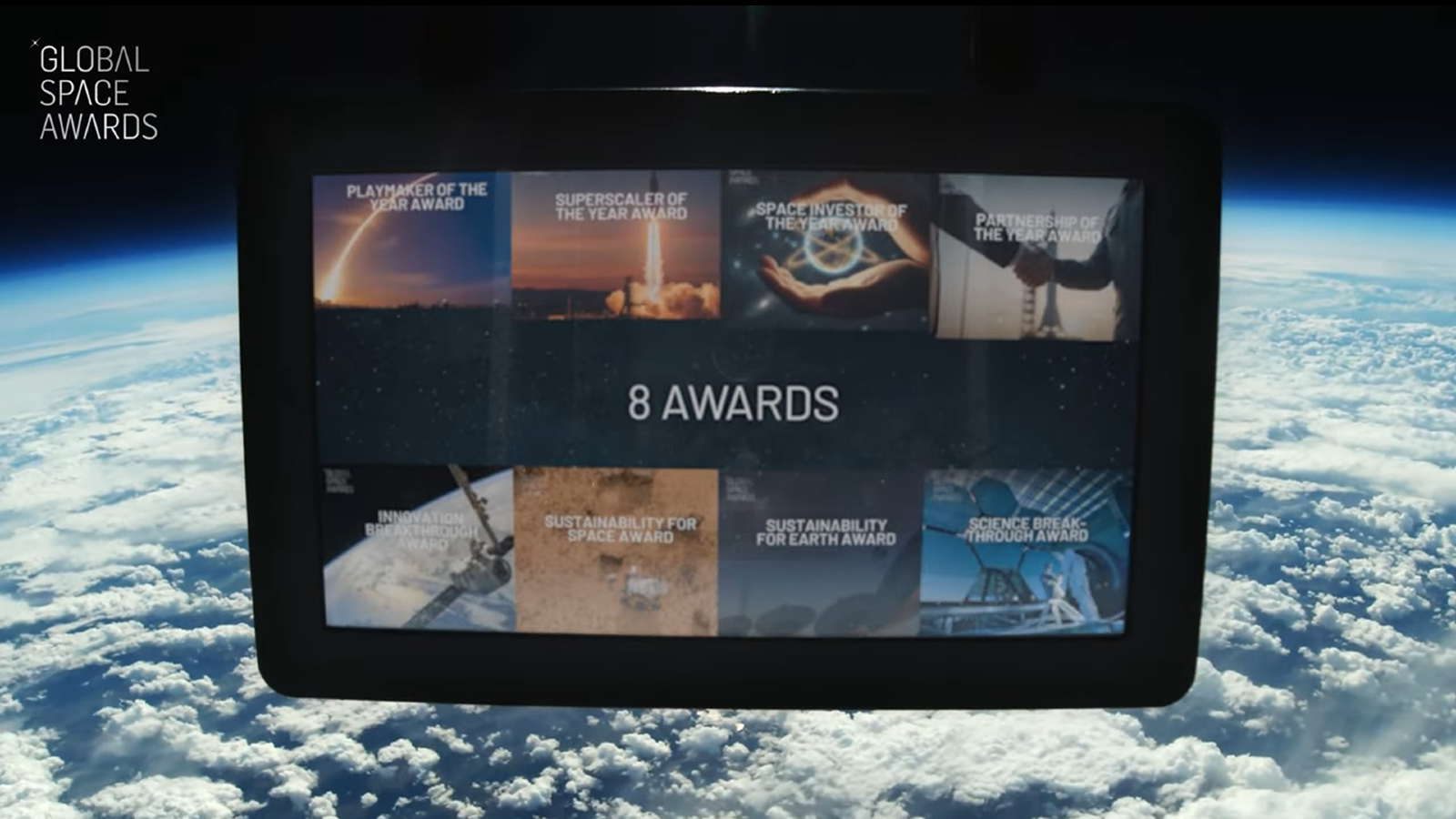
More than 40 finalists — who were recently unveiled in a livestream from a balloon hovering high up in Earth’s stratosphere — were vying for eight different awards, having been narrowed down from more than 500 entries from 38 countries.
The award ceremony was hosted by theoretical physicist and science communicator Brian Greene, a researcher of string theory at Columbia University, who was keen to help share what the space industry has to offer.
“It’s really exciting to have awards that are focused on the final frontier,” Greene told Live Science at the event. “This [industry] is necessary for the future of humankind,” he added. “This is a wonderful ceremony to really put a spotlight on things that matter.”
Other guests, including the European Space Agency (ESA) astronaut Tim Peake — who spent around six months living on the International Space Station in 2016 — highlighted the various ways that the space sector can benefit people on Earth, including developing pharmaceuticals, monitoring Earth’s changing climate and building orbital data centers. “There’s so much happening in the space industry on a number of different levels, and it is playing such a huge part in everybody’s lives at the moment,” Peake told Live Science at the event.
Meanwhile, British science communicator Dame Maggie Aderin-Pocock was quick to point out that there is still more to be done to close the gap between space and the general public. “I think so many people aren’t aware of what we do in the space industry,” she told Live Science. “[It’s important] to encourage the next generation to come and join us.”
Several scientists were up for awards, including Benjamin Pope — an astronomer and data scientist at Macquarie University in Australia, who was shortlisted for the SuperScaler of the Year Award for his work helping to improve the imaging capabilities of the James Webb Space Telescope.
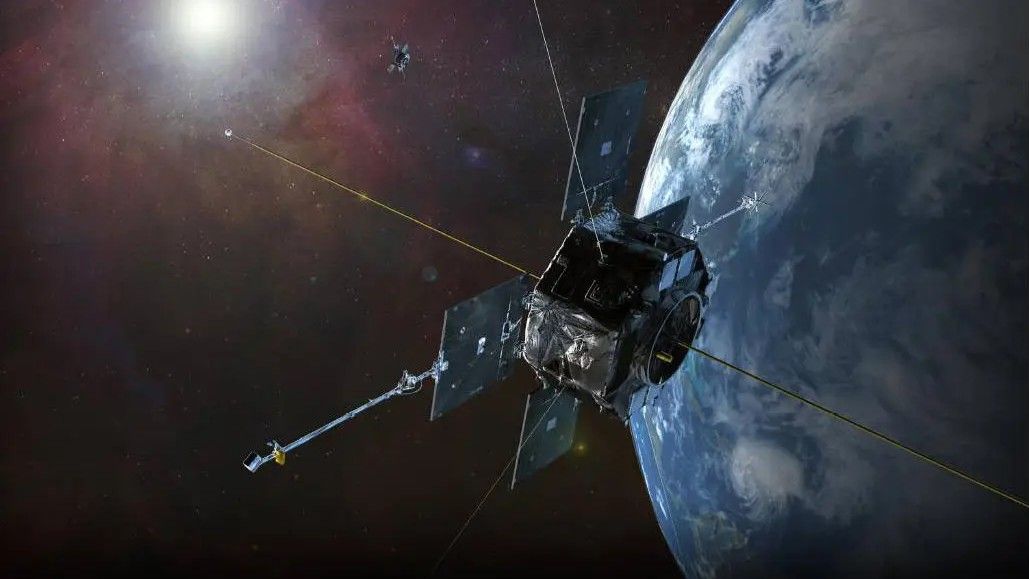
The winner of the Science Breakthrough Award was Beatriz Sánchez-Cano, a planetary scientist at the University of Leicester, who is leading ESA’s proposed Mars Magnetosphere Atmosphere Ionosphere and Space-weather Science (M-MATISSE) mission. The mission aims to monitor how space weather impacts the Red Planet.
“I still can’t believe they said my name,” Sánchez-Cano told Live Science in an email after the event. “It was such a unique and beautiful moment, one I’ll always remember.”

Another big winner was U.K.-based company Space Forge, which took home the Sustainability for Earth Award for its work on creating semiconductors in space in order to help develop better ways of generating renewable energy.
Sustainability was a key theme among multiple winners. Tahara Dawkins, the director of Policy for U.S.-based satellite company Astroscale and an advocate for preserving low Earth orbit from space junk, took home the Playmaker of the Year Award. Astroscale also won the Sustainability for Space Award for their work in the same field.
Other private space companies were also up for awards, including Axiom Space, which is building next-generation space suits and preparing to construct one of the first private space stations; and Spin Launch, which recently revealed its plans to launch satellites into space using a “giant spinning cannon.” (Neither of these companies won the awards they were respectively shortlisted for.)
Events like the Global Space Awards are a great way for different companies to come together and share ideas, Jonathan Cirtain, CEO of Axiom Space, told Live Science at the event. “Being here and being able to represent what we’re doing and collaborate with all the different leaders in the space economy is very important for us.”
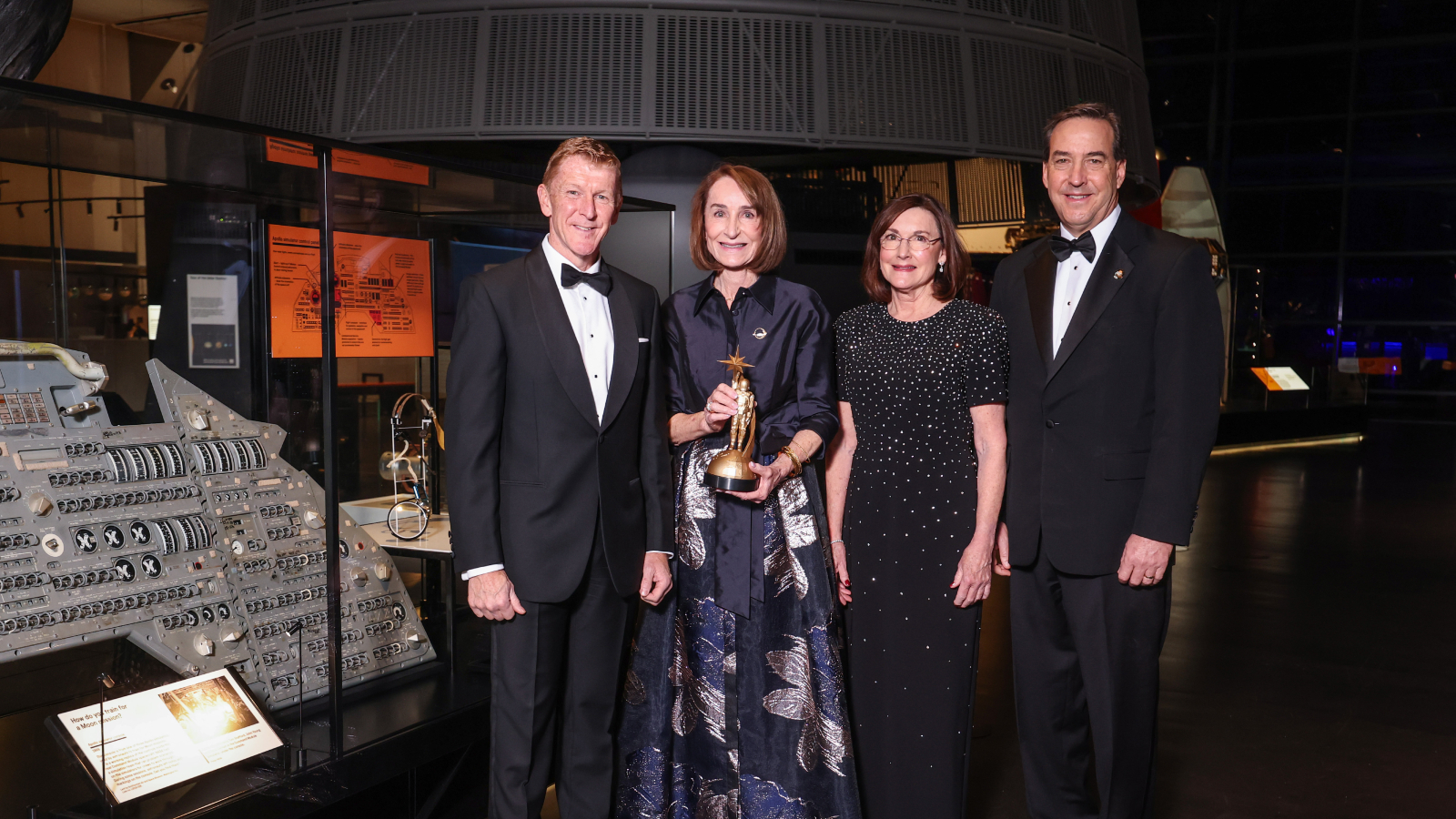
However, the biggest cheer of the night went to the family of the late Apollo 13 astronaut James Lovell, who recently died at age 97 in August. Lovell’s children, Susan, Jeffrey and Barbara, were the joint recipients of the James Lovell Legacy Award, which will, in the future, be presented to individuals who exemplify the astronaut’s values.
Jeffrey Lovell told Live Science that the family was incredibly proud to be “recognizing our dad, not only for what he did for mankind, but the type of person he was.” He would be deeply honored “to see future generations continue what he started,” he added.