This week’s science news was filled with incredible discoveries hidden deep inside our planet, including a potential answer to the long-standing mystery of how a tributary of the Colorado River appears to defy gravity.
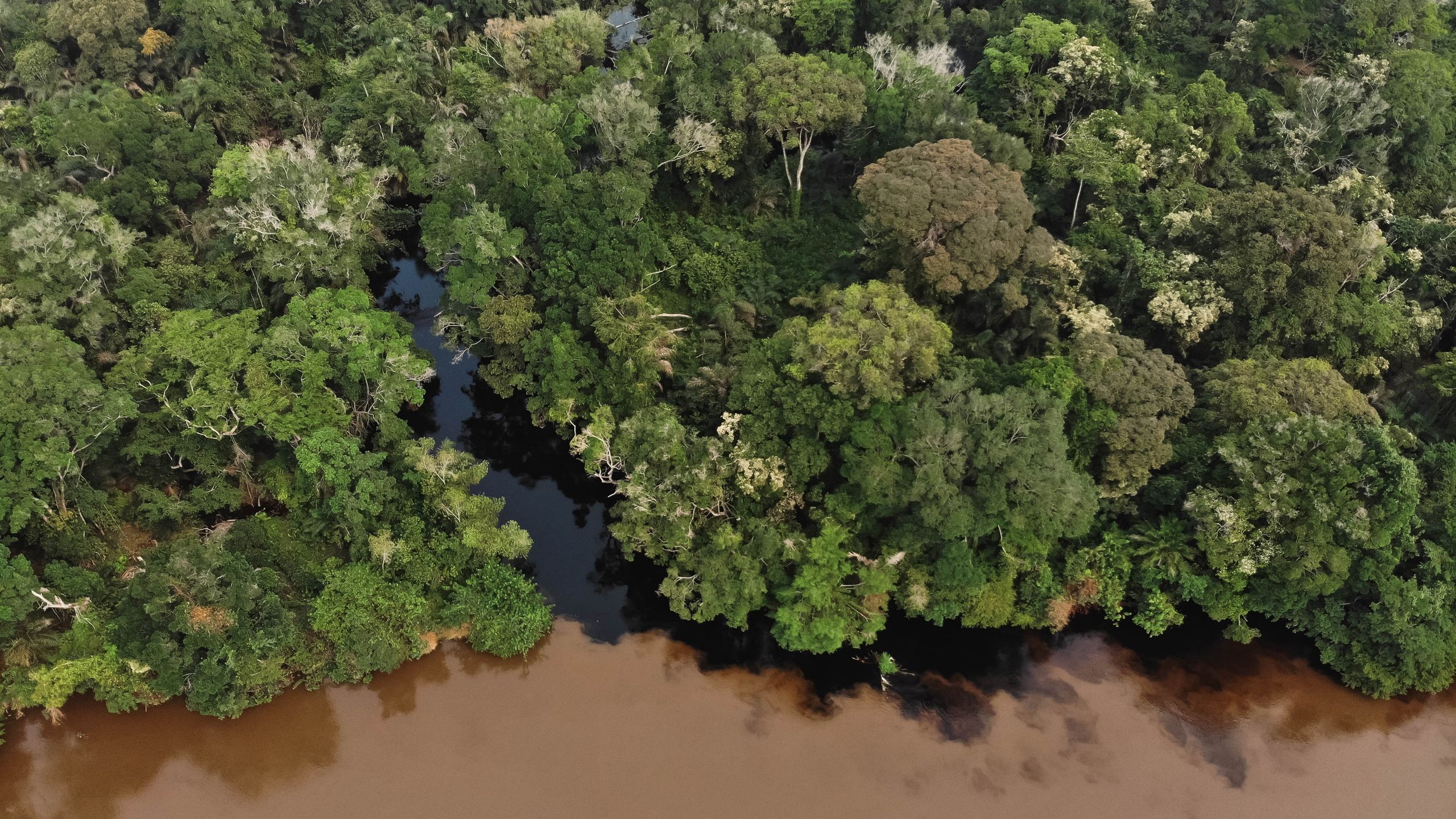
When it formed millions of years ago, the Green River — which starts in Wyoming and joins the Colorado River in Utah — carved a path through the Uinta Mountains instead of flowing around them. Exactly how the river was able to flow “uphill” was unknown. But now, geologists say they may have found an explanation: A phenomenon called lithospheric drip dragged the mountains down, helping the river carve its path, before they rebounded upward into the topography we see today.
Artemis II springs a leak
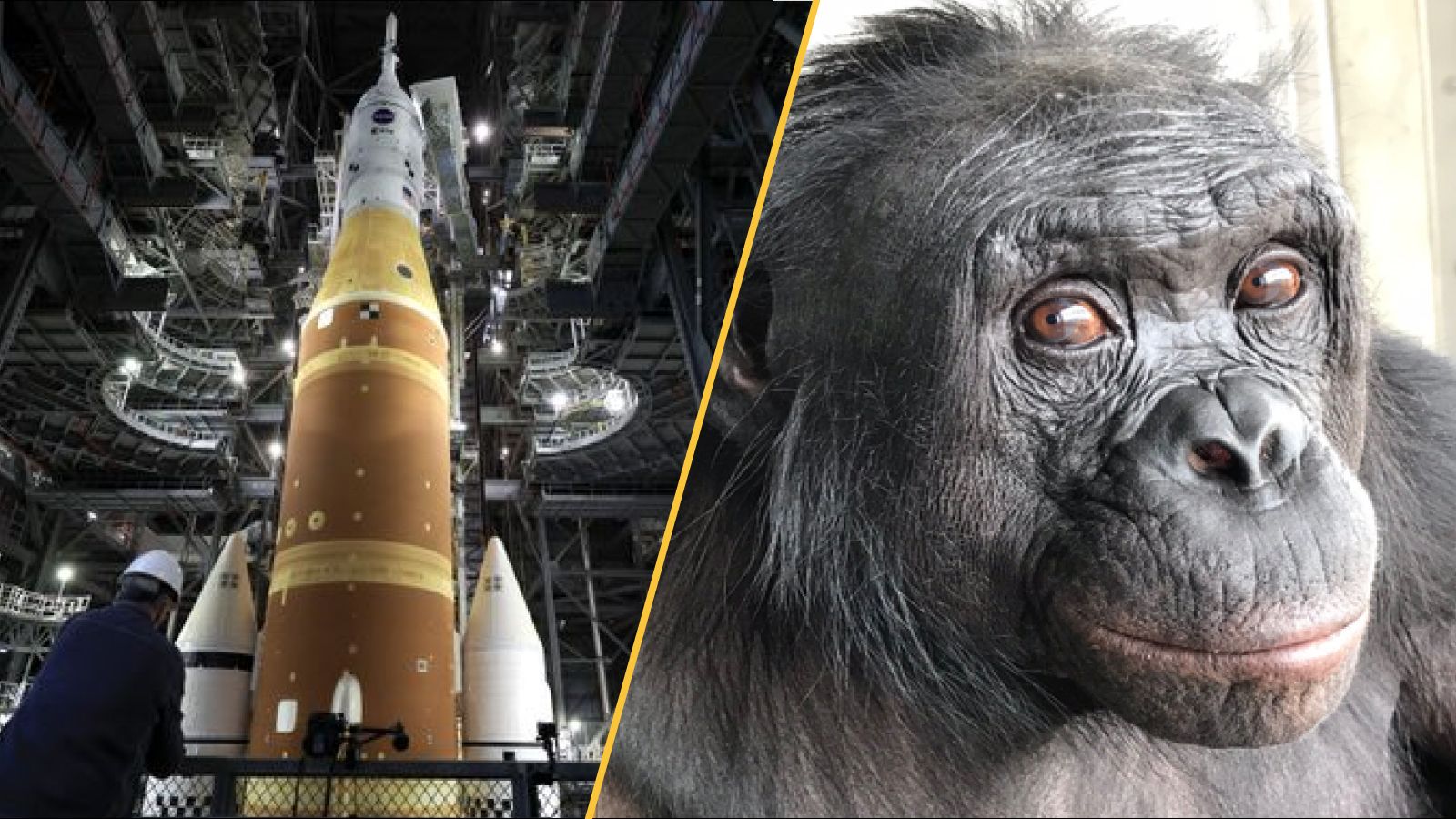
The wet dress rehearsal for NASA’s Artemis II mission ended in a scrub this week, leading the space agency to delay its first attempt to send astronauts back to the moon from this weekend to early March.
If you’ve been following Artemis launches as long as we have, you can probably guess the cause of this week’s scrub: hydrogen. The supercold liquid fuel, while clean-burning and highly efficient, is an amazing escape artist, leaking out of NASA’s gigantic Space Launch System three times during the fueling rehearsal.
Once Artemis II clears the wet dress rehearsal and simulated launch stage, NASA will conduct a flight-readiness review before committing to a launch date. The next launch window includes March 6 to 9 and March 11. If Artemis II doesn’t fly on one of those days, it will be delayed until April. The mission is meant to launch no later than April 30.
Discover more space news
—‘Textbooks will need to be updated’: Jupiter is smaller and flatter than we thought, Juno spacecraft reveals
—Asteroid 2024 YR4’s collision with the moon could create a flash visible from Earth, study finds
—Martian meteorite that fell to Earth is full of ancient water, new scans reveal
Life’s Little Mysteries


Boogers are the caviar and oysters of children’s worlds, their lack of visual appeal, salty flavor and squishy consistency enhancing their sense of delicacy — no matter what disgusted adults may say. But why do children, some adults and even other primates eat their own snot? It turns out, there may be some possible health benefits, although kids are likely better off eating their more traditional greens.
—If you enjoyed this, sign up for our Life’s Little Mysteries newsletter
Apes have imaginary tea parties
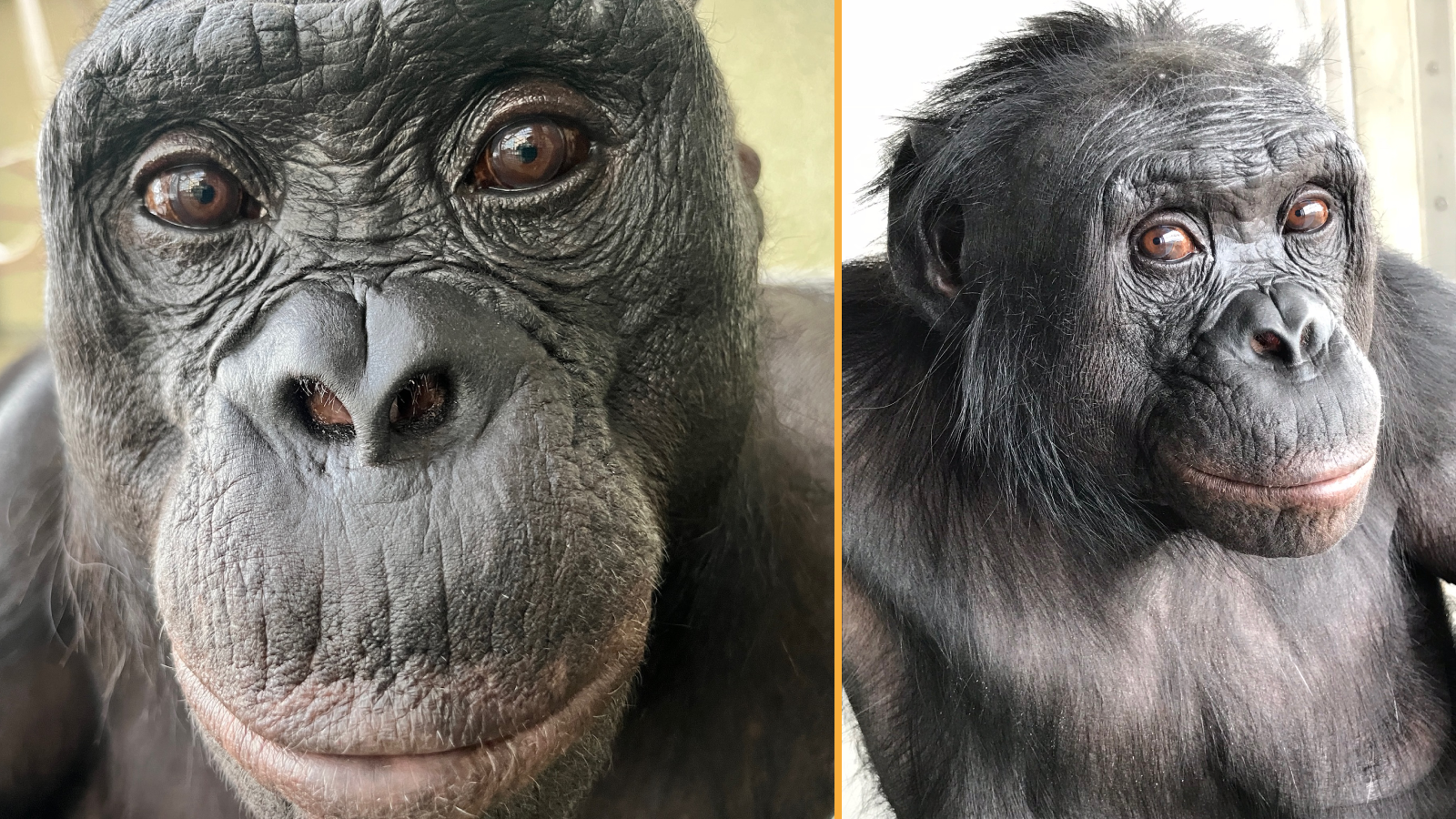
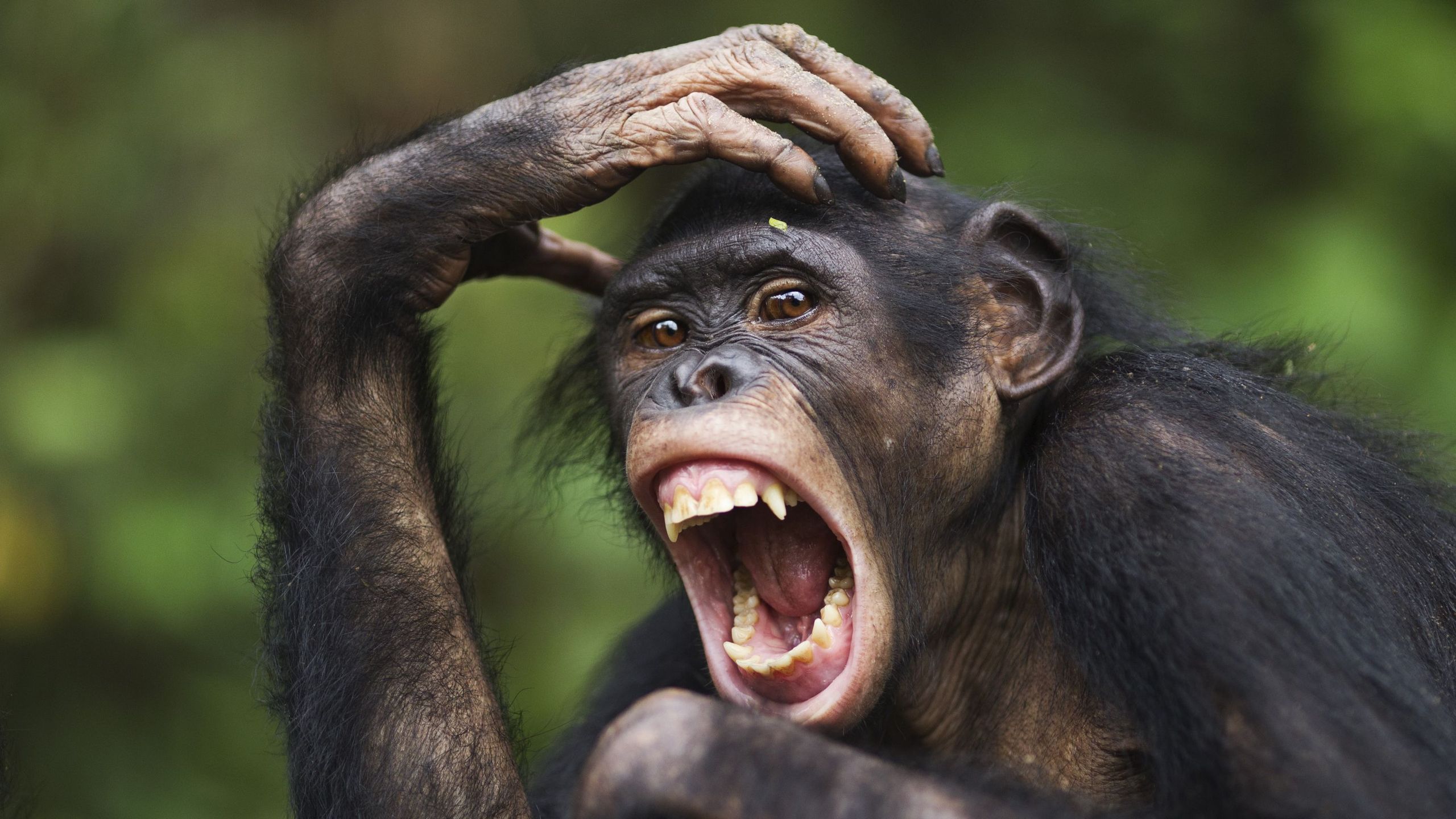
A bonobo who successfully played along with a pretend tea party staged by scientists may have revealed that apes have imaginations.
The ability to visualize the presence of objects that aren’t there was believed to be a uniquely human trait. But now, an experiment conducted with the assistance of Kanzi — a bonobo who lived in a research center in Des Moines, Iowa, and died last year — may have shown that apes can play pretend, too.
In Kanzi’s case, the imaginary object was juice that researchers pretended to pour into cups, which he picked out with 68% accuracy across the trials. If the study can be replicated in bonobos and other apes, it could reveal a broader capacity for imagination that has been anecdotally claimed yet never confirmed.
Discover more animal news
—Saltwater crocodiles crossed the Indian Ocean to reach the Seychelles — before humans arrived and wiped them out
—‘System in flux’: Scientists reveal what happened when wolves and cougars returned to Yellowstone
—In the search for bees, Mozambique honey hunters and birds share a language with distinct, regional dialects
Also in science news this week
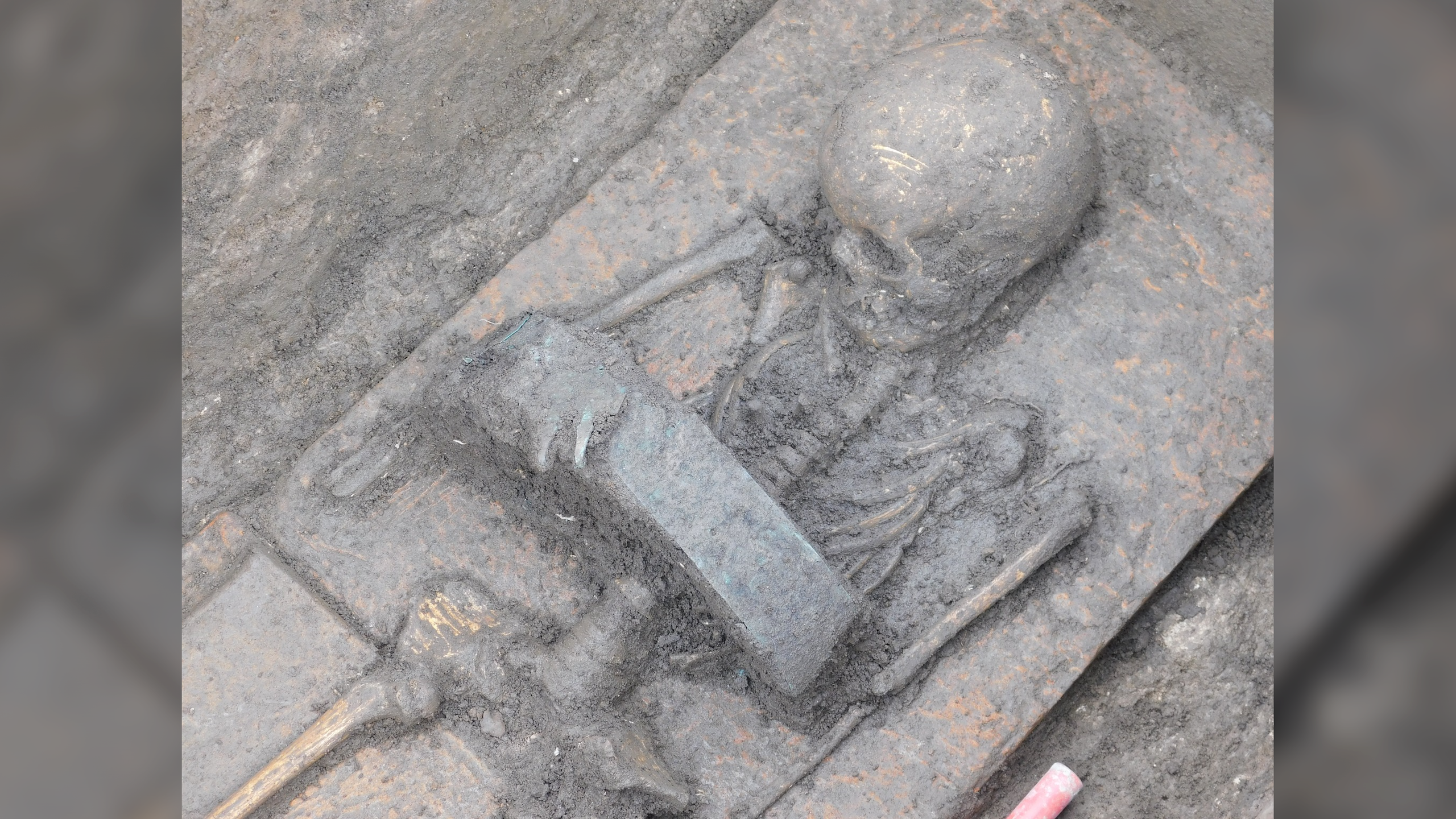
—7,500-year-old deer skull headdress discovered in Germany indicates hunter-gatherers shared sacred items and ideas with region’s first farmers
—Men develop cardiovascular disease 7 years before women, study suggests. But why?
—‘Landmark’ elephant bone finding in Spain may be from time of Hannibal’s war against Rome
—What is Moltbook? A social network for AI threatens a ‘total purge’ of humanity — but some experts say it’s a hoax
Science Spotlight
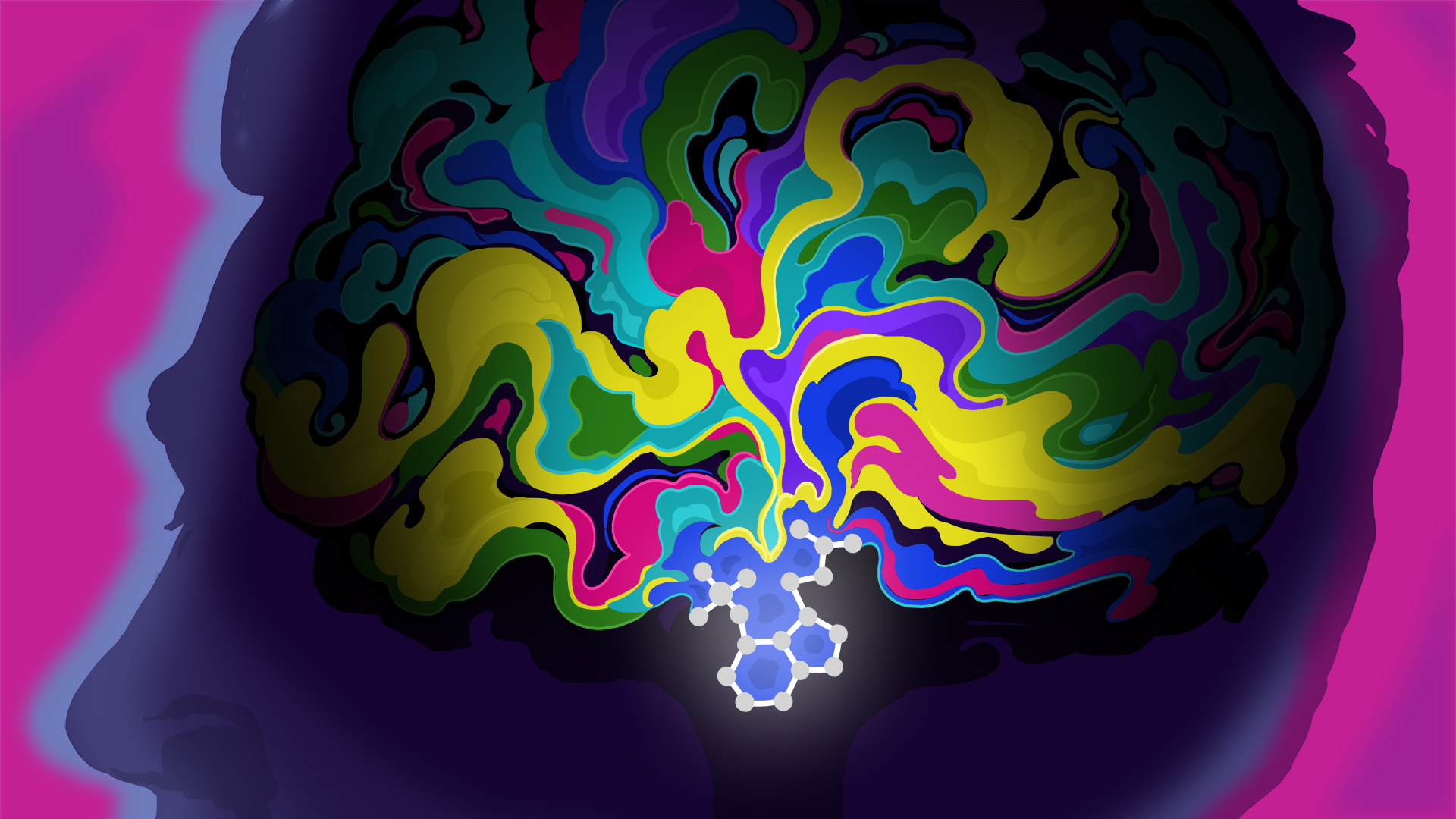

Post-traumatic stress disorder (PTSD) can rewire human brains so profoundly that traditional therapies, such as antidepressants and trauma-focused psychotherapies, often aren’t enough. That’s why researchers are exploring a new avenue: psychedelic-assisted psychotherapy, using MDMA or psilocybin, to act on the brain systems disrupted in PTSD, instead of treating the symptoms.
So far, the results are positive. But uncertainty still surrounds the long-term impacts of these drugs, as well as exactly how they act upon the brain. In this Science Spotlight, Live Science contributor Jane Palmer investigated the science behind psychedelics and their promise as a therapy for PTSD. Accompanying it is a long read into how former Navy pilot Kegan Gill used ayahuasca to lay the groundwork for mental recovery after a devastating jet crash left him with a brain injury.
Something for the weekend
If you’re looking for something a little longer to read over the weekend, here are some of the best opinion pieces, crosswords and skywatching guides published this week.
—Live Science crossword puzzle #28: Largest desert in Asia — 6 across [Crossword]
—‘It’s similar to how Google can map your home without your consent’: Why using aerial lasers to map an archaeology site should have Indigenous partnership [Opinion]
—The US will see a rare ‘blood moon’ eclipse before sunrise this March: Where and when to look [Skywatching]
Science news in pictures
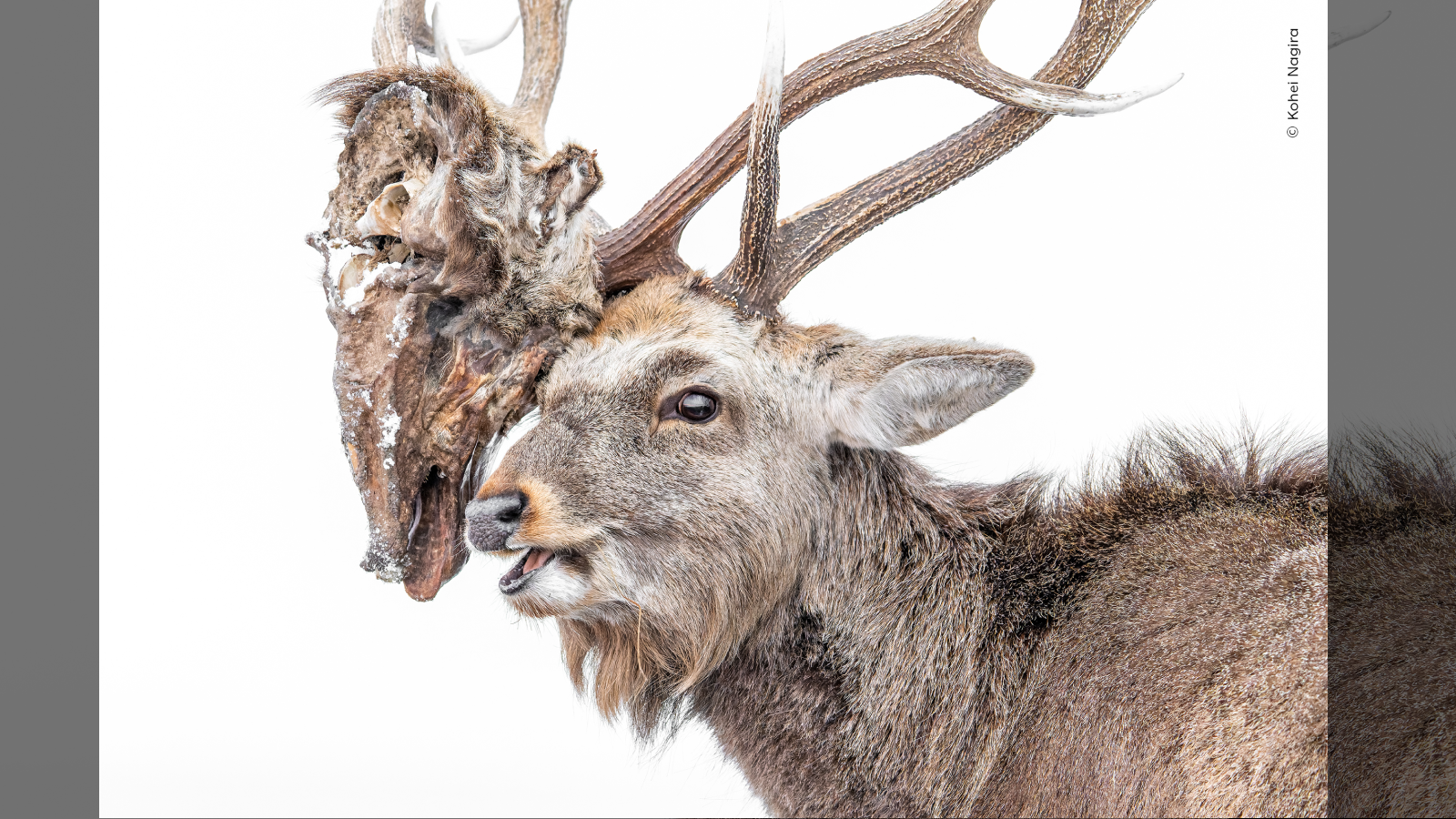
This week, London’s Natural History Museum announced the short list for The Wildlife Photographer of the Year Nuveen People’s Choice Award 2026, and the results were predictably beautiful, moving and grisly — showcasing a deer carrying a rival’s rotting head, a lynx playing with its food, and a polar bear mom and cubs resting in Hudson Bay mud in the summer heat.
Follow Live Science on social media
Want more science news? Follow our Live Science WhatsApp Channel for the latest discoveries as they happen. It’s the best way to get our expert reporting on the go, but if you don’t use WhatsApp we’re also on Facebook, X (formerly Twitter), Flipboard, Instagram, TikTok, Bluesky and LinkedIn.