




PHOENIX – Is a new signature verification process keeping legitimate votes from being counted in Maricopa County?
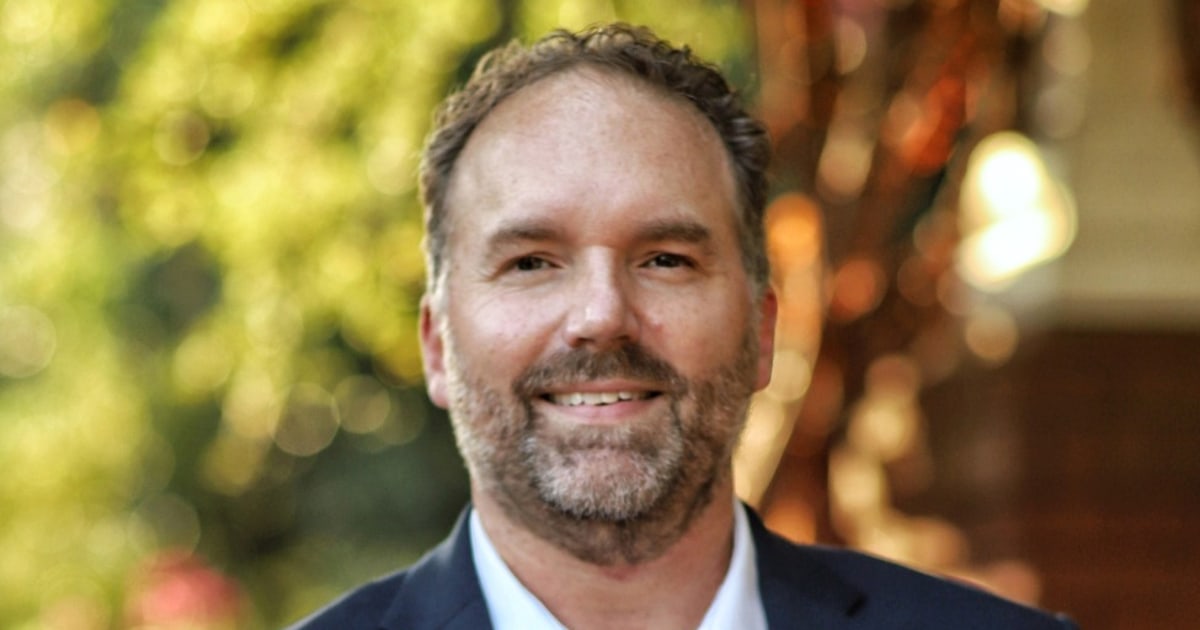
That’s a question Board of Supervisors Chairman Thomas Galvin is asking after the signature rejection rate doubled during the latest county elections.
Recorder Justin Heap’s office is responsible for verifying signatures on early ballot envelopes before the ballots counted. This month’s jurisdictional elections were the first since Heap took office.
“I’m just very concerned because he implemented a new system,” Galvin told KTAR News 92.3 FM’s The Mike Broomhead Show. “No one believes that fraudulent votes should move forward. … What we want to do is make sure that everyone who votes, every valid voter sees their vote count.”
Why does signature rejection happen?
A portion of mail ballots are rejected in every election due to missing signatures or signatures that don’t match what the checkers have on file. The recorder’s office reaches out to those voters to cure their ballots, clearing them to be tallied. But if the voter can’t be contacted and doesn’t reply to messages, those ballots don’t get counted.
Galvin noted on X last week that 7,220 ballots were rejected during the 2024 presidential-year election. He said that number would have been 15,269 with the rejection rate from this month’s election.
At today’s Canvas, I expressed my deep concern that too many valid ballots were rejected by Justin Heap’s office because of the new signature verification policy. At this rate, 15,269 ballots would’ve been rejected in ‘24 prez election. Only 7,220 were rejected in ‘24. Stay tuned https://t.co/vmPWaa5XHi
— Thomas Galvin: Chairman, Maricopa County BOS (@ThomasGalvin) November 19, 2025
“We understand if Justin Heap wants to reject bad signatures or fraudulent signatures, but that rate was so high we have to take a further look at it,” Galvin said Tuesday.
Why is higher signature rejection rate a concern?
Galvin pointed out that more Republicans had their ballots rejected than Democrats in the jurisdictional elections. Galvin and Heap are both Republicans, as are all but one member of the Board of Supervisors.
“He might have angry Republicans with him, not just Democrats and independents,” he said.
The county board chairman also expressed concern that the signature rejection rate could be even higher during next year’s midterm elections, which would be chaotic.
“We’re going to have very close races. The last races we saw statewide for governor, for attorney general … there were lawsuits about that regarding valid ballots that were rejected,” Galvin said. “So, imagine … if we have to go through that rigamarole all over again. It’s going to get national attention.”
With the 2026 general election less than a year away, Galvin said the board will continue working with Heap on the process.
“We have a lot of time to work with Mr. Heap. We understand what he’s trying to do here,” Galvin said. “But at the same time, it’s incumbent upon us as the Board of Supervisors … to make sure that we’re asking the right questions.”