




Refresh
Signing off
That’s all from us on the U.K. side, but as always our North American colleagues will keep you abreast of all the latest developments. Keep checking back for updates!
Could the Arctic ‘methane bomb’ be a bust?
It’s hard to find good news on climate change these days, which is why this next bit of research is something of a welcome rarity.
If you’re a regular reader of Live Science, news of microbes trapped inside the permafrost that could one day release accelerating greenhouse gas emissions is probably not news to you. However, a new study has revealed that such a “methane bomb” could, hopefully, turn out to be a dud.
That’s because, under some conditions, there could end up being more methane-eating microbes than methane-making microbes released by the melt, transforming the Arctic’s soil into a carbon sink, a new study claims.
Could it be a lifeline for humanity’s future in our warming world? Or are the findings just a load of hot air?
You can check out the full story here to learn more.
You’re much nicer when Batman is watching, scientists confirm


Ever felt like you could have been kinder to your fellow humans, especially when taking public transport?
Well perhaps you would have been, if you knew Batman was watching.
In one of the strangest behavioral studies we’ve seen in a while, train passengers have been shown to be more than twice as likely to offer their seat to a pregnant woman when a person dressed as Batman (a member of the research team, what a gig) entered from another door.
The researchers suggest that it was the unexpected nature of Batman’s appearance, and not his reputation for fighting crime, that promoted subconscious prosociality among the train passengers.
Although we’ll be waiting on a follow-up study with a researcher dressed as The Joker before we can confirm that.
The Wallonia bonesaw massacre
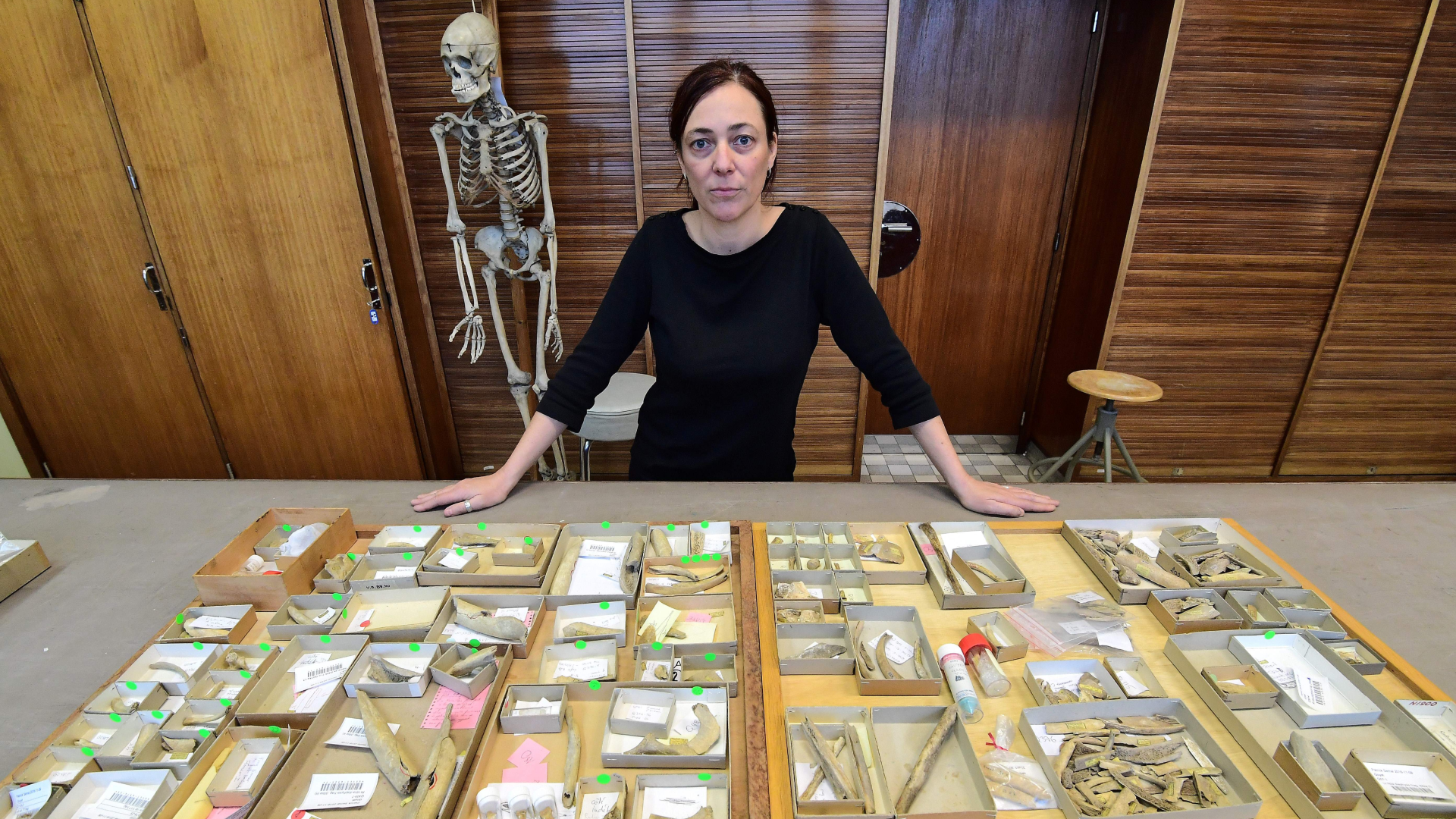

A discovery from a cave in southern Belgium has unearthed a horrifying prehistoric secret — a group of six Neanderthals, all of them women and children, were eaten by a group of unidentified cannibals roughly 45,000 years ago, Live Science’s Kristina Killgrove writes.
The exact reasons for the grisly event, or whether the perpetrators were an outside group of Neanderthals or early Homo sapiens, all remain unclear. (Although the researchers believe that signs of cannibalism at other Neanderthal sites in France and Croatia suggest the former).
The researchers propose the deaths could have resulted from lethal intergroup tension during a period marked by a decline of Neanderthal cultural diversity.
You can read the full story here.
Hurricane Melissa smashes wind speed record
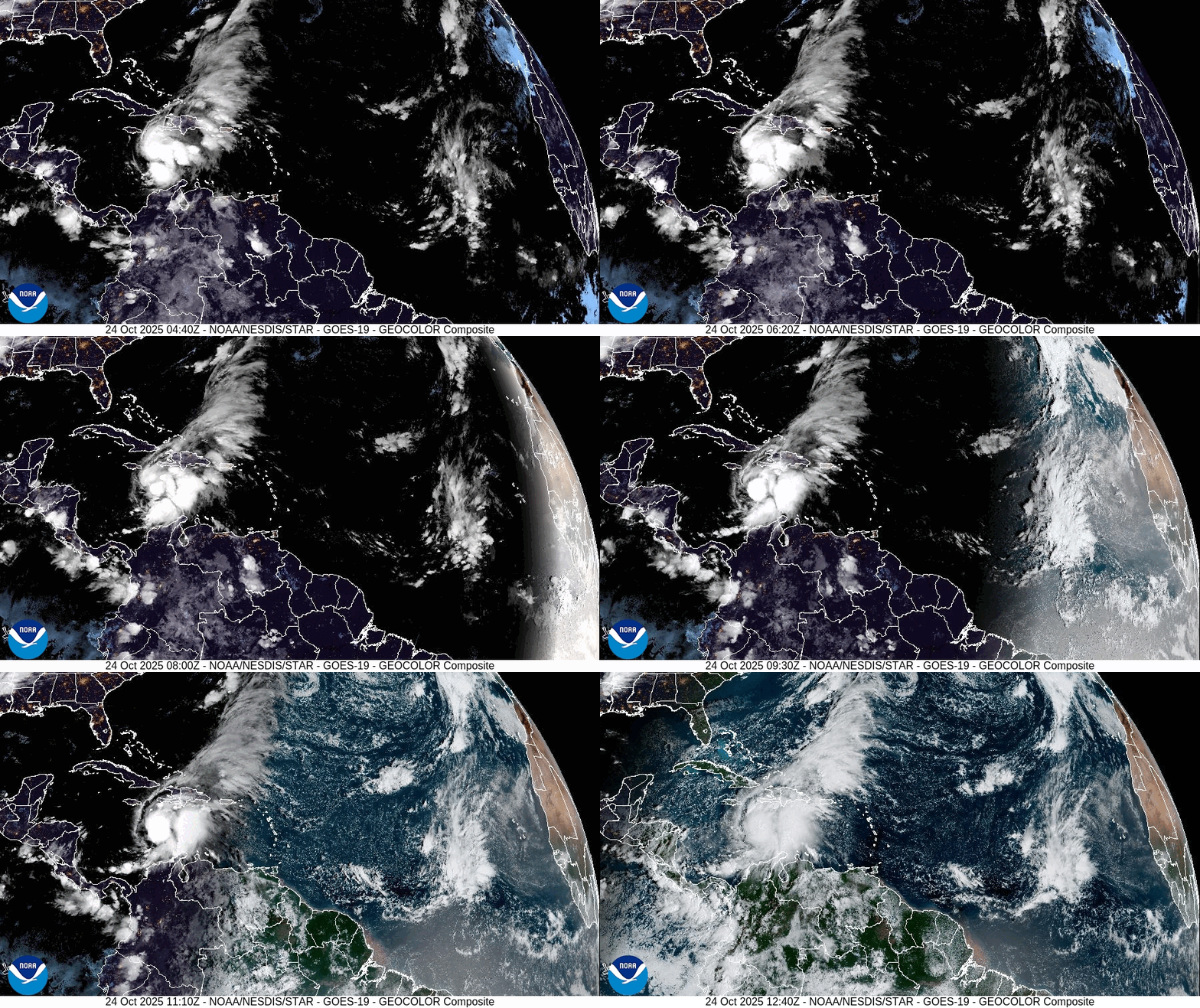

Climate change is causing hurricanes to grow stronger, do it faster, and become ever more dangerous than before, leading some scientists to float the introduction of an extra Category 6 to capture the destructiveness of some of these superstorms.
And the case for a new category could become clearer with newly-released data showing that Hurricane Melissa, already one of the most powerful Atlantic storms, smashed the record for the most powerful gusts ever recorded in a tropical cyclone with winds as strong as 252 miles per hour (402 kilometers per hour).
You can read more over at Scientific American.
Chimp baby boom (yay) after lethal conflict (boo)
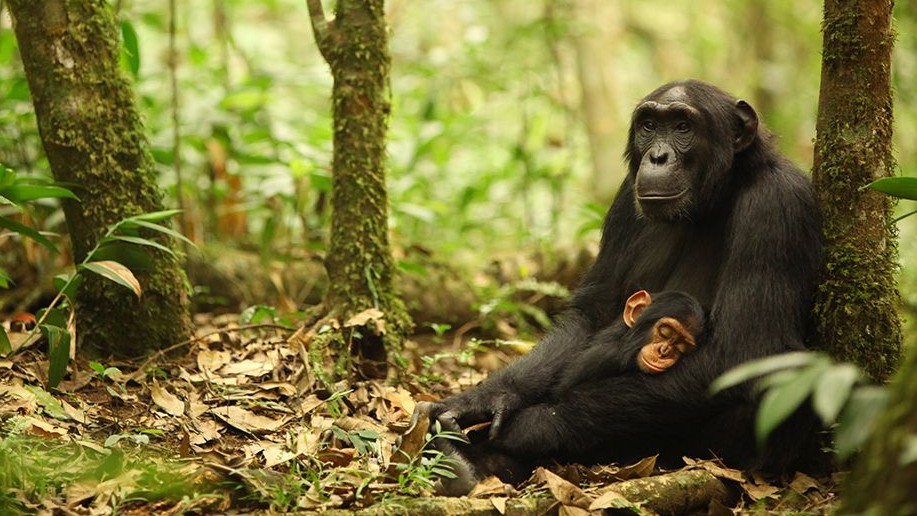

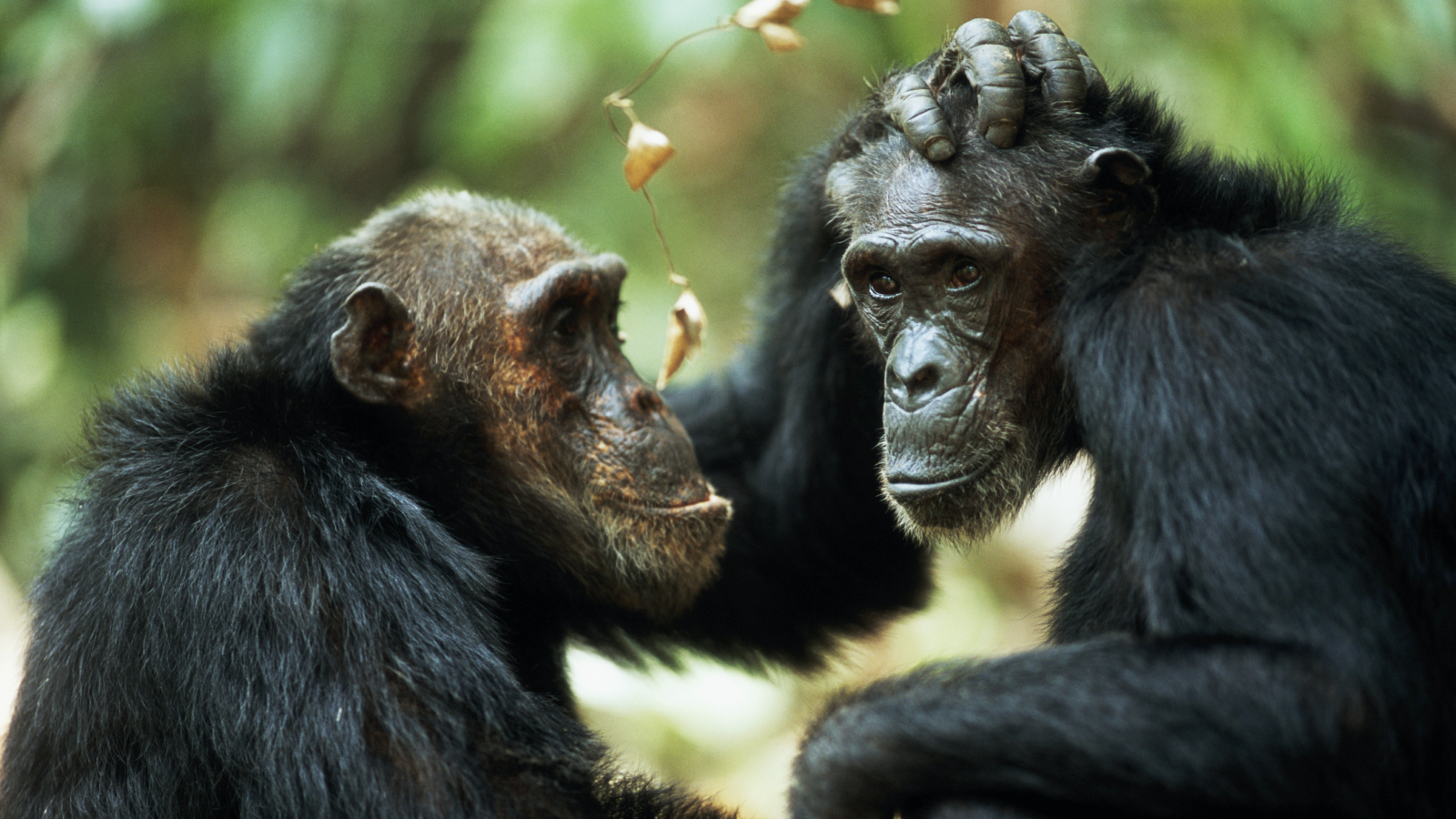
Sophie here, Live Science’s resident chimp aficionado. Hot off the press is the news that the Ngogo chimps in Uganda saw a huge baby boom after they successfully invaded the territory of a neighboring community.
Now, I don’t want to give our closest living relatives a bad rep — chimpanzees and bonobos are typically very cooperative with members of their own group. But chimps in particular really don’t gel with out-group individuals.
Study co-author Brian Wood told Live Science contributor Chris Simms that this new discovery sheds light on the evolution of violence in humans. It’s very common for biological anthropologists to use chimpanzee behavior as a window into our own evolutionary past: humans share a lot of DNA with chimps, and our human ancestors probably looked and behaved quite like modern-day chimpanzees.
It is worth bearing in mind, though, that the amount of chimp lethal aggression varies a lot across Africa, largely dictated by the community’s social structure.
Also, East African chimps are known to be more aggressive than those in West Africa and the Ngogo community is the largest chimpanzee community in the world. Personally, I’d love to see if this post-conflict spike in fertility is found across sites. Then we can see if this is a species-wide trend (which would lend more support to the idea of a shared evolutionary benefit) or if this is unique to Ngogo.
You can read the full story here.


Sophie Berdugo
Science history: The discovery of Lucy
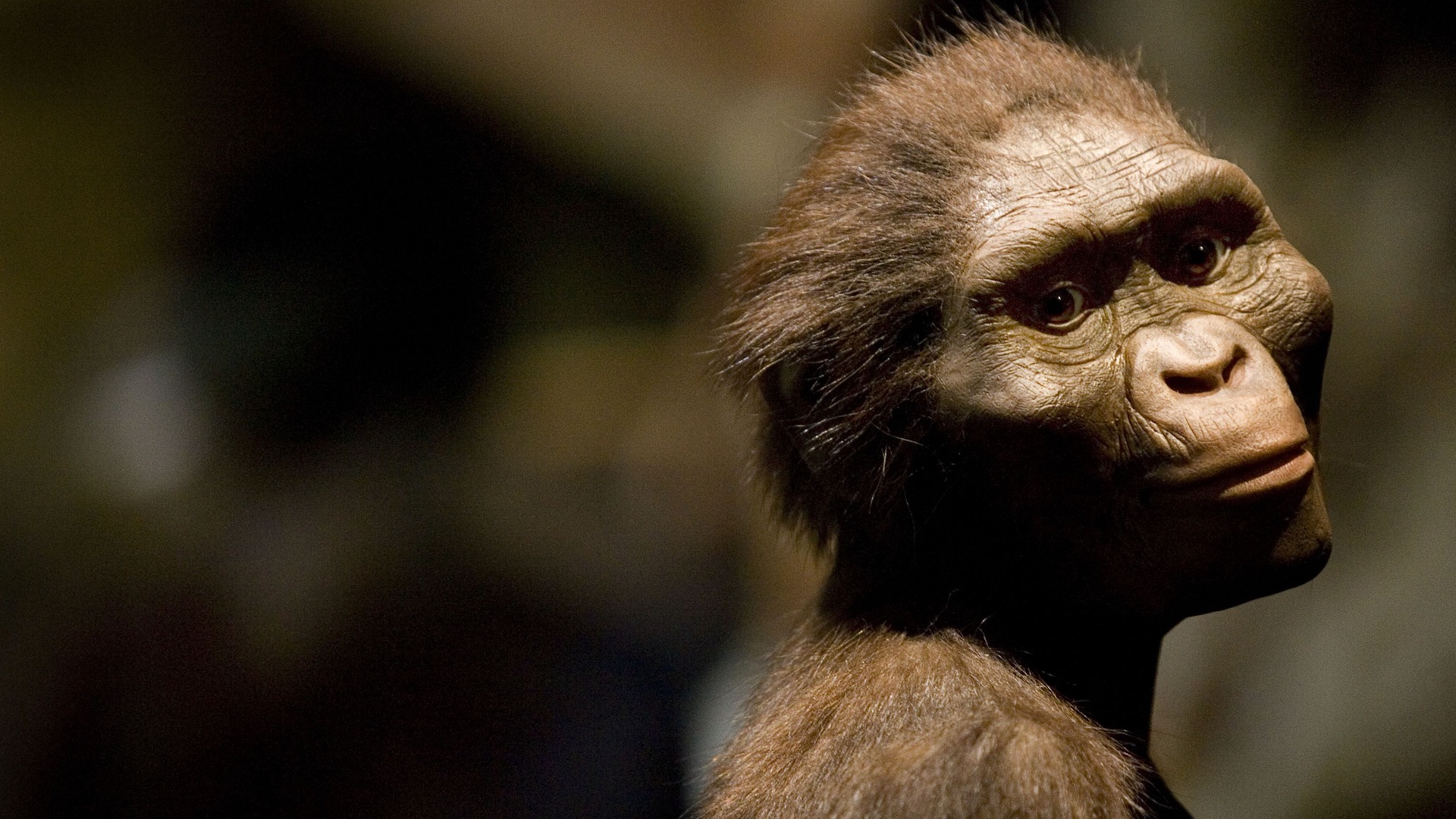
On this day in 1974, two anthropologists digging in the earth of Hadar, Ethiopia discovered something that would transform the story of human evolution, Tia writes.
The object they spotted, glinting in a gully, was the fossilized remains of a 3.2 million-year-old human ancestor. As they discussed the find, the Beatles song “Lucy in the Sky with Diamonds” played in the background, leading a member of the dig to suggest they name the find “Lucy.”
Lucy, whose species would become known as Australopithecus afarensis, was the oldest and most complete skeleton of a human ancestor ever found. And her discovery sparked the realization among anthropologists that human evolutionary history is more like a braided stream than a family tree.
You can read the full story here.
Live Science roundup


Ben Turner
Why cat siblings don’t look alike
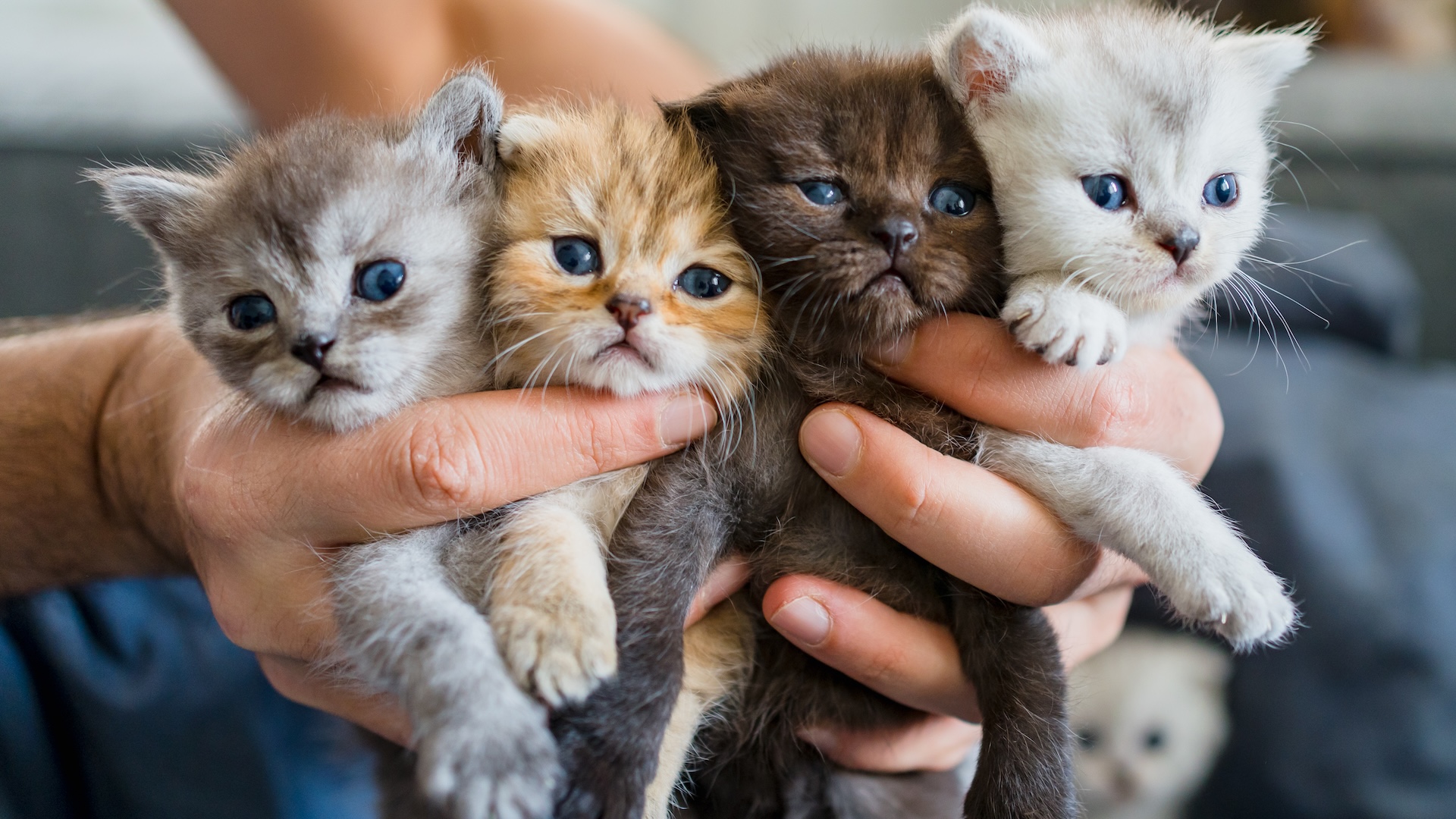
When we adopted our cat “Scallop” from the ASPCA as a kitten, she left behind a brother, “Clam,” who had been picked up from the same litter of strays. Scallop looked like an adorable blue-point Siamese, while Clam was an (also adorable) gray domestic short-hair with white socks.
I’ve always wondered why the two had little resemblance to each other.
Now, a story from our former (and much missed) content manager, Marilyn Perkins, explains why cat siblings look so different from each other.
You can read the full story here.

Tia Ghose
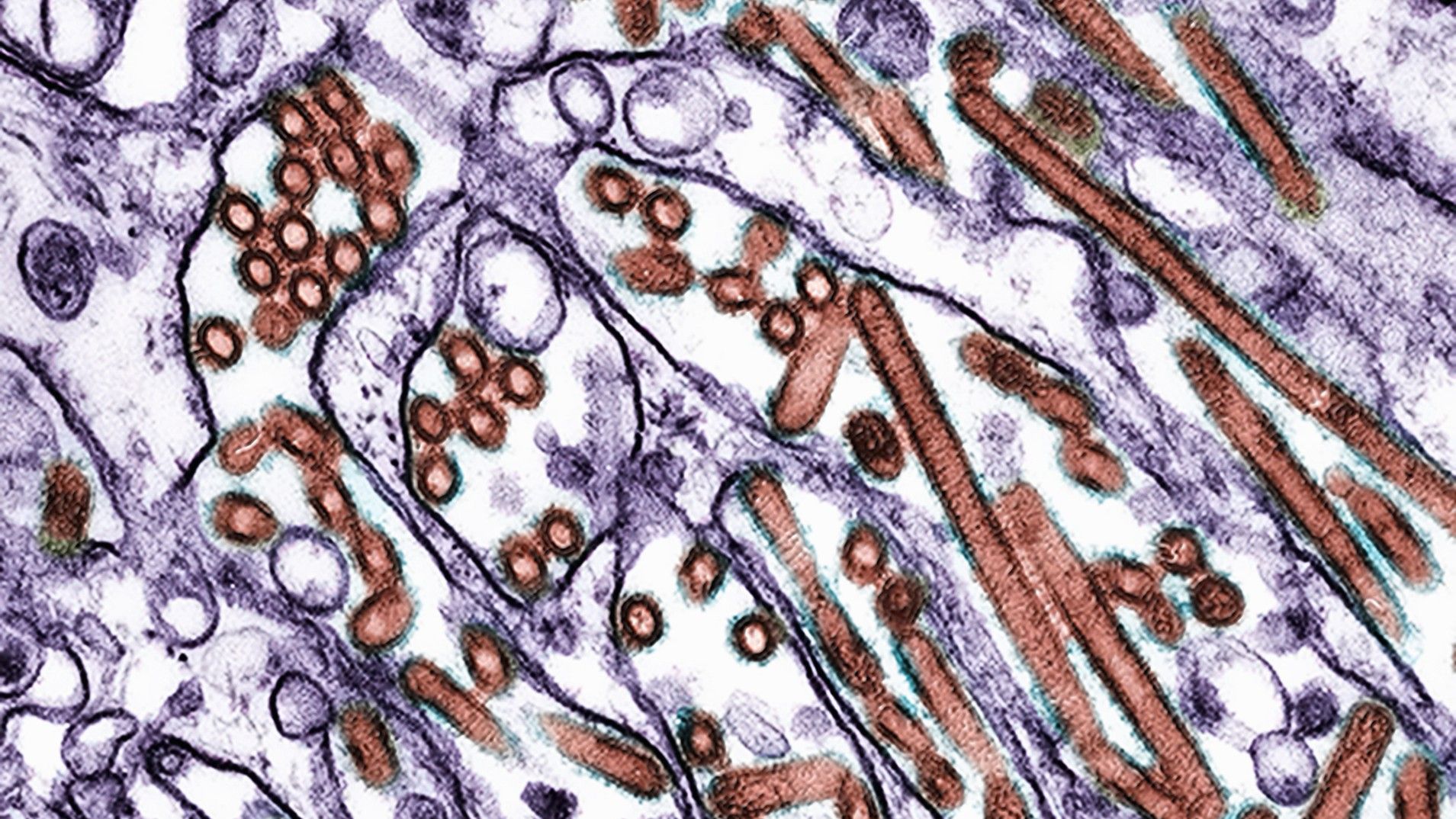
Man infected with H5N5 bird flu strain dies
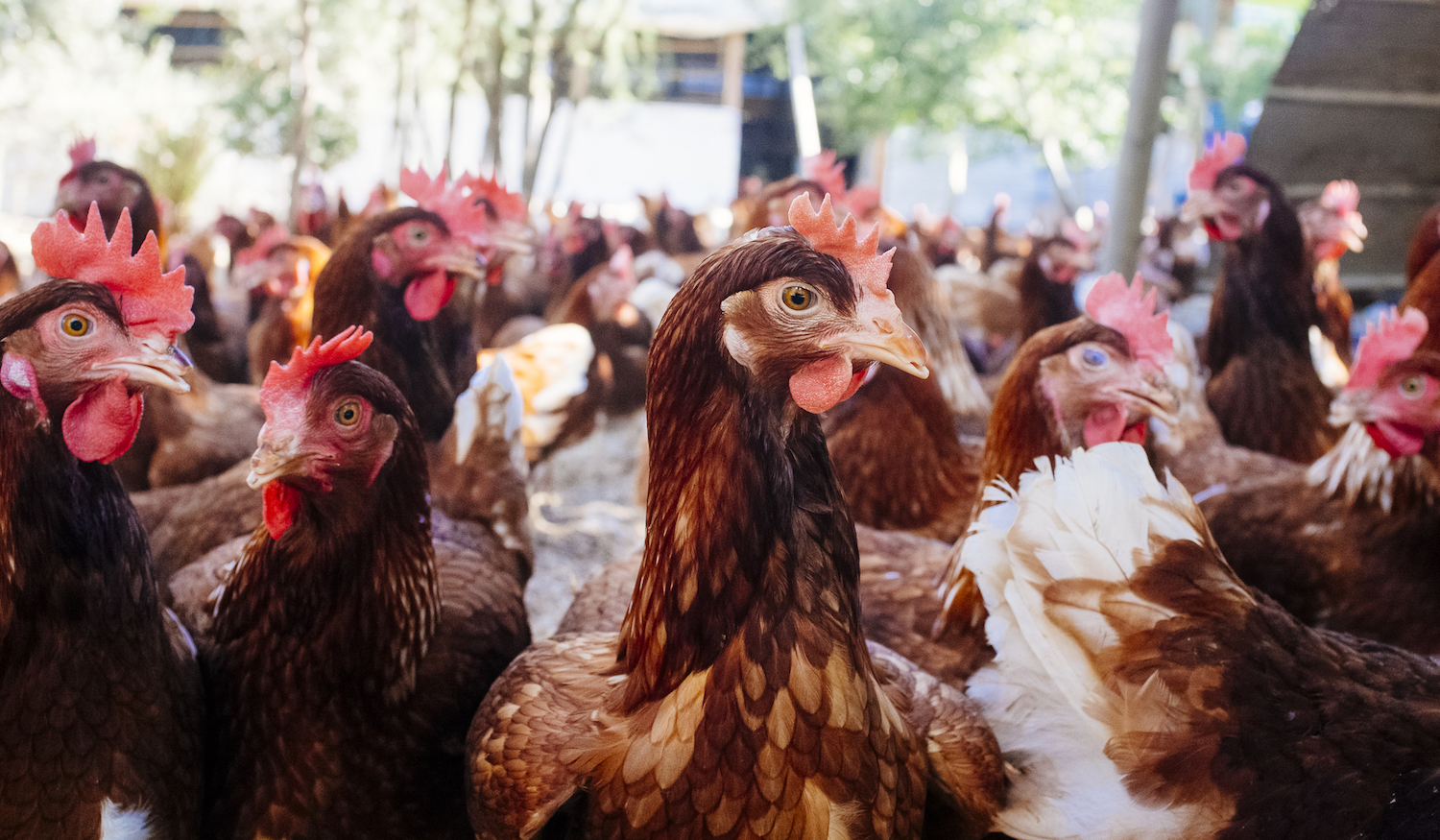

A Washington state resident who was the first person to be infected with the H5N5 strain of bird flu has died of complications from the virus, CNN reports.
The patient, an older adult with underlying health conditions, kept a backyard flock of mixed domestic birds, making this a likely source of his infection, state health officials said.
While this first infection of the H5N5 is notable, it’s not believed to be a greater threat to human health than the H5N1 virus, which has caused a wave of around 70 reported human infections — most of them poultry and dairy farm workers experiencing mild illness — in the US in 2024 and 2025.
Here are a couple of stories on how to best avoid bird flu infections, and what can be done to prevent the virus spilling over into human to human transmission.
‘Other’ comet ATLAS disintegrating
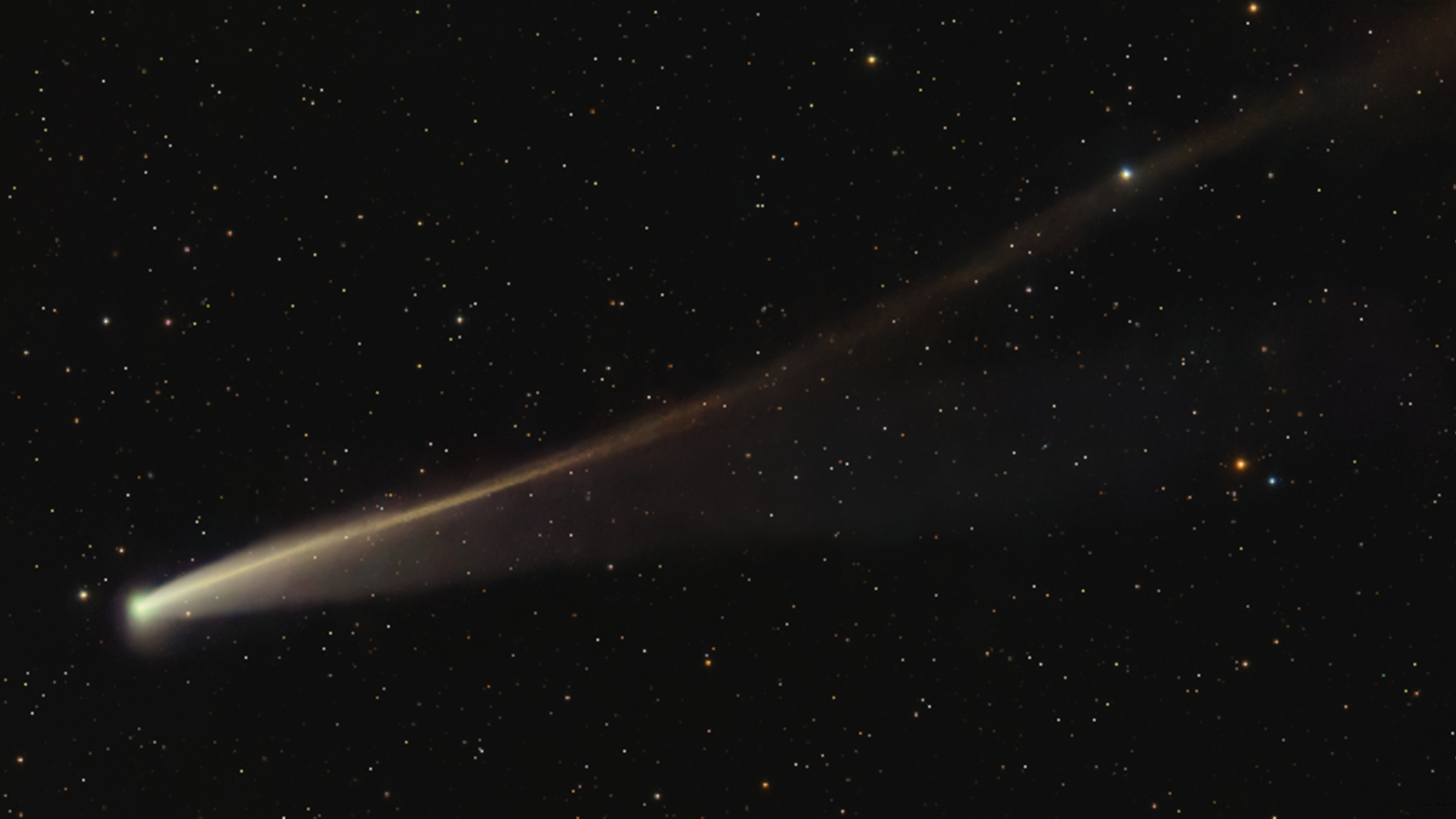

Good morning and welcome back, science fans. We’re returning with a fresh batch of science news and more images that show the “other” Comet ATLAS (C/2025 K1) breaking apart.
Scientists initially thought the comet, which is unrelated to the interstellar comet 3I/ATLAS, survived its recent close approach to the sun. But images from The Virtual Telescope project revealed its tragic demise.
The comet’s disintegration is likely the consequence of the sun’s powerful gravitational pull, which has caused it to splinter into three brighter fragments, photographer Michael Jäger told spaceweather.com.
Ben Turner