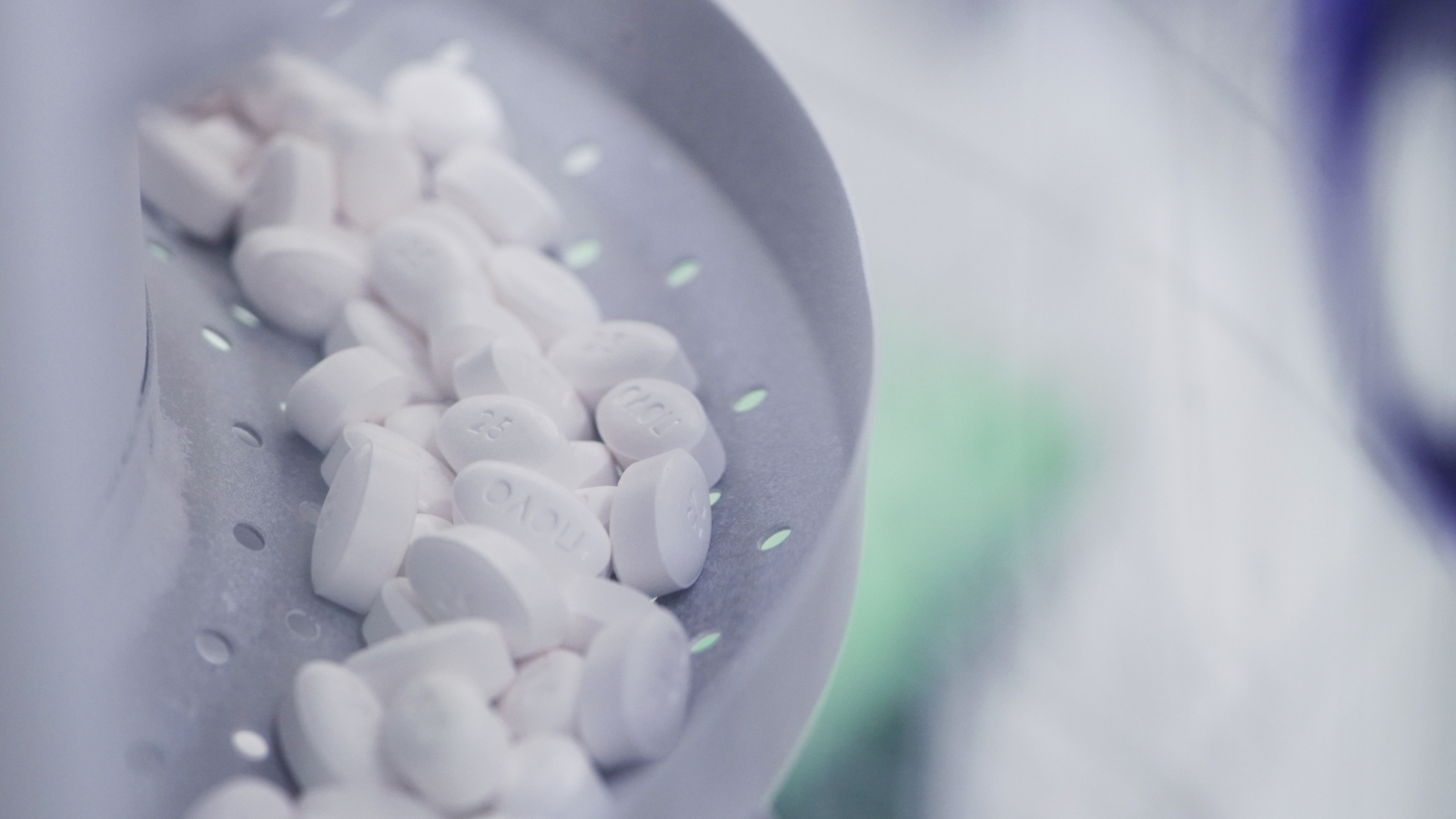
A pill version of the popular weight-management drug Wegovy has been approved by the Food and Drug Administration (FDA) and is now available through various pharmacies and telehealth services in the U.S.
The drug has been available by prescription as a once-weekly injection in the U.S. since 2021. Like the injection, the new Wegovy pill contains semaglutide, the same active ingredient as Ozempic. It works by mimicking a hormone in the body — glucagon-like peptide-1 (GLP-1) — that helps control appetite and blood sugar levels.
Both forms of Wegovy are approved to help adults with obesity — as well as adults who are overweight and have related health conditions, like high blood pressure — lose weight and keep it off, in combination with a reduced-calorie diet and increased physical activity. However, only the injectable version is approved for children 12 and up with obesity; the pill version is not yet cleared for that age group.
Here’s what to know about the new Wegovy pill and who might benefit most from it.
Do semaglutide pills work as well as injections?
The main difference between the Wegovy pill and the injection is how the drug enters the bloodstream.
When semaglutide is injected under the skin, it is absorbed directly into the blood. When taken as a pill, however, the drug must first pass through the stomach and intestines, where some of its active ingredient is broken down by digestive enzymes before it can be absorbed through the gut lining and into the blood.
Because of this, “only a small fraction [of the pill] reaches the bloodstream,” explained Dr. Chika Anekwe, obesity medicine clinical director of the Massachusetts General Hospital Weight Center and an instructor in medicine at Harvard Medical School. This is an expected difference between injected and oral medications, in general.
Although the pill exposes the digestive tract to more semaglutide than the injection would, its local effects on the gut are minor, Anekwe explained. That’s because the “key effects still require absorption and systemic signaling,” so they only kick in once the drug reaches the bloodstream, she said.
To make up for that digestive process, the pill version of Wegovy is taken at a much higher dose than the injectable form. The highest dose of the pill is 25 milligrams, compared with 2.4 milligrams for the weekly injection, Anekwe told Live Science in an email.
The pill also comes with strict instructions for when you should take it, Anekwe said. It should be taken on an empty stomach in the morning with a small amount of water, and patients must wait at least 30 minutes before eating, drinking or taking other medications, its drug label says. This ensures that the medication will be properly absorbed at the intended dose. The injectable version does not have these restrictions; it can be taken at any time of day and with no fasting required.
Dr. Priya Jaisinghani, an endocrinologist and obesity medicine specialist at NYU Langone Health, discussed the effectiveness of the two formulations during an Endocrine Society webinar about GLP-1 pills in December 2025.
So far, “there has been no long-term, head-to-head trial” that has compared the once-daily 25-mg pill with the once-weekly 2.4-mg injection in adults with obesity, Jaisinghani said. However, results from clinical trials that tested the drugs separately suggest the two versions lead to very similar weight loss when taken as instructed.
In the STEP-1 trial, a study of 2.4-mg injectable semaglutide, participants lost an average of about 14.4% of their body weight. In the OASIS 4 trial, a study of the 25-mg pill, participants lost an average of about 13.9% of their body weight. Jaisinghani said these results indicate that the pill and the injection “offered comparable efficacy for weight management.”
Is the Wegovy pill as safe as the injection?
The trials also suggest that Wegovy pills and injectables have similar side effects.
“Oral and injectable Wegovy have very similar, predominantly gastrointestinal side effects,” Anekwe said. These include nausea, diarrhea, vomiting and constipation, for example.
About three-quarters of Wegovy users experience mild-to-moderate gastrointestinal symptoms, Anekwe said. But for both forms of the drug, a minority of patients — around 7% to 10% — stop taking the medication because of these effects, according to trial data.
(Some real-world data suggest that a higher percentage of patients stop taking GLP-1s within a year of starting them, but that may be due to a mix of factors, including both side effects and medication cost.)
Who might benefit more from the pill or the injection?
Patients considering Wegovy may opt for the pill or injection for different reasons. For instance, “the pill may be better for someone who is averse to using injections,” Anekwe said.
The pill version may also be more appealing to people who do not have reliable access to refrigeration, such as frequent travelers, she said. That’s because the pill can be stored at room temperature, unlike the injection, which must be refrigerated. Generally, the Wegovy injectables should be kept between 36 and 46 degrees Fahrenheit (2 to 8 degrees Celsius). And if needed, the pens can be stored at 46 to 86 F (8 to 30 C) for up to 28 days, if their caps haven’t been removed.
That said, the strict daily schedule of taking a pill on an empty stomach with restrictions on food timing may be challenging for some people to stick to. Those individuals may prefer the convenience of a once-weekly injection.
Cost and insurance coverage may also influence which version people choose. The pill may be better for someone who doesn’t have insurance coverage because it has a lower out-of-pocket cost, Anekwe said.
And besides lifestyle factors and cost, there is another important difference that determines who can use each version: Unlike the injectable form of Wegovy, which is approved for adolescents ages 12 and older with obesity, the Wegovy pill is currently approved only for adults.
This article is for informational purposes only and is not meant to offer medical advice.