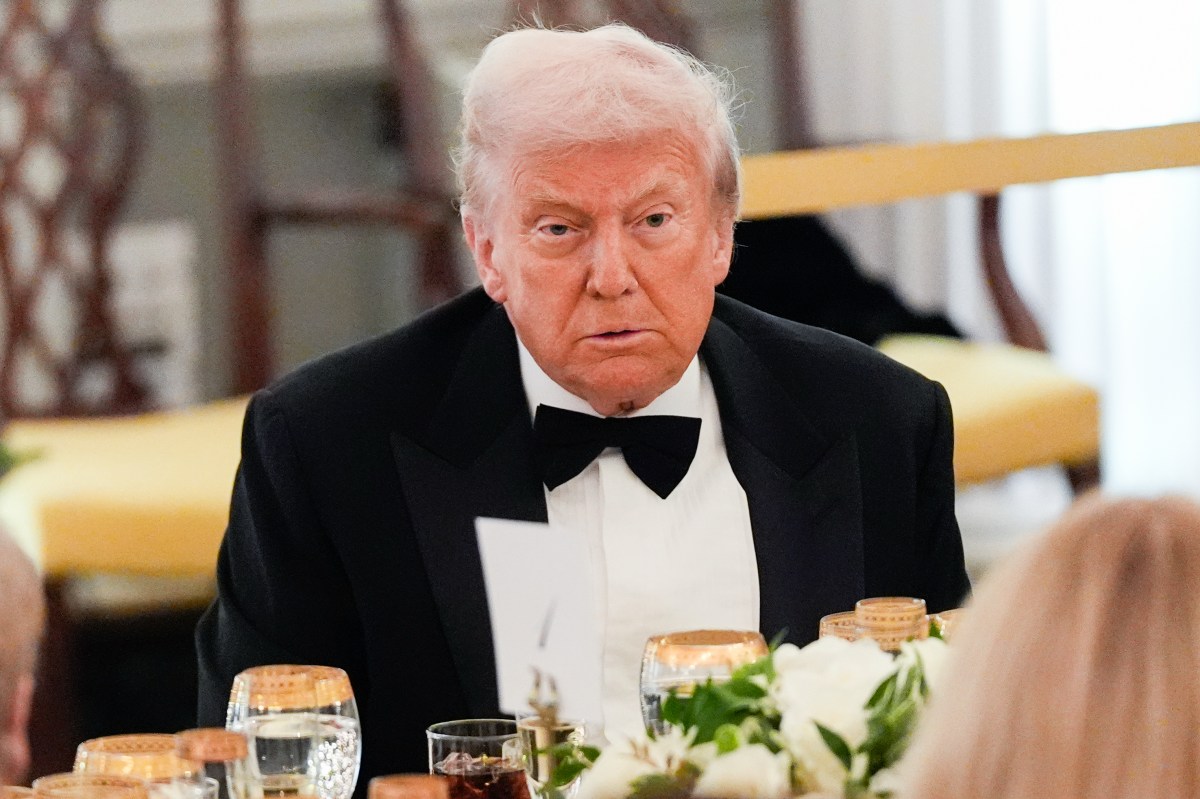
President Donald Trump faced a week of heightened emotions and political tensions following the Sept. 10 assassination of Charlie Kirk, a prominent conservative activist and founder of Turning Point USA, whose youth movement played a pivotal role in Trump’s 2024 election victory.
In a televised address from the Oval Office, Trump described Kirk as a “martyr for truth and freedom” and blamed the “radical left” for fostering the political climate that led to the killing. He vowed to pursue those responsible, including individuals and organizations he said contribute to political violence through inflammatory rhetoric.
On Sept. 12, authorities identified Kirk’s suspected killer as Tyler Robinson, a 22-year-old White man from Utah registered as an unaffiliated voter.
Trump’s response to the killing drew criticism from political leaders, activists and celebrities, including TV show host Jimmy Kimmel, who criticized President Trump on the Sept. 11 episode of his show “Jimmy Kimmel Live!” for “angry finger-pointing” at Democrats, saying they were responsible for the fatal shooting of Kirk.
Meanwhile, Trump announced Friday the deployment of National Guard troops to Memphis, Tennessee, citing “endemic crime” and describing the city as “deeply troubled.” The move, supported by state leadership, marks a significant expansion of federal law enforcement presence in urban areas and could pave the way for similar deployments in other Republican-led states.
The administration’s immigration enforcement has also continued to intensify under “Operation Midway Blitz,” a crackdown in the Chicago area targeting undocumented immigrants with criminal records. The operation drew national attention after an ICE agent fatally shot Silverio Villegas-Gonzalez, whom officials said resisted arrest and dragged an officer with his car. The incident sparked renewed debate over the administration’s immigration tactics and their impact on community safety.
Here’s what to know about Trump’s approval ratings following this week’s events, including how they are decided and how Trump’s ratings compare with his first term and past presidents.
What is Donald Trump’s approval rating?
Here are the latest approval ratings released about Trump’s administration:
-
Real Clear Polling’s average of polls from Aug. 21 to Sept. 11 shows a 45.9 approval and 51.4 disapproval rate.
-
According to the most recent Gallup poll, Trump’s job approval rating was at 40%.
-
A Reuters/Ipsos poll from Sept. 5 to Sept. 9 reported that 42% of those surveyed gave him a favorable approval rating of his performance in office and 54% gave an unfavorable rating.
-
The New York Times daily average of polls showed a 44% approval and 52% disapproval as of Sept. 12.
-
The Economist shows that 41% of people are favorable of Trump and 55% are unfavorable of him, according to the latest update from Sept. 12.
-
Rasmussen Reports poll from Sept. 12 showed 48% approval and 51% disapproval of Trump.
-
A Morning Consult poll updated Sept. 8 showed 45% of voters approve of Trump’s performance, while 52% disapprove.
How does Trump’s approval rating compare with his 1st term?
Trump had a final approval rating of 34% when he left office in 2021. His approval average during his first term was 41%.
How does Trump’s approval rating compare with past presidents?
-
Donald Trump (first term) – 34%
Are presidential approval ratings accurate?
Data agency Gallup notes that these approval ratings are a “simple measure, yet a very powerful one that has played a key role in politics for over 70 years.”
A president’s approval rating reflects the percentage of Americans polled who approve of the president’s performance. Anything can impact a president’s rating, such as legislation passed, actions and elections.
According to ABC News, an approval rating doesn’t just represent how well the administration is doing for the general public, but could determine the outcome of an upcoming election for a politician or how much they get done during their time in office.
While these ratings are easy to understand, Quorum says some analysts believe they are not as useful as they once were due to extreme partisanship and the polarized political climate.
“Presidential approval ratings have always been partisan, with members of the president’s party offering more positive assessments than those in the opposing party,” according to the Pew Research Center. “But the differences between Republicans and Democrats on views of the president have grown substantially in recent decades.”
USA TODAY Network reporter Maria Francis contributed to this article.
This article originally appeared on Arizona Republic: Donald Trump’s approval rating: See the latest polls