




Rivers may seem as old as the hills, but they have life cycles just like other natural features do. Many grow and make their meandering mark on the landscape, before ultimately drying up. Some rivers last longer than others, however. So which river is the oldest in the world today?
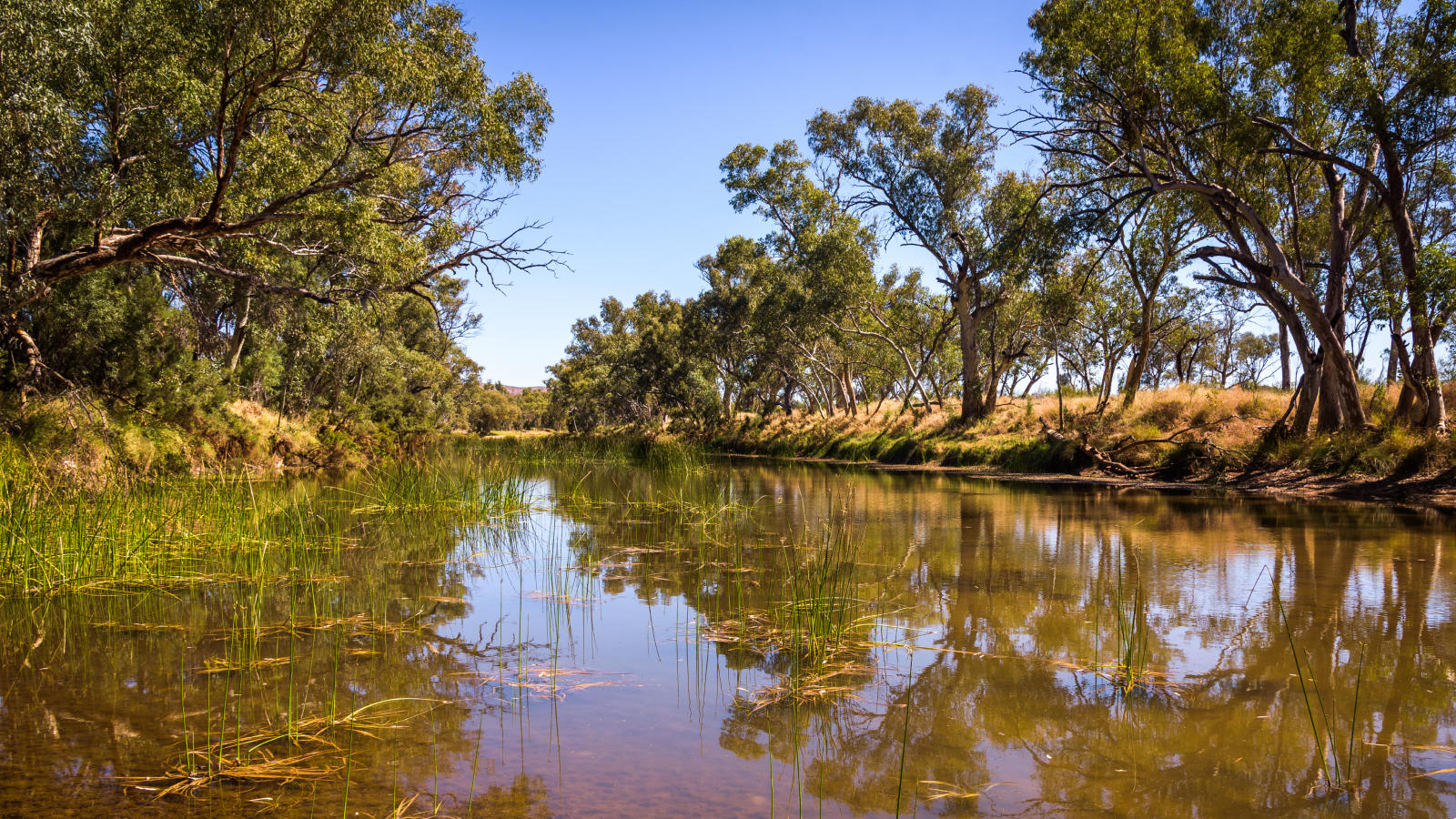
The winner is older than the dinosaurs: The Finke River in Australia, or Larapinta in the Indigenous Arrernte language, is between 300 million and 400 million years old.
One of the strongest pieces of evidence for its ancient age is a geological anomaly called cross-axial drainage, said Victor Baker, a geomorphologist at the University of Arizona. Rather than flowing parallel to resistant rock structures, such as quartzite, the Finke River cuts across these tough mineral formations as it passes through the MacDonnell Ranges in central Australia.
Flowing water always takes the easiest path, making it counterintuitive that a river would flow against these hard rocks rather than alongside them. Consequently, the presence and origin of this cross-axial drainage reveal crucial details about the historic course of the Finke.
“There is some suggestion that there was a preexisting drainage that was flowing as this range was building up,” Baker told Live Science. “It’s called antecedence — basically, the river is there before the mountains form and as the crust is being thrust up, the river is cutting down.”
The MacDonnell Ranges (or Tjoritja in Arrernte) formed as part of the Alice Springs Orogeny — a tectonic mountain-building event that occurred 300 million to 400 million years ago — making the Finke at least as old as these mountains.
Later evidence comes from erosion and weathering, which generate specific chemical profiles. This information indicates how and where the surface interacted with the atmosphere and water flow through time. Using the radioactive signatures of certain isotopes (elements with different numbers of neutrons in their nuclei), scientists can also infer the ages of these rocks. Because radioactive isotopes decay at a fixed rate, it’s possible to estimate when rocks formed by working backward from the relative proportions of different isotopes. Together these data points create a roadmap for piecing together the history and evolution of the Finke River.
But rivers are constantly in flux, with some growing bigger from year to year and others drying up completely. So why has the Finke system lasted so long?

“Rivers can disappear if a massive influx of sediment overwhelms them (e.g., volcanic eruptions) or if topography changes so dramatically that the flowing water takes a new course across the landscape (e.g., glacial advance and retreat),” Ellen Wohl, a geologist at Colorado State University, told Live Science in an email.
Additionally, “rivers can cease to flow because of climate change and/or human consumptive use of water,” Wohl said. “Long duration is promoted by tectonic stability and lack of glaciation during the Pleistocene” (2.6 million to 11,700 years ago).
In the case of the Finke, Australia has been an unusually stable landscape for a very long time. Resting in the middle of the Australian Plate, the continent has experienced virtually no significant tectonic activity for the past several 100 million years, Baker explained. Consequently, the Finke River system has been able to develop and expand almost uninterrupted for most of its history.
As for the future, it’s difficult to say how much longer the Finke will last.
“Long-persisting [rivers] will probably continue to persist,” Wohl said. However, “many rivers in dry lands” — such as the Finke — “are highly altered by human consumptive water use.”
This, she added, “is likely to increase in future as global water consumption continues to rise and global warming makes many dry regions even drier.”
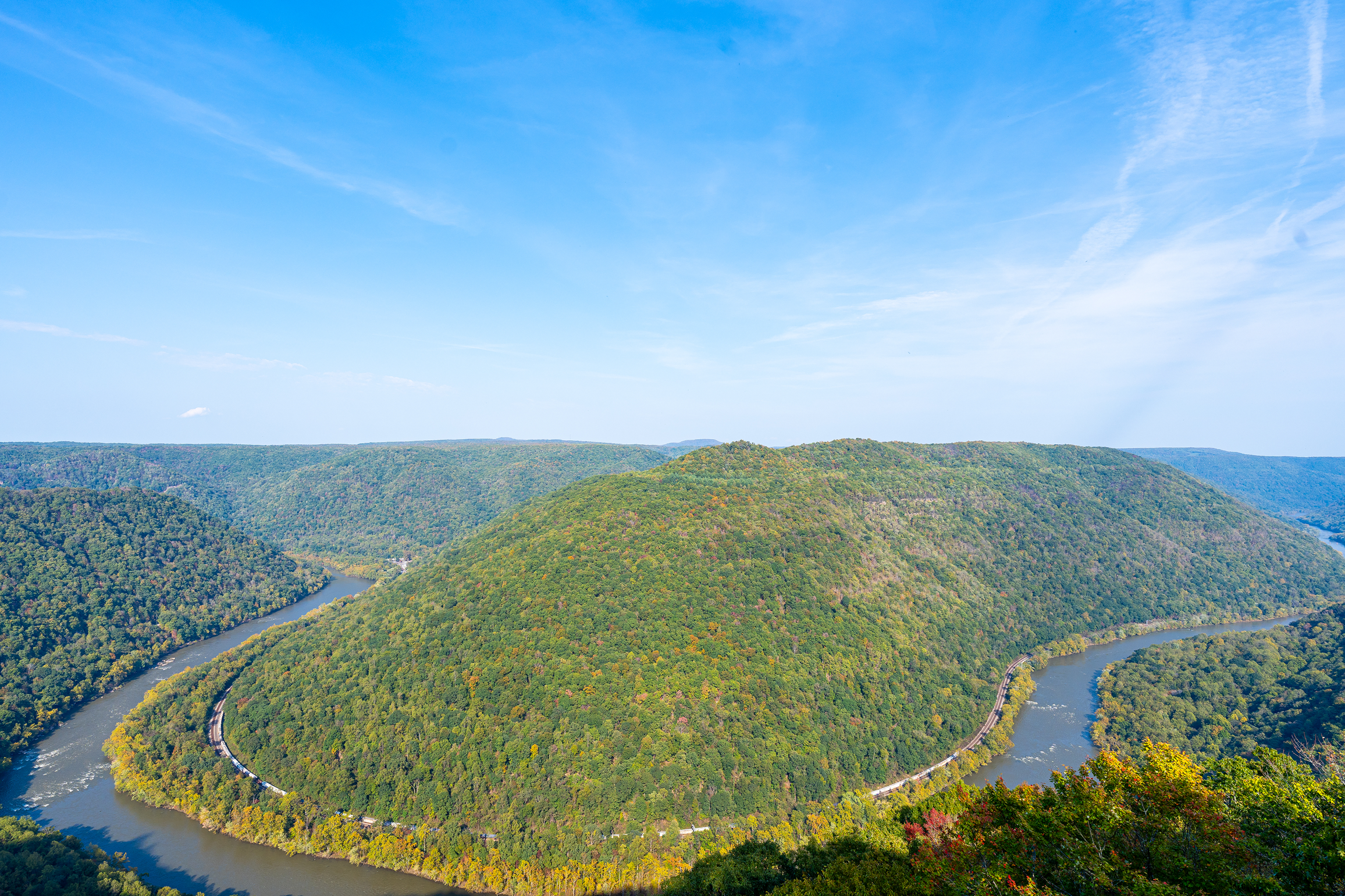
If the Finke ever dries up, the runner up may be the New River, which today is about 300 million years old, Baker said, and runs through Virginia, West Virginia and North Carolina.