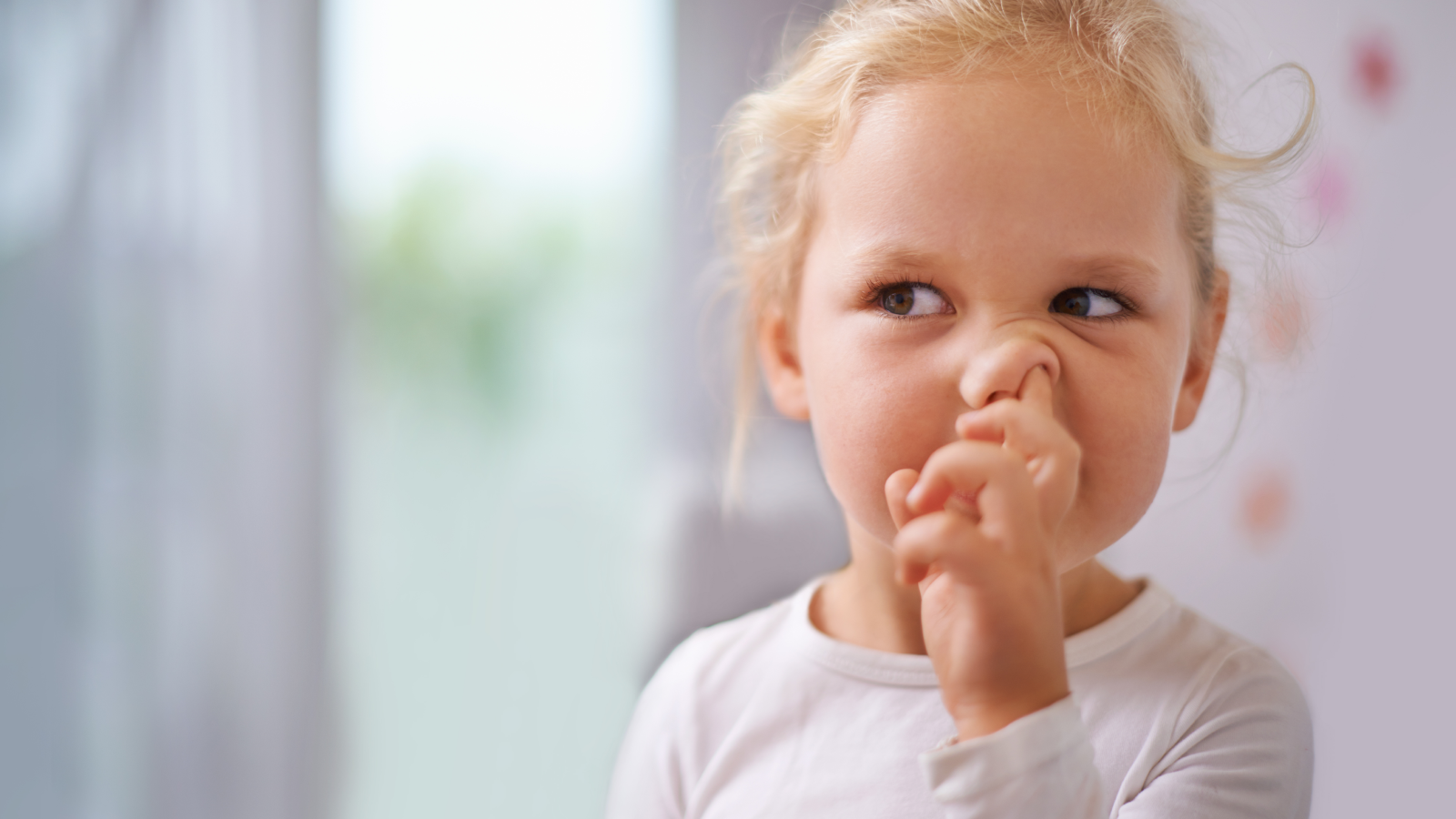
We’ve all seen it: a kid with one finger wedged up a nostril, mining the cavity for a golden nugget, teasing it out, and then gobbling it like a tasty snack. It may be gross to adults, but most children seem completely unfazed. So why do kids eat their boogers, and are they possibly onto something?
Most parents will tell you how common it is for children to eat their own mucus — a behavior known as “mucophagy” — yet data on its prevalence are scarce.
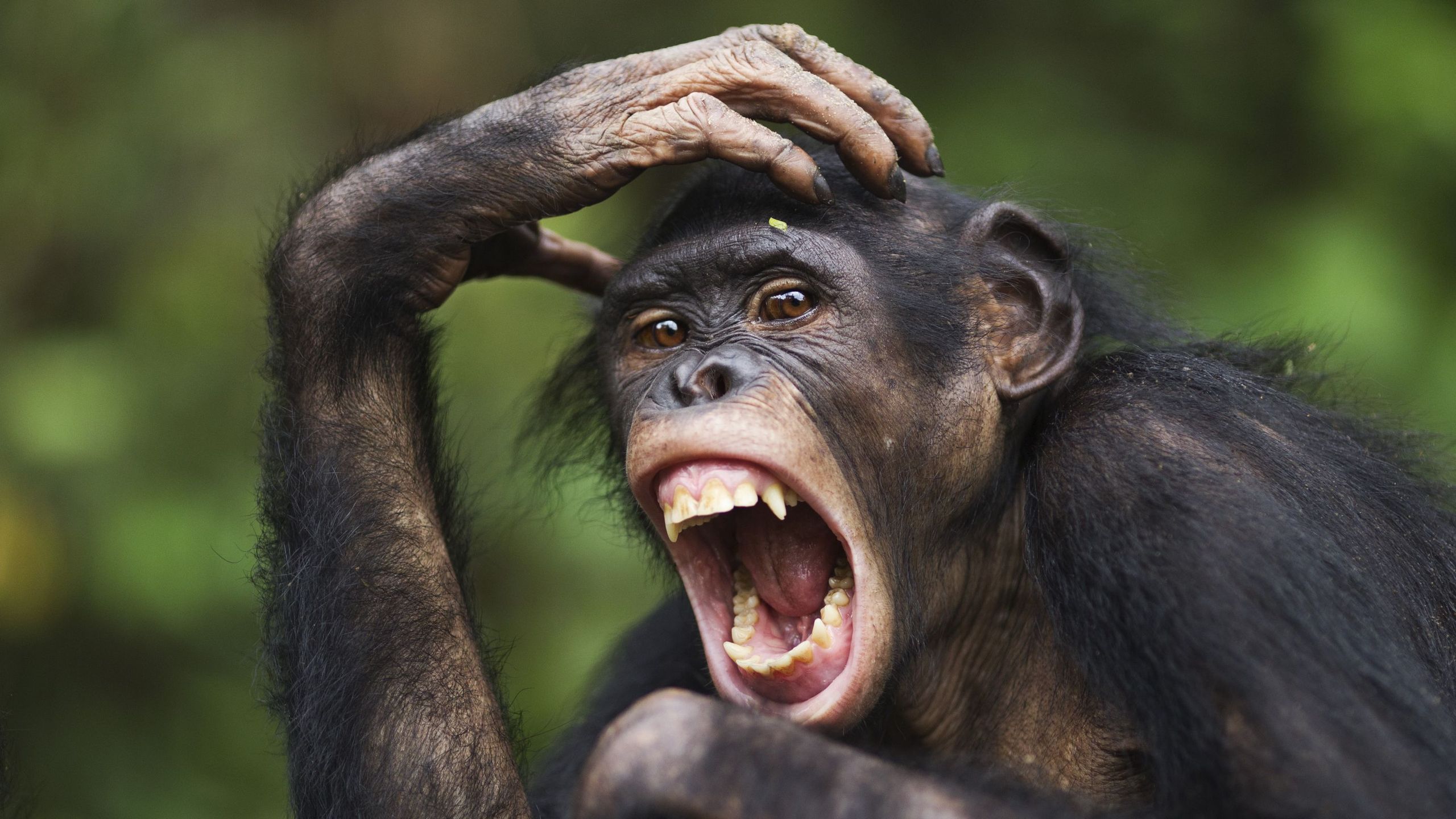
However, researchers have found that mucophagy is shared by at least 12 other primate species.
Evolutionary biologist Anne-Claire Fabre first discovered this when watching the aye-aye (Daubentonia madagascariensis). This lemur species is known for its 3-inch-long (8 centimeters) middle finger, which it uses to pry insects out of hard-to-reach crevices. But when Fabre was watching a captive aye-aye in 2015, she was surprised to see it sticking that long, thin digit into its nostrils; extracting mucus; and then licking its finger clean.
“It was hilarious and disgusting at the same time,” recalled Fabre, an associate professor at the University of Bern in Switzerland. “It seemed that it was really enjoying what it was doing. It’s something that they do pretty often.” (It’s possible that the captive aye-aye was unusual in its nose-picking habit, but there’s no reason to assume this doesn’t also happen in wild aye-ayes, Fabre said.)
This made Fabre wonder if other primates eat their mucus, too. When she carried out a literature review that included her own observations of the aye-aye, she found evidence that gorillas, bonobos, chimpanzees, macaques, capuchins and other primates also pick their noses and eat the mucus. Most species used their fingers, but some used sticks to pry out the spoils. Some primates even extended the favor, picking others’ noses too, the research found.
“When you see the composition of mucus, it’s mostly water, at more than 98%,” Fabre said. The remainder is composed of a protein-carbohydrate ingredient called mucins, and salts. It’s possible that animals reap some benefit from consuming these ingredients, the way that some species will eat their own feces to digest the remaining nutrients there, Fabre explained.
This idea raises the question of whether there may be a deeper evolutionary basis for mucophagy in humans.
Mucus creates a protective layer that traps dust, spores and disease-causing microorganisms as we inhale, before it reaches the lungs. In 2013, a biochemist shared a hypothesis that eating boogers could therefore expose children to small doses of pathogens that train the immune system to identify these molecules and can help to trigger an immune response. However, this idea was not ultimately tested in empirical research.
Dr. Chittaranjan Andrade, author of the 2001 nose-picking study in teenagers, is wary about such theories. “I am skeptical. Any immune substance that survives drying in the mucus is likely to be very small in quantity, and it is also likely to be digested after ingestion,” therefore likely having a limited effect, the senior professor emeritus at the National Institute of Mental Health and Neurosciences in Bangalore, India, explained in an email.
Other experts have cautioned that because nasal mucus can spread pneumonia-causing bacteria, nose picking and mucophagy in children should be controlled when they are around immunocompromised people.
With no evidence behind the idea that mucophagy boosts immunity, researchers have looked for more intuitive reasons why kids eat their own mucus. Boogers can create itching, tightness, and discomfort in the nose that might prompt nose-picking, and curious children might then give it a taste-test, Fabre suspects.
One researcher asked children directly why they ate their boogers. The results were published in a 2009 book chapter that was not peer-reviewed and were based on a very small sample of just 10 children. But their insights included the fact that they liked eating boogers simply because of their appealing texture and taste.
Andrade believes that children develop this habit because it doesn’t yet have the negative association that it carries for older people. “Because [children] do it openly, they are observed and scolded, and because the act, picking as well as eating, is stigmatized, my guess is that they do not repeat it, not openly anyway,” Andrade said.
Until there’s concrete research into the question, the answer to precisely why children eat their boogers will remain elusive. To Fabre at least, it’s a topic that deserves more investigation to understand if there are possible benefits or harms of mucophagy to child development.
Ultimately, she takes kids at their word and believes that they may eat their boogers simply because they like it. “It’s something that is crunchy and a little bit salty,” she says. And having watched nose-picking aye-ayes for hours and learned about the prevalence of this habit in other species, it no longer gives Fabre the ick: “Honestly, in my opinion, it’s not something that is disgusting.”