Washington
—
Inside the red brick walls of the La Vista Correctional Facility in Pueblo, Colorado, Tina Peters has grown impatient.
The former Republican clerk of Mesa County, Peters is one year into a nine-year prison term for her role in a scheme with fellow election deniers to breach voting machines in hopes of proving President Donald Trump’s baseless fraud claims. Closely guarded election passwords from her county spilled out onto the Internet as a result, showing up on a QAnon-affiliated messaging channel.
Peters is the only person currently in prison for trying to overturn the 2020 election – after Trump pardoned hundreds of convicted January 6 Capitol rioters, including those who planned the attack or were violent that day.
She remains locked up on state charges that are immune to a presidential pardon. Even from prison, she’s keeping the 2020 lies alive, through public letters and a jailhouse video interview in her orange prison uniform.
Trump has publicly badgered Colorado officials to free Peters, calling her an “innocent Political Prisoner.” The Justice Department has also intervened on her behalf, in an unorthodox move, urging a federal judge to consider releasing her on constitutional grounds, a decision that hasn’t come yet.
“Why is the DOJ defying Trump’s demands?” She recently wrote in a public letter posted to her Twitter account earlier this month. “Get off your asses and get me out!”
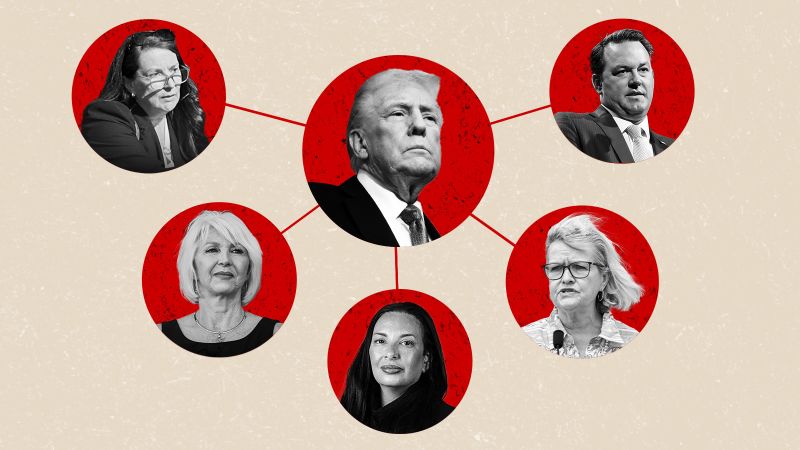
Nearly five years after the 2020 election, the debunked conspiracy that Trump was robbed of the election due to massive voter fraud has become gospel in many corners of the Republican Party. Back in power, Trump has not only pardoned rioters but also rewarded the advisers, allies and attorneys who promoted the lie on his behalf.
Some have new jobs at the Department of Homeland Security and the Justice Department. And at the White House, Kurt Olsen, a lawyer behind one of Trump’s major lawsuits in 2020 seeking to throw out millions of votes, now reportedly has a role investigating issues from 2020 and other voting-related matters. Others are running for office with Trump’s endorsement. And some are helping advance Trump’s agenda on elections through their outside advocacy efforts.
– Heather Honey, a self-styled election researcher, who seeded the 2020 conspiracy theory that there were more votes than voters in Pennsylvania, has been installed into a key election integrity position at the Department of Homeland Security.
– Honey is a close ally of Cleta Mitchell, an attorney who aided Trump’s efforts to overturn the 2020 election in Georgia and is now running a national “election integrity” network that’s more powerful than ever and is pushing Trump’s election priorities on the ground in key states.
– Trump is also endorsing figures who backed his election falsehoods, including Georgia Lt. Gov. Burt Jones, a 2020 “fake elector”, who is running for the GOP nomination for governor in next year’s midterm elections.
– And Sigal Chattah, a Republican lawyer who represented an indicted fake elector in Nevada, is now the state’s interim US attorney and is reportedly pushing for 2020-related probes.
“The overall dynamic, which is a huge problem for the country no matter which party wins, is that people can lose faith in the reliability of elections,” said Ben Ginsberg, a top GOP election lawyer turned Trump critic. “And elections are the basic mechanism for the peaceful transfer of power that has always been the foundation of our country.”
The president’s elevation of unrepentant election deniers into positions of power comes as he tries to assert new authority over elections. Trump sought to require voters to show proof of citizenship to vote, attempting an end-run around states and Congress. He recently pledged to act unilaterally to impose voter identification requirements on states and to end most mail-in voting, which would upend a safe and reliable voting method used by millions of Americans.
This year, Trump also signed an executive order, seeking broad changes in how elections are run, although the Constitution primarily vests states with that power. (Parts of the order have been blocked in court.) The Justice Department is demanding that states hand over information about their voters – including sensitive personal data, such as partial Social Security numbers – as they hunt for examples of fraud.
Mitchell even suggested recently that Trump could deploy “emergency” powers over future elections. Comments like these, coupled with Trump’s actions, have put current and former election officials on edge, with the midterms one year away and the 2028 presidential election on the horizon.
“Russia, China and Iran are sitting back and laughing at us because we’re doing this to ourselves. Our leaders are planting distrust in our own elections and institutions,” said Kathy Boockvar, a Democrat who was Pennsylvania’s top election official during the tumultuous 2020 election. “Having election deniers in these positions of power adds stress to the system.”
A White House spokesperson declined to comment when asked about the administration’s elevation of figures who have promoted debunked election conspiracies or whether the president was considering invoking emergency powers over elections.
In January 2021, Mitchell, a veteran Republican lawyer, faced a firestorm after joining Trump on the infamous phone call where he hectored Georgia Secretary of State Brad Raffensperger about the need to “find” enough votes to overturn his Georgia defeat.
Within days of the call becoming public, Mitchell resigned from the Washington law firm where she had worked for nearly two decades, blaming what she called a “massive pressure campaign” carried out against her by “leftist groups” for her departure.
In the years since, however, Mitchell has become one of the most influential election voices in the Stop the Steal movement. She built the Election Integrity Network – a coalition of conservative activists in some two dozen states, who have monitored polling places, challenged the accuracy of voting rolls and lobbied for changes to election ground rules. She also hosted more than 80 episodes of a podcast dedicated to her “election integrity” campaign.
In addition to founding the network, Mitchell serves as senior legal fellow at the Conservative Partnership Institute, a nonprofit that is home to former Trump White House chief of staff Mark Meadows and that has become a hub for pro-Trump conservatives. She also is president of the Foundation for Accountability Integrity & Research in Elections, or the FAIR Elections Fund, which has provided grants to groups that have tried to limit absentee voting and have scoured voting rolls to uncover ineligible voters in key battleground states, according to the organization’s most recent publicly available tax return.
And recently, she has emerged as a leading force behind a push to require voters to present documents proving their US citizenship. It’s a cause that Trump also has taken up with zeal, although voting by noncitizens is exceedingly rare and already illegal in federal elections.
Critics of the push say requiring voters to provide a birth certificate, passport or naturalization paperwork when registering to vote risks disenfranchising millions of Americans who might not have ready access to those documents.
Texas GOP Rep. Chip Roy, the lead sponsor of a bill in the US House to require proof of citizenship to vote, has credited Mitchell as among those who helped him draft the legislation. During a 2024 congressional hearing on the proposal, Mitchell denounced what she called the country’s “porous” voter registration system and accused Democrats of trying to flood the voter rolls with undocumented immigrants.
“If they cannot persuade the American people to want their Marxist policies for America, just import voters who don’t speak the language, don’t have a shared commitment to our country and our national principles, get them into the very poorest voter registration system and collect their votes,” Mitchell testified.
The Republican-controlled House has twice passed the bill – known as the SAVE Act – but it has not advanced in the Senate. Trump’s effort to enact the proof-of-citizenship measure on his own through an executive order has been blocked by a court.
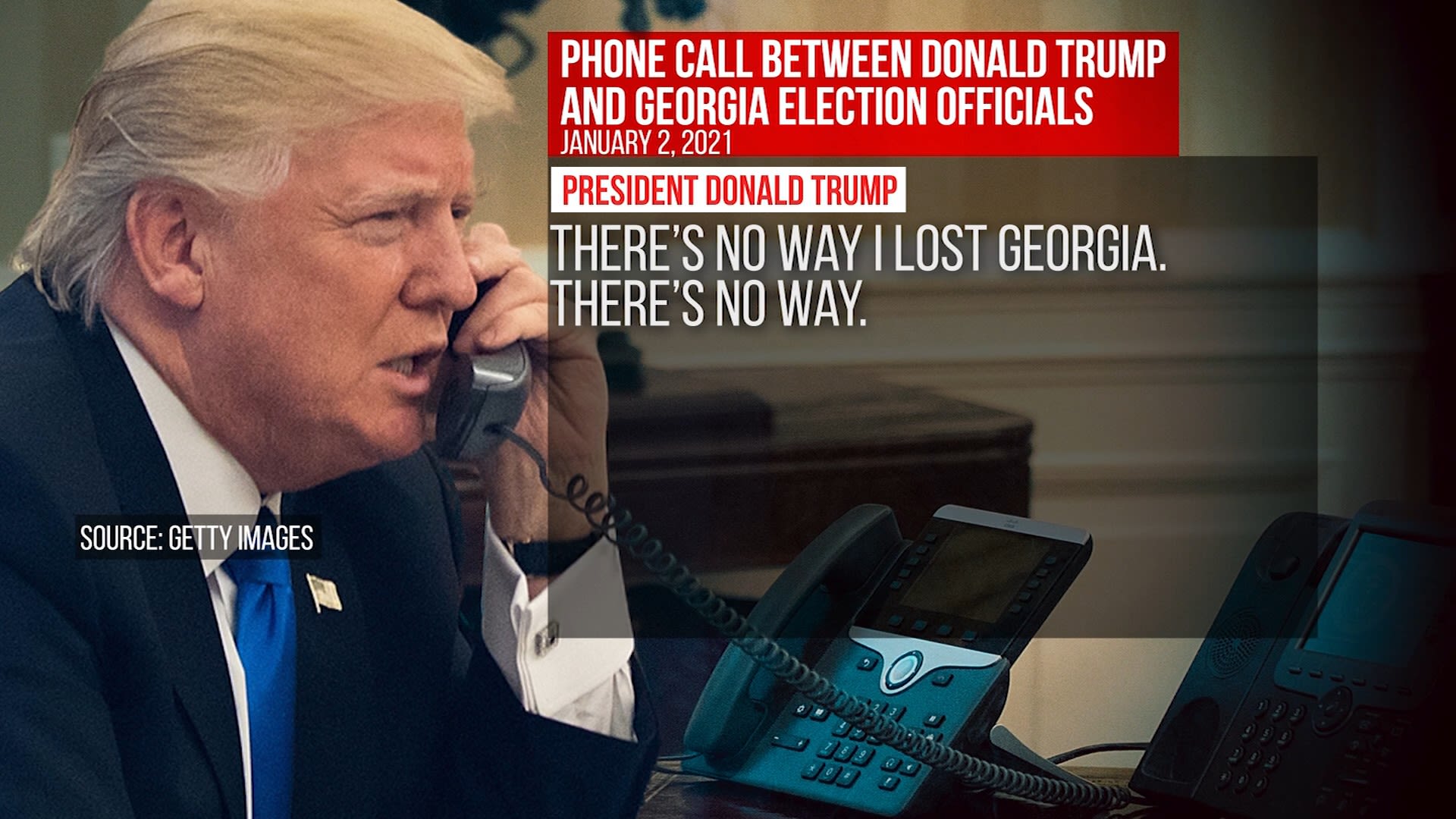
Trump and Cleta Mitchell press Georgia election officials
The administration also has begun to step up federal scrutiny of voter rolls, demanding that states share more data about individual voters and granting state election officials access to a recently enhanced database housed at the Department of Homeland Security that includes information about individuals’ citizenship status. The Election Assistance Commission – created more than two decades ago by Congress to provide election guidance to states – also is weighing changing federal voter registration forms to require proof of citizenship – a step Mitchell is promoting.
In addition, Trump has floated the idea of acting on his own to impose new voter ID requirements on states. During an appearance on a podcast last month, Mitchell argued that Trump would be within his rights to act unilaterally to “protect” future elections.
“The president’s authority … is limited in his role with regard to elections except where there is a threat to the national sovereignty of the United States — as I think that we can establish with the porous system that we have,” she told guest host former Georgia Rep. Jody Hice.
“Then, I think maybe the president is thinking that he will exercise some emergency powers to protect the federal elections going forward,” Mitchell added.
Ginsberg, the GOP election lawyer, called Mitchell’s suggestion “a dangerous comment, if she really means it, and if you believe in free and fair elections.”
When reached by CNN, Mitchell declined to discuss those remarks or answer questions. “No matter what I say, you’re going to twist it,” she said.
“I used to talk to anybody and everybody, but I don’t do that anymore because it has never worked out since 2020,” she added.
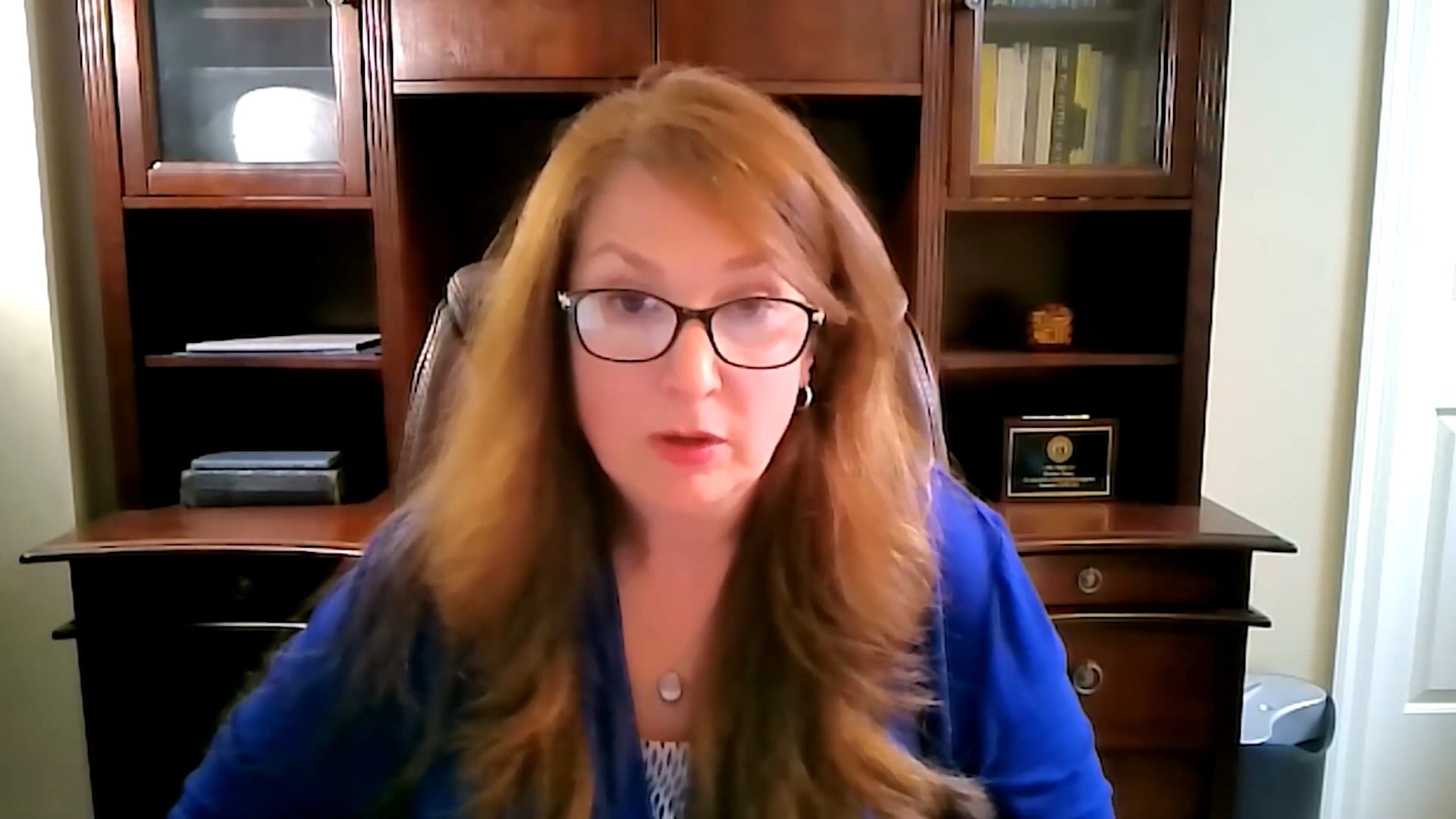
Honey, one of Mitchell’s close associates, is now arguably the most empowered election official in the administration.
In a virtual meeting with several secretaries of state last month, Honey said her role at DHS would include looking at ways for the federal government to help secure election infrastructure and systems, according to a written summary of the meeting that CNN obtained through a public records request.
Honey told state officials that she also would serve in an advisory role with the DHS’ Cybersecurity and Infrastructure Security Agency, or CISA, according to the summary. CISA was established to protect elections and other critical infrastructure from cyber and physical attacks.
But, during the meeting, Honey repeated what has been a longstanding grievance from Trump supporters: that CISA had engaged in “censorship activities.” During the 2020 election, CISA helped state and local officials from both political parties flag to social media companies instances of misleading election information – an action that then fueled claims the agency was silencing conservative voices.
A self-described open-source investigator, Honey became a prominent figure in the “election integrity” circles that have grown wider in the years since the 2020 election. She has close ties to Mitchell, having served as the head of a Pennsylvania group in Mitchell’s Election Integrity Network and as vice president and director of her FAIR Elections Fund, according to the fund’s tax records.
In a 2023 podcast interview with Mitchell, Honey also described working on the high-profile, partisan audit of the 2020 presidential election in Maricopa County, Arizona. The review, led by a Florida firm known as Cyber Ninjas, had been ordered by Republicans in the Arizona Senate who faced intense pressure from conservative activists to undo Biden’s narrow 2020 victory in the state.
In the end, the monthslong review of 2.1 million ballots cast confirmed Biden’s win.
In an interview with CNN, Arizona Secretary of State Adrian Fontes, a Democrat, called the problem-plagued audit of Maricopa County’s 2020 election a “clown show” and said Honey’s involvement in it raises red flags for him. But he said he is waiting to learn more about how exactly she and DHS plan to support election officials.
“In spite of the fact that I have real doubts about her qualifications, I’m still willing to say, ‘Hey, what do you plan on doing?’” Fontes said. However, “we haven’t heard anything at all about that,” he added.
 ” class=”image__dam-img image__dam-img–loading” onload=’this.classList.remove(‘image__dam-img–loading’)’ onerror=”imageLoadError(this)” height=”1080″ width=”1920″/>
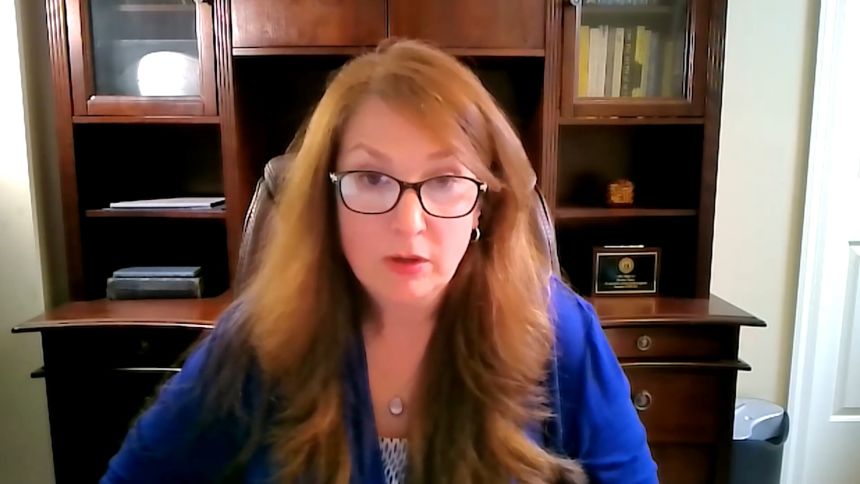
Heather Honey speaks on 2020 the election in Pennsylvania
 ” class=”image__dam-img image__dam-img–loading” onload=’this.classList.remove(‘image__dam-img–loading’)’ onerror=”imageLoadError(this)” height=”1080″ width=”1920″ loading=’lazy’/>
But Honey’s contention that there were more voters than votes in Pennsylvania during the 2020 election has received the most attention. It found its way to Trump, who made the claim in his infamous Ellipse speech on January 6, 2021, shortly before thousands of his supporters stormed the US Capitol.
Pennsylvania officials say Honey’s analysis was flawed because it relied on a tool used to track voter histories that is not intended to crosscheck vote totals for any specific election.
“It was an absurd and easily contestable allegation, because they looked in the wrong places for the wrong information,” said Boockvar, Pennsylvania’s top election official in 2020. “It was so obvious that it was false and wrong, that we thought it would go away. But it came back, again and again and again.”
Reached by CNN, Honey referred questions to DHS, which defended her hiring.
“To meet the diverse and evolving challenges the Department faces, we hire experts with diverse backgrounds who go through a rigorous vetting process,” a DHS spokesperson said in a statement. “Heather Honey has been an election system expert for over half a decade and has thirty years of expertise in auditing and intelligence analysis.”
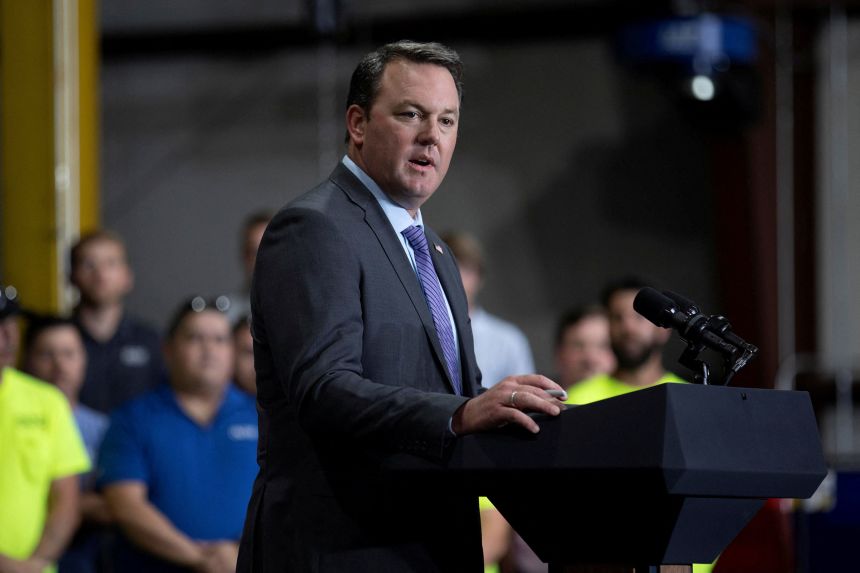
Burt Jones: From 2020 ‘fake elector’ to favored candidate
In Georgia, a key front in the 2020 election wars, Jones, the state’s Republican lieutenant governor, is running for governor next year with Trump’s “Complete and Total” endorsement – an illustration of the growing political clout of officials who tried to overturn the results of the 2020 election.
In the aftermath of the 2020 election, Jones gained national attention as one of 16 Republicans in Georgia who signed certificates falsely declaring Trump as the winner of the state’s electoral votes. Then a state senator, Jones also unsuccessfully pushed for a special legislative session to potentially overturn Joe Biden’s victory in the state.
Now, in a contest that’s expected to be one of next year’s marquee governors’ races, Jones is painting himself as the true Trump loyalist in a crowded field.
“Something nobody else has that I have in this race … the 100% backing and support of our commander in chief and greatest president,” an ebullient Jones said during his campaign kickoff event.
Trump’s effort to overturn his 2020 loss in Georgia is emerging as a key fault line in the race. Jones’ GOP primary opponents include Raffensperger, who famously rebuffed Trump’s demand to “find” the votes needed for him to undo his defeat in Georgia, and Attorney General Chris Carr, who opposed a lawsuit that Trump allies had filed, which urged the Supreme Court to toss out millions of votes in Georgia and other states Biden won.
Meanwhile, former Georgia Lt. Gov. Geoff Duncan, who left the Republican Party, has joined the field of Democrats seeking the governorship. He also denounced Trump’s efforts to overturn the 2020 election at the time and stripped Jones of his legislative committee chairmanship as punishment for his role in backing Trump’s fraud claims.
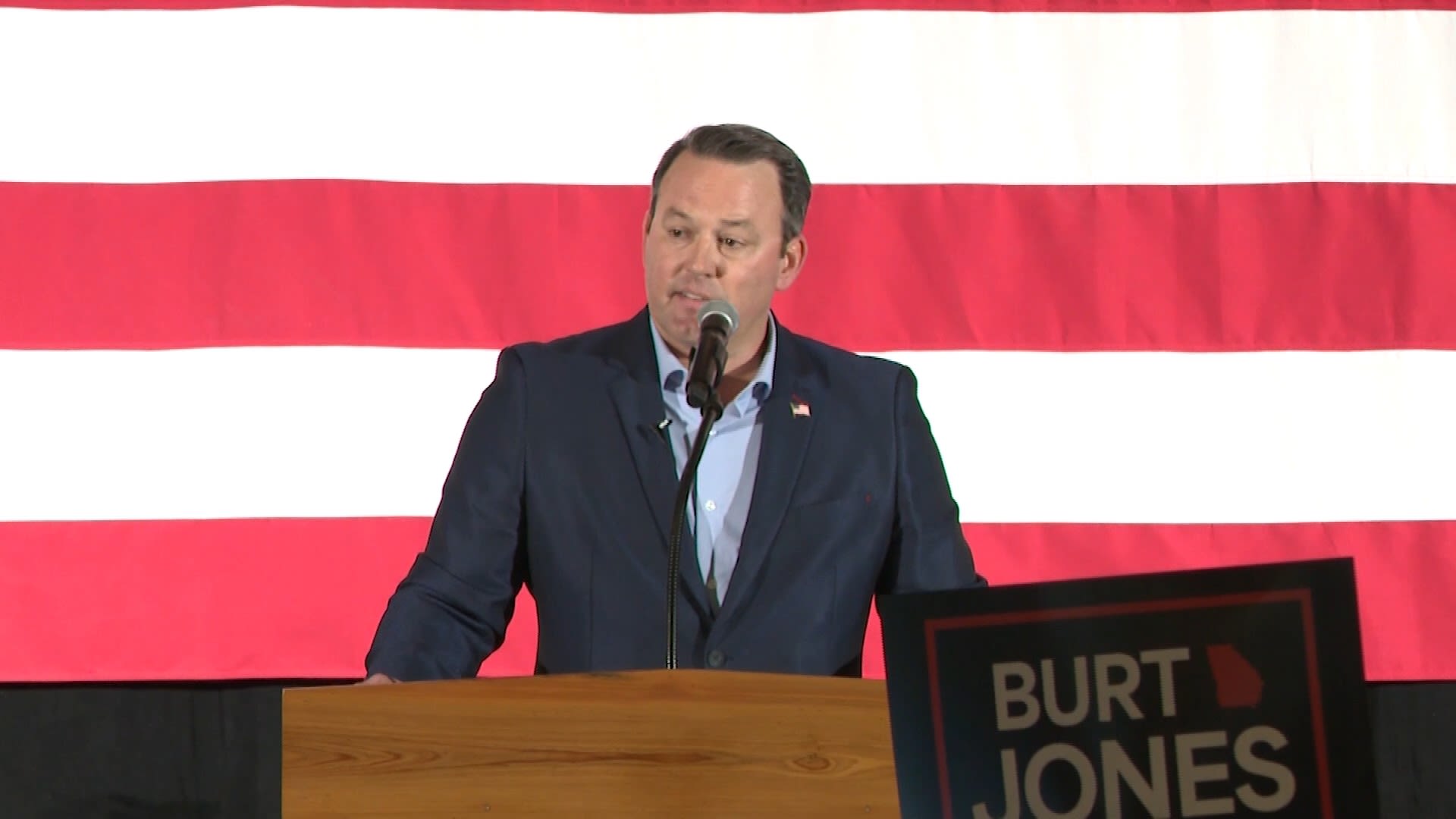
Georgia Lt. Gov. Burt Jones touts Trump’s support
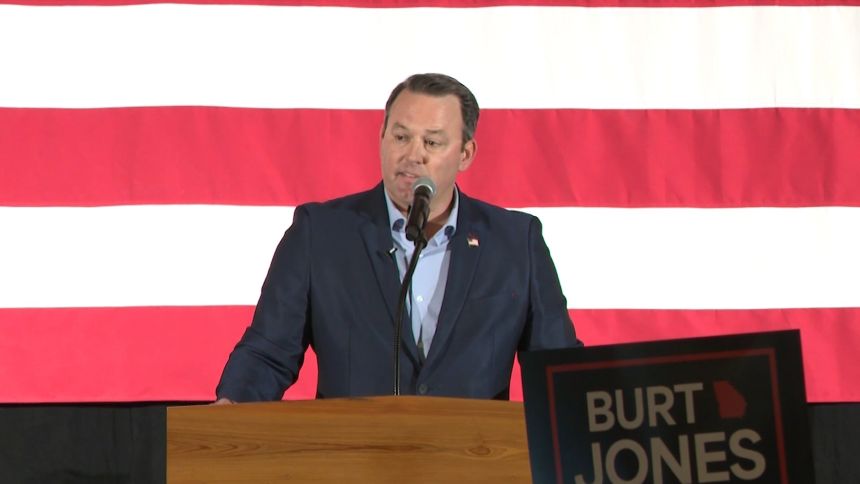
Last year, a special prosecutor appointed to investigate Jones’ role as a fake elector declined to pursue charges against him, concluding that the Republican did not act with criminal intent. Several of the other Georgia fake electors were indicted in Fulton County District Attorney Fani Willis’ now-stalled racketeering case against Trump and other key figures.
“I’ve taken on the Republican establishment. I’ve taken on Democrats. I’ve taken on rogue DAs, even, that try to incriminate you, and I’m still standing here, ladies and gentlemen,” Jones said to applause at his campaign rally. And a Jones campaign video pejoratively casts Carr and Raffensperger as “Team Never Trump.”
A Jones campaign spokesperson declined to comment.
Trump has previously tried to influence Georgia political contests – backing GOP primary challengers to Raffensperger, Carr and Gov. Brian Kemp in 2022. All three were re-elected. But next year’s gubernatorial race will not feature an incumbent because Kemp is term-limited.
Georgia allows voters to choose either a Democratic or Republican ballot in the primary election. But the competitive, wide-open nature of the election on both sides of the aisle likely will result in fewer crossover voters in the governor’s race, allowing Jones to focus on turning out the GOP base, said Jay Morgan, the former executive director of the Georgia Republican Party.
“There will be no reason to appeal to folks that had concern about Stop the Steal or January the sixth,” Morgan said. “Burt Jones believes that it is a strength of his campaign that he stood with the president. And for a lot of people, that will be enough.”
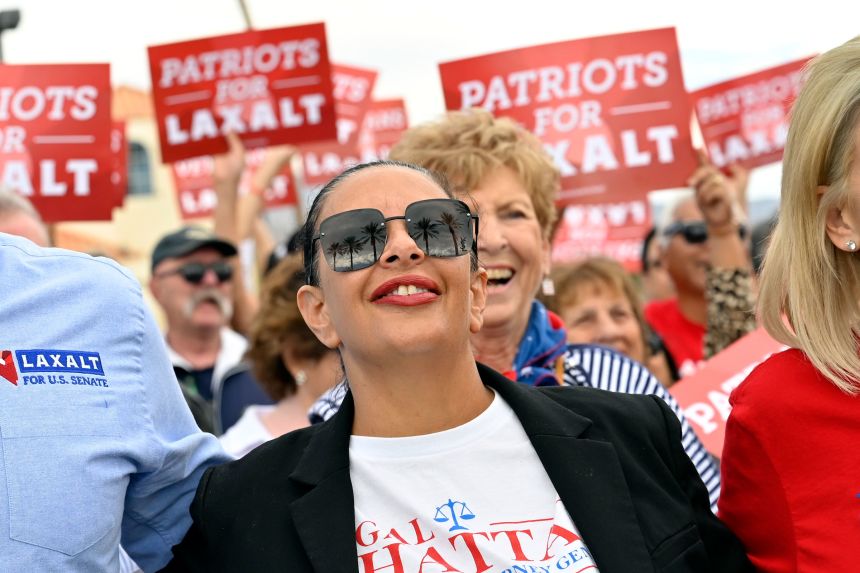
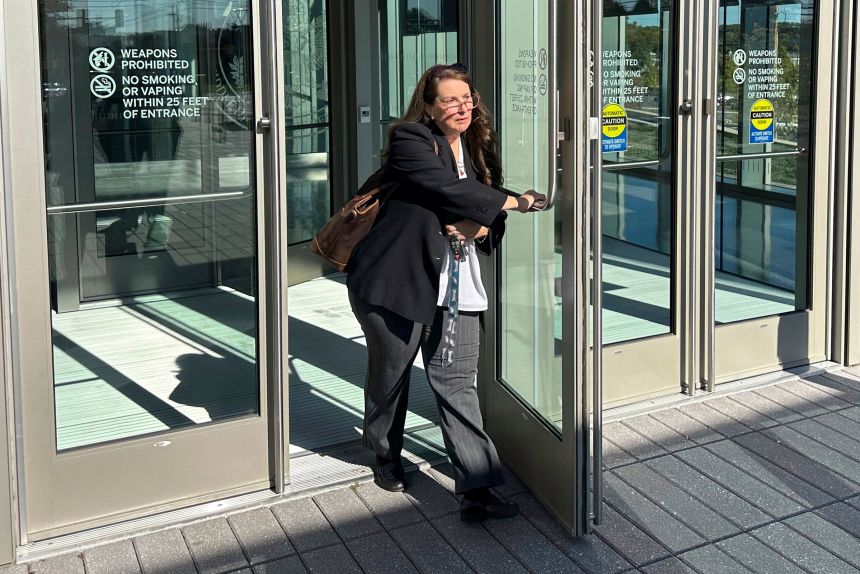
Sigal Chattah was the defense attorney for one of the 2020 “fake electors” from Nevada. She’s now the top federal prosecutor in the state and is trying to use her office to relitigate that election and exonerate the fake electors.
But unlike many other GOP activists, Chattah wasn’t at the forefront of the post-election efforts to overturn the 2020 results. Instead, that year, she largely focused on fighting Covid-19 restrictions. She even said in a 2021 interview, while running for Nevada attorney general, “I don’t think that the 2020 election was stolen.”
That was when Trump was in the wilderness, and election denialism was seen as a liability. Chattah ended up losing the 2022 attorney general’s race to Democrat Aaron Ford, who subsequently indicted the state’s fake electors one year later. That matter is still pending in state courts.
As Trump rose again during the 2024 campaign cycle, Chattah ratcheted up her rhetoric on election integrity, saying it was time to “eliminate mail-in ballots,” questioning the security of Dominion voting machines, and praising efforts by Stefanie Lambert, a Michigan-based election denier, to delegitimize the 2020 results.
Trump named Chattah in April as the interim US attorney for Nevada.
Reuters reported that Chattah sent a letter in July to Justice Department officials asking the FBI to investigate the 2020 election in Nevada. She gave federal agents a thumb drive that she said contained data about voting by undocumented immigrants and cash bribes that were supposedly paid to Native American tribes – highlighting two of Trump’s favorite (and debunked) talking points about Nevada’s 2020 election results.
She also mentioned in the letter her desire to exonerate “fake electors” from her state, according to Reuters.
In response to CNN’s inquiries about the Reuters report, Chattah said, “You don’t believe everything you read, do you?” She also said, “I don’t comment on the existence or non-existence of investigations,” regarding the potential new 2020-related FBI probes.
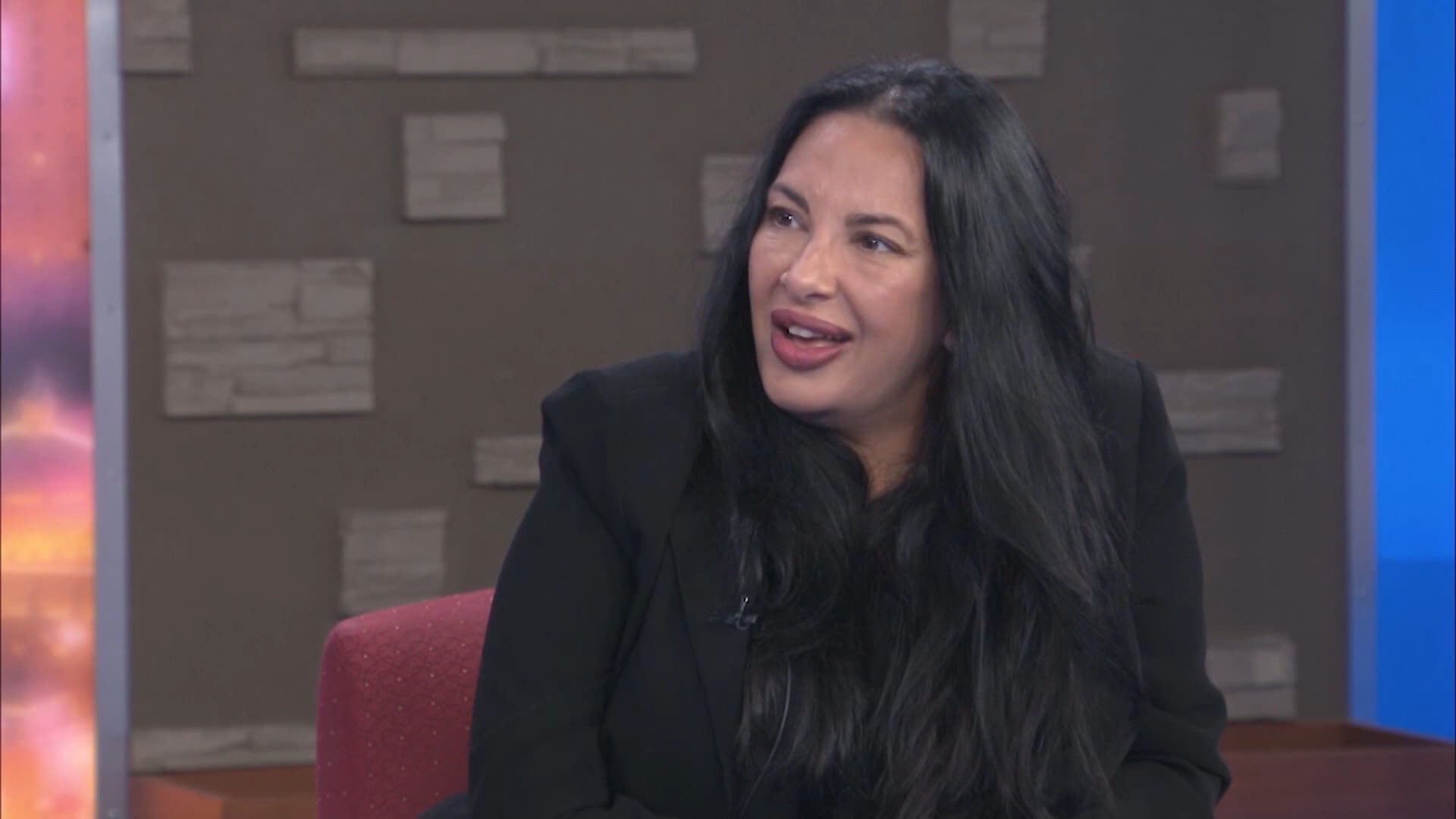
Sigal Chattah previously rejected 2020 fraud claims
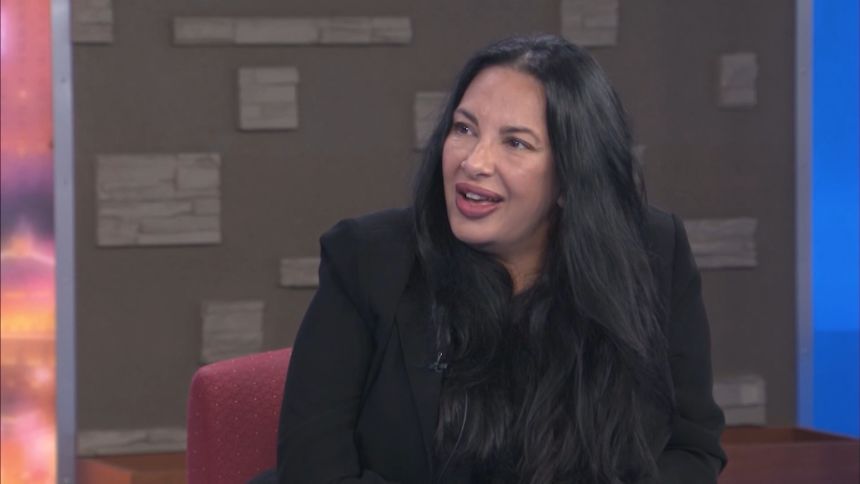
Bradley Schrager, a top lawyer for Nevada Democrats who has litigated against Chattah in court, said the 2020 voting issues that Chattah flagged in her letter were already investigated, and “at no point were those claims given any credit by any court in this state.”
“It is incredibly easy to play on manufactured fears or narratives regarding election results of the past,” Schrager said in an interview. “The US attorney has masters that she needs to serve. She is satisfying her political superiors by indicating that these investigations will be undertaken.”
But back in 2021, she struck a tone more commonly heard from Democrats, telling an interviewer: “Yes, we have evidence of voter fraud. But to take that, and to make that leap, from certain voter fraud to a stolen election – I’m a very pragmatic attorney, I need to see the proof.”
Asked if she stands by those comments, Chattah told CNN, “My pragmatism hasn’t changed.”
Regardless, she may not be the top federal prosecutor in Nevada for much longer. A federal judge ruled last month that Chattah was unlawfully appointed to the position because she was serving beyond the statutory 120-day limit. The Trump administration is fighting that decision.
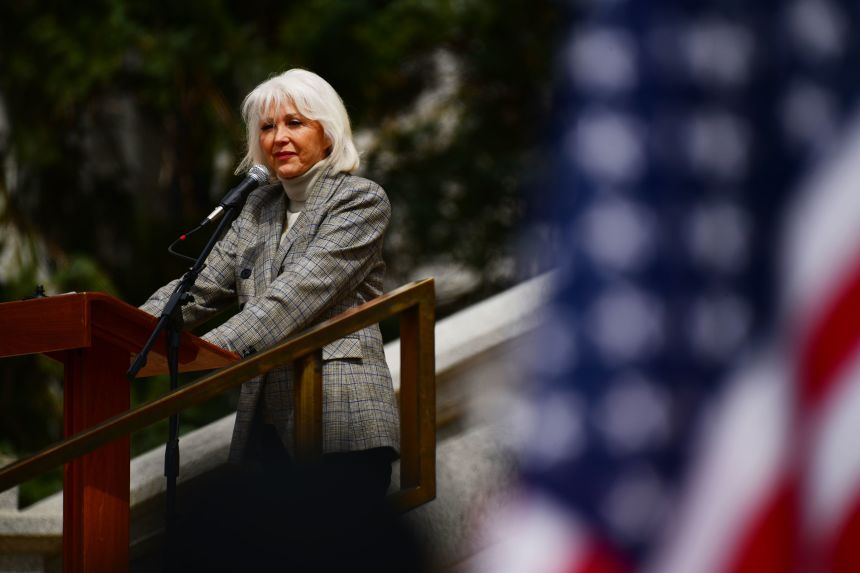
Meanwhile, back in Colorado, Peters is still waiting to find out whether a federal judge will release her from prison while she appeals her conviction. She has eight years left in her sentence.
After Trump lost in 2020, Peters got involved with other election deniers across the country who tried to prove Trump’s fraud claims by breaching voting systems in Colorado, Michigan, Georgia, and other states.
Their efforts culminated in, among other things, Peters illegally letting one of those people access the voting machines in Mesa County, where she was the clerk. She was caught, prosecuted and convicted of felony charges tied to the Mesa breach.
Because these were state crimes, there isn’t much Trump can do for Peters, 70. But he has publicly threatened “harsh measures” against Colorado if Peters isn’t freed, and he recently cited the state’s universal mail-in voting policies as one reason why he moved the US Space Command from Colorado to Alabama.
Colorado Gov. Jared Polis, a Democrat, has said he won’t pardon Peters as part of any quid-pro-quo with Trump
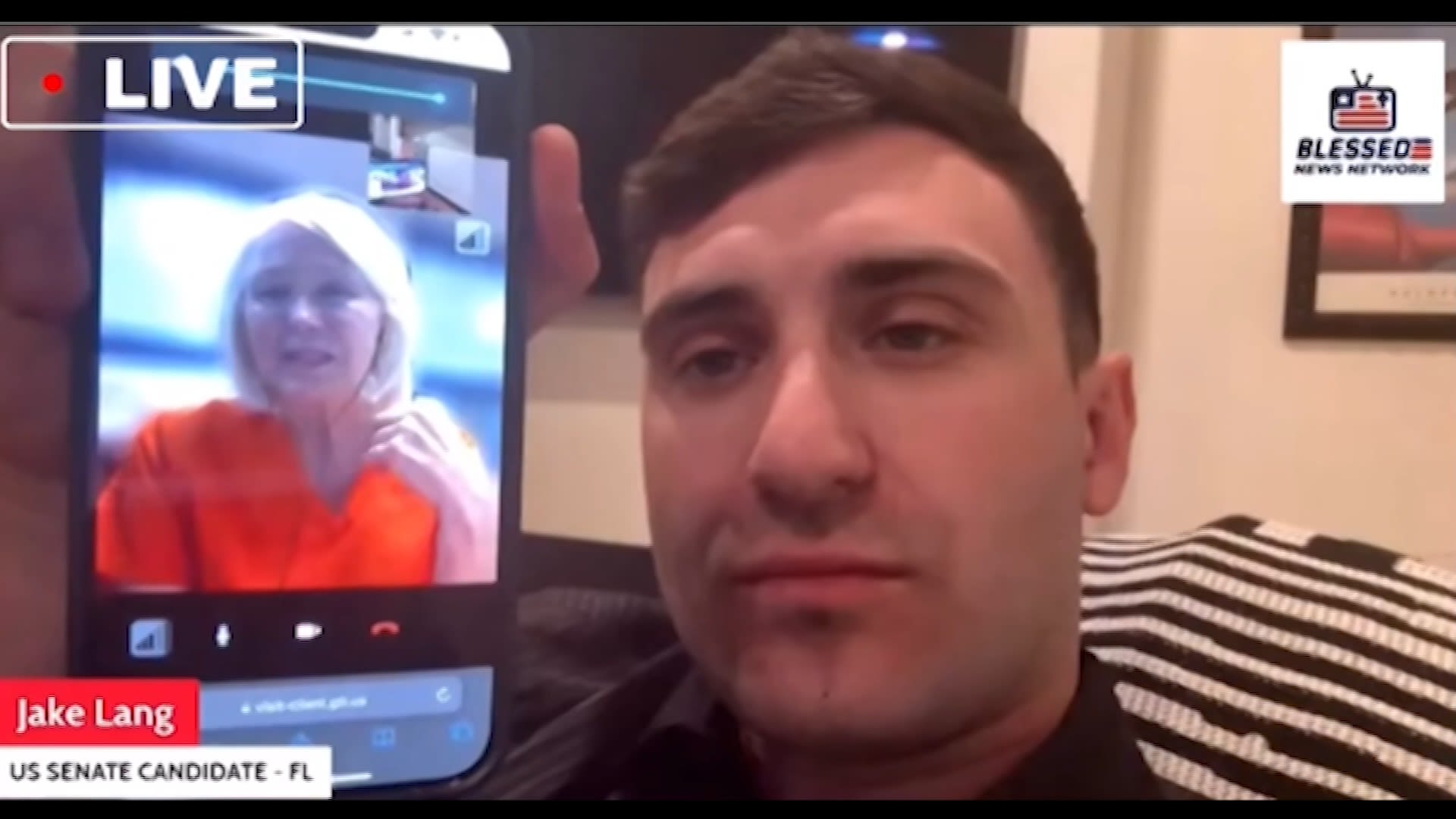
Tina Peters jailhouse interview
Meanwhile, Peters has continued her activism from prison. She has published letters pledging loyalty to Trump and did a video interview from prison with a pardoned January 6 defendant. She complained about poor conditions, saying she might get “PTSD” from “the slamming of the heavy metal doors… the yelling of your name… (and) the rubber cups that smell like chemicals.”
CNN requested an interview with Peters through her attorney, Patrick McSweeney. He said “her spirits are much improved from a month ago,” after prison officials addressed some of her concerns.
“She is surprisingly resilient… and she appreciates the President’s interest in her case, which is unusual for him to be involved in an individual matter,” McSweeney said.
Denver-based federal magistrate Judge Scott Varholak could decide any day now whether to grant her release while her state-level appeals play out.