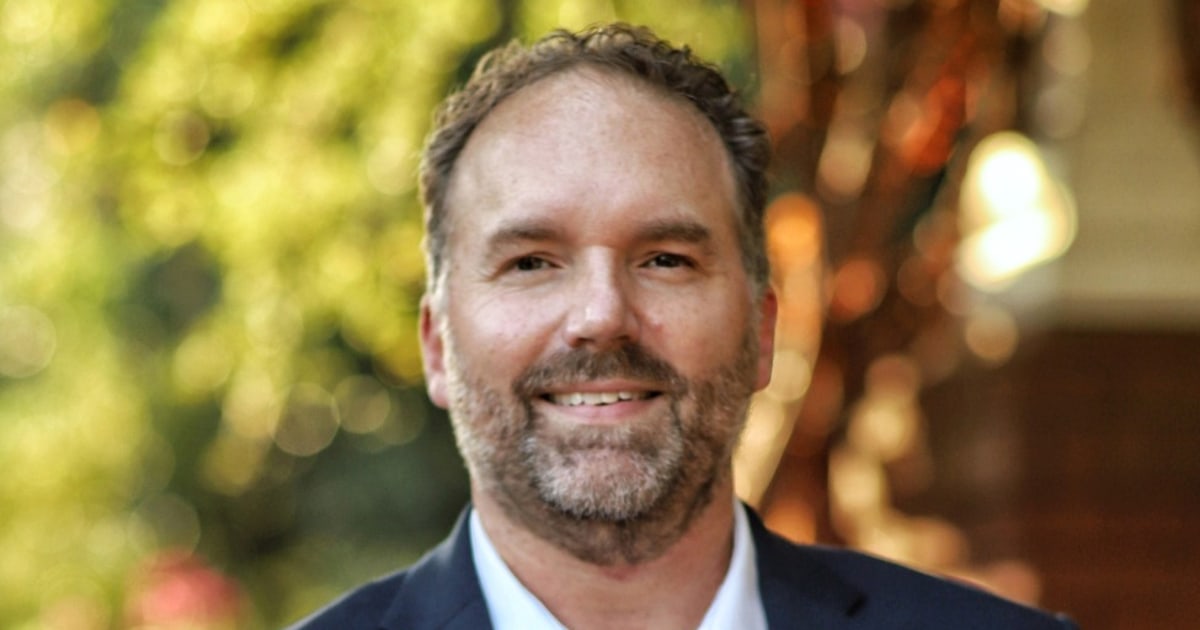





On the Wednesday, December 10, 2025 episode of The Excerpt podcast: After losing all 3 branches of power in 2024, Progressive Democrats are hungry for the opportunity to reshape the party along ideological, generational and other factional lines in 2026. USA TODAY Chief Political Correspondent Phillip M. Bailey joins The Excerpt to discuss how progressives are changing the calculus in Washington.
Hit play on the player below to hear the podcast and follow along with the transcript beneath it. This transcript was automatically generated, and then edited for clarity in its current form. There may be some differences between the audio and the text.
Podcasts: True crime, in-depth interviews and more USA TODAY podcasts right here
Dana Taylor:
After losing all three branches of power in 2024, progressive Democrats are hungry for the opportunity to reshape the party along ideological, generational, and other factional lines in 2026.
Hello, and welcome to USA TODAY’s The Excerpt. I’m Dana Taylor. Today is Wednesday, December 10th, 2025.
Fueled by an increasing anger among Democratic voters in a splintered Republican base, the possibility of a Democratic controlled House looks increasingly likely for 2027. How might that thwart the success of President Donald Trump’s second half agenda?
Joining me to look at how progressives might change the calculus in Washington is USA TODAY chief political correspondent, Phillip M. Bailey. Phillip, thank you so much for coming back on the show.
Phillip M. Bailey:
Hey, Dana, how are you?
Dana Taylor:
It’s good to see you. So let’s start by looking at what some recent polling has revealed about how voters are feeling about President Trump and Republicans and Democrats in general.
Phillip M. Bailey:
For President Trump now, I guess 11 months since his return to power has really seen, I think his approval numbers shrink to numbers that he didn’t even see in his first term. Poll after poll shows the American people are very frustrated with the lack of lowering prices. His own coalition is beginning to show some cracks.
We see with, for example, Congresswoman Marjorie Taylor Greene of Georgia. We just recently did a sit down interview with 60 Minutes. And the two of them are having a back and forth. I think just recently, he again attacked her as a liar and as a traitor, as he calls her on social media. And as a result, we’re seeing some of this take a plunge in his approval numbers.
A recent New York Times analysis of polls found the president’s approval numbers had fallen to about 42% while his disapprovals had risen to 55%. And this is the ebb and flow that presidents often go through, but I think for Donald Trump who so long really held his base and held his coalition intact to see this infighting, not just with Marjorie Taylor Green. But let’s look at Congresswoman Elise Stefanik of New York and her recent criticisms of Speaker Mike Johnson.
So just as MAGA is beginning to fray, Dana, and you’re seeing this sort of people shoot off and go with the more America First, whether it’s on foreign policy, whether it’s on lack of affordability being tackled, whether it’s issues with the tariffs and other issues that people on the right are having with them, Democrats are beginning to see some confidence and some bright spots almost a year after, really, many have predicted their demise after the 2024 presidential loss.
Dana Taylor:
Phillip, anger among voters is a big theme in your recent analysis. What’s the political backdrop to this? What are you hearing from voters?
Phillip M. Bailey:
Well, look, I mean, Democrats are still really in the tank with voters overall. Poll after poll, survey after survey has shown voters are not really keen on the Democratic Party, but they have benefited, I think, largely from President Trump’s failures in his own fraction coalition.
What we’re seeing though, Dana, is in… Pew Research came out with this month that Democrats are angrier than their GOP counterparts or independents. About 44% of Democrats and Democratic leaning independents are saying that they are angry toward the federal government. That’s a record high since Pew Research really began measuring that back in 1997, way back during the Clinton administration.
That’s far exceeding what Republicans, when they were angry during the Obama years, about 38% who said they were angry at the federal government, about 35% of Republicans said the same thing during the Biden years. There is this emerging left leaning populism based on anger, not just at the Trump administration, but anger overall at the cost of living and other issues in the United States.
So it’s not just focused on Donald Trump. There’s a wide range of things that Democrats and their allies are angry about, and that’s going to show up, I think, first and foremost in these Democratic primary seasons. Those are the races that are going to really determine what the Democratic Party of the future is going to look like. You see more of the old guard, veteran Democrats retiring like former House Speaker Nancy Pelosi.
Of course, we all remember that during the 2024 presidential election, Joe Biden, his age and acuity was often brought up, regularly brought up. And of course, that abysmal debate performance he had against Donald Trump last year only put that more into focus. So age has been something that’s always been undergirding. I think the Democratic angst, but there are bigger issues than that as well, but still age is going to be something that you’re going to see. I think a younger generation of progressives call attention to.
Graham Platner, for example, one of the Senate candidates, Democratic candidates out in Maine, we had a chance to speak with him. And one of the things that he brings up is Medicare for All and taking on the billionaires, but his supporters and the polling shows this from groups that are aligned with Platner’s campaign.
They point out that this 40-year-old oyster farmer, former veteran, retired military member, 40 years old running against a Democratic primary against a 77-year-old incumbent governor, Janet Mills, who’s backed by Chuck Schumer and more of the establishment side of the Democratic Party.
You’re seeing this up and down the ballot across the country where age is going to be, I think, a focus for younger Democrats. Will that be the leading feature? I don’t necessarily think so, but it certainly is something that polls indicate from the progressive campaign committee and others who are supporting Platner. That polling shows that, look, voters have a bit of wince or anxiousness about older candidates.
Dana Taylor:
What are the progressive’s primary motivating goals?
Phillip M. Bailey:
For the activists left and people who sit on the more progressive side, there are a number of issues besides just affordability. Medicare for all is certainly one that they still talk about finishing what Obamacare initially started. Remember, there are still a lot of raw progressives who feel upset about the fact there was a lack of a public option back in 2010.
There’s definitely a conversation about taking on the billionaire class. There’s also one talking about Israel. That is something that you’re going to see. Let’s take, for example, Congressman Richie Torres out of New York who represents the Bronx. He’s facing challengers who are straight up saying, look, not only is lack of action on affordability, lack of action maybe on taking on Donald Trump more aggressively, but they point to Torres’s rabid support and open support for Israel. And that has something that was a major issue for people on the left during the 2024 presidential campaign.
I think you’re going to see a lot of these younger candidates running for Congress, running for Senate, running on the Democratic side, mentioning what happened and what took place in Gaza, Israel’s war there. That’s something that I think both unites, oddly enough, the MAGA base and parts of this new emerging progressive base as well.
So you’re going to see a lot of Democratic incumbents who might have been used to supporting Israel with no problem whatsoever, maybe hearing some wrangling from folks on the outside and the activist ranks, but those folks are now on the inside. They’re coming into these primaries and there’s a shift on the Democratic base when it comes to Israel, when it comes to what happened in Gaza. I think for a lot of incumbents who may be caught flatfooted or who have a history of supporting Israel, they’re going to be challenged on that directly.
Dana Taylor:
Phillip, do you think progressive Democrats are influencing messaging by Republicans running in the midterms?
Phillip M. Bailey:
The Republicans have already indicated that they plan to paint a broad brush really with whoever comes out of these primaries, but particularly for those who are coming from the more left leaning progressive side, certainly some folks who are running as members of the Democratic socialists of America. Zohran Mamdani’s face is already being plastered on ads in battleground congressional districts. I’m thinking of like Wisconsin three, for example, where you’re going to see some of these tight purple seats where there’s a chance to flip for Democrats.
Remember, Democrats only need to flip about three seats to retake the House. It’s a bit of a steeper hill on the Senate side, but on the House side of things, Democrats are a lot more bullish. And I feel like they believe that they can win that and they see that as the eyes on the prize for them.
But I think for Republicans, when it comes to those races that are so, so close in those more purple leaning battleground districts, you’re going to see Zohran Mamdani more so than Hakeem Jeffries or Chuck Schumer featured in Republican attack ads.
Dana Taylor:
So Phillip, are Democrats likely to win the House in 2026? And with a Republican majority in the Senate likely and a Republican in the White House, what might a Democratic led House accomplish in the two years before we have a new administration?
Phillip M. Bailey:
Look, there’s always a generic poll that comes out right before these midterm elections. Mayors usually does these and they ask the question of generically voters, who would you want to see in your congressional seat? Would you support the generic Democratic candidate? Would you support the generic Republican candidate?
In this situation this year, that question was asked in about 14 point margin Democrats lead that question. In years past, that’s the highest margin they’ve had since 2017 when the next year they took and that so called Blue Wave took back the House and that really stunted a lot of Donald Trump’s agenda and that’s where he was first impeached.
How this is going to be prosecuted, Dana, we got to pay attention to some of these congressional district and primary races. Is it going to be focused primarily just on policy and Medicare for all and foreign wars or are we going to be having a conversation about impeaching Donald Trump? Is there going to be a conversation about replacing Hakeem Jeffries as leader in the House? That all will be done here in the shuffle of these congressional races.
I anticipate that everything will be on the table, but I think primarily what you’re going to see, and when I talk to more progressive leaning groups of organizations like EMILY’s List and PCC and others who are getting behind more left-leaning candidates, they’re saying, “Look, the policy differences, there may not be a lot of daylight between these so called centrists and aggressive candidates or incumbents and challengers.”
In fact, when I talk to those activists with the PCC, they tell me that, look, there’s not really an issue about ideology as much as emphasis on what issues do you care about, what story can you tell, and can you name villains? I anticipate that Israel and Gaza and the billionaire donor class are going to be the leading issues in these primary season campaigns for Democrats.
We’ll see what happens on the Republican side, because remember they have their own civil war that’s beginning to brew. But I think for Democrats in particular, there’s an itching for a clash. A lot of times Democrats have said in these past two election cycles in particular, feeling that the party establishment really picked or selected the candidates. That was a lot of that hand wringing in 2024. So I think there’s a yearning for Democrats to have a free for all. There’s not a real fear from this.
When I talked to, for example, Democratic National Committee Chairman Ken Martin, he said to me right after their off year election victories in Virginia and New Jersey, he was saying, “Look, we’re opening up this party. It’s going to be a big tent.” He really seemed to have a come one, come all onto the Democratic Party. So there doesn’t seem to be as much fear of a problem on the Democratic side as there was even a year ago.
I think they’ve accepted that, look, having a selection before the election isn’t the best way to go about things and a free for all might be the cleansing of the power that Democrats need ahead of the 2026 midterms.
Dana Taylor:
Finally, do you think progressives might eventually help Democrats to unify the base with a cohesive platform in 2026, or is it too soon to tell?
Phillip M. Bailey:
Well, I think this is what you’re going to see it come down to as well, not just ideology and policy differences, but also tactics. Zohran Mamdani more than I think than you’ve seen any left leaning candidate energize younger voters, energized a whole new group of voters. And I think this is where you see Democrats really ripping a page out of Donald Trump.
Back in 2015/2016, Donald Trump didn’t just accept what the current Republican Party was. He changed the Republican Party. He brought people into it with him. And I think that’s what you see a lot of these more left-leaning candidates arguing is that whether it’s Zohran Mamdani or someone at the national level ticket or someone at the local level, you have to have candidates who want people to come out and vote for them. You can’t just have these stale, older Democrats who sort of want to go by the process, go by the rules.
I think when you see these more Gen Z, millennial candidates, even some Gen X Democratic candidates running, they’re running with the emphasis on we have to do things differently. I think, again, talking to Graham Platner out in Maine, his point to me was, “You can’t expect to change a system and have the very same people who’ve always existed in that system change it.” And he says, “For him, it’s paramount that Chuck Schumer be replaced as the Democratic leader.”
How much of that will come up, I think we should also pay attention to, but I do think that we’re going to see Democrats take some urgency from these new candidates who are going to bring in new voters.
We’ll see how, of course, how these primaries lay out. Not every primary challenger, left leaning primary challenger is going to win. We’re going to see some incumbents with their name ID and their sort of bread and butter, tactical efforts prevailing some of these primaries.
But if we see more of these challengers, who, by the way, Dana are already beginning to outraise some of these incumbents. I believe NBC News first reported that, look, when we look at the FEC reports coming out this quarter, you’re seeing about nine incumbents being outraised by opponents. That’s a sign that there’s some need and a call for new blood in the Democratic Party. I think it hasn’t heard from its constituents from its base in a while now. That base is angry, they want change, things cost way too much, and some folks are going to lose their job as a result.
Dana Taylor:
Phillip M. Bailey is a USA TODAY chief political correspondent. It’s always good to talk to you, Phillip.
Phillip M. Bailey:
Dana, as always, thank you.
Dana Taylor:
Thanks to our senior producer, Kaely Monahan for her production assistance, our executive producer is Laura Beatty. Let us know what you think of this episode by sending a note to [email protected]. Thanks for listening. I’m Dana Taylor. We’ll be back tomorrow morning with another episode of USA TODAY’s The Excerpt.
This article originally appeared on USA TODAY: Will the Democratic party see new success in 2026? | The Excerpt