The patient: A 25-year-old man in Germany
The symptoms: The man was on a ski trip in November 2008 when an avalanche knocked him unconscious and left him buried under snow for 15 minutes. His body tissues were starved of oxygen while he was trapped, leading him to develop a condition called hypoxia. His friend rescued him and immediately began CPR upon releasing him from the snow, Berend Feddersen, a neurologist at the University of Munich in Germany, and the lead author of a report on the case, previously told Live Science. He was then taken to a hospital.
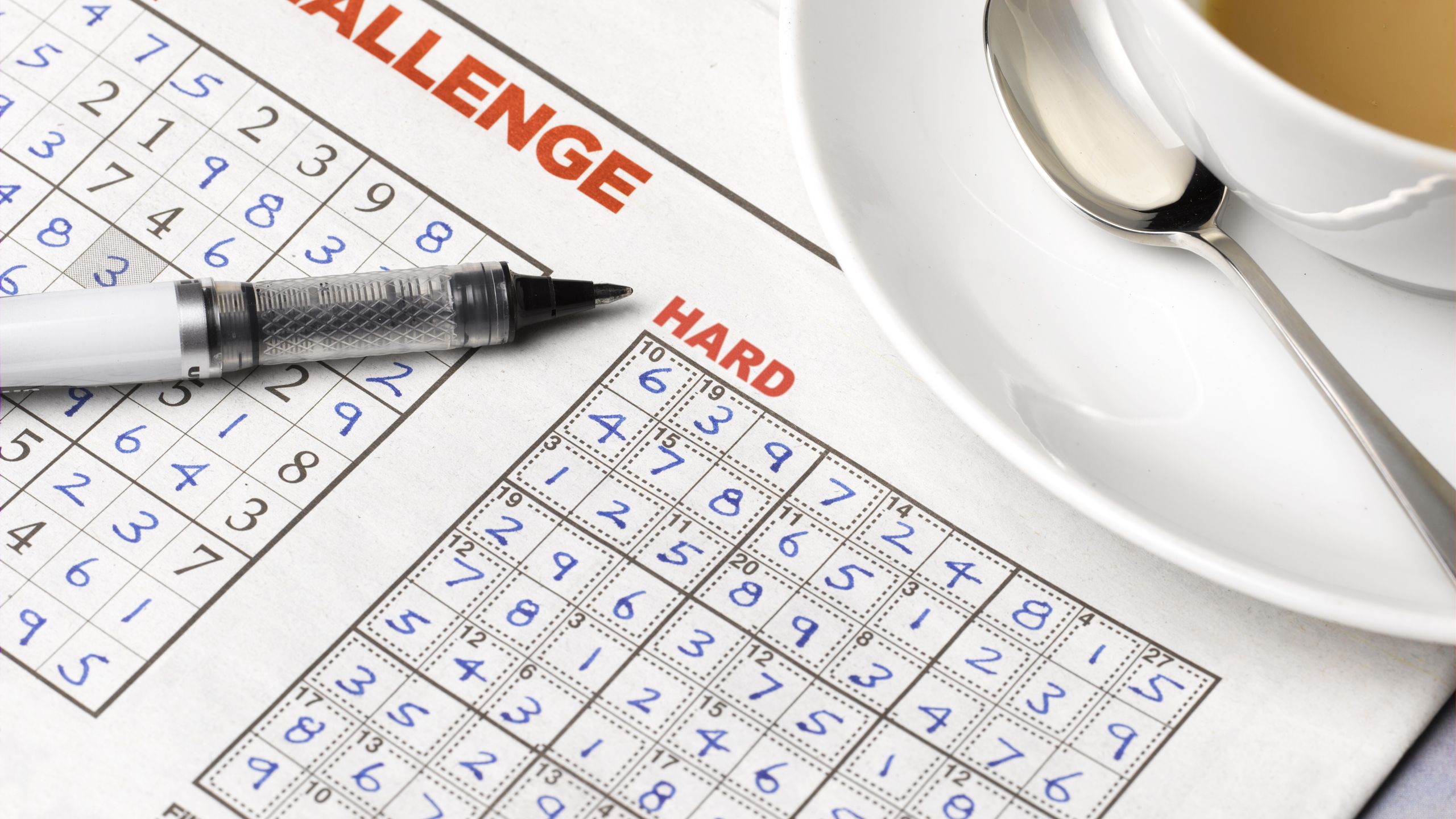
What happened next: After a stint in the hospital, the man was moved to a rehabilitation facility. While at this center, he started a sudoku puzzle — a regular pastime of his prior to the injury.
As he solved the sudoku, the muscles in his left arm repeatedly jerked. But these movements immediately ceased when he stopped work on the puzzle.
The diagnosis: The man appeared to be having clonic seizures — repeated jerking movements — in his arm while solving sudoku, so the medical team ran brain scans to better understand what was happening.
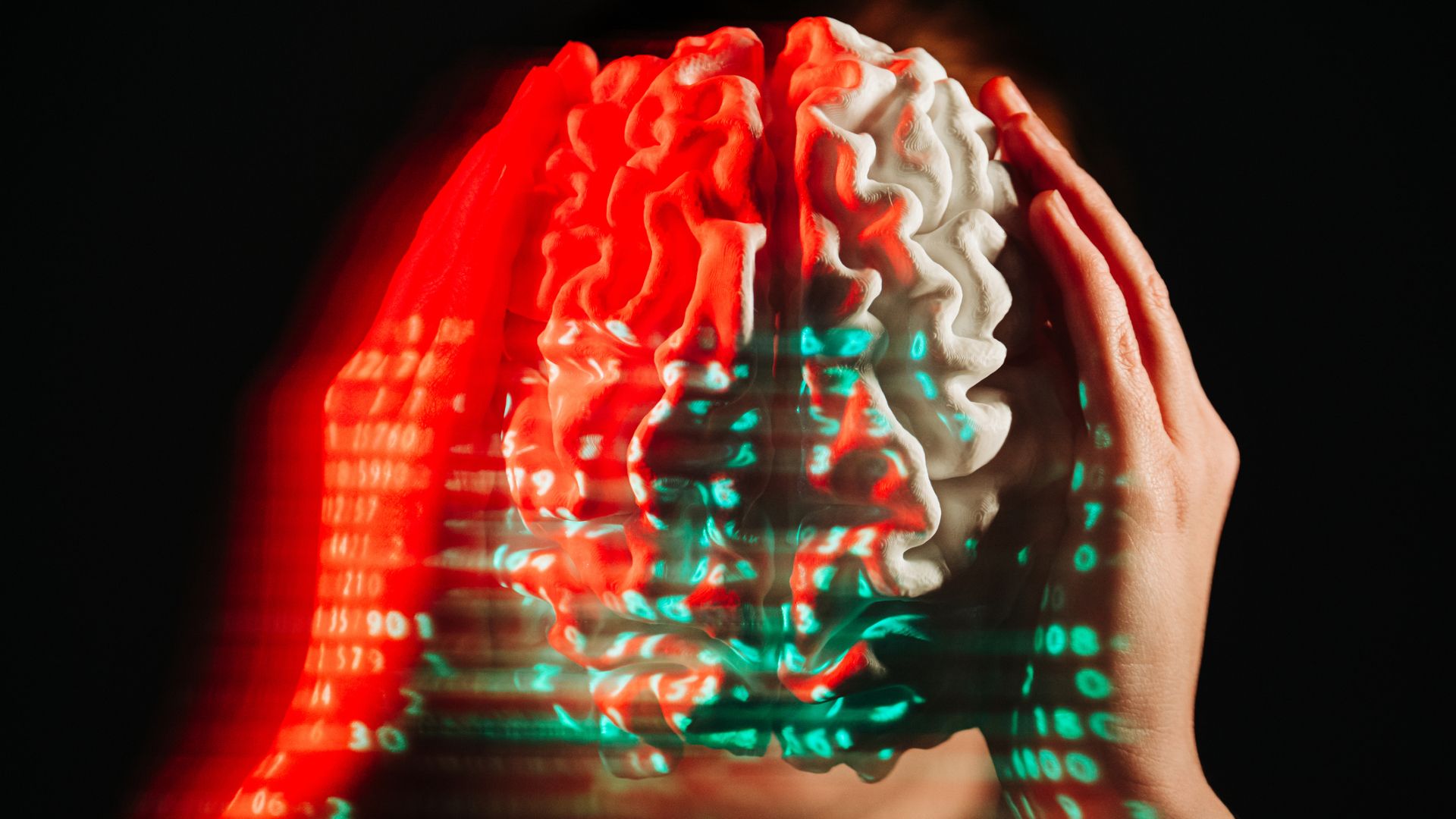
An electroencephalogram, which measures activity on the brain’s surface, revealed the patient was experiencing a right centroparietal seizure pattern — meaning the seizures stemmed from the central and parietal regions in the right hemisphere of his brain. MRI did not show any evidence of disease or abnormality that might be driving this seizure activity.
The medical team then performed a functional MRI (fMRI) on the patient while he solved a sudoku; this type of scan tracks activity throughout the brain via blood flow. The scan revealed “widespread activation,” although activity in the centroparietal cortex was particularly high, the doctors wrote in a report of the case. A closer inspection using a form of MRI called diffusion tensor imaging, which creates maps of the brain’s white-matter fibers, showed fewer inhibitory fibers in this brain region.
The loss of those inhibitory fibers — which help keep the activity of brain cells in check — resulted in a three-fold increase in activity of the nerve running down the patient’s left arm. The doctors wrote that the hypoxia the man experienced during the avalanche is the “most likely” cause of this damage.
In turn, the over-activation of the right centroparietal cortex resulted in focal epileptic seizures, which are seizures focused in one discrete region of the brain. Specifically, the patient had developed reflex epilepsy, in which seizures are triggered by certain stimuli, like particular lights or music.
In this case, the three-dimensional image the patient imagined while solving sudoku triggered the seizures, Feddersen said. The patient did not experience clonic seizures when reading, writing or calculating. But the doctors could prompt a seizure by giving the man other visual-spatial tasks, such as placing a random string of numbers in order from smallest to largest.
The treatment: The patient was prescribed anti-epileptic medication, which stopped his seizures; he was more than five years seizure-free as of 2015, the report says. He also received physical therapy, which helped ease the twitches he experienced when walking and talking.
He also gave up solving sudoku puzzles.
What makes the case unique: About 3.8% of people will develop epilepsy in their life, with around 4% to 7% of those patients experiencing reflex seizures. Although this was the first known case of a sudoku puzzle triggering seizures, a common type of reflex epilepsy is called “praxis induction,” in which visual-motor tasks — like playing chess or cards — set off muscle jerks.
For instance, in 2015, doctors reported the cases of five men with epilepsy in China who had seizures induced by playing the ancient Chinese game of Zipai. These men, ages 19 to 44 years old, stopped having seizures when they avoided playing Zipai. Similarly, in January 2025, doctors in Taiwan reported on 30 patients who had reflex seizures triggered by playing Mah-Jong.
For more intriguing medical cases, check out our Diagnostic Dilemma archives.
This article is for informational purposes only and is not meant to offer medical advice.