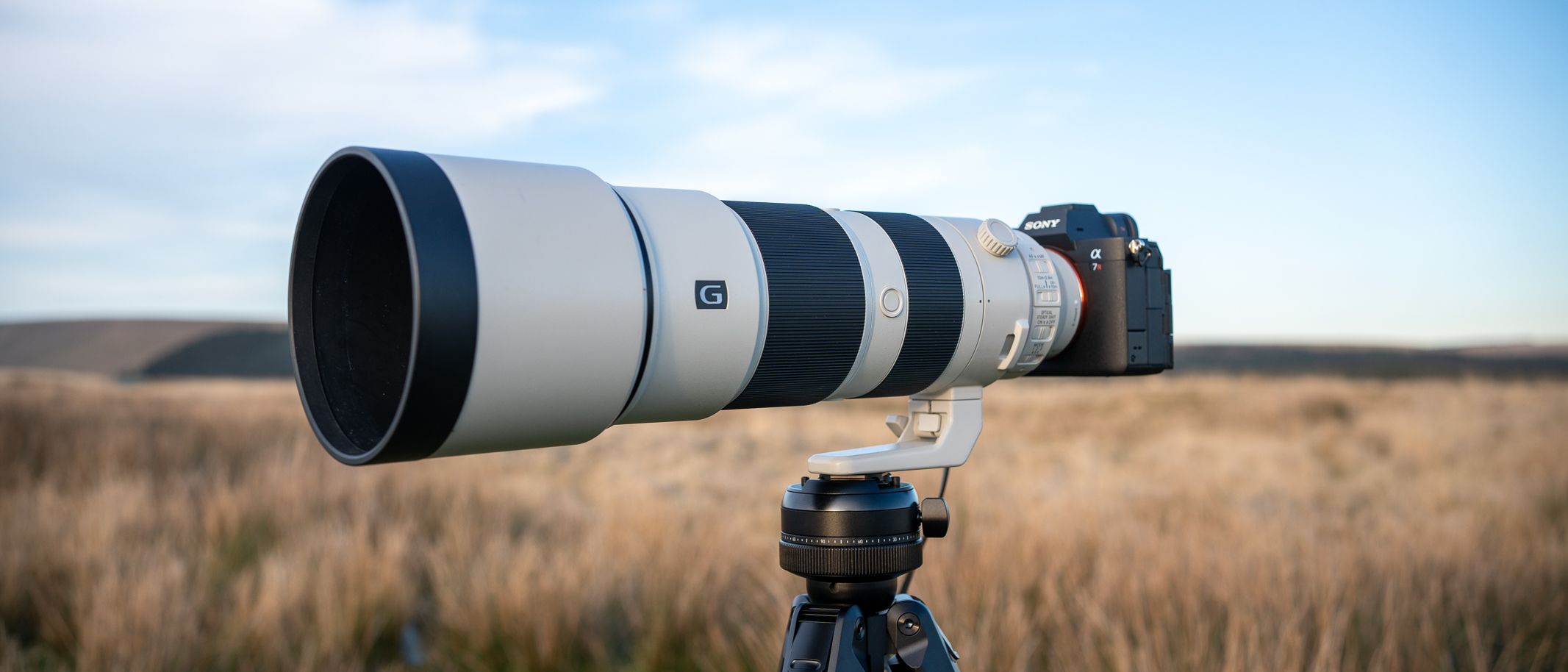
The Sony FE 200-600mm f/5.6-6.3 G OSS is a super-telephoto zoom built for wildlife and action photography, where reach, responsiveness and reliable autofocus are just as important as flexibility in the field. Covering 200-600mm, it’s designed for those moments when you can’t move closer, and the subject definitely isn’t coming to you.
It’s a popular choice with wildlife photographers, often paired with some of the best wildlife cameras for a long-range setup, and it sits comfortably among the best wildlife lenses for this kind of shooting. Despite its position in the super-telephoto category, it still represents strong value for photographers who need long reach without committing to the cost and limitations of prime lenses.
Sony FE 200-600mm f/5.6-6.3 G OSS review
Sony FE 200-600mm f/5.6-6.3 G OSS: Design
Image 1 of 4
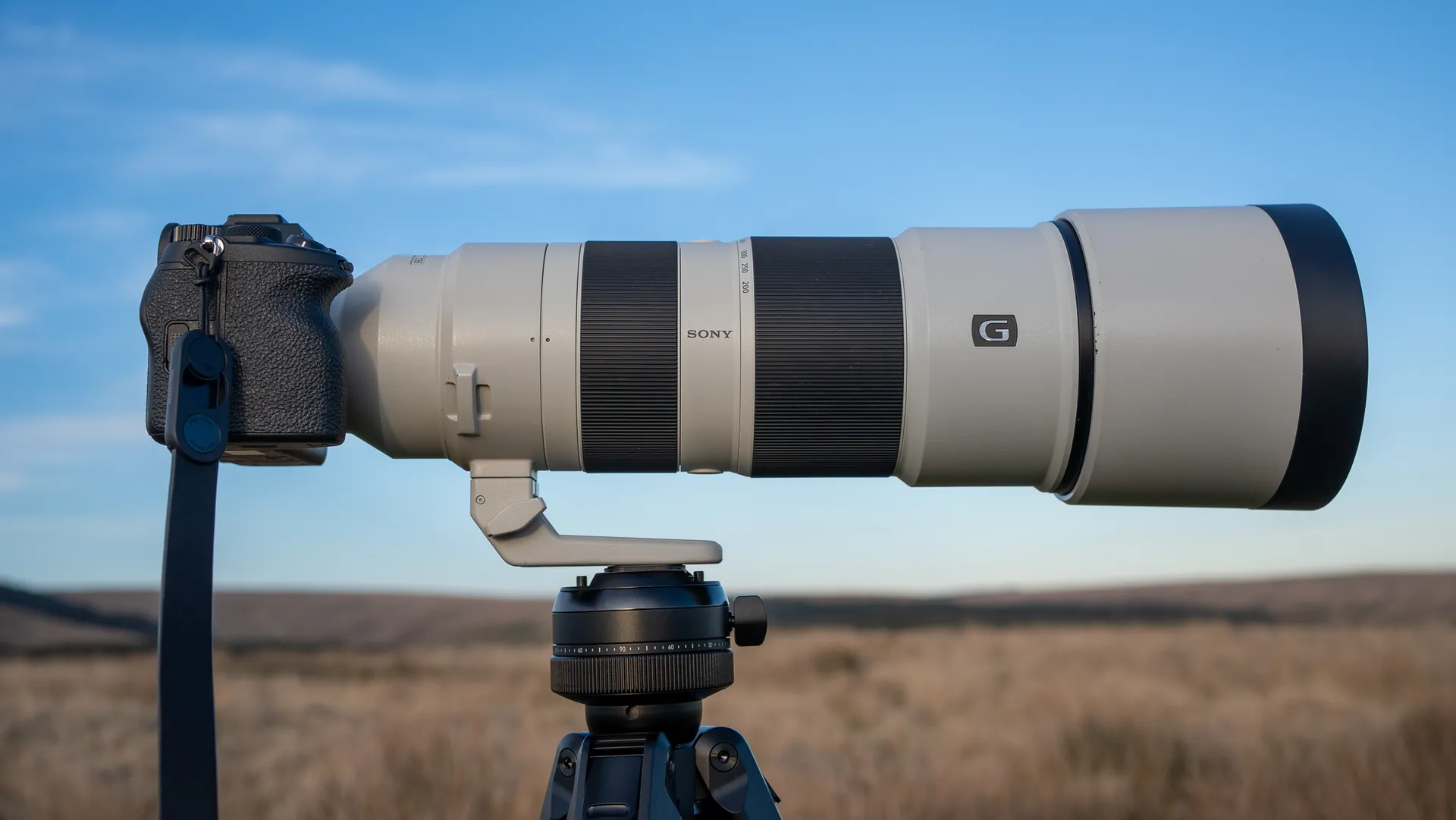
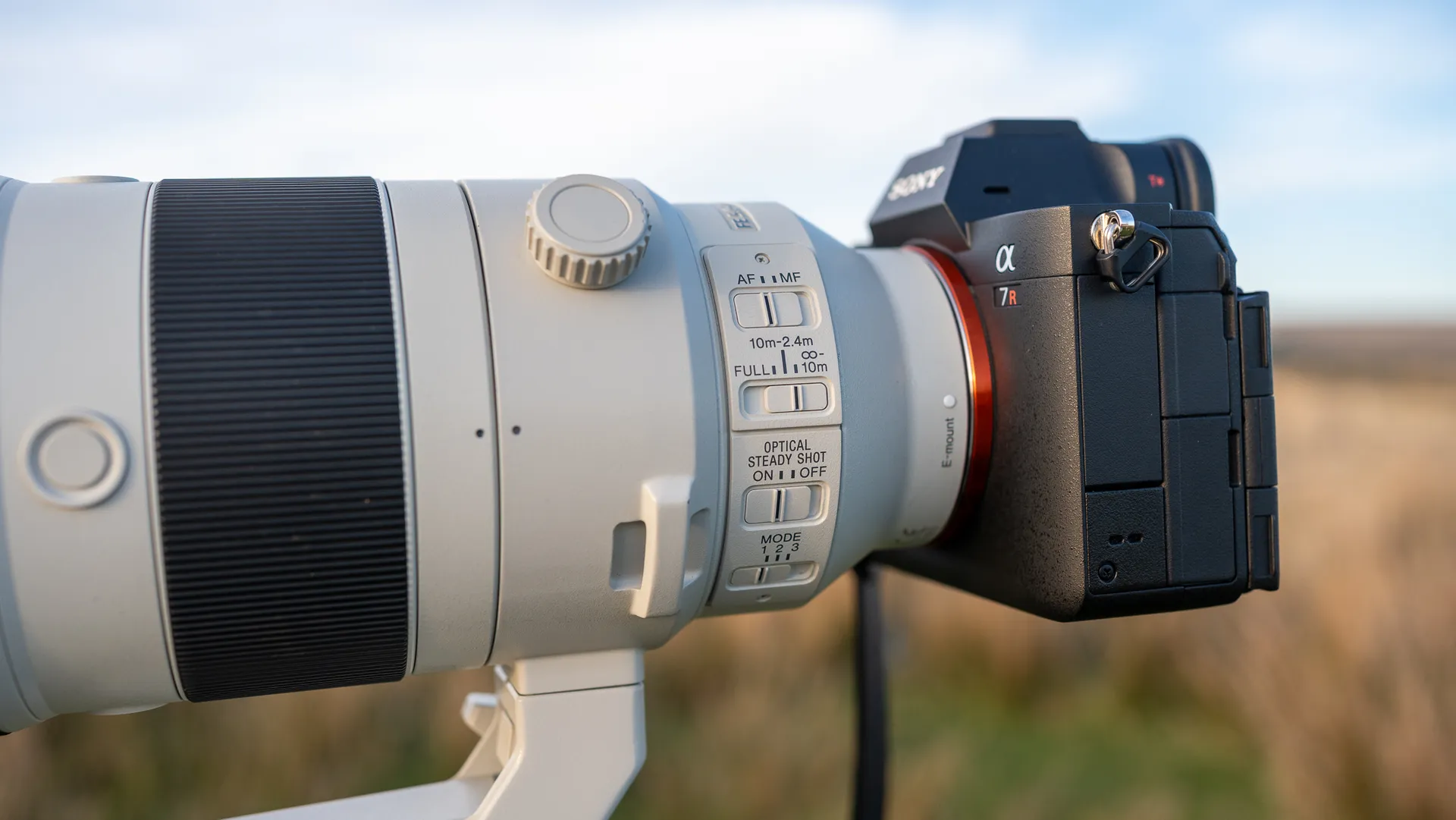
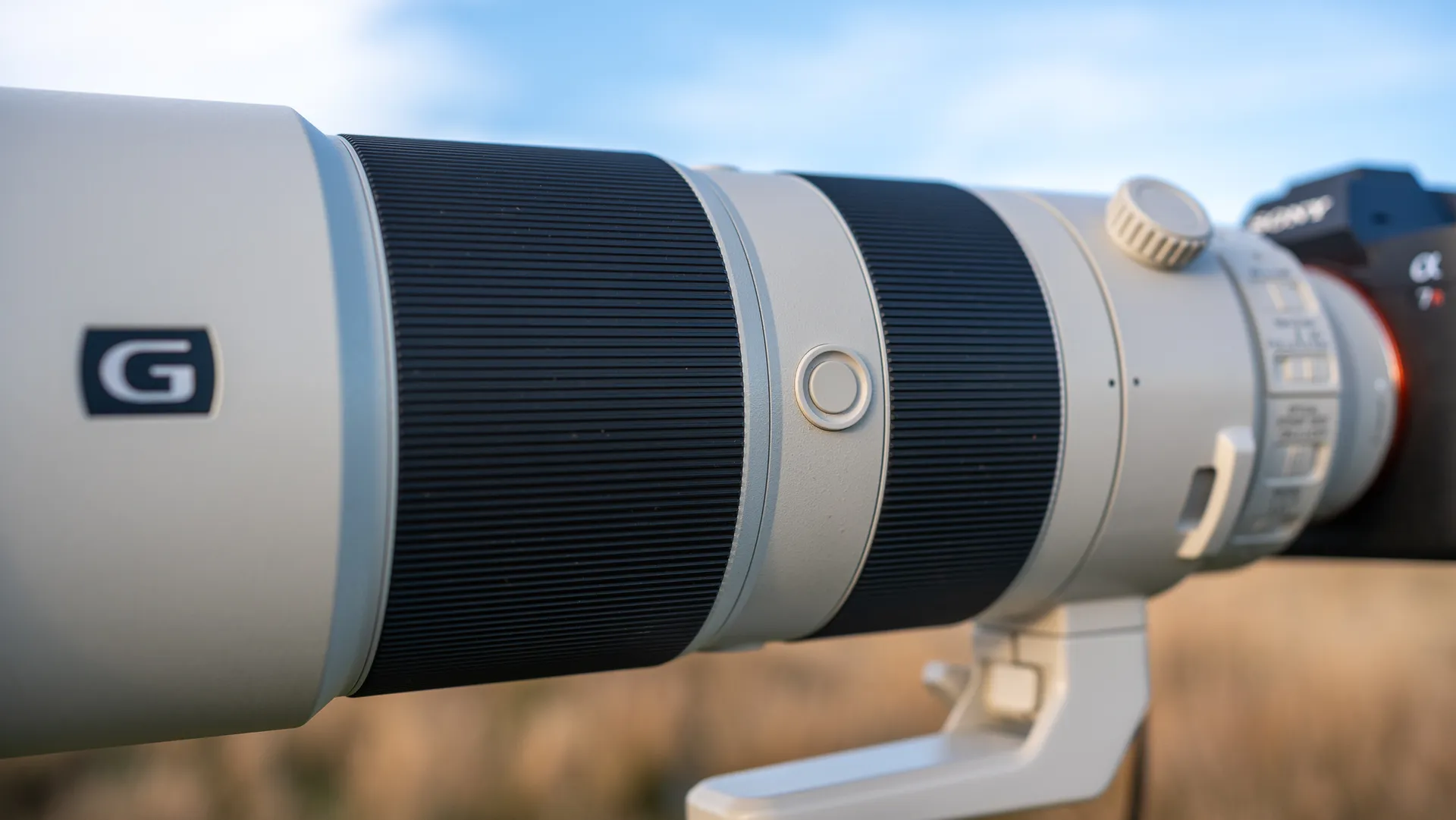
- Lens weighs a hefty 4.66 pounds (2.1 kg)
- Large 95mm filter thread
- Internal zoom keeps the size constant and protects it from the elements
This chunky lens weighs in at a whopping 4.66 pounds (2.1 kg) and has a fixed physical length of around 12.5 inches (318mm) — it’s a beast. Thankfully, the internal zoom means it doesn’t extend out any further unless you attach the lens hood, which adds another 4 inches (10 centimeters). But on the whole, we found the weight to be manageable enough, although we needed regular breaks to avoid arm and wrist strain.
Specifications
Focal length: 200-600mm
Aperture: f/5.6-6.3
Format: Full frame
Weight: 4.66 lbs (2.1 kg)
Dimensions: 12.5 x 4.39 inches (318 x 111.5 mm)
Minimum focusing distance: 7.88 feet (2.4 meters)
Filter thread: 95mm
On the lens barrel itself, you’ll find all the usual suspects that you’d expect on a super-telephoto lens. It has an AF/MF focus switch, a focus limiter, an OSS [Optical SteadyShot] on/off switch and a shake compensation switch (labelled as ‘Mode’) with three options. There are also three custom buttons, alongside a wide focus ring and even wider zoom ring. Though somewhat annoyingly, there’s no zoom lock, which meant we sometimes accidentally changed the zoom while shooting. If you want to use filters, the filter thread is a generous 95mm.
Sony FE 200-600mm f/5.6-6.3 G OSS: Performance
Image 1 of 6
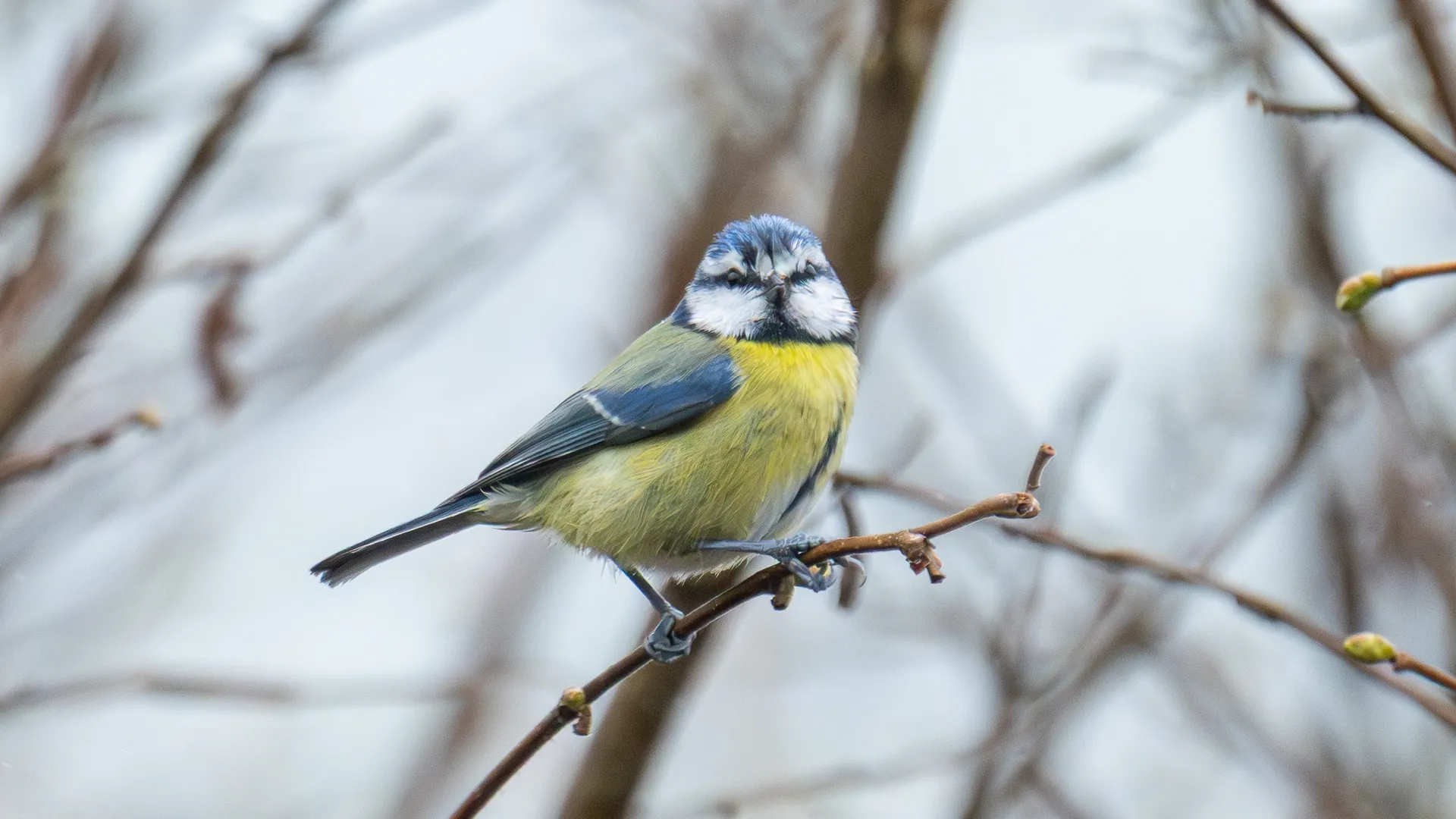
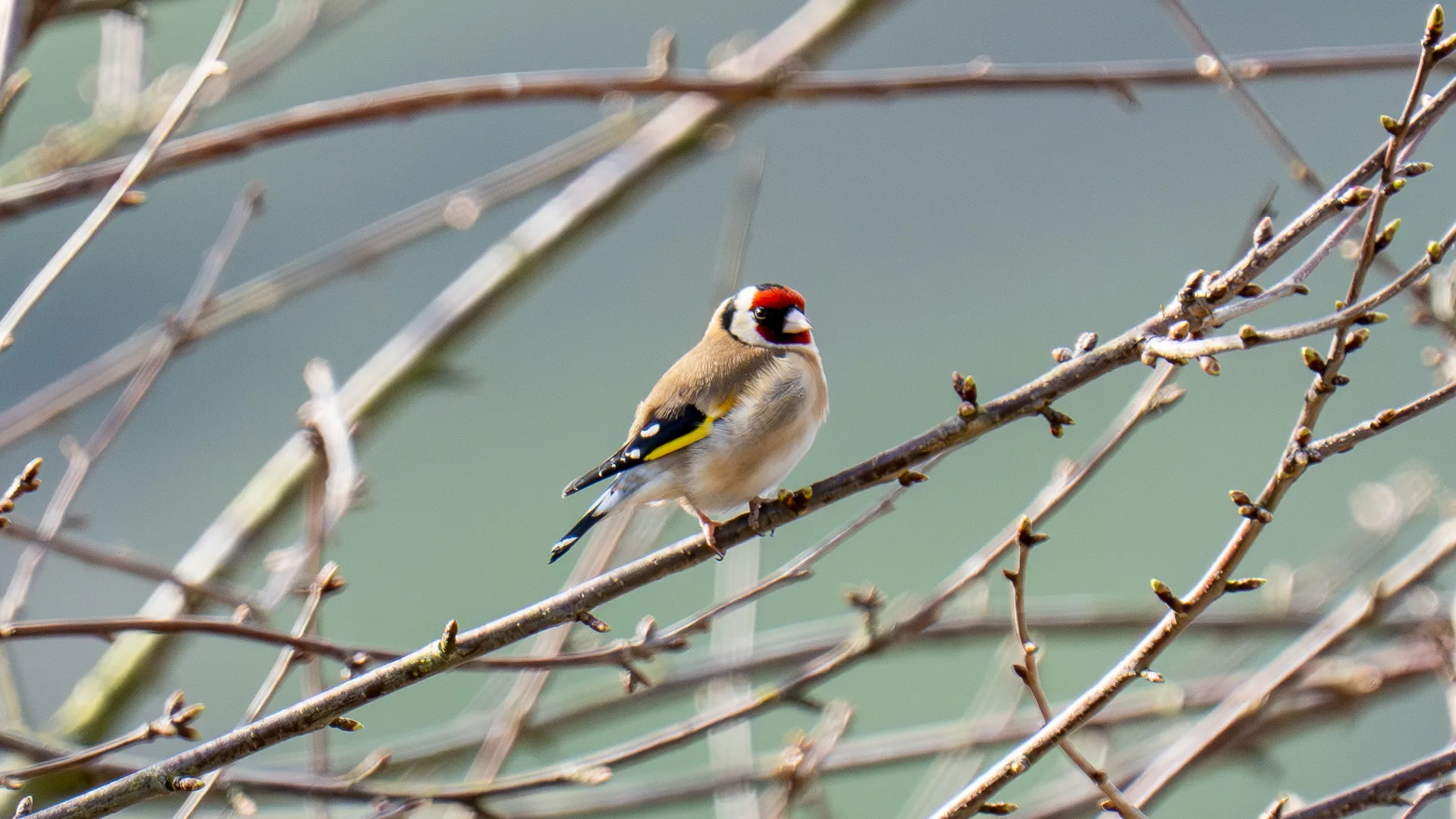
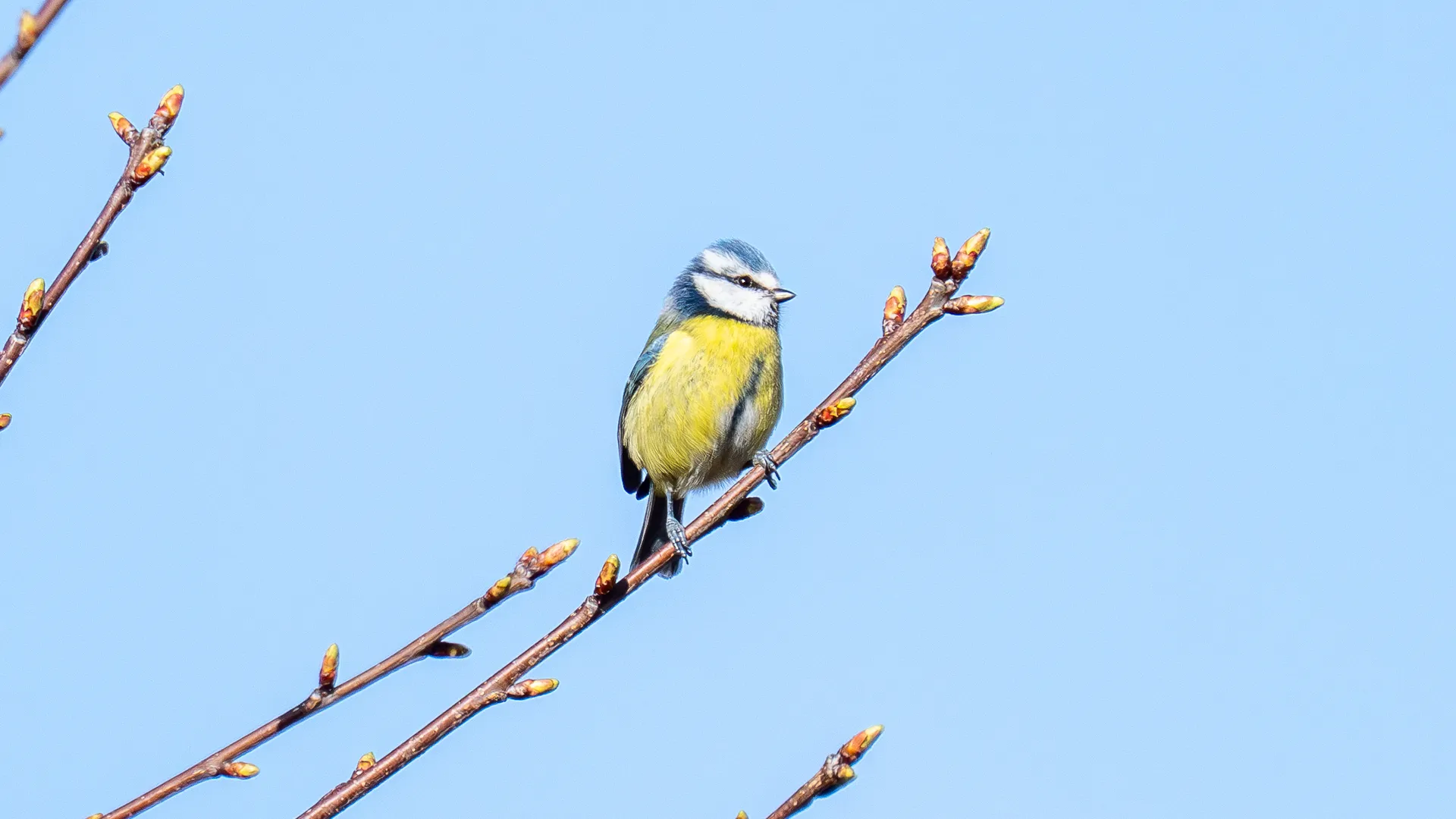
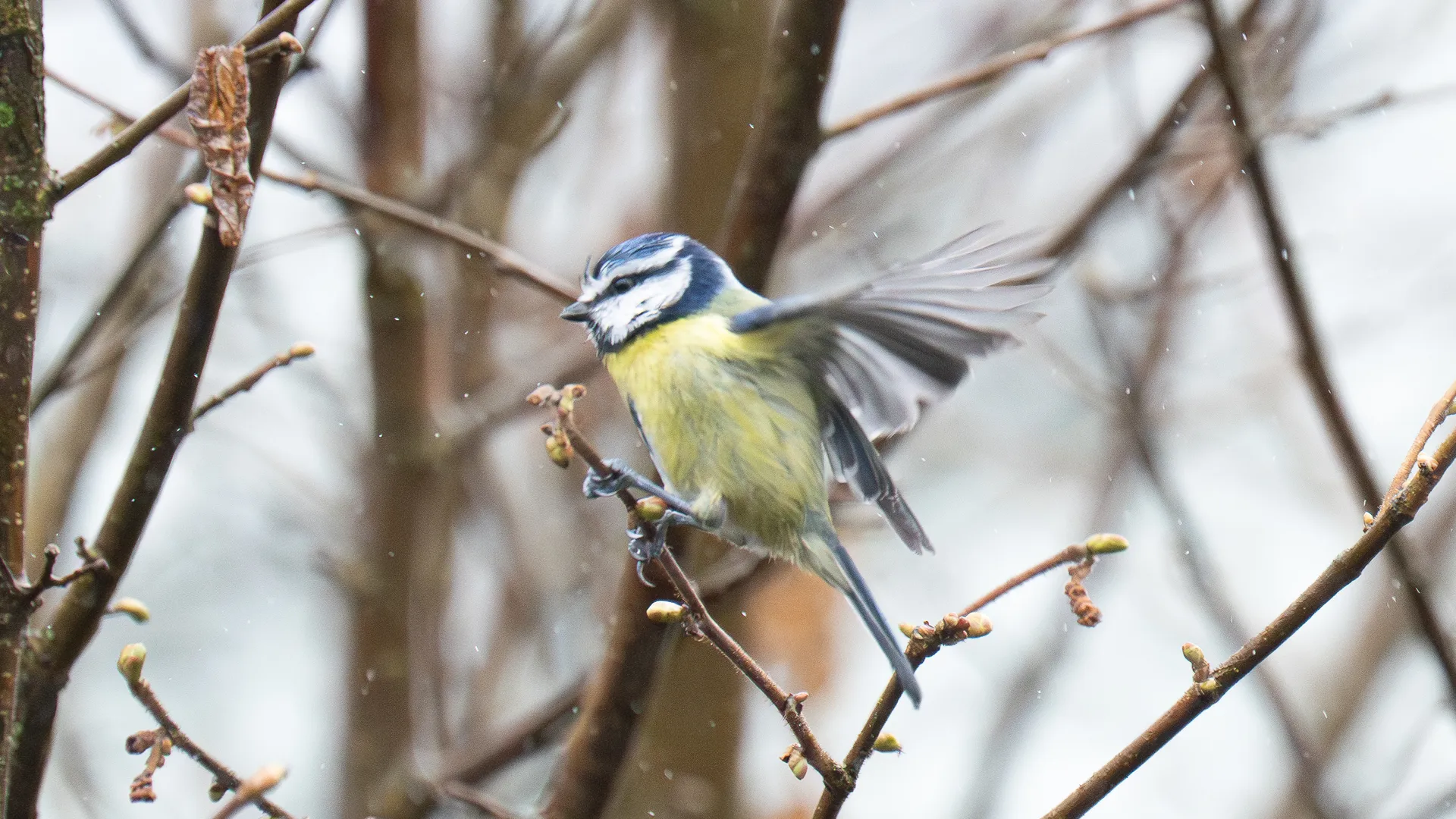
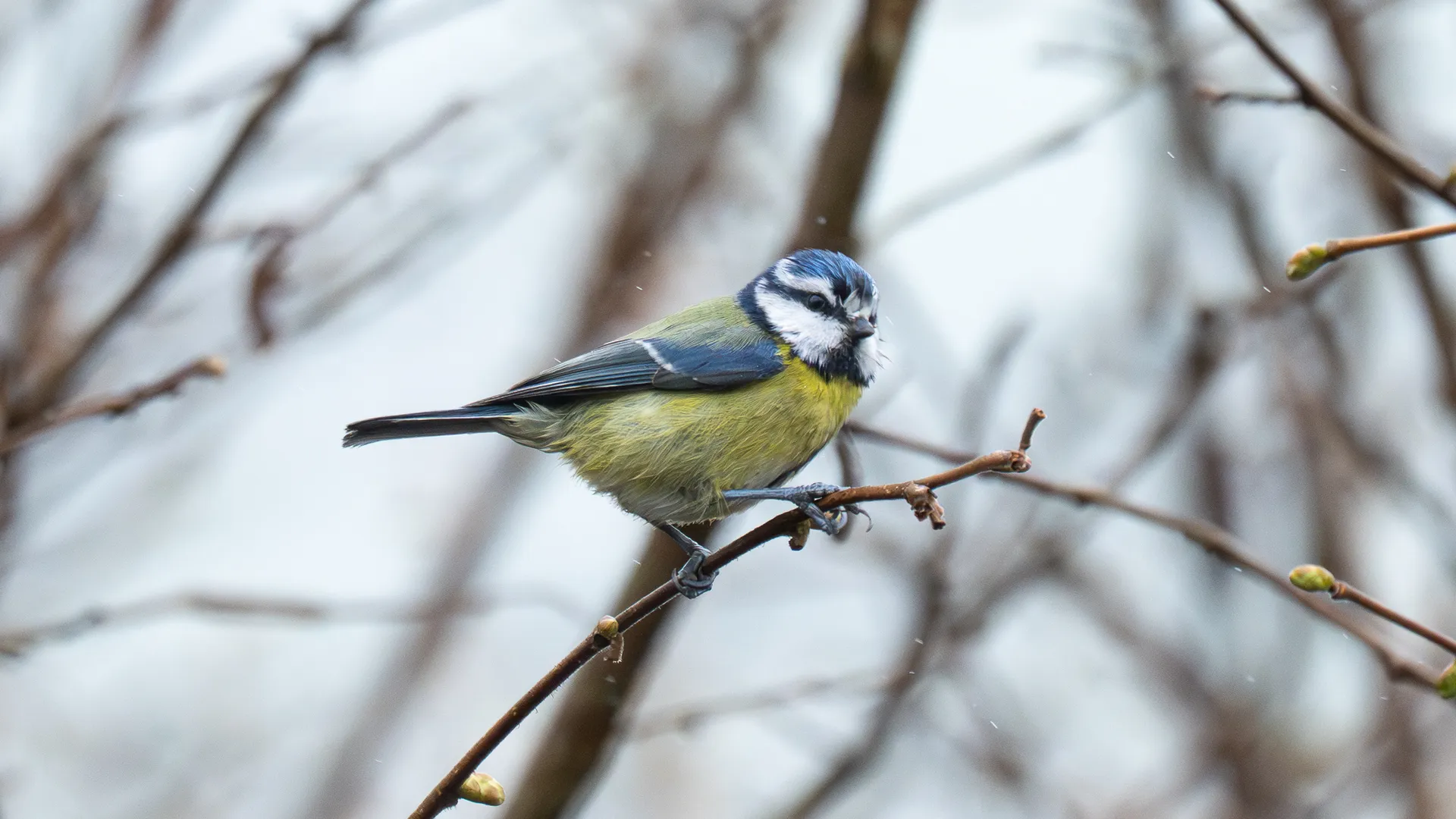
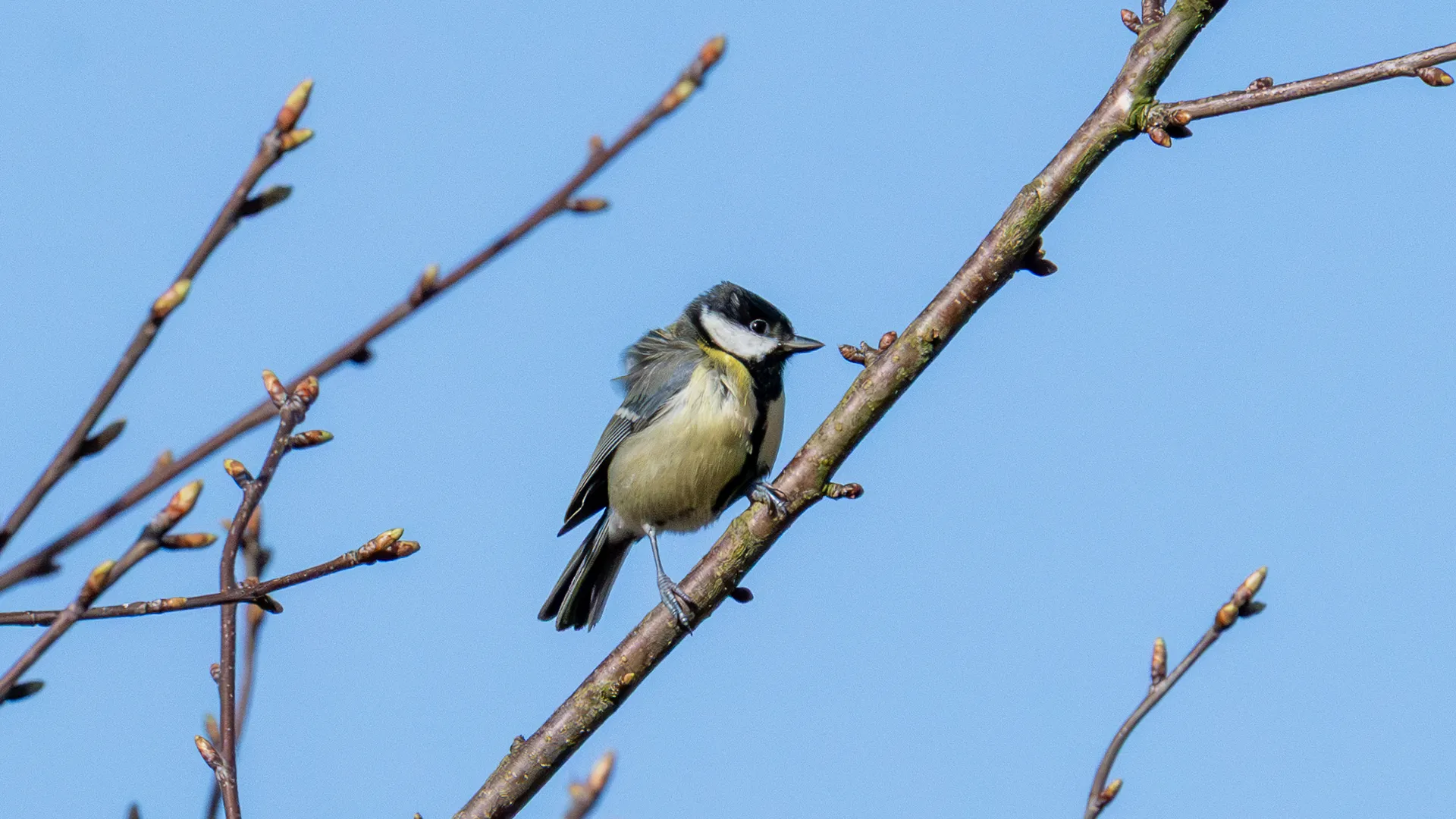
- Fast and accurate autofocus
- Sharp and detailed images — sharpest at 600mm f/8
- Barely any optical defects
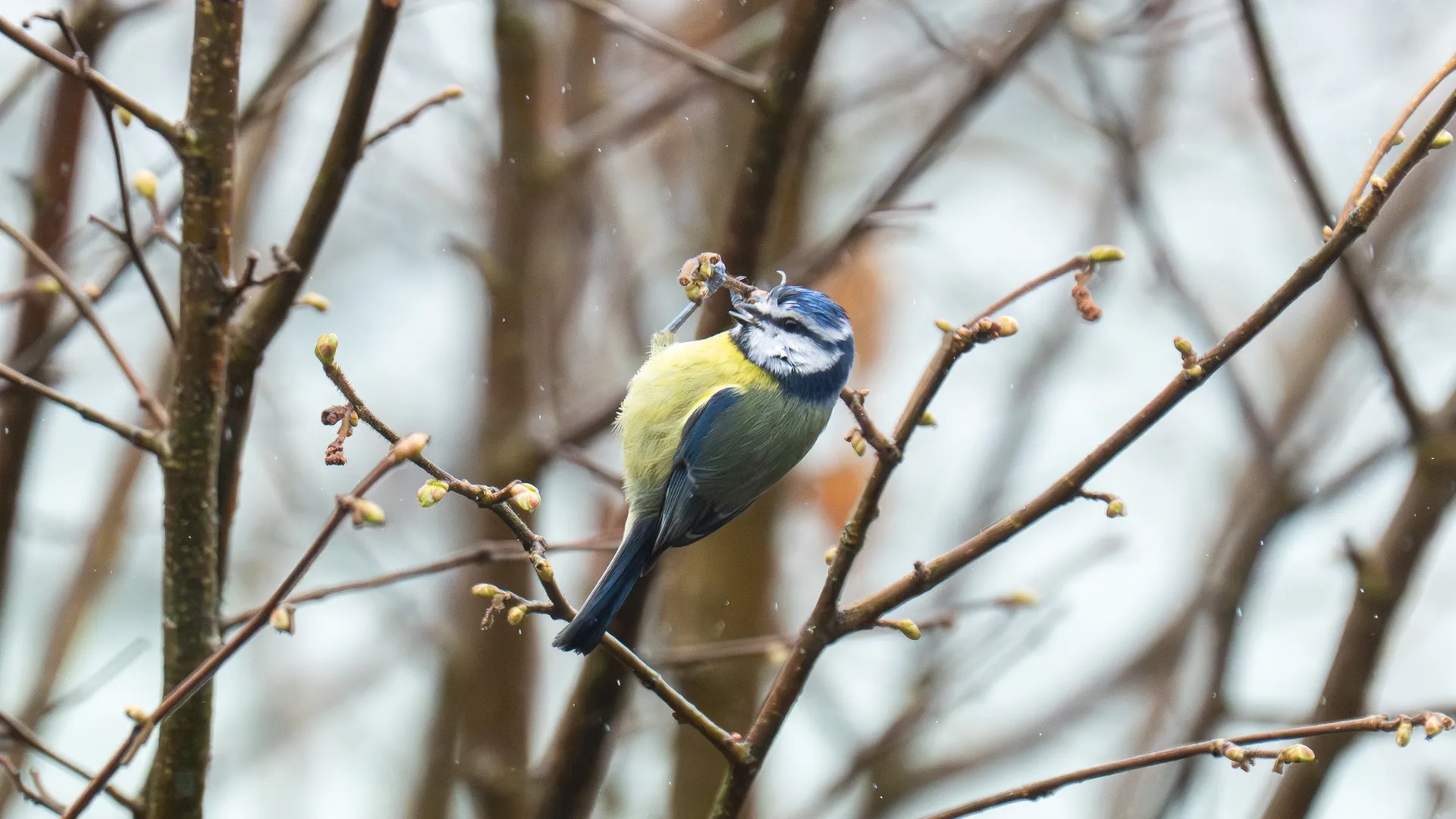
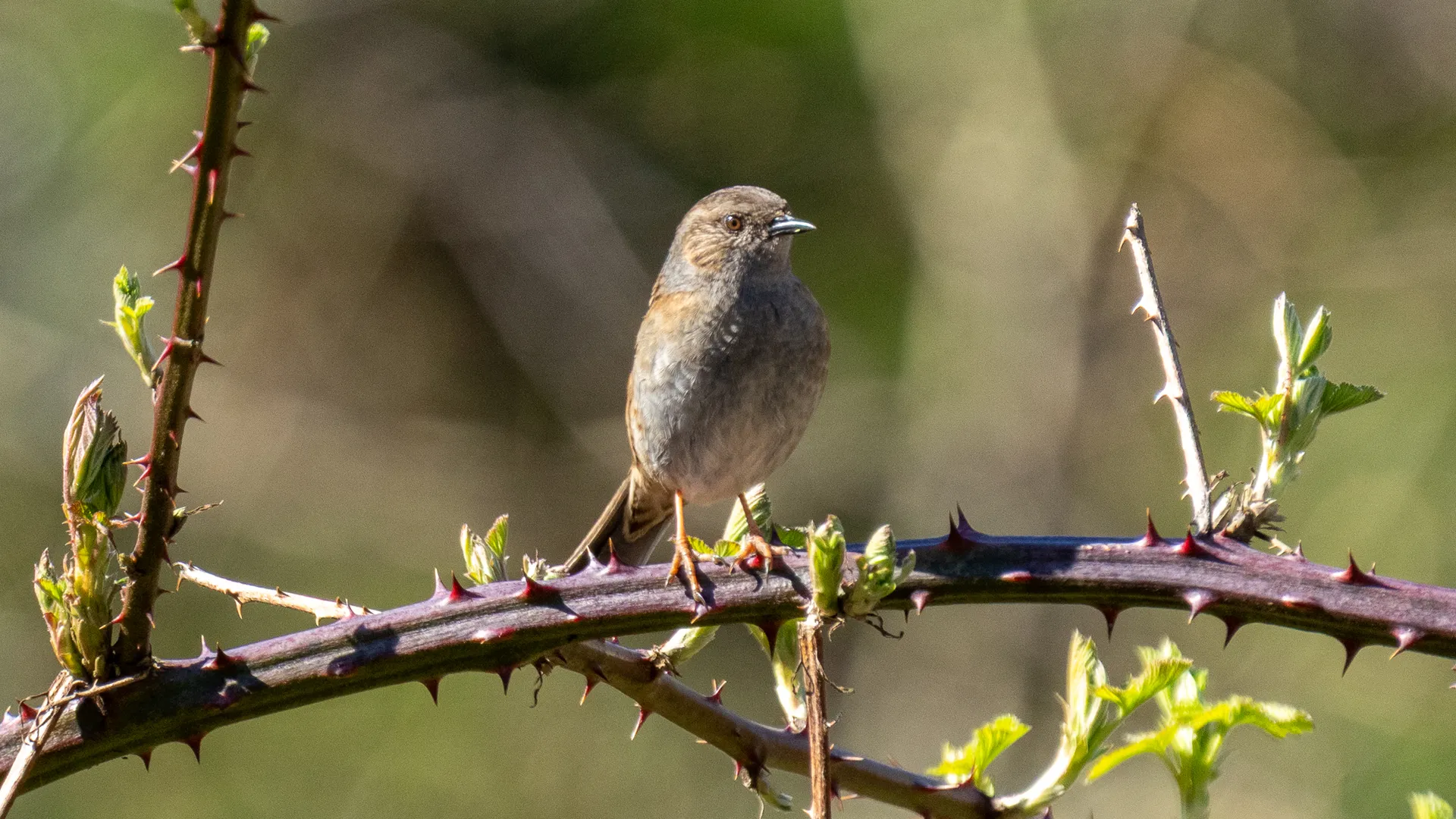
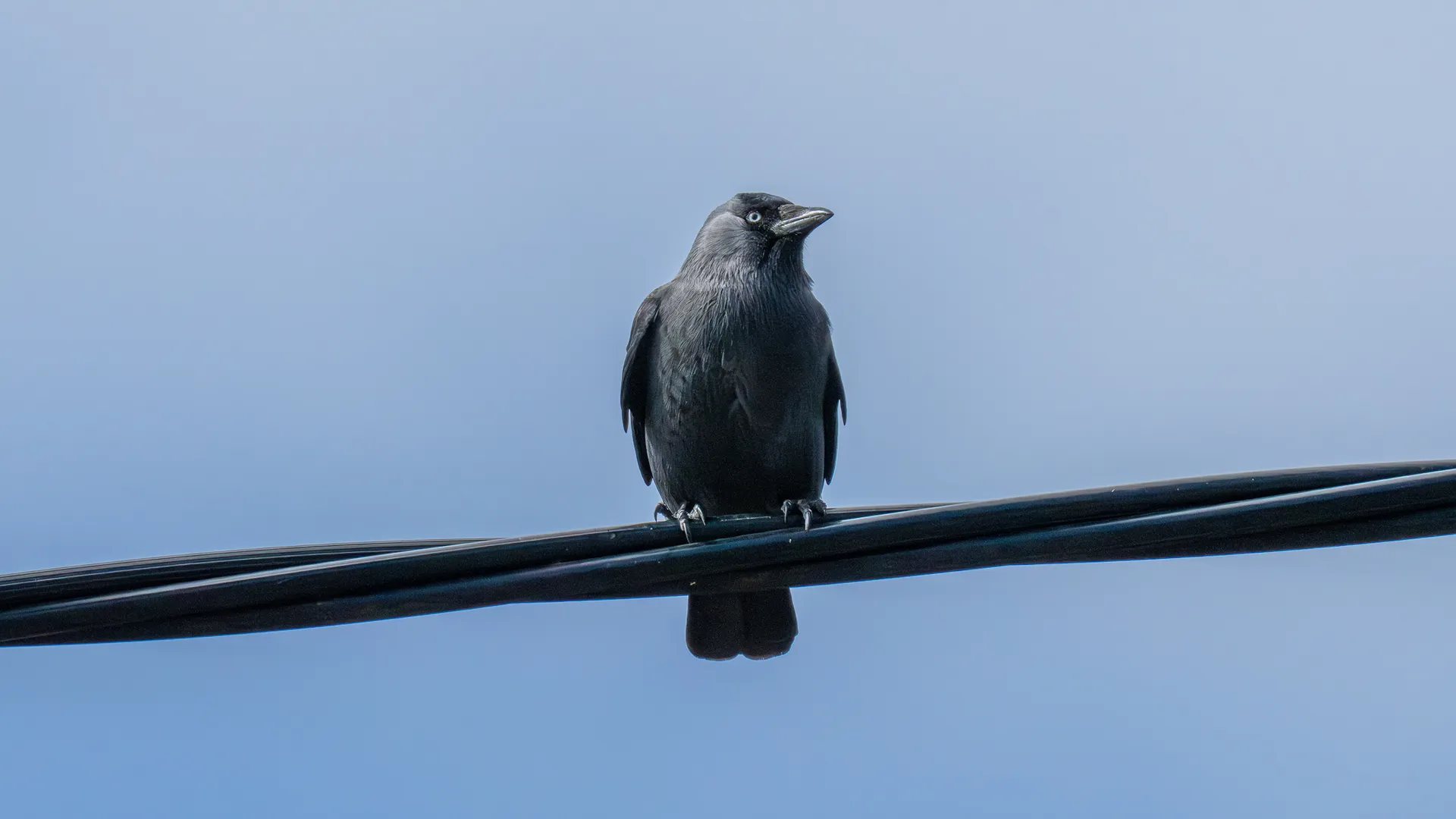
We used this lens to do a lot of bird photography, so the autofocus was really put through its paces with the fast, unpredictable movement of small birds. Considering the birds were small, far away and perched among distractions such as branches and leaves, we thought the lens coped pretty well overall. On less tricky subjects, the autofocus never let us down and easily kept up with moving animals.
We used a test chart to shoot at 200mm, 400mm and 600mm at the widest aperture (in this case, f/5.6 or f/6.3), f/8 and f/11, to test sharpness and contrast and look for any optical defects. At 200mm, central sharpness is best wide open at f/5.6, and while the sharpness is still good at f/8, the most notable difference is the loss of contrast. At 400mm, however, f/8 was noticeably sharper than its widest aperture of f/6.3. F/11 is softer again, but when it comes to contrast, there’s less of a difference between the three aperture settings.
Image 1 of 9
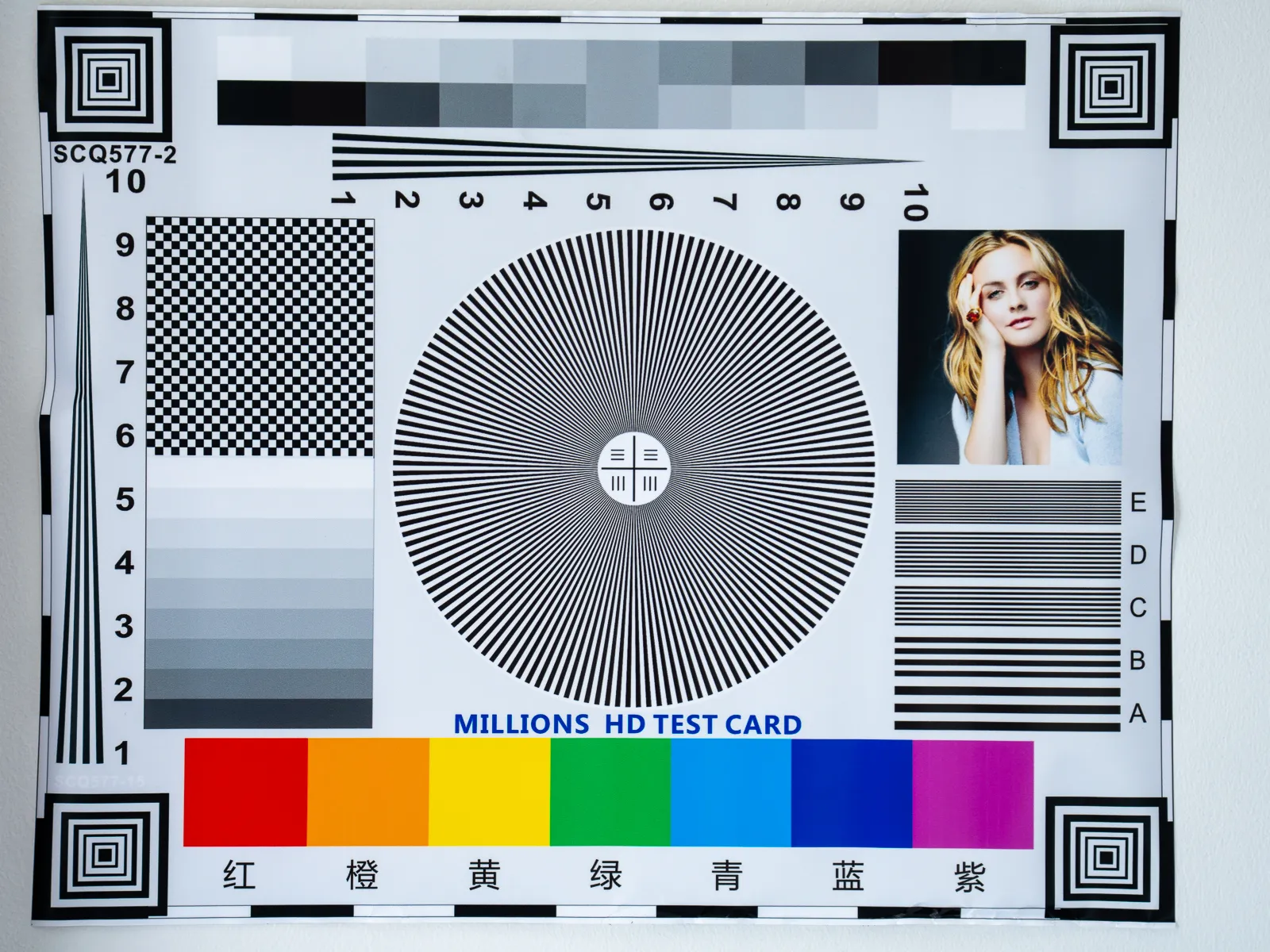

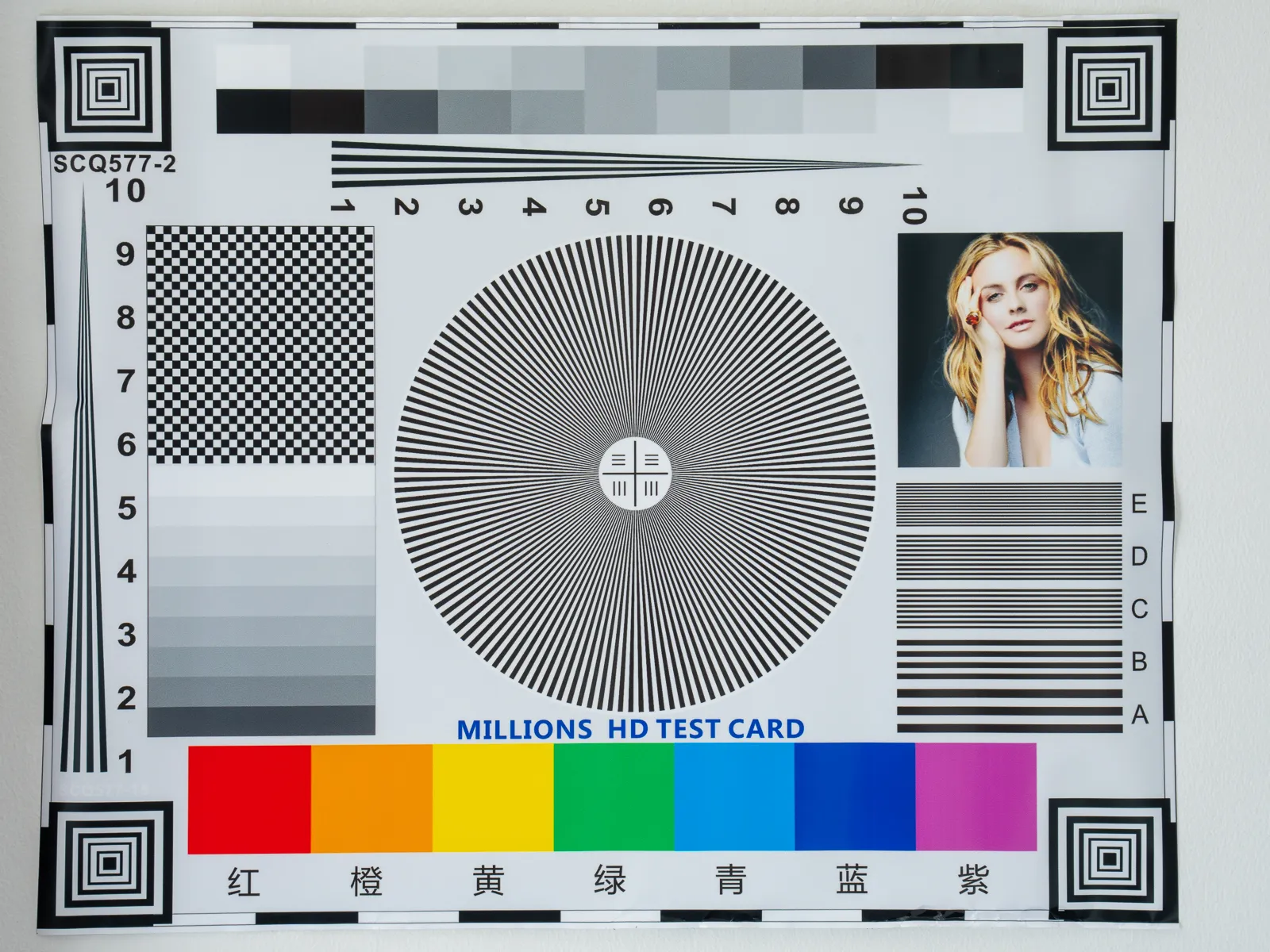
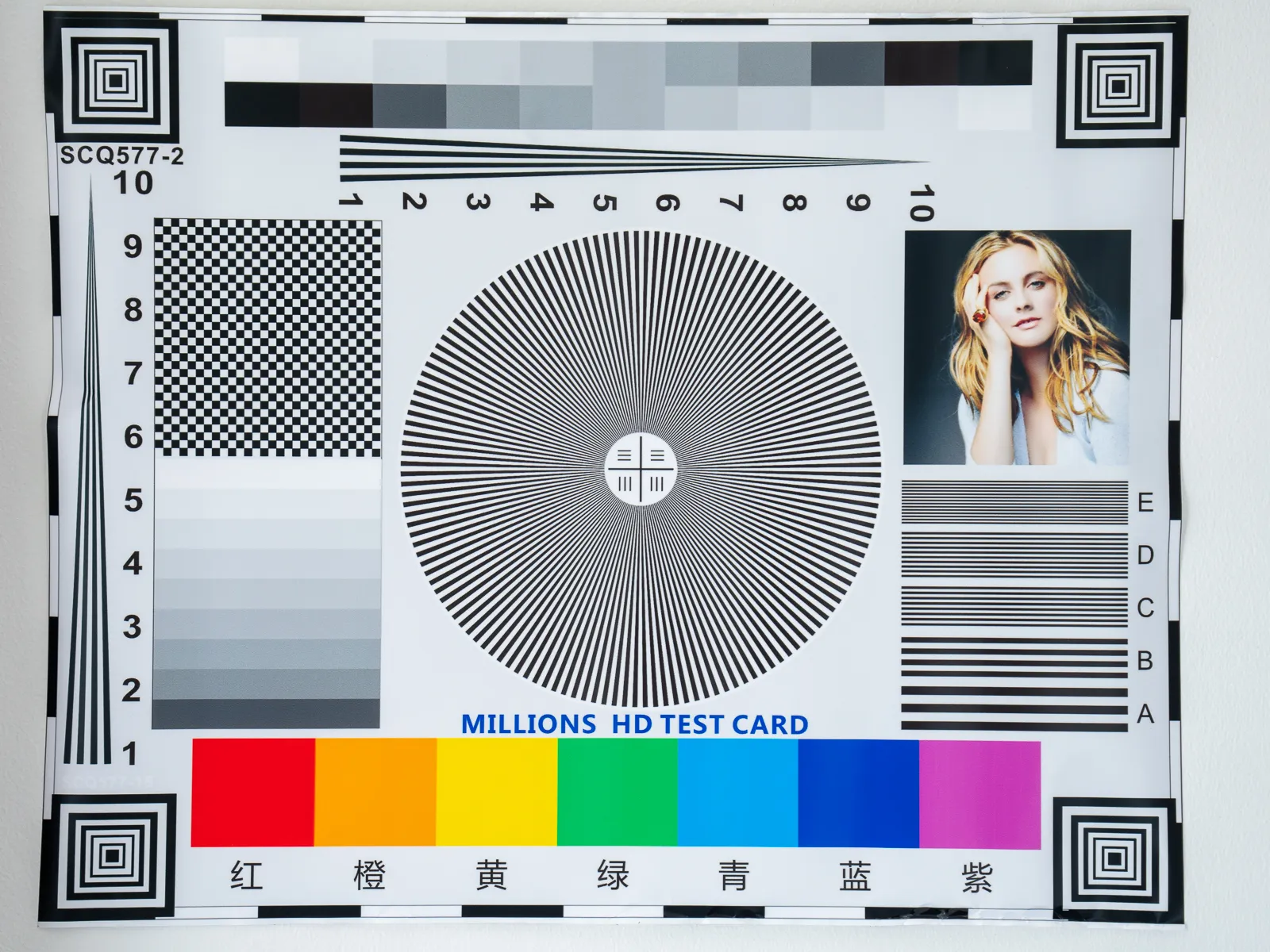
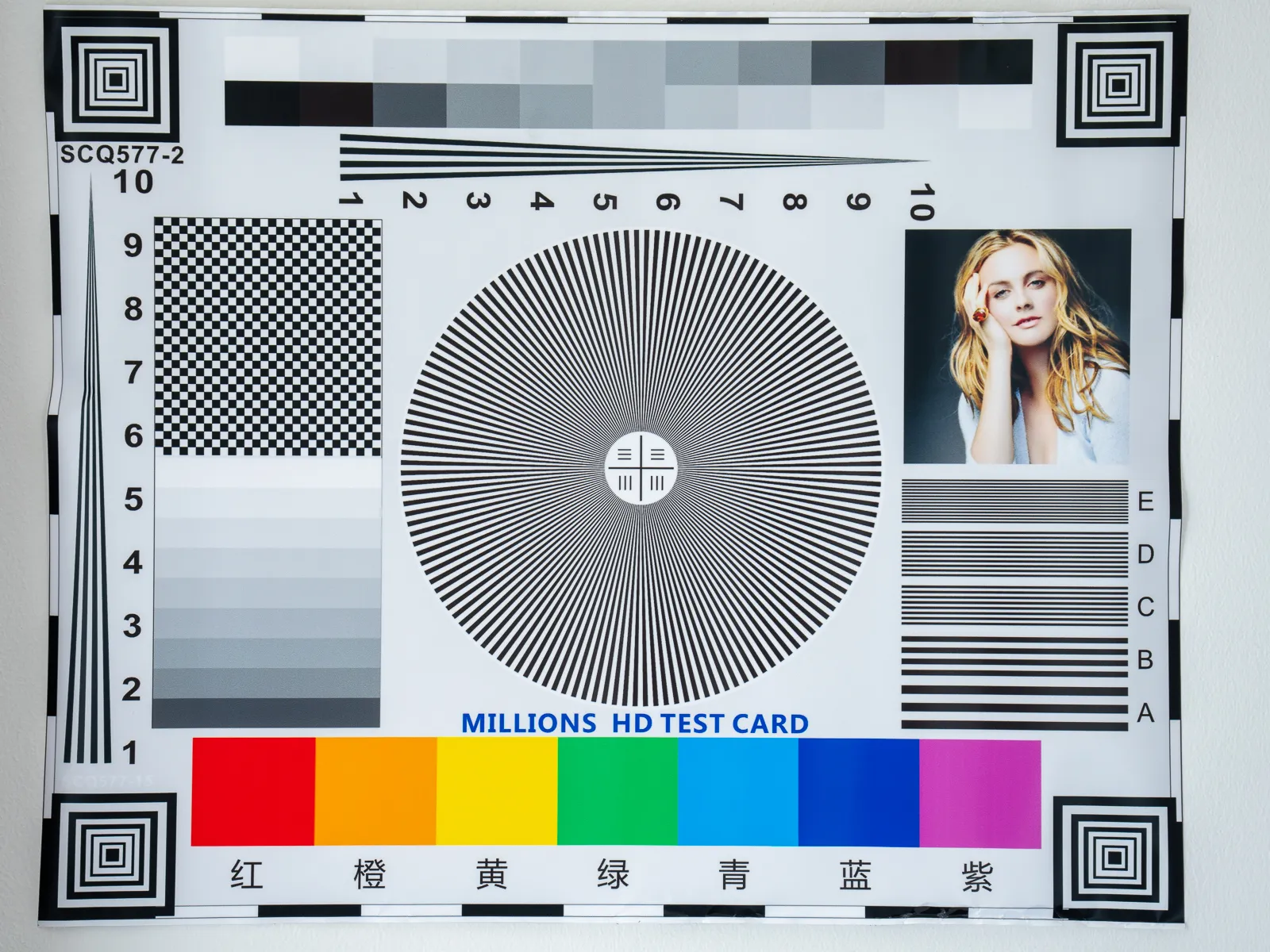
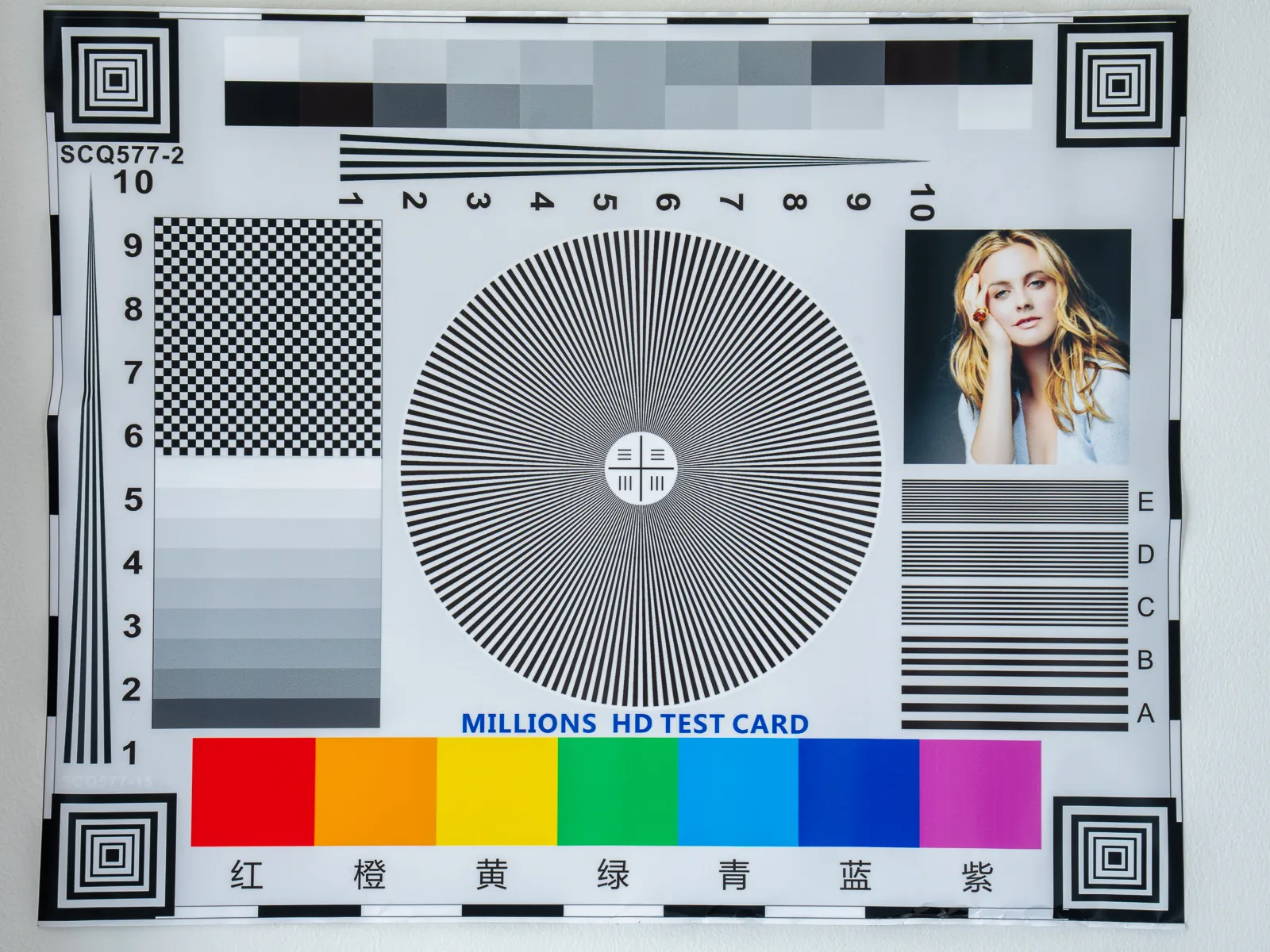
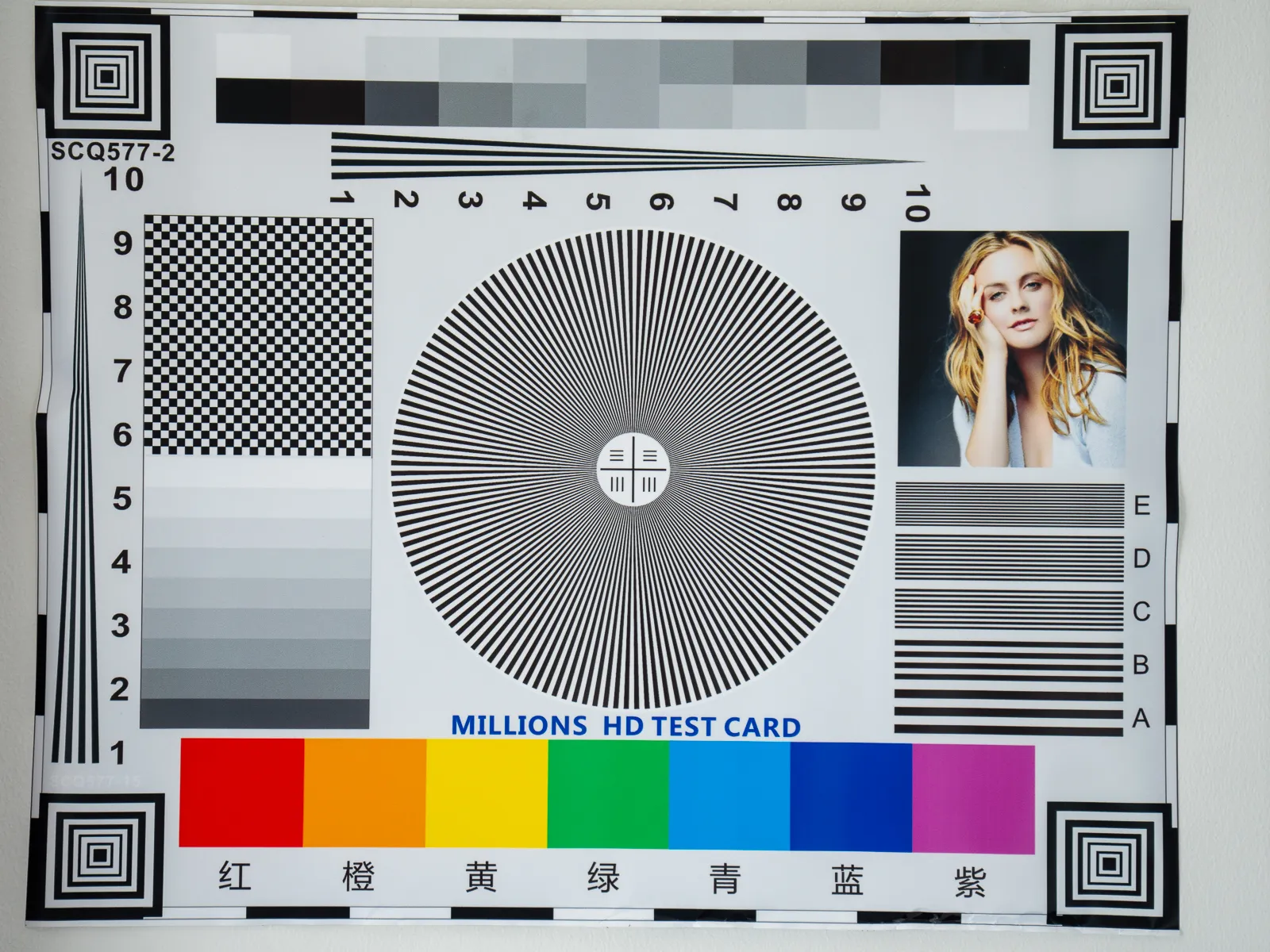
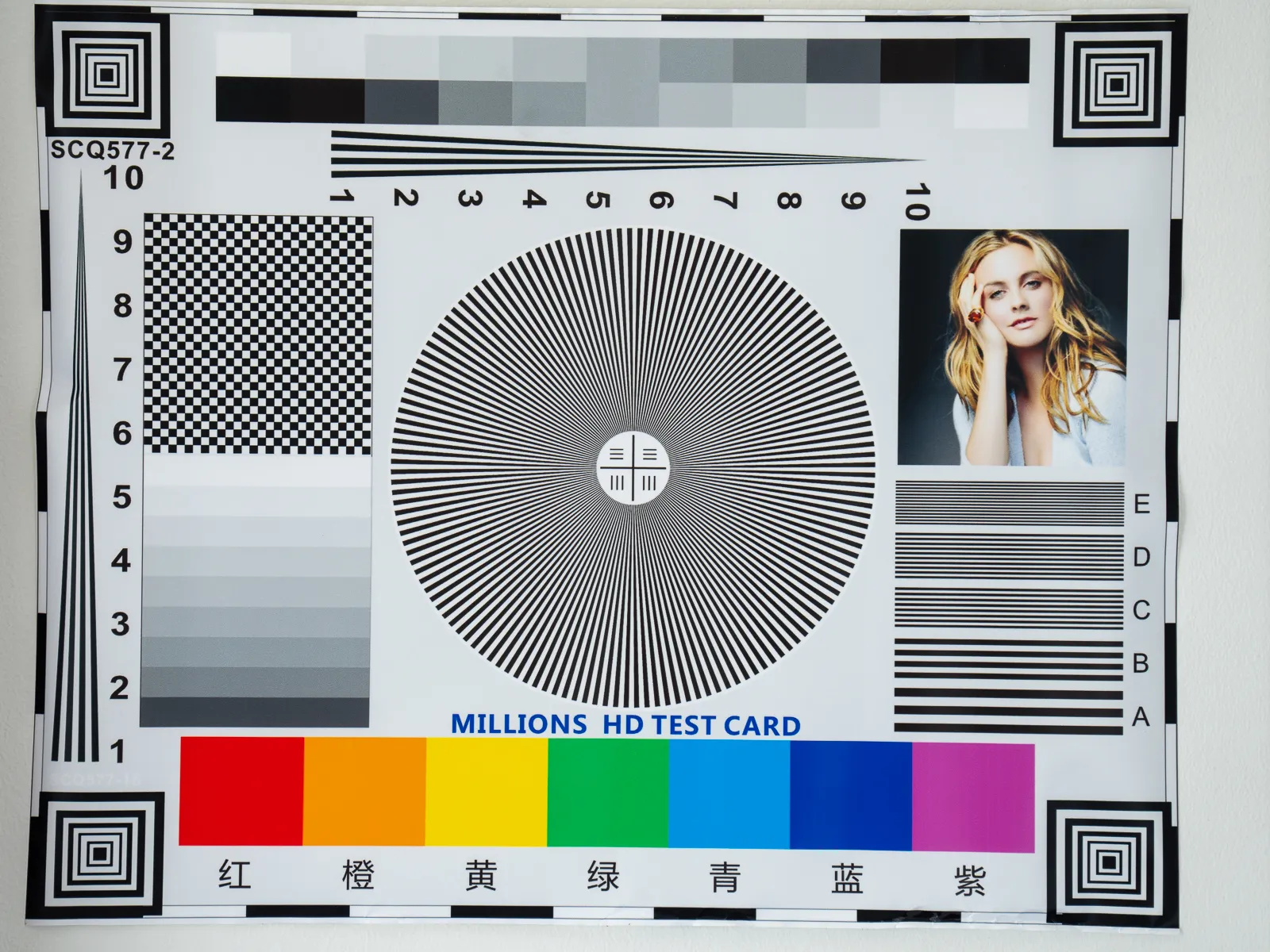
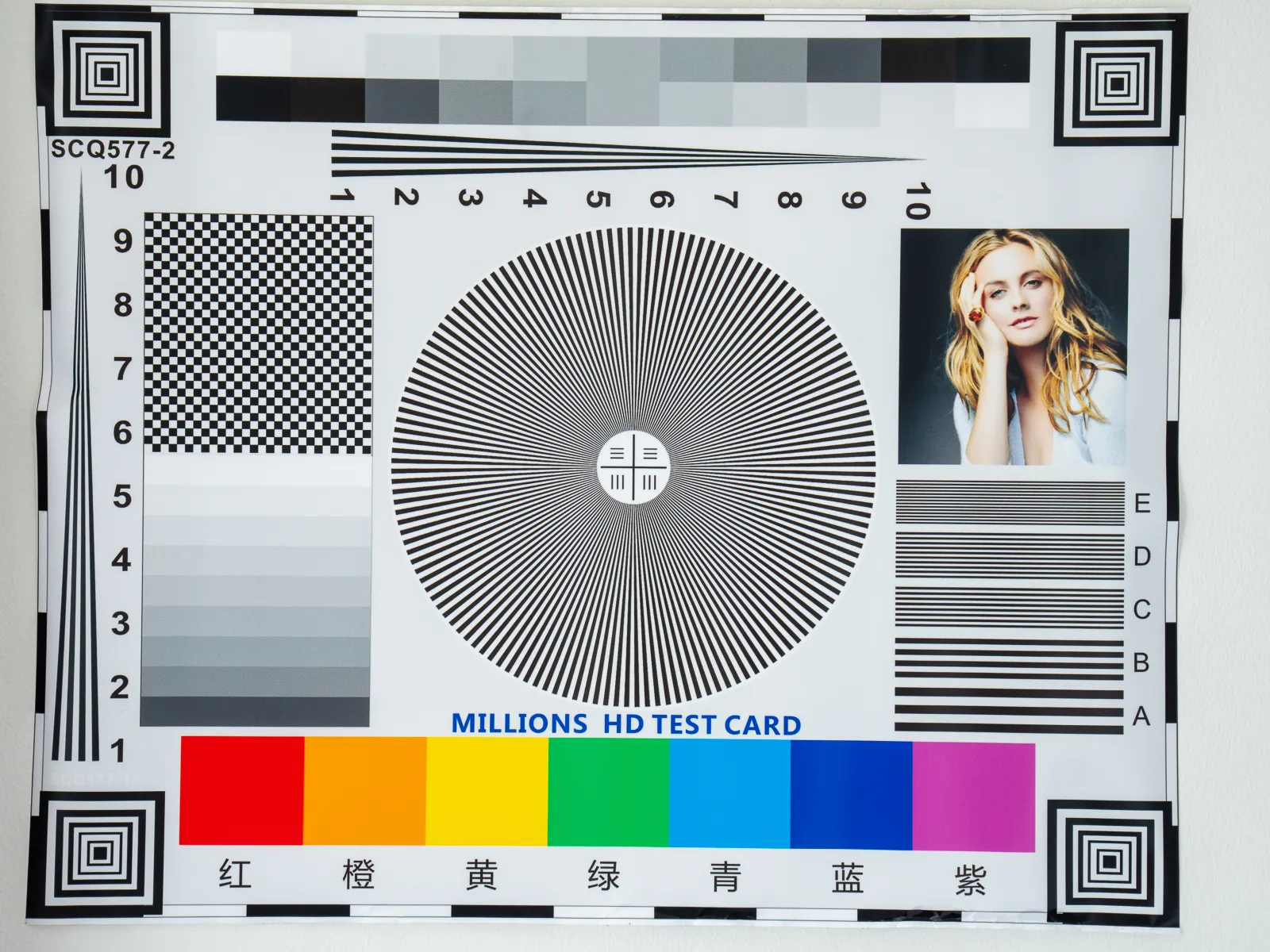
Zooming all the way to 600mm, f/8 is still the sharpest and has around the same contrast as f/6.3. When comparing the two, we found the sharpness and contrast to be slightly better at 600mm f/8 as opposed to 400mm f/8, which is great news for users who want to photograph birds and distant wildlife.
At the corners, there isn’t much difference in sharpness between the three apertures at 200mm. What actually makes the most difference is the increased contrast at f/5.6. At 400mm and 600mm, f/8 performs best in the corners in terms of sharpness.
We noticed some vignetting when shooting wide open, which was improved when we stopped down to f/8, but what surprised us most was that there’s barely any chromatic aberration on any of the test shots we took, thanks to the five ED glass elements. We didn’t see any flare or ghosting during our field test shots, and there was only a tiny bit of distortion — and that was easily corrected in Lightroom. For a non-G-Master lens, this is impressive.
Sony FE 200-600mm f/5.6-6.3 G OSS: Functionality
Image 1 of 6
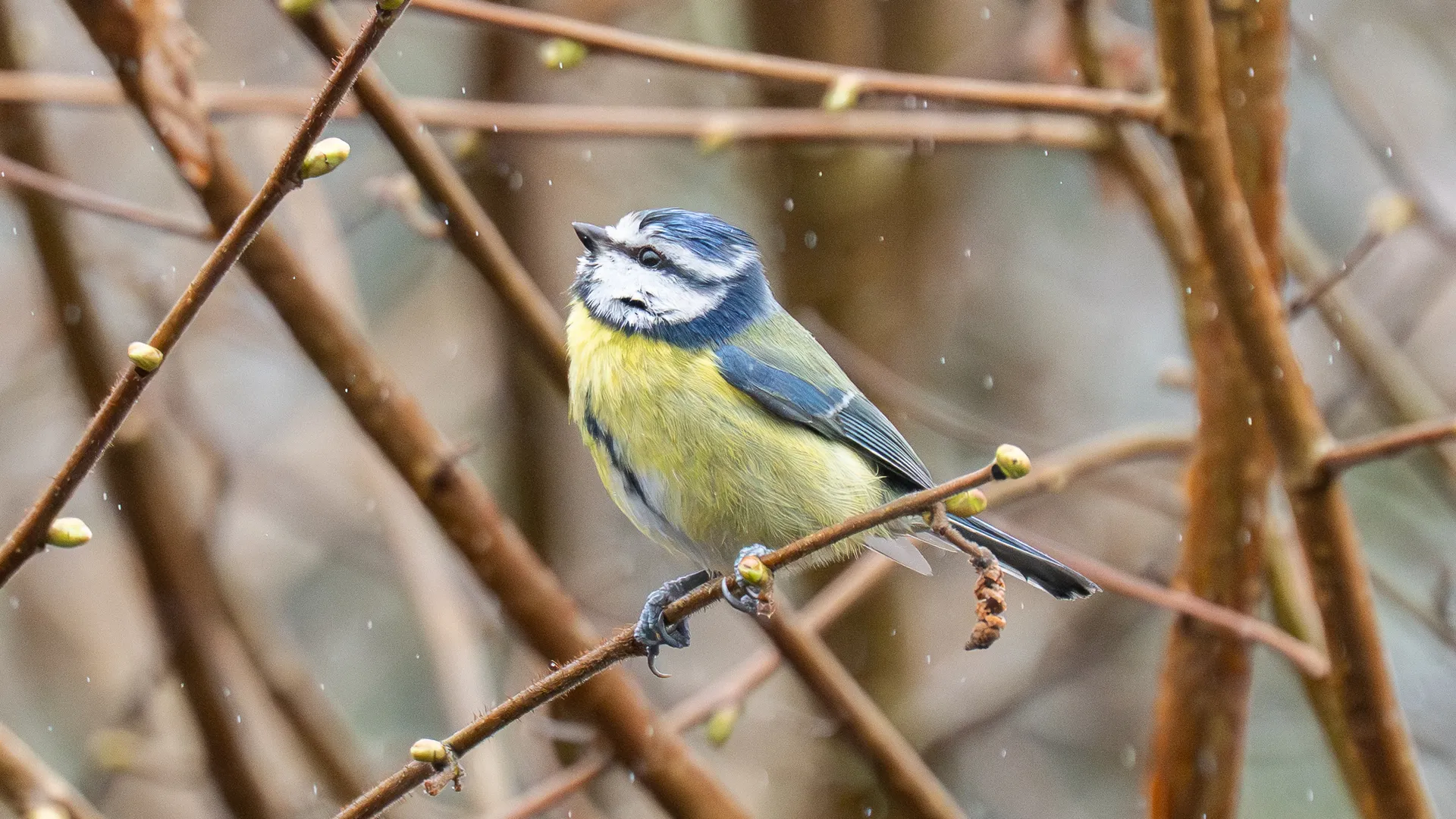
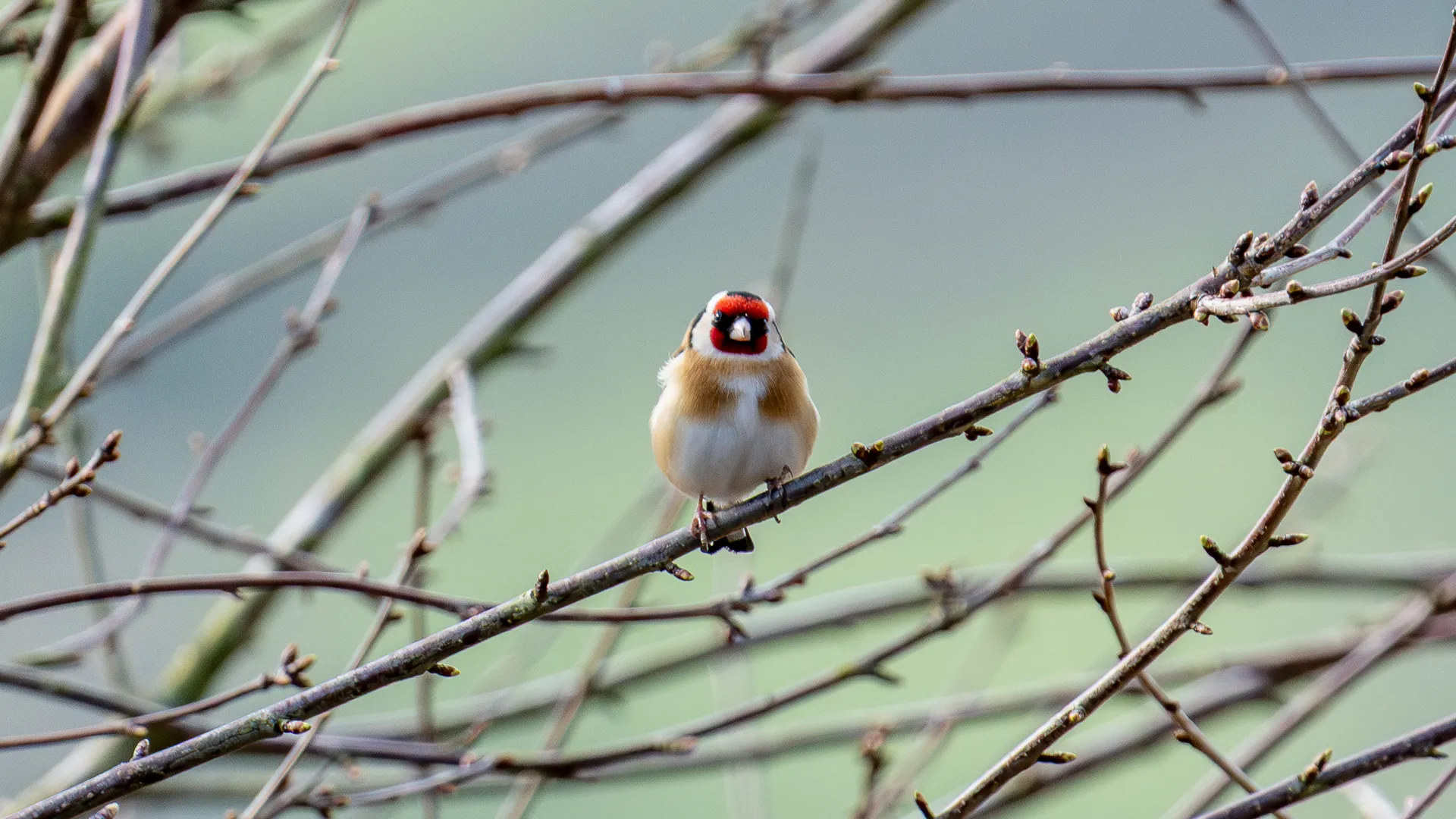
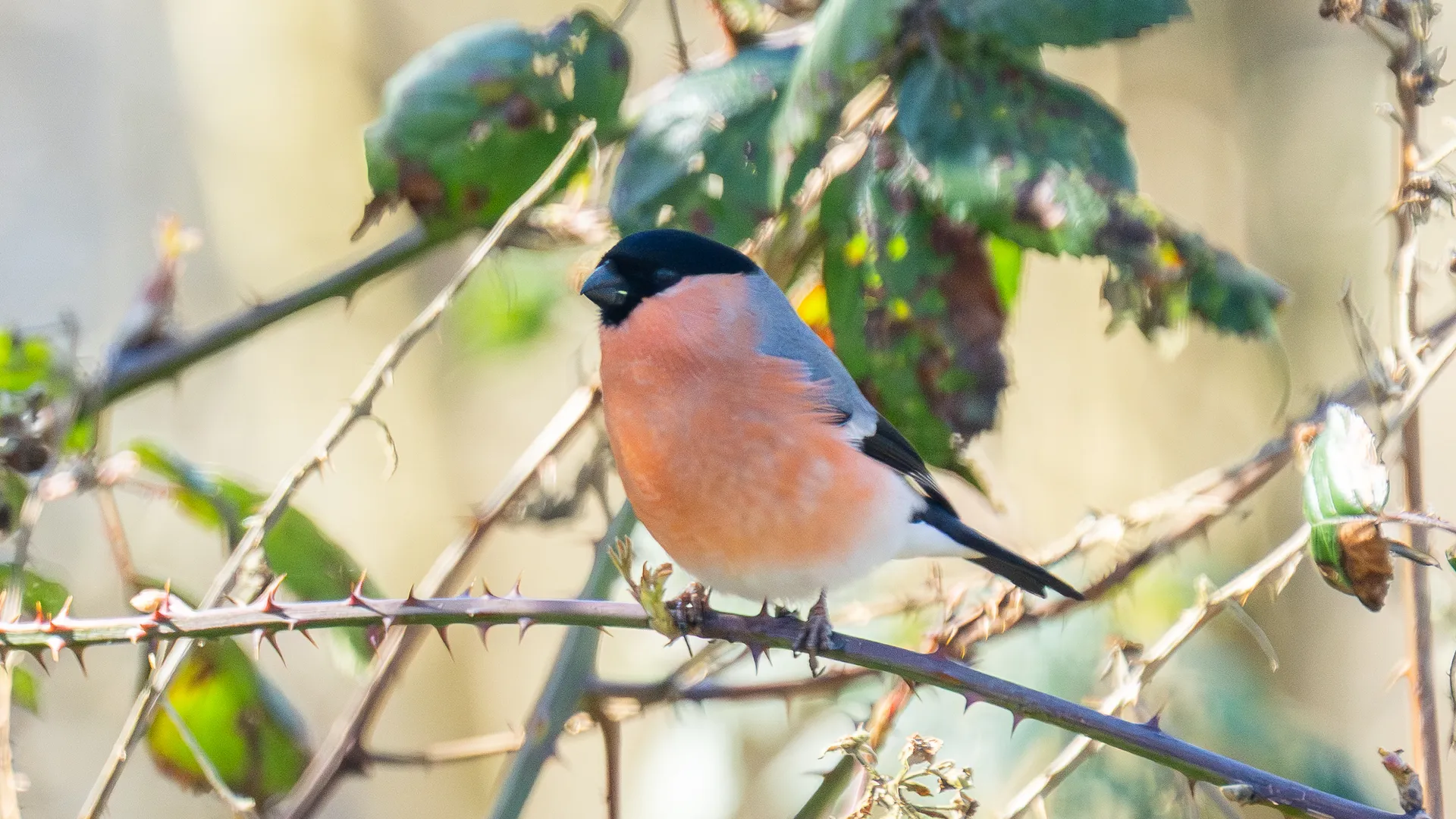
- 200-600mm focal length is excellent for sports and wildlife
- f/5.6-6.3 aperture relies on favorable light or good ISO handling
- Three OSS modes for shake correction
When it comes to Sony’s super-telephoto zoom lenses, the two main players will be the Sony FE 200-600mm f/5.6-6.3 G OSS that we’re reviewing here, and the bigger (but slower) Sony FE 400-800mm f/6.3-8 G OSS. Although the extra reach up to 800mm might be tempting, particularly if you specialize in bird photography, the 200-600mm lens has a faster maximum aperture of f/5.6 compared to the longer lens’s f/6.3 — and keep in mind, that’s at the shorter end of the focal range. It may not seem like much, but at fast shutter speeds, you need as much light hitting the sensor as possible to keep your ISO down. We spent a lot of time shooting at 600mm — and therefore at a maximum aperture of f/6.3 — which meant we had to rely on good natural light or bump the ISO up.
Image 1 of 6
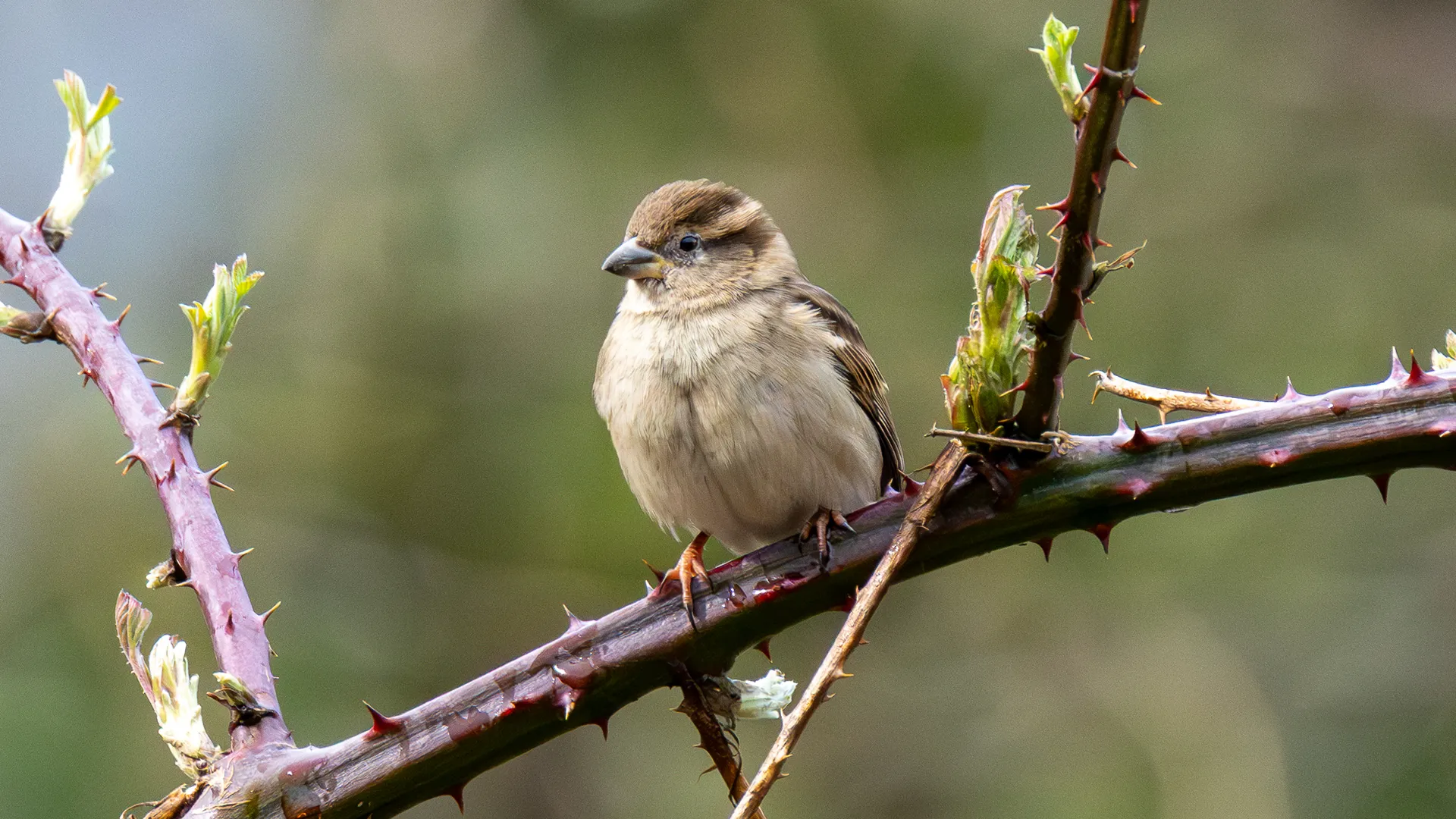
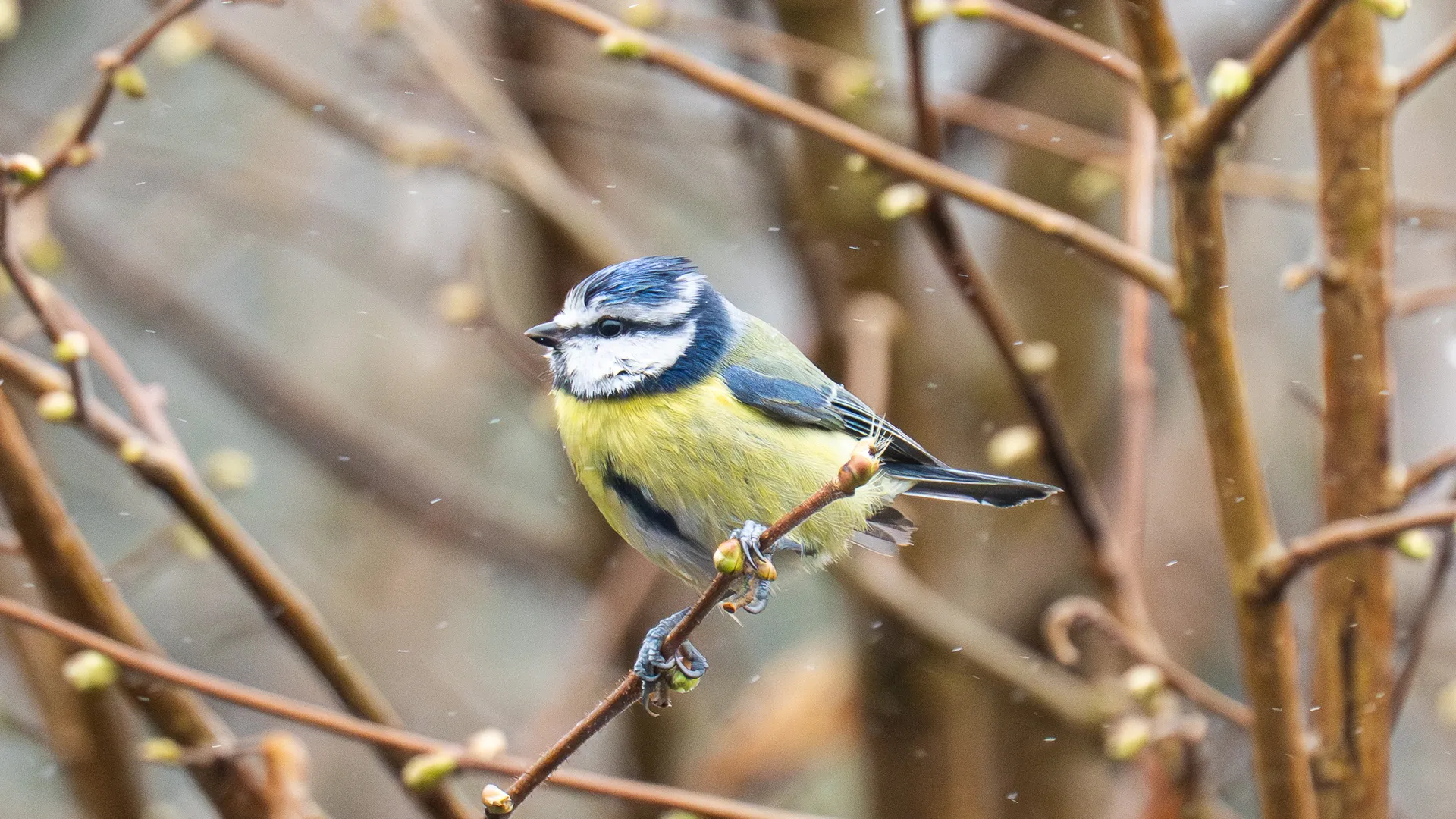
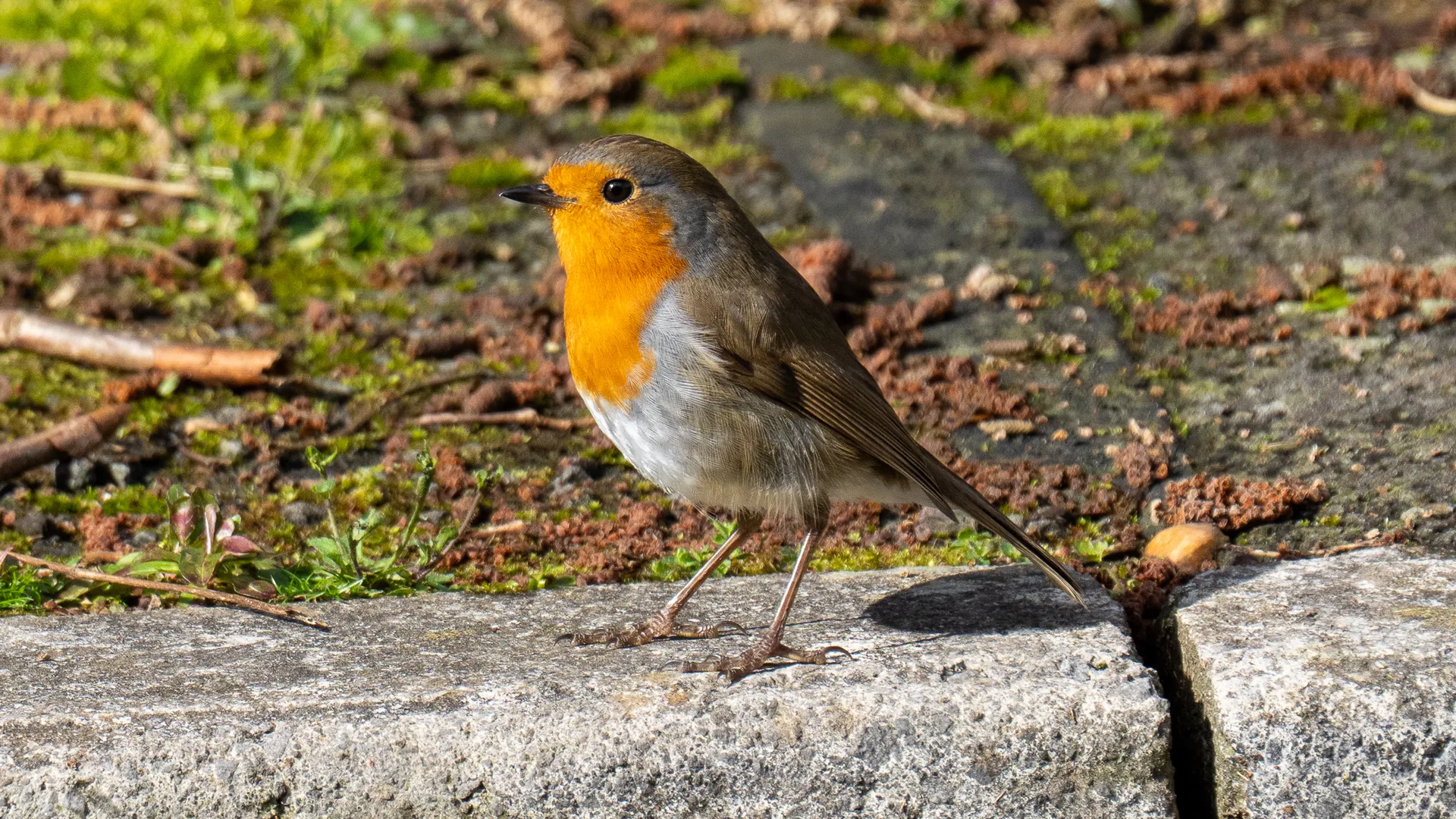
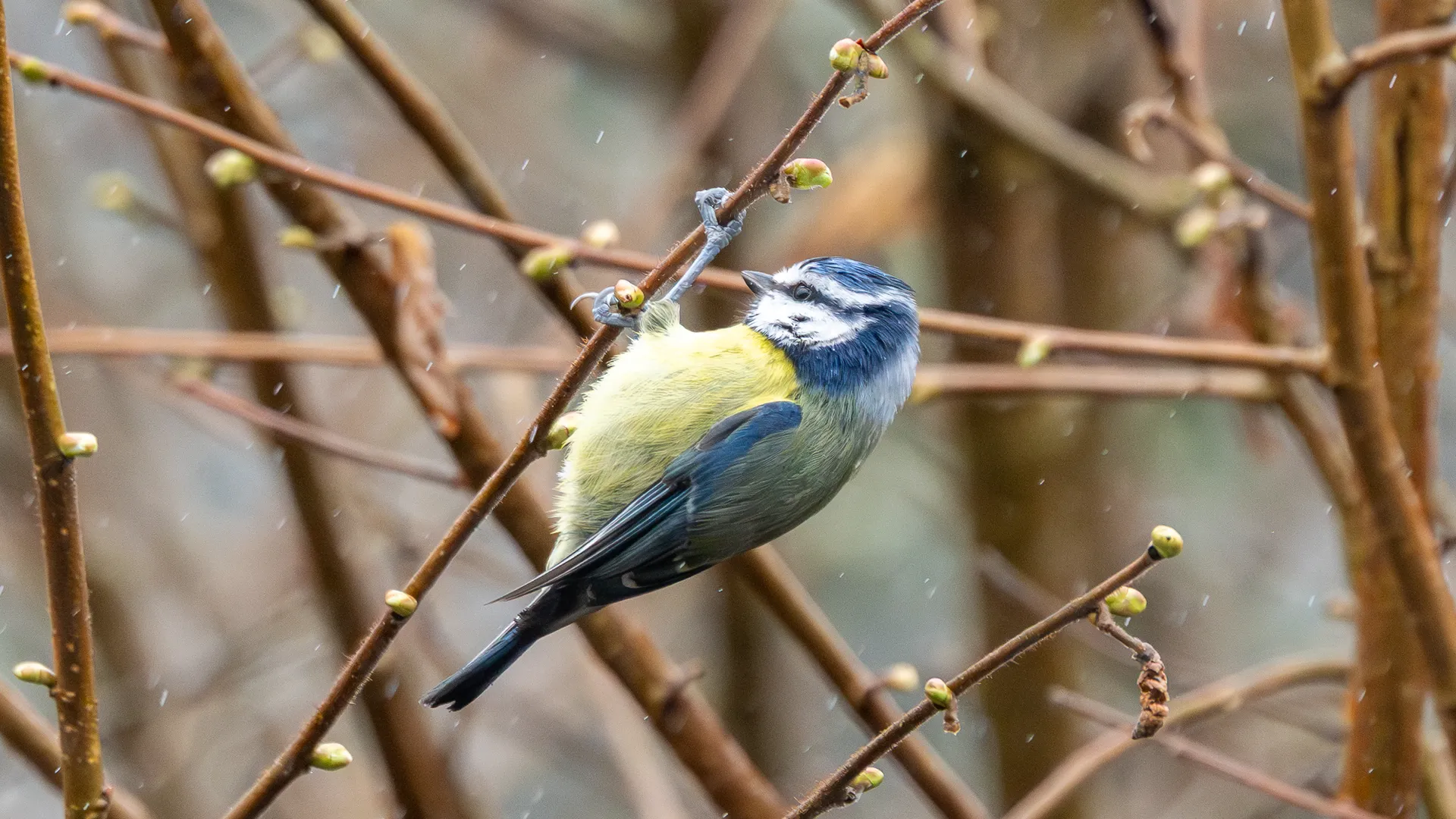


But when it comes to the focal length on its own, we had no problems photographing general wildlife with 200-600mm. We also got some beautiful images of small birds outside our house, but in most cases, we did need to rely on cropping the final image — this is where having a good camera comes in.
The image stabilization is generally very good, and the OSS Mode switch on the lens barrel offers three different options to suit various photographic styles. Mode 1 suits general shooting of stationary subjects, mode 2 works best for panning and mode 3 “provides a more stable viewfinder image that makes tracking and framing easier,” according to Sony. We spent most of our time using mode 3 for tracking and shooting unpredictable birds in flight.
Should you buy the Sony FE 200-600mm f/5.6-6.3 G OSS?

(Image credit: Kimberley Lane)
If your most important criteria are price and flexibility for wildlife and action photography, we think this is the best option to go for — particularly if this is your first dedicated wildlife lens. You get a lot of lens for the money, and although it’s never going to compare to the super-sharp prime lenses that the pros use, we were still impressed by its image quality. The versatile focal length allows for near and distant wildlife and sports action, and you could even do a bit of landscape photography at the wide 200mm end.
If this product isn’t for you

Sony FE 400-800mm f/6.3-8 G OSS
The Sony FE 400-800mm f/6.3-8 G OSS can shoot an extra 200mm, which is beneficial if you specialize in bird photography — but you lose a bit of aperture.

Sony FE 100-400mm f/4.5-5.6 GM OSS
If you want a G Master zoom, the longest lens Sony makes is the Sony FE 100-400mm f/4.5-5.6 GM OSS. There’s not as much reach, but the increased image quality could allow for better cropping.

Sony FE 300mm f/2.8 GM OSS
For those who want to make the jump to a wildlife prime lens, the Sony FE 300mm f/2.8 GM OSS would be a good place to start.