The first-ever whole-genome sequence of a Greenland shark has revealed genetic clues to how the animals avoid cancer and live for hundreds of years. The work may pave the way to a better understanding of age-related diseases in humans.
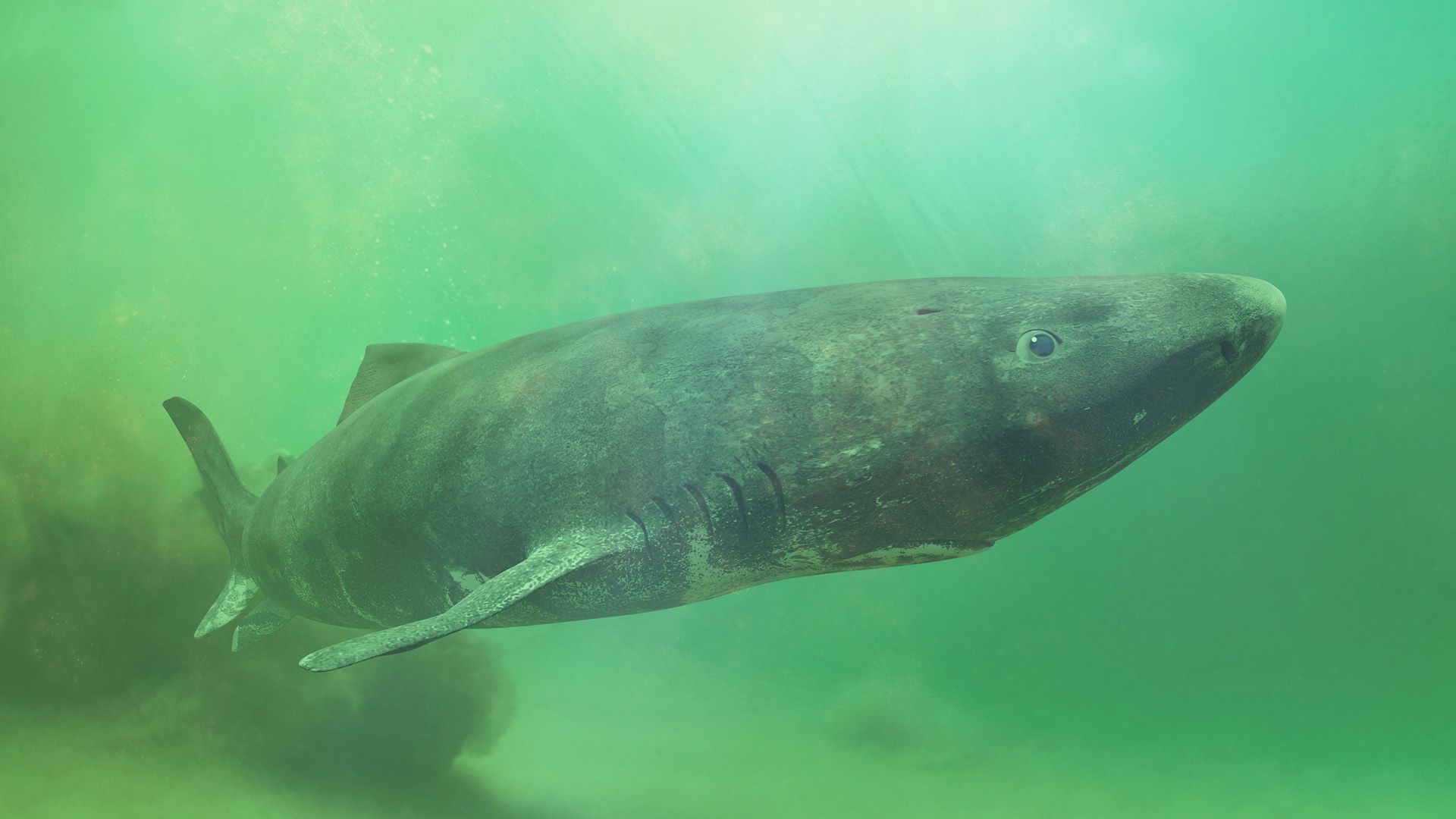
Greenland sharks (Somniosus microcephalus) typically grow to about 13 to 16 feet (4 to 5 meters) and live long lives in the North Atlantic and Arctic oceans. Little is known about these sharks, partly because they live at depths of up to 1.65 miles (2.65 kilometers). They are estimated to live to about 400 years and don’t reach maturity until they’re about 150 years old, making them the longest-living vertebrates in the world.
Now, new research by Shigeharu Kinoshita, a fisheries chemist at the University of Tokyo, and his colleagues has uncovered nearly the entire sequence — 96.7% — of a Greenland shark genome. In their study, published May 19 in the journal PNAS, the researchers found a wealth of genes that could be linked to the sharks’ longevity.
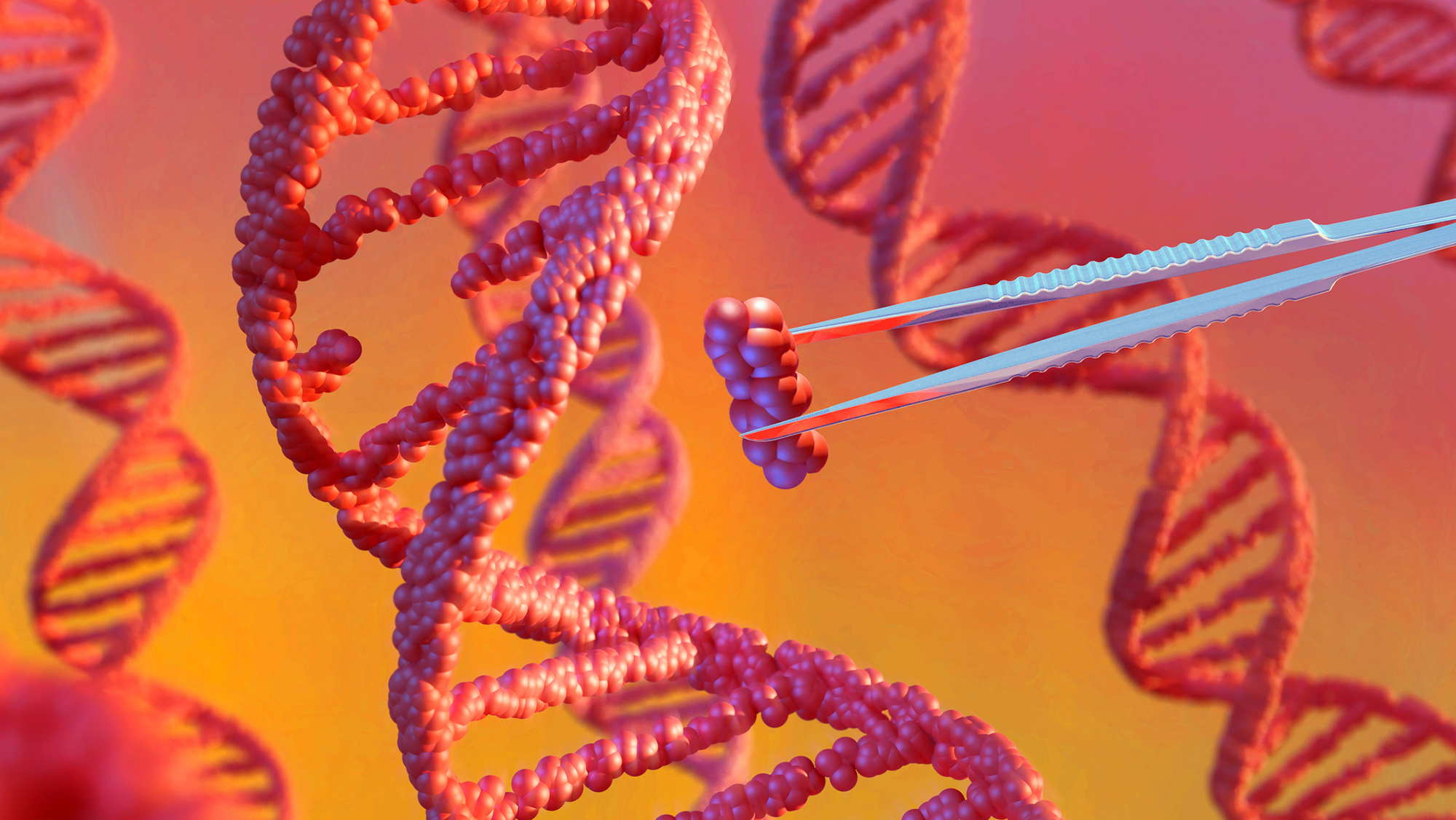
Key among the findings were genetic tweaks relating to unique amino acid substitutions in “linker histone proteins,” a series of proteins that spool and compact DNA. These changes may stabilize the structure of the sharks’ chromatin, the mixture of DNA and proteins that makes up the chromosomes. This, in turn, may help to suppress the accumulation of DNA damage over the sharks’ exceptionally long lifespans, Kinoshita told Live Science by email.
The researchers also found that gene families related to immune responses and DNA repair pathways were expanded in the shark genome. This finding, Kinoshita said, supports the idea that efficient damage repair and regulation of the immune system are key components of both longevity and cancer resistance.
A third discovery that provides clues to the sharks’ longevity was the marked expansion of ferritin genes, which are involved in iron storage and regulation. This gene expansion suggests the sharks have a boosted capacity to control iron metabolism and to limit oxidative stress, which can damage DNA and lead to cancer. It may also mean they restrict a mechanism called ferroptosis, an iron-dependent form of programmed cell death.
“Our genomic analyses revealed multiple lines of evidence pointing to enhanced genome stability and stress resistance in the Greenland shark,” Kinoshita said. “Extreme longevity is likely governed not by a single gene, but by coordinated changes across multiple biological systems, including genome stability, iron metabolism, immune function, and stress resistance,” he said, adding that the work could inform research on human aging and age-related diseases.
The features linked to immune enhancement, cancer resistance, DNA repair and chromatin stability may help to explain the shark’s extreme lifespan, said Dorota Skowronska-Krawczyk, a physiologist and biophysicist at the University of California, Irvine, who recently showed how DNA-repair-associated genes in the retina may help keep the Greenland shark’s eyesight clear over its long life. “This could be related to longevity and cancer resistance, but functional studies will be needed to test that idea directly,” said Skowronska-Krawczyk, who was not involved in the research.
Previous work suggested that the sharks’ metabolism remains stable throughout their lives, which has been given as another reason for their epic longevity.
Aaron MacNeil, a biologist at Dalhousie University in Nova Scotia who was not involved in the research, told Live Science that the results support the idea that the sharks are particularly long-lived. But MacNeil is skeptical of the 400-year age estimate, which is based on radiocarbon isotope traces left over from Cold War nuclear bomb testing seen in the eyes of sharks. The eye lenses grow in layers, so seeing where the isotope sits in the layers gives a fixed point in time that helps assess the animals’ age.
The slow mixing of different layers of the ocean in the cold depths where Greenland sharks live means it could take longer for the bomb radiocarbon to reach the deep sea, and thus the age estimate for the sharks may be too high. “But we do know they’re damn old — 200 years at least,” MacNeil said.
How much of a shark fan are you? Find out with our shark quiz!