


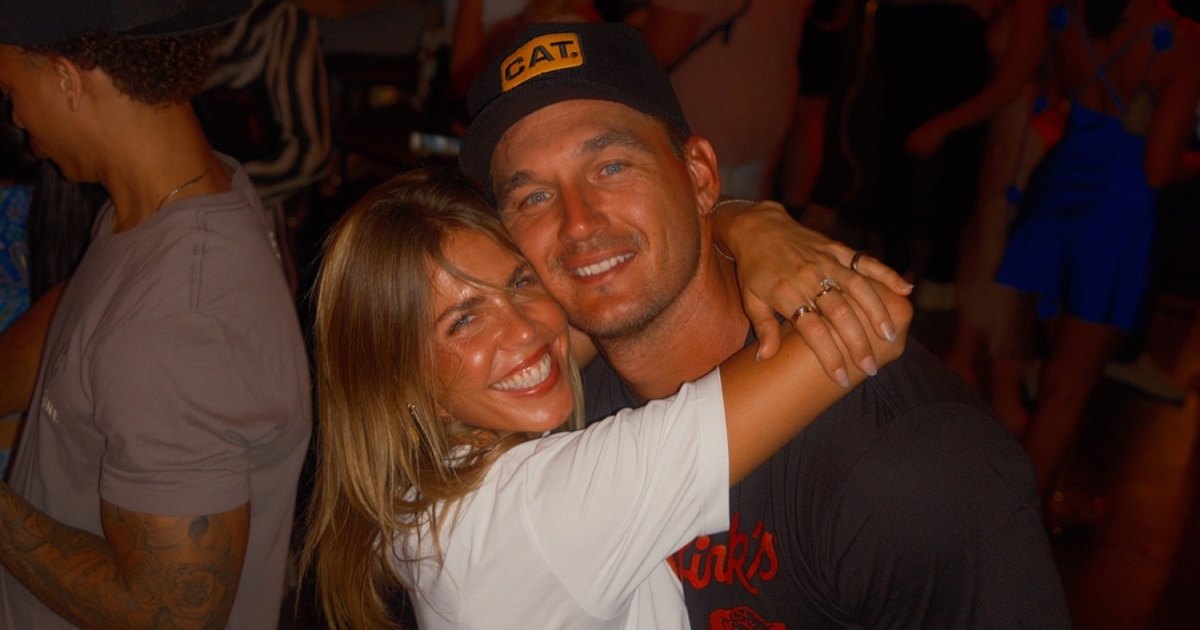



Democrat Cindy Holscher has been elected Kansasâ next governor, fending off Republican Ty Masterson to keep the office in her partyâs hands and extend a massive wave of Democratic victories across the country.
Democrats had already secured a majority of governorships in the US for the first time in two decades, even prior to the narrow win in Kansas, where Holscher had already declared victory following Tuesdayâs midterm elections. The Associated Press did not call the race until Thursday.
Holscher, a state senator, promised to halt new data centers and overcame a flood of money that Republicans poured behind Masterson, the president of the GOP-controlled state Senate. She will succeed outgoing Gov. Laura Kelly, a Democrat who was term-limited.
âKansans have sent a clear message that they want to keep our state moving forward,â Holscher said in a video posted online Tuesday, two days before the race was called. âThe work of preparing to lead has already begun.â
Masterson remains the Kansas Senateâs top Republican leader. Before the race was called, he promised to keep fighting to cut property taxes â his biggest campaign promise â and for safer communities and better schools.
The political tailwinds helping Holscher also pushed US Sen.-elect Adam Hamilton, pastor of the nationâs largest United Methodist church, to Democratsâ first victory in a Senate race in Kansas since 1932.
In another big victory for Kansas Democrats, Chris Mann ousted state Attorney General Kris Kobach, a champion of strict voter ID laws who served as vice chair of President Donald Trumpâs commission on election fraud in 2017.
Masterson had reasons for optimism after emerging from a contentious primary in August with Trumpâs endorsement. For 60 years, when a Kansas governor has retired or been term-limited, the other partyâs nominee has won the next election.
The Republican Governors Association poured $19 million into television and digital advertising, according to the ad-tracking firm AdImpact, and attacked Holscher as an extreme liberal. The two candidatesâ fall fundraising was comparable, but Republicans outspent Democrats more than 3-to-1 overall.
Holscher also faced early resistance to her bid from Kelly, who had earlier backed another Democratic state senator and once suggested that Holscher could be too liberal to win in November. Kelly later endorsed Holscher and produced a video for her â though not until after she did a spot for Iowaâs new governor-elect, Rob Sand.
Holscher made a state moratorium on building new data centers for artificial intelligence a cornerstone of her campaign. She said people want limits on their energy and water use and want to make sure the centers create local jobs.
âIt cuts across party lines,â she told reporters in Topeka late in the race. âThe people are asking for reasonable things.â
A former manager for Sprint Corp., Holscher lives in the Kansas City, Kansas, suburbs in Johnson County that boomed after World War II. Itâs the stateâs most populous county, home to 23% of the stateâs 2 million voters.
More coverage of the 2026 midterm elections:
Johnson County has become increasingly Democratic since Trumpâs first run for president in 2016. Holscher won a Kansas House seat that year and was elected to the Senate in 2020.
She captured more than 60% of Johnson Countyâs vote, offsetting Mastersonâs big margins in solidly GOP rural areas. Hamilton, who also lives in Johnson County, took the same path to victory.


