

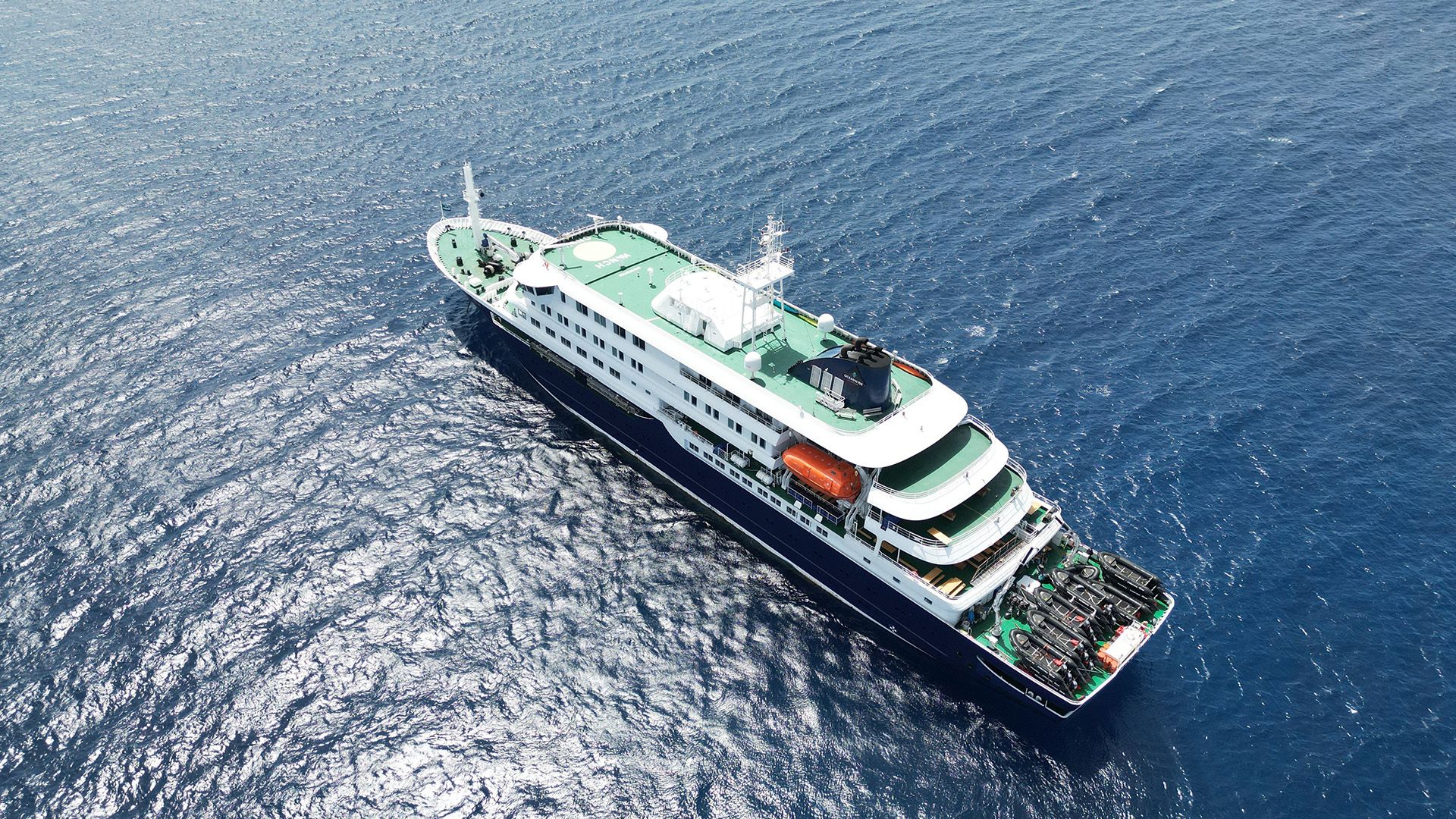
Confirmed and suspected cases of hantavirus infection have struck eight people on a cruise ship in the Atlantic Ocean, and now, laboratory tests have pointed to a specific kind of hantavirus at fault.
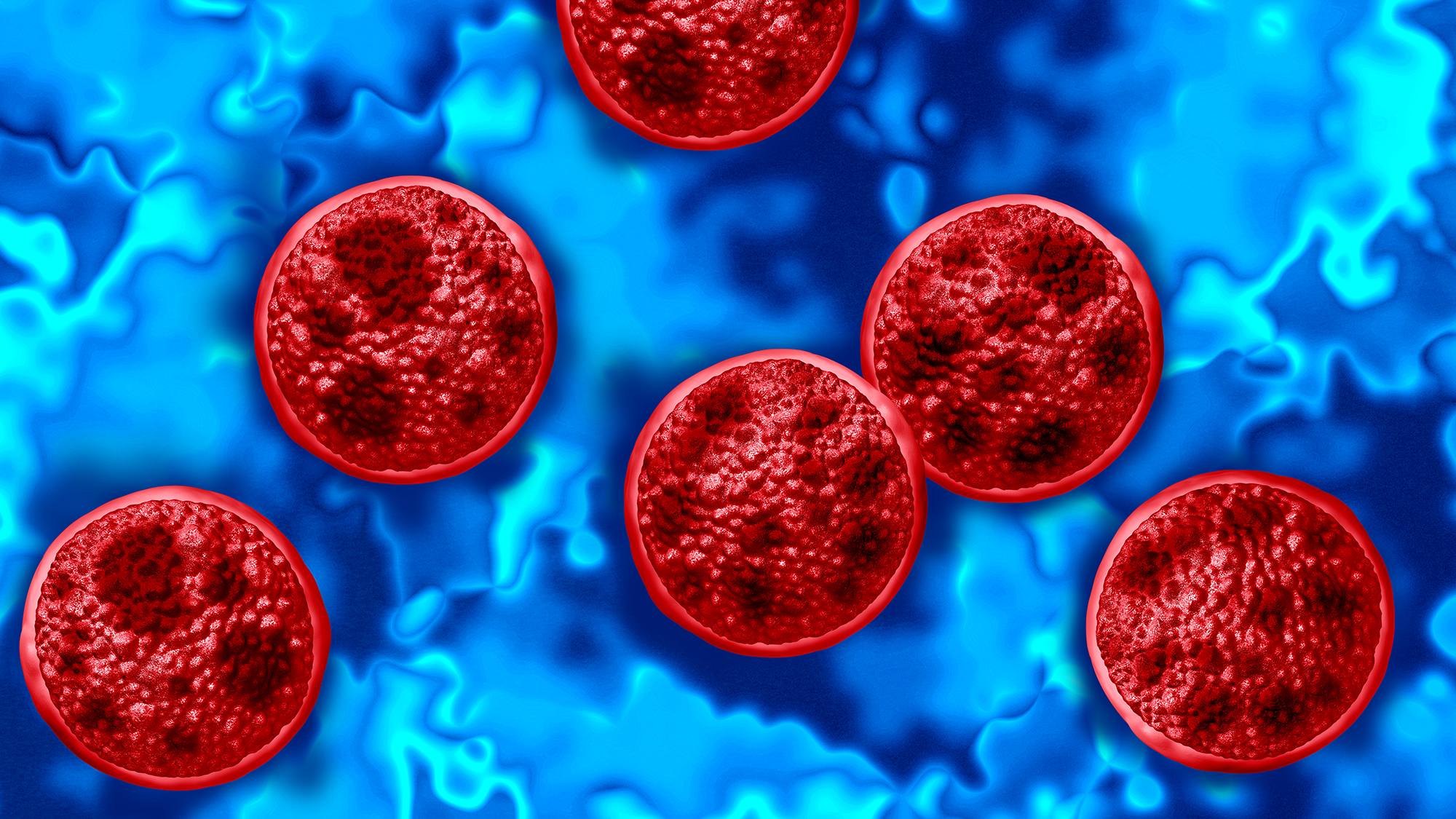
Hantaviruses are a large family of viruses carried by rodents, such as rats. It’s relatively uncommon for them to cause infections in people, but when they do, they can be deadly — depending on the type of hantavirus at hand, fatality rates range between 1% and 50%. There is no specific treatment to cure hantavirus infections, but prompt medical care to manage symptoms can improve patients’ chance of survival.
Upon learning about the cluster of illnesses associated with the cruise ship and identifying hantaviruses as a possible culprit, health authorities, including the World Health Organization (WHO), already suspected that the Andes virus might be to blame. As of now, three people who became sick on the cruise have died, including one with a confirmed hantavirus infection; additionally, several other people are receiving care for suspected infections and two people in medical care have confirmed infections.
At a May 4 news conference, Maria Van Kerkhove, the WHO’s interim director of epidemic and pandemic preparedness and prevention, said the agency was operating under the assumption that the Andes virus was behind the illnesses and taking necessary precautions to prevent further cases. That includes isolating suspected cases, since the Andes virus is the only hantavirus known to spread between people.
Now, the Centre for Emerging Viral Diseases of the Geneva University Hospital, a WHO collaborating center, has examined a clinical sample from one of the people infected on the cruise. The patient is being treated at the University Hospital of Zürich, where he was immediately placed in isolation upon arrival.
The patient had “responded to an email from the ship’s operator informing the passengers of the health event, and presented himself to a hospital in Zurich, Switzerland, and is receiving care,” the WHO posted May 6 on X. His case brings the total number of hantavirus cases associated with the cruise to eight, including three confirmed and five suspected infections.
The hospital staff followed the WHO’s lead, also operating under the assumption that the patient had an Andes virus infection. “Our result has confirmed this hypothesis,” Schibler said of their laboratory results, which were announced on May 6.
“It is clear we would have preferred it to be a hantavirus for which [human-to-human] transmission is not documented,” Schibler said. “Unfortunately, that is not the case.”
The silver lining is that, to scientists’ knowledge, the Andes virus doesn’t spread as easily as many major pathogens. “It is not a virus that is as transmissible through the respiratory tract as COVID or the flu. So that’s rather reassuring information,” Schibler said. Nonetheless, it will be important to remain vigilant and isolate any suspected cases efficiently, to limit additional spread as much as possible, he said.
Schibler and colleagues now aim to sequence the virus’s genetic material to gather more information about its subtype, but this data likely won’t affect the immediate care for patients with hantavirus infections, he noted.
On X, the WHO added that, in addition to the Geneva University Hospitals, South Africa’s National Institute for Communicable Diseases detected Andes virus in clinical samples from the cruise ship passengers. (The WHO’s statement doesn’t note which patient’s samples were analyzed by the National Institute for Communicable Diseases, but there is one patient with a confirmed hantavirus infection currently receiving care in Johannesburg.)
Investigations are ongoing and will include further analysis of the suspected and confirmed cases, the WHO has stated. Three people with suspected cases were evacuated from the ship on May 5 to be transported to the Netherlands for medical care. Van Kerkhove has said that the plan for the rest of the people onboard is to travel to the Canary Islands, where authorities will conduct a full epidemiologic investigation, disinfect the ship and assess the remaining passengers.
This article is for informational purposes only and is not meant to offer medical advice.