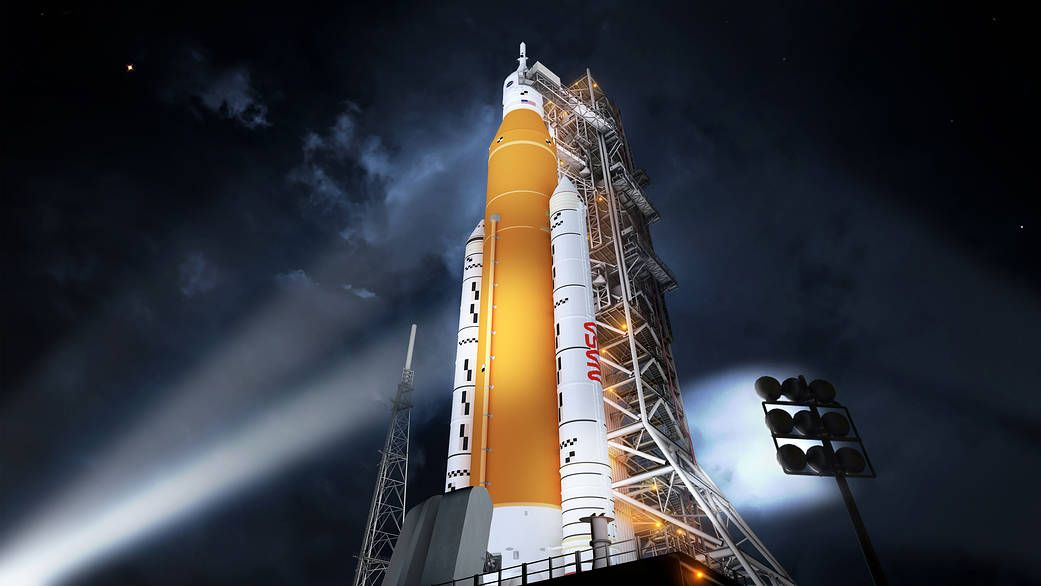
NASA is on track to send humans around the moon as early as Feb. 6 as it makes final preparations for the imminent rollout of its Artemis 2 mega moon rocket.
The Artemis Program aims to send humans back to the moon for the first time in more than 50 years. The program will also take the first woman to the moon.
“We are moving closer to Artemis II, with rollout just around the corner,” Lori Glaze, the acting associate administrator for NASA’s Exploration Systems Development Mission Directorate, said in a statement released Jan. 9. “We have important steps remaining on our path to launch and crew safety will remain our top priority at every turn, as we near humanity’s return to the Moon.”
NASA previously announced that the launch window for Artemis 2 could be as soon as Feb. 5, 2026, but no later than April 2026. However, the Artemis mission has previously experienced delays and, as with all spaceflight missions, the latest proposed dates are subject to change.
In preparation for the test flight, NASA is planning to move the giant Space Launch System (SLS) rocket and Orion spacecraft, which will hold the crew, to the launch pad at the Kennedy Space Center in Florida no earlier than Saturday (Jan. 17). The rocket has a 212-foot-tall (65 meters) core stage and will stand 322 feet (98 m) tall — higher than the Statue of Liberty — when capped with the crew capsule.
The distance between NASA’s Vehicle Assembly Building and the launch pad is only 4 miles (6 kilometers), but moving massive rockets is a slow and delicate process, and the journey is expected to take up to 12 hours, according to the statement.
NASA will delay the rollout if weather conditions are unfavorable or there are technical issues. The space agency noted that its engineers have been troubleshooting in the lead-up to launch. For example, they worked on leaky ground support hardware that is needed to supply Orion with oxygen.
After the rollout, NASA plans to run a wet dress rehearsal at the end of January. This is a prelaunch test to fuel the rocket, which is composed of more than 700,000 gallons (2.6 million liters) of cryogenic propellants. The test will also include things like a launch countdown, practice removing the rocket propellant, and safety procedures. Assuming all goes well, NASA will then conduct a flight readiness review before committing to a launch date.
The space agency wants to have a sustained presence on the moon as part of the Artemis Program, with the moon also serving as a stepping stone to the ultimate goal of putting humans on Mars.