

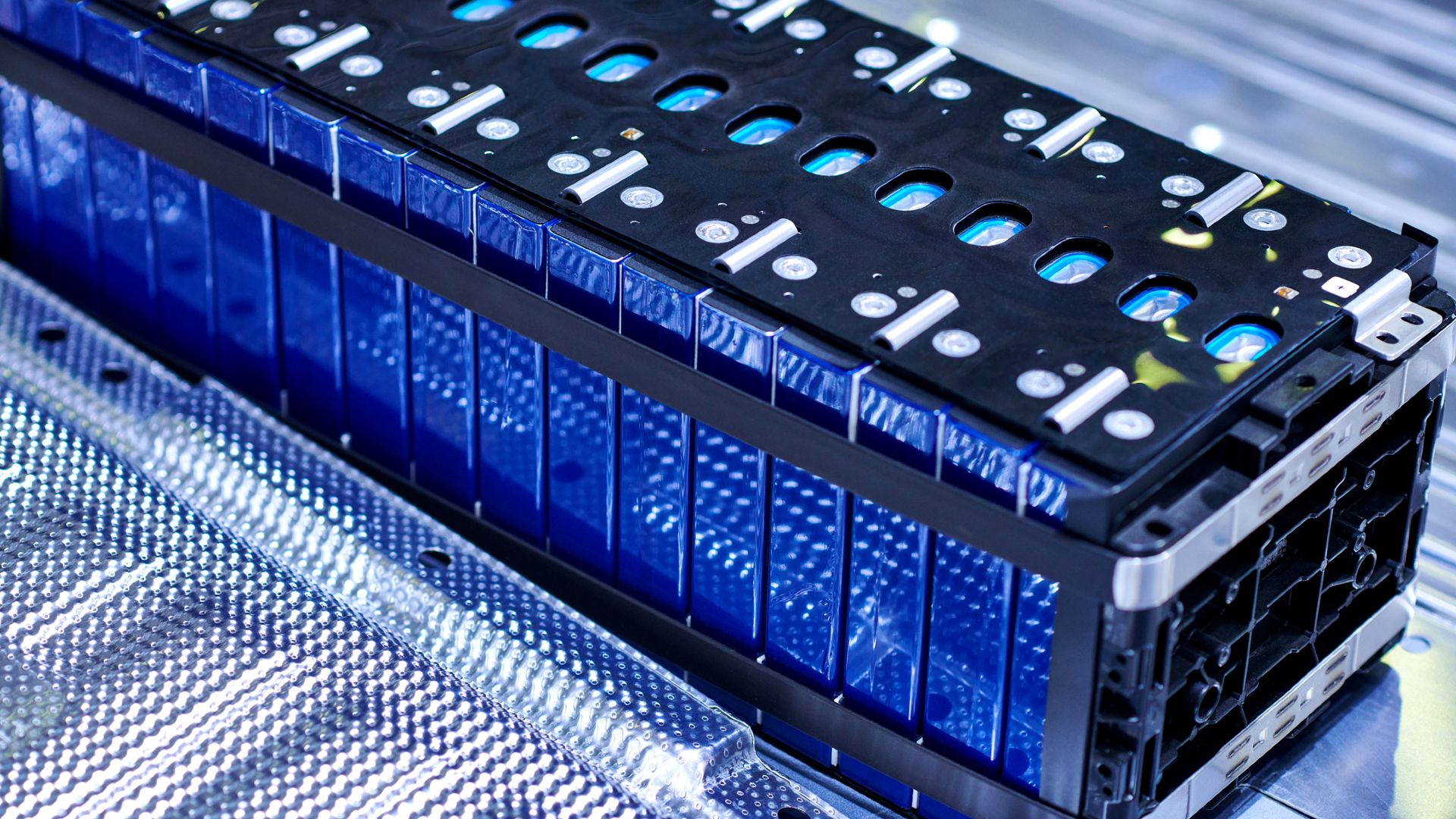
Most of the rechargeable batteries used in today’s technology, from electric cars to the phones in our pockets, are lithium-ion (Li-ion) batteries. Since its inception in the early 1990s, Li-ion battery technology has been widely adopted for its high energy density, lightweight construction and ability to provide high voltage on demand for gadgets and vehicles alike.
But scientists are working on a new contender that threatens to relegate Li-ion to the past — at least in specific applications. Sodium-ion (Na-ion) batteries (sometimes called NIBs as an abbreviation of Na-ion battery) are an emerging battery technology that stores charged sodium ions in batteries’ electrodes, rather than lithium ions as in Li-ion batteries.
Na-ion batteries also come with inherent safety benefits that could make them more palatable for large-scale, static battery setups, scientists that are working on the technology say.
Na-ion batteries vs Li-ion batteries: What are the benefits?
The main benefit of Na-ion batteries is that they are cheaper, easier and more sustainable to manufacture because of the sheer availability of sodium.
“Particularly, sodium is cheaper, more abundant and less geographically concentrated than lithium,” explained Dustin Bauer, an associate at intellectual property firm Reddie & Grose with doctoral experience studying the synthesis, composition, and use of Na-ion batteries and Li-ion batteries.
Because of the operating voltage of the batteries, Li-ion requires the use of copper for the negative current collector, but copper is more expensive and weighs more than aluminum
Carmen M. López, principal scientist in the electrochemistry group at National Physical Laboratory (NPL).
With the past decade having made the potential pitfalls of the global supply chain plain to see, as well as climate targets requiring a mass switch to electrified grids and transport wherever possible, there’s a clear benefit to adopting batteries that don’t rely on hard-to-source critical minerals to function.
“For reference, Sodium is the sixth most common element on Earth, and has a natural abundance of 2,360 mg/L, whereas Lithium, at number 32 in the list, has a natural abundance of 20 mg/L,” said Carmen M. López, principal scientist in the electrochemistry group at the National Physical Laboratory (NPL).
Once the supply chains for Na-ion batteries are operational at scale, they could help drive the costs far below Li-ion batteries, flooding the world market with more affordable energy storage options. For example CATL, the world’s largest battery manufacturer, recently commenced commercial production of Na-ion batteries for heavy vehicles.
Beyond the silicon used for the cathode in the battery, the chemistry of Na-ion batteries also circumvents the need for other costly components.
“Because of the operating voltage of the batteries, Li-ion requires the use of copper for the negative current collector, but copper is more expensive and weighs more than aluminum,” López said.
She added that Na-ion batteries carry the potential for replacing organic electrolytes — used as the conducting medium for ions in Li-ion batteries — with aqueous electrolytes. This would make battery production more sustainable and cheaper still.
Battery chemistry also lies at the heart of safety claims surrounding Na-ion batteries. Thermal runaway — an exothermic chain reaction that can occur inside battery cells and cause them to catch fire — is less likely to occur in a Na-ion battery than a Li-ion battery.
This is because sodium ions are larger than lithium ions and therefore have greater “friction” — the result is that, in the event of damage that could lead to thermal runaway, they flow to the impact point at a rate which is unlikely to cause a rapid spike in temperature. Lithium ions, on the other hand, can flow quickly, causing overheating, the release of oxygen and ignition.
Finally, Na-ion batteries offer improved temperature resistance over Li-ion batteries, due to their low volatility and the reduced viscosity of the electrolyte. In short, this refers to the degradation of performance at low temperatures linked to the lower charge density of sodium ions compared to lithium ions, meaning that the ions continue to move freely even in low temperatures.
In a recent study published Dec. 12 in the journal Chinese Chemical Letters, scientists at Hunan First Normal University and Central South University found that Li-ion batteries could retain just 20% of their room temperature energy capacity when tested at -4 degrees Fahrenheit (-20 degrees Celsius). Na-ion batteries, the researchers noted, could offer better performance, subject to further testing.
Could Na-ion batteries be good for EVs?
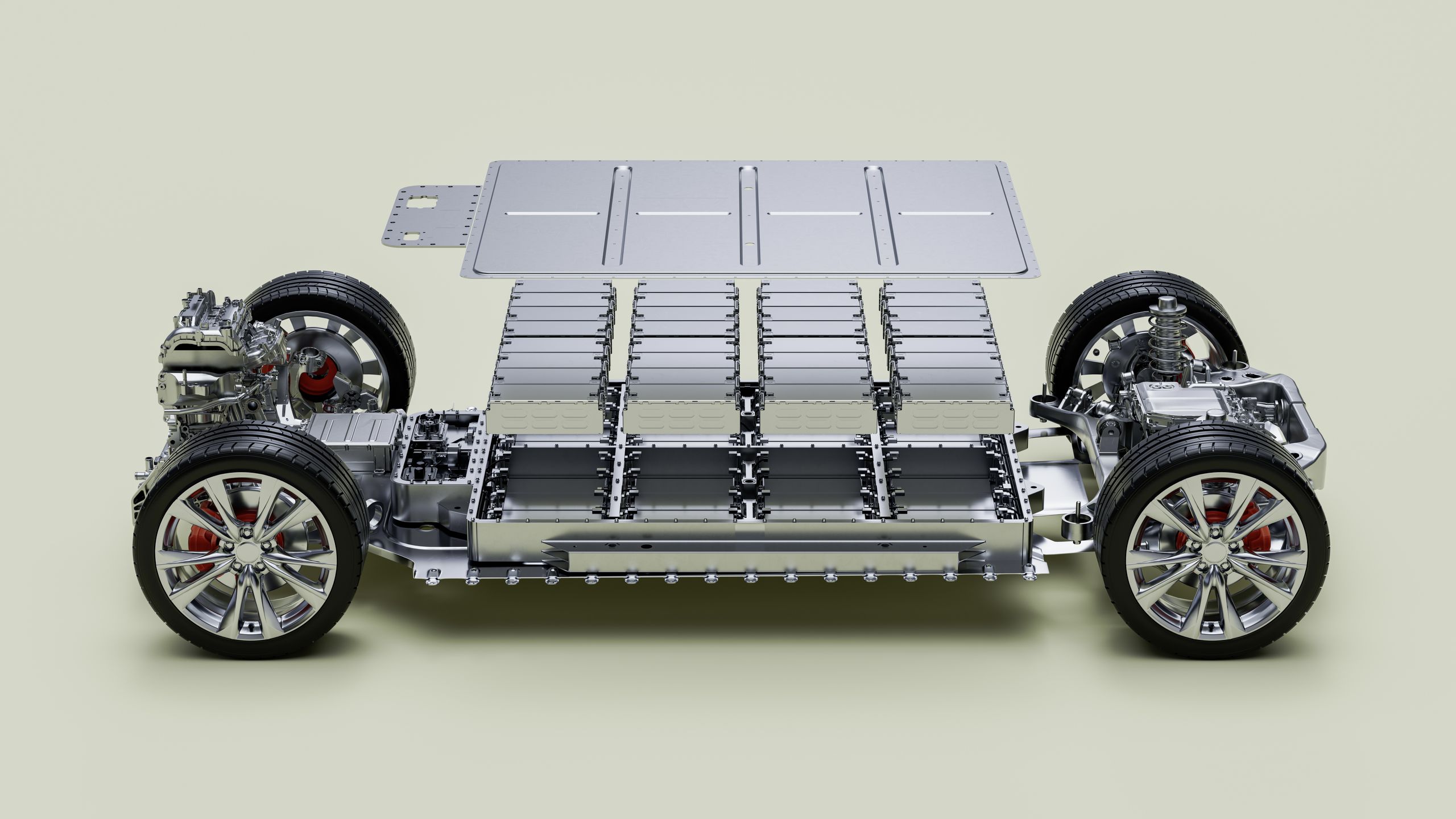
The lower cost and increased safety of Na-ion batteries make them a suitable candidate for EV batteries. First and foremost, as the world increases its EV adoption — with 39 countries having passed 10% EV sales share as of 2025, according to the energy think-tank Ember — more sustainable and scalable supply chains for vehicle batteries will become necessary.
Once Na-ion production is achieved at scale, it could be highly regionalized, with factories in the majority of world regions capable of capturing or synthesizing the hard carbon that forms the backbone of the devices.
Additionally, the reduced chance of thermal runaway occurring within Na-ion batteries could increase the safety of EV batteries, which currently combust at a rate similar to that of gasoline and diesel fuels, according to National Car Charging data.
No technology is perfect, however, and we’re unlikely to see Na-ion batteries replace all Li-ion batteries any time soon. This is because the drawbacks of Na-ion make it a more situational alternative to the lithium-based batteries we know so well.
First and foremost, Na-ion batteries have lower energy density than Li-ion batteries. This is for the same reason that they have lower viscosity – sodium ions are simply larger than lithium ions, reducing the overall movement that can occur within the Na-ion battery’s electrolyte and translate to power.
The mass of sodium is also three times that of lithium, per the American Physical Society, which means you get less charge held per gram of Na-ion battery.
In practice, this adds up to Na-ion batteries being unable to compete with Li-ion for sheer quantity of energy held. The same data from the American Physical Society quoted the average energy density of Li-ion batteries as being in the range of 100-300 watt hours per kilogram. CATL’s first-generation Na-ion batteries, in contrast, achieved a figure of just 160 Wh/kg.

The inherently lower energy density of Na-ion batteries compared to Li-ion is a major stumbling block to using them for EVs, despite the potential safety benefits of doing so. Bauer described the issue of energy density as the “main and possibly decisive” drawback for Na-ion batteries, and it’s clear that researchers are working hard to overcome this challenge.
“There is a lot of debate in the battery community about this,” López told Live Science. “Due to the limitations in power and energy density, to power your typical electric vehicle, the size and weight of Na-ion batteries that will be needed will make them unsuitable for onboard deployment. The best chance in transportation would [be] in slow-charging infrastructure, and/or ultra-compact, short distance drive vehicles.”
López added that the disadvantages of Na-ion’s lower energy density can’t quite be offset by its lower cost and weight due to its simpler, copper-light design. So for the moment, the economics of some Na-ion batteries just don’t add up.
All of this means Na-ion batteries are at present more suitable for static systems — and are therefore not the first choice for EV batteries. But this is far from a niche market.
Grid storage beckons
Indeed, one of the most promising use cases for Na-ion batteries, backed up by the experts to whom LiveScience spoke, is grid-scale energy storage such as battery energy storage systems (BESS).
These vast arrays of batteries are becoming increasingly important for the stability of national and regional grids, in particular for storing the intermittent energy production of renewables such as solar and wind farms for later use.

For example, the U.K. Parliament has examined the risk of thermal runaway for grid-scale BESS, citing the examples of fires at BESS sites linked to the process in both Liverpool and Essex.
But even with the lower upfront cost of Na-ion taken into account, energy density remains a downside for the technology when it comes to energy storage. For example, EV and battery giant BYD’s MC Cube-SIB ESS, its Na-ion BESS product, delivers an energy storage capacity of just 2.3 MWh in its 20-foot size configuration, as reported by Energy Storage News. This compares to around 6.4 MWh for BYD’s Li-ion offering in the same lineup.
Bauer pointed to the Baochi Storage Station in Yunnan as an example of both Li-ion and Na-ion being used to store renewable energy at scale. Some of the main reported benefits of the approach include faster discharge of batteries — six times faster than current battery models, according to the Global Times — and better resilience in weather conditions ranging from (-4 to 113 degrees F (-20 to 45 degrees C).
When will Na-ion batteries be commercially available?
While research into Na-ion is ongoing and new breakthroughs help improve the energy density of Na-ion batteries, this is a mature field of research with huge commercial potential. In fact, we’re already seeing manufacturers turning out products powered by Na-ion batteries.
“Commercial production is already happening, with early mass production capacity coming online,” said Bauer.
“CATL, who are the world’s largest Li-ion battery manufacturer, in 2025 unveiled a Naxtra passenger EV NIB with an energy density of 175 Wh/kg, and Freevoy, a mixed ion (mixed NIB and LFP Li-ion) battery. More recently, CATL revealed Tianxing II, a “mass-produced” NIB for light commercial vehicles.”
Despite this, López cautions that more real-world safety tests for Na-ion batteries must still be completed: “For example, will it be more desirable and practicable to deploy these batteries in urban vs remote environments? How do we adapt them to existing electricity infrastructure? Among other things to be considered,” she said.