Emerging diagnostic tests for cancer aim to detect the disease in its earliest stages, to improve patients’ chances of survival by enabling earlier treatment. Some of these diagnostics — called multi-cancer early detection (MCED) tests — screen for many cancers at once, which sounds great on paper.
However, in February, a flagship trial testing one such cancer test, called Galleri, failed to meet its primary endpoint: it didn’t reduce the number of late-stage cancer cases identified. In May, at the American Society of Clinical Oncology (ASCO) meeting in Chicago, attendees got a closer look at some of the data behind the trial.
The trial was the biggest of its kind in the field to date and its high-profile failure drew a lot of attention. But experts told Live Science that it doesn’t mean we should count out MCED technology.
Why Galleri was put to the test
The majority of cancer diagnoses and deaths are from cancers that have no well-established screening program, such as pancreatic cancer. Without these early-detection methods, like regular colonoscopies for colorectal cancer, many cancers are caught late.
The perfect MCED test could, in theory, make finding cancer a breeze. Such a test could use a single blood sample to screen for many cancers, detecting disease-linked changes in DNA and other cellular markers of disease floating in the bloodstream.
But designing a trial that proves that MCEDs can improve patient outcomes is difficult. Earlier diagnosis can be life-saving in some types of cancer, said Jessica Lloyd, a strategic evidence manager at the nonprofit Cancer Research U.K. Five-year survival rates drastically improve when lung or colorectal cancer are detected at an earlier stage. But for other cancers, such as melanoma, earlier diagnosis makes little difference to overall survival rates.
The ideal trial would follow a group of patients over many years; one half would receive MCED testing while the other would not. At the end of the trial, data would reveal whether overall cancer deaths were reduced in the group that received testing.
Get the world’s most fascinating discoveries delivered straight to your inbox.
But there’s already a lot of hype around MCED tests, and there’s little appetite in the field to wait years for clear results that the tests improve outcomes, or to pay the high price tag that such long studies would incur.
Instead, the recent trial of Galleri, run in collaboration with the U.K.’s National Health Service (NHS), lasted only three years. It measured whether the test could identify cancers at an earlier stage, considering the early detection a proxy for mortality data. In other words, early detection was assumed to lead to lower death rates.
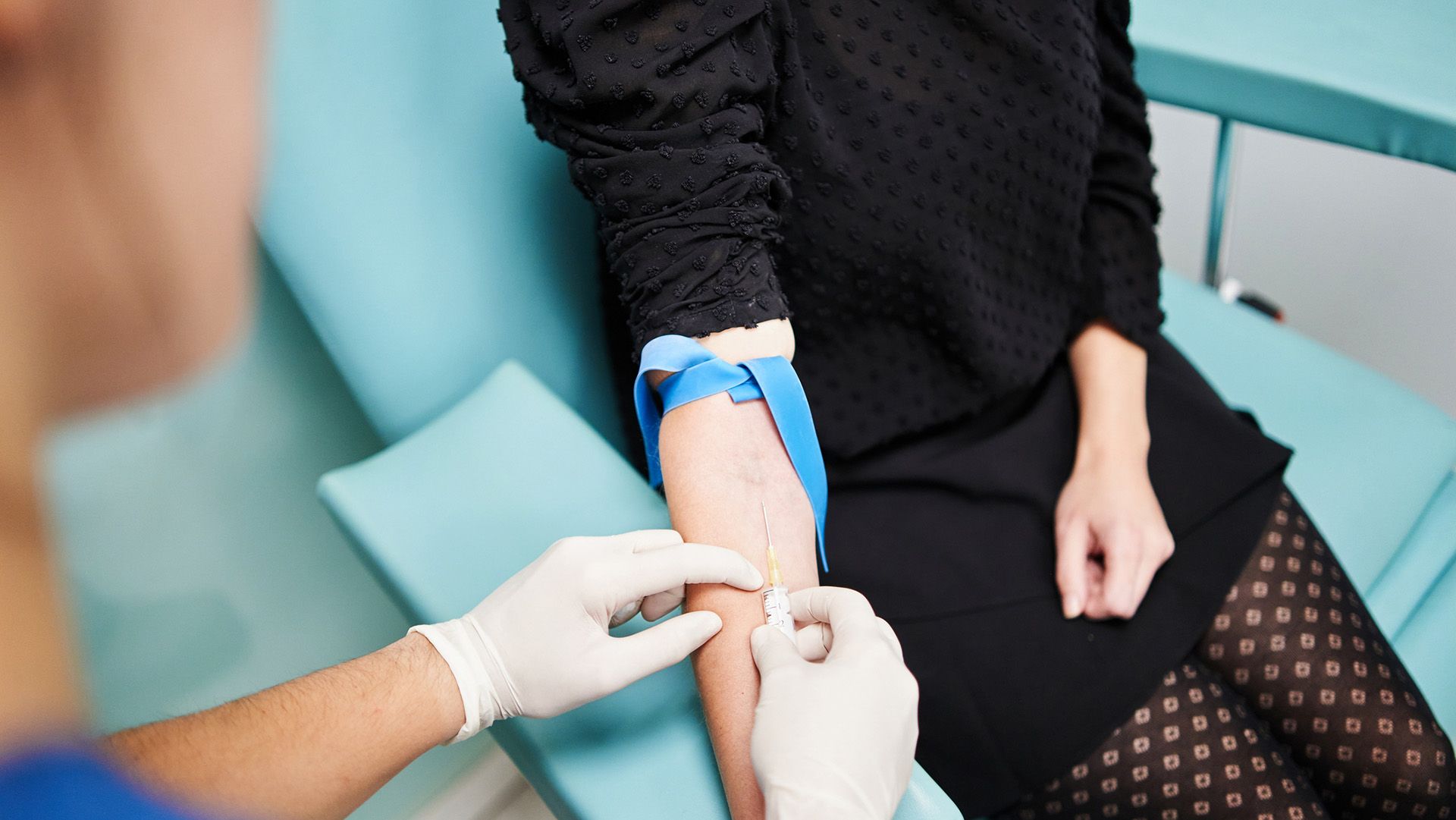
The trial recruited 142,000 healthy people ages 50 to 77. Participants had their blood drawn roughly once a year for three years. Each time, for a subset of participants, the Galleri test looked for markers linked to 12 different types of cancer. If a patient tested positive, they received further treatment. This tested group was compared to another that didn’t have their blood tested.
I don’t think that this trial was a flop. I think it was hugely informative.
Ruth Etzioni, a biostatistician at Fred Hutchinson Cancer Center
The aim of the trial was to assess whether significantly fewer cases of late-stage cancers — meaning stages III and IV — would be detected in the test group; at that stage, disease has started spreading beyond the cancer’s origin point to other tissue. The rationale was that the test would instead pick up these cancer cases in stages I and II, before the disease had spread. But Galleri failed to meet this endpoint.
Samantha Harrison, Lloyd’s colleague and head of strategic evidence at Cancer Research U.K., said that the test’s failure to reach its main target is “disappointing.” However, she added that the trial’s huge dataset hasn’t been detailed in a peer-reviewed publication yet, which would shed more light on the trial’s full value.
What went wrong for Galleri?
Galleri’s problems were related to both the diagnostic test itself and the trial design, said Ruth Etzioni, a biostatistician at Fred Hutchinson Cancer Center in Seattle. Galleri caught an unexpected number of advanced cancer cases among the trial volunteers the first time they were tested.
These cases came as a surprise, because the volunteers recruited to the trial had not been diagnosed or treated for cancer over the previous three years. Etzioni said that if the trial were begun anew, these initial cases would likely be excluded from the analysis, which would have helped improve Galleri’s performance.
But even with that adjustment, she added, it’s unlikely the trial results would have significantly changed. That’s because the test was unexpectedly bad at picking up early-stage cancer, she told Live Science.
“That’s critical,” she said. “You have to have an increase in stage I to II, and then that then coincides with the decrease in stage III to IV,” she said.
The MCED test doesn’t look for a lone marker that determines whether a patient has cancer or not. Instead, the various disease markers that the test looks for are weighed and a threshold is applied, above which the test yields a positive result. Etzioni said the test appeared to be conservative in how it registered these positive results; it applied a high threshold to deem a case “positive.” That may explain why the harder-to-detect, early-stage cancer cases were not picked up.
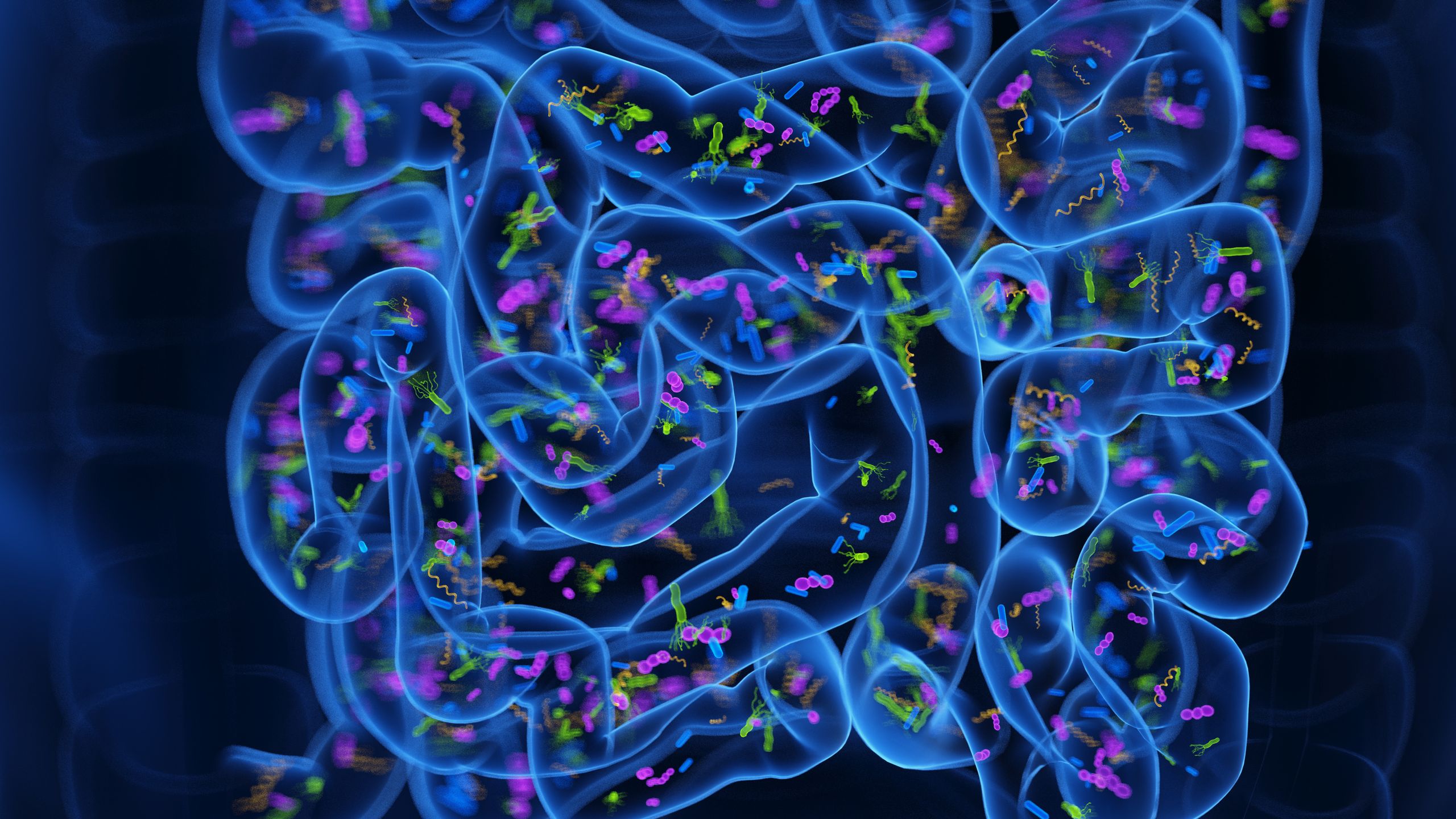
MCEDs may be biased toward detecting aggressive and later-stage cancers, although the hope is that they’ll also help detect early-stage cancers and help improve patient survival.
(Image credit: NEMES LASZLO/SCIENCE PHOTO LIBRARY via Getty Images)
But she added that some of the more dismissive commentary around Galleri’s performance is “short-sighted.”
“I don’t think that this trial was a flop,” she said. “I think it was hugely informative.”
Galleri hopes that results from its upcoming Real-world Evidence to Advance Multi-Cancer Early Detection Health Equity (REACH) study, which has enrolled 50,000 patients in the U.S., will be more positive. The REACH trial has a slightly different endpoint in that it’s measuring the test’s ability to reduce stage IV diagnoses. The data from the NHS trial suggested Galleri did reduce these diagnoses, which was a secondary endpoint of the trial.
What does this mean for other MCED tests?
Galleri is just one of many MCEDs under development. What could the negative results from Galleri’s initial trial mean for the future of cancer detection?
MCED tests are proliferating rapidly, and improvements to the panels used to detect cancer markers should enhance the performance of newer tests, said Etzioni. That said, she noted that, as these tests are closely guarded by manufacturers, it’s hard to know exactly which markers would advance performance. Dozens of presentations at ASCO 2026 focused on other MCEDs in the field.
Galleri’s results might mean a slightly longer wait before the tests are used widely, Etzioni said. She felt that some of the hype from GRAIL’s earlier studies of the test has now dissipated. “They’ve maybe [previously] led the community to believe that the technology is more ready for prime time than it actually is,” she suggested.
Harrison pointed to a position statement from the U.K. National Screening Committee (UK NSC), which provides advice to government ministers on implementing new disease screening programs. The statement, released in May, directly addressed so-called surrogate endpoints, such as the cancer stage-related endpoints used in the initial Galleri trial.
One concern, it pointed out, is that MCED tests may more easily detect aggressive cancers than slow-growing ones. So even if future trials show the tests find these cancers at earlier stages, patients may still die at similar rates because the types of cancer found at these early stages are harder to treat. So improvements in detection can’t be assumed to translate to improvements in survival.
The UK NSC stated that further evaluation would likely be required before a MCED test would be adopted in widespread clinical practice, such as within the NHS. (For what it’s worth, though, some MCEDs are available for direct-to-consumer purchase despite not proving their worth in gold-standard trials yet.)
The Galleri trial focused on the test’s ability to identify cancer in a (presumably) healthy population, but this is just one potential use of the technology behind the tests. It could also be deployed to test people with non-specific symptoms that may hint at cancer or in populations who are known to be at high risk of the disease. Another NHS Galleri trial, called SYMPLIFY, suggested the test was accurate when used in symptomatic patient groups, Lloyd noted.
Galleri’s results are not a reason to discount the value of MCED tests more widely, Etzioni said. She believes the tests will someday be used routinely for early cancer detection.
“This is just the beginning,” she said.
This article is for informational purposes only and is not meant to offer medical advice.