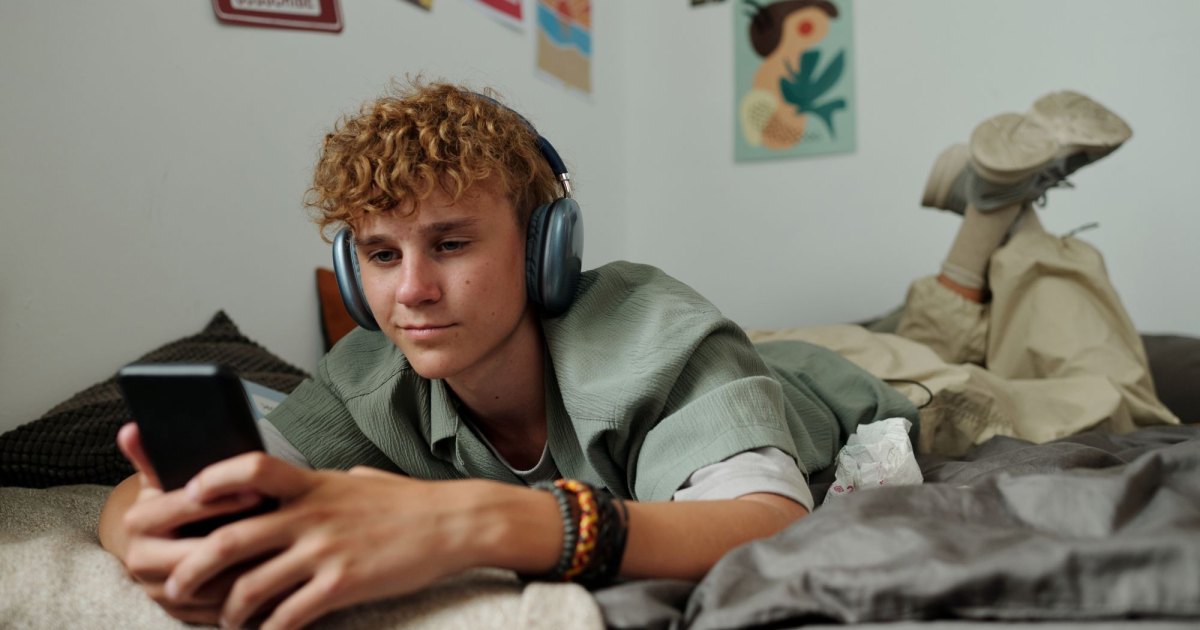




Scrolling in bed feels harmless, a few minutes of TikTok, a quick news check, one more email. But experts say the habits you build in the hour before bed shape how deeply you sleep, how often you wake up and how you feel the next morning. Swapping screen time for calmer, low-stimulation rituals is one of the most reliable ways to protect your rest.
The case against bedtime doomscrolling isn’t just about blue light. It’s about what stress, dopamine, alcohol and late caffeine do to the brain and body once the lights go out. Here’s what sleep specialists recommend, what to avoid and how to build a wind-down routine that actually works.
Why Screen Time Before Bed Disrupts Sleep
Phones don’t just keep you awake, they change the quality of the sleep you do get. Stress-inducing content, endless feeds and even entertainment you enjoy can all activate the brain at exactly the moment it should be powering down. That’s why sleep specialists have grown increasingly vocal about limiting screens in the last hour before bed, particularly content that stirs emotion or anxiety.
American Academy of Sleep Medicine Past President Dr. James Rowley tells American Academy of Sleep Medicine, “Internalizing topics that are stressful or worrisome before bed makes it difficult to have the deep, restorative sleep that is imperative to overall health. Phone use before bed should be limited altogether, but it’s important to also be mindful of the type of content you view near bedtime.”
Even feel-good content carries a cost. Jamie Zeitzer, PhD, Codirector of the Stanford Center for Sleep and Circadian Sciences tells Stanford Lifestyle Medicine, “In order to fall asleep, we need to reduce stimuli exposure and calm our mind and body. Even if you’re watching something positive, if it stirs excitement, the brain will release dopamine, and over time we can develop a dopamine addiction, making staying awake playing games or on social media much more fun than going to sleep.”
Screen-Free Habits That Support Deeper Rest
Building a wind-down routine doesn’t require special equipment or a strict schedule, it requires swapping stimulation for calm. The goal is to signal to your brain and body that the day is ending, giving your nervous system time to shift out of alert mode. Small, repeatable habits work better than one-off attempts, and most take only 10 to 20 minutes.
Sleep specialists commonly recommend the following screen-free options.
- Reading a physical book or magazine.
- Stretching or doing gentle yoga.
- Journaling or writing a gratitude list.
- Listening to calming music or white noise.
- Doing a short meditation or breathing exercise.
- Taking a warm bath or shower.
- Working on a puzzle, coloring book, or knitting project.
- Preparing for the next day to reduce bedtime anxiety.
Any one of these can anchor a nightly routine. The key is consistency, since repeating the same wind-down cues trains your body to associate them with sleep.
Common Bedtime Mistakes to Avoid
A good night routine isn’t just about what you add, it’s also about what you cut out. Alcohol, late caffeine, clock-watching and heavy late-night snacks all interfere with sleep in ways that aren’t always obvious. A nightcap might feel relaxing, but the effect fades quickly and often disrupts the second half of the night.
For Real Simple, Jennifer Benjamin and Maggie Seaver write, “Sure, a glass or two of wine might give you that soothing, sleepy buzz, but once the effect wears off, you may find yourself awake with sweats, a headache, or the need to urinate frequently. Alcohol is tricky. It helps prompt the mechanism that makes us sleepy at first, but this typically doesn’t last and can disrupt REM sleep and your ability to stay asleep through the night.”
Two other common traps are staring at the clock, which fuels anxiety about how much sleep you have left, and drinking caffeine too late in the afternoon or evening, which can linger in your system for hours.
What to Drink and Eat Before Bed
What you consume in the evening matters as much as when you consume it. Late snacks and caffeinated drinks can keep the body in an active state long after you’d like to be asleep. Swapping in calming alternatives such as herbal tea can help cue the body toward rest without disrupting sleep architecture.
Athena Care therapist Kristen Marcantel, LMFT shares with Athena Care, “Avoiding food at bedtime, as well as caffeine, can help improve sleep quality. Sleepy time tea is a great option during the evenings instead of caffeinated drinks.”
Building a Night Routine That Sticks
The best night routine is the one you’ll actually do. Start small by picking one screen-free habit and one bedtime mistake to cut. Give your body a week or two to adjust before layering in more changes. Consistency matters more than perfection, and going to bed and waking up at similar times each day helps stabilize your internal clock, which does much of the heavy lifting for sleep quality.
If sleep problems persist despite consistent routine changes, that’s a signal to talk to a health care provider. Chronic sleep issues can point to underlying conditions that habit changes alone won’t resolve.