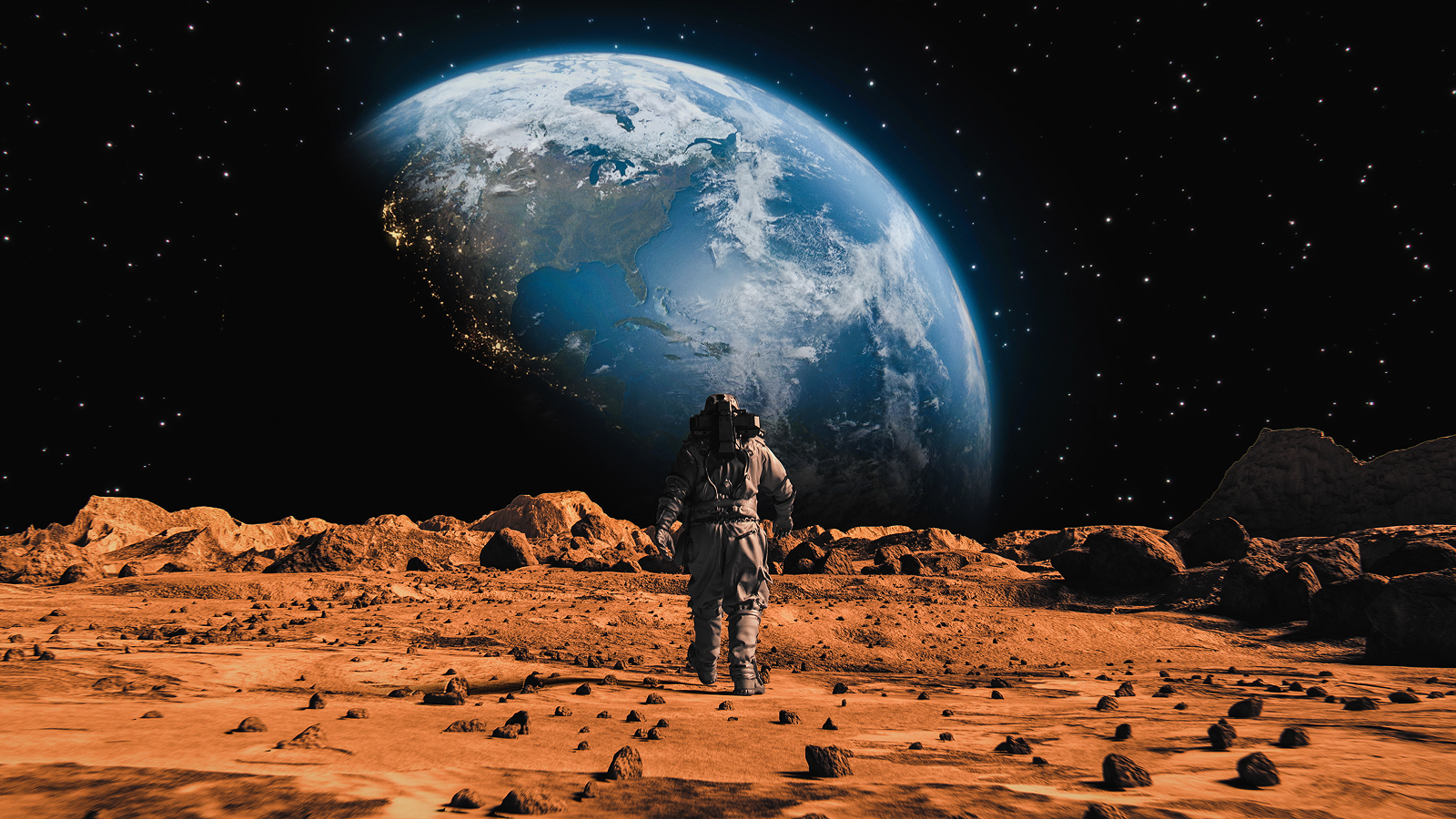
The idea of humans living beyond Earth was once only possible in science fiction, but now space agencies are making plans to bring space colonization closer to reality. NASA and SpaceX are exploring long-term missions to the moon and Mars, while astronomers continue to discover potentially habitable exoplanets orbiting distant stars beyond our solar system.
Supporters of planetary colonization argue that becoming a multi-planet species could safeguard us from potentially Earth-ending events. However, it will require an enormous effort to colonize another planet or moon. And if we look beyond Mars, potentially habitable planets may take thousands of years to reach.
But as technology advances and space agencies consider long-term human settlements on other planets, a more fundamental issue now beckons — not whether we can expand to other worlds, but whether we should.
—Alcohol-soaked star system could help explain ‘why life, including us, was able to form’
—There may be hundreds of millions of habitable planets in the Milky Way, new study suggests
—‘Eyeball’ planet spied by James Webb telescope might be habitable