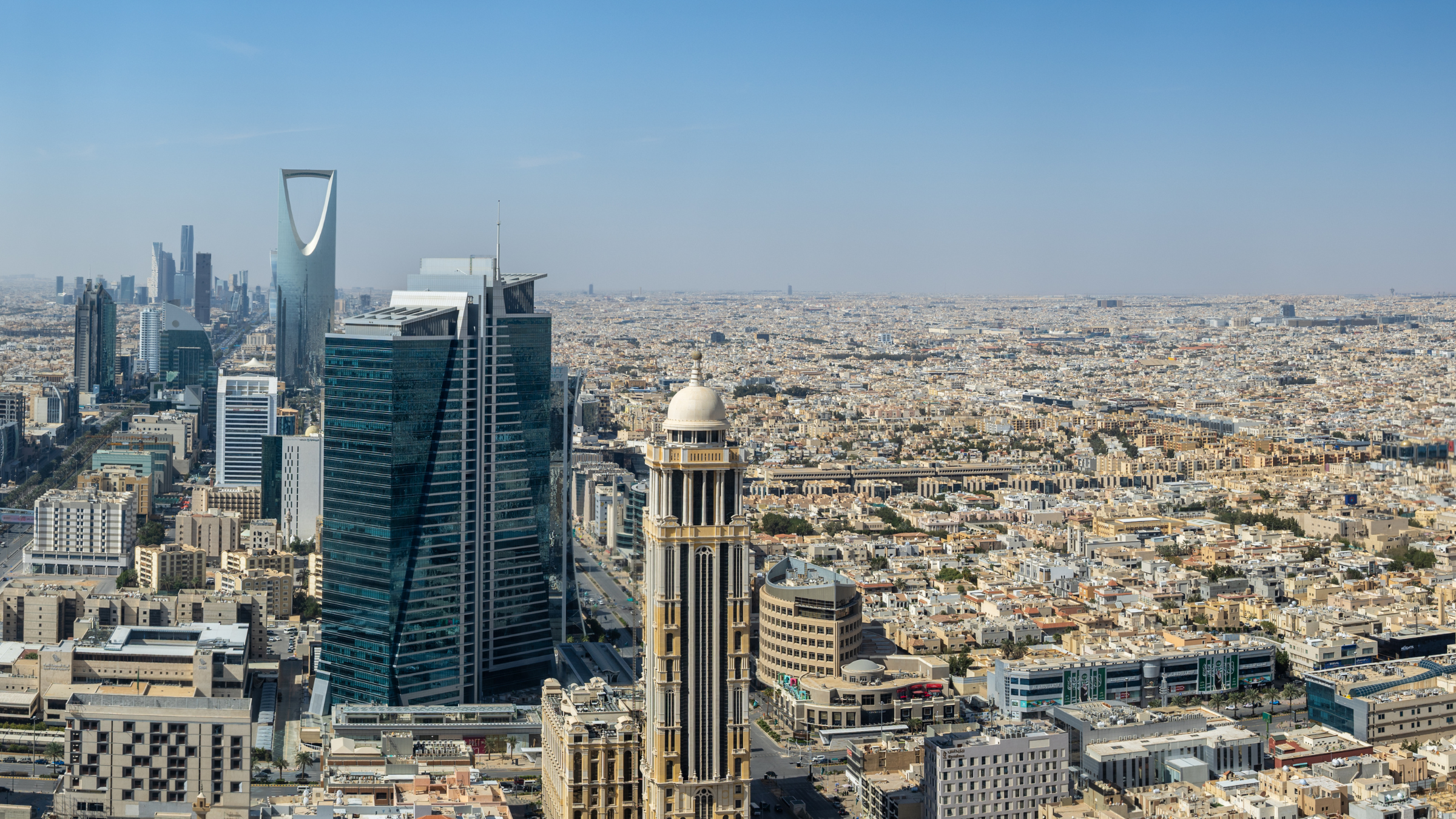
The Arab region — a vast swath of 22 countries in northern Africa and the Middle East — had its hottest year on record in 2024, according to a first-of-its-kind climate report. In 2024, the region had an alarmingly high average temperature that was 1.9 degrees Fahrenheit (1.08 degrees Celsius) higher than the annual average temperature from 1991 to 2020, the report found.
The rate of warming in the region is accelerating alongside an increase in climate-related events such as flooding and heatwaves, according to the first State of the Climate in the Arab Region report, published by the World Meteorological Organization (WMO) on Dec. 4.
“2024 was the hottest year on record for the Arab region — a continuation of a long-term trend,” WMO Secretary-General Celeste Saulo said in a statement. Some heat waves, she said, are “pushing society to the limits. Human health, ecosystems and economies can’t cope with extended spells of more than 50° Celsius [122 F] — it is simply too hot to handle.”
The Arab region covers 5 million square miles (13 million square kilometers) from Morocco to the United Arab Emirates. It contains 15 of the world’s 20 most water-scarce countries. Much of the region is dry and arid, though some areas in North Africa experience wetter winters.
According to the report, the Arab region warmed about 0.77 F (0.43 C) per decade between 1991 and 2024 — twice as fast as the global average during that time period, and about twice as fast as the period from 1961 to 1990.
In the decade from 2015 to 2024, temperatures across the region were about 0.9 F (0.58 C) higher than the 1991 to 2020 average and 2.6 F (1.44 C) higher than the average from 1961 to 1990. In 2024, several countries experienced multiple heatwaves, some lasting up to two weeks. Southeastern parts of the Near East had 12 days in 2024 where the maximum temperature was at least 122 F (50 C).
In addition to heat extremes, drought affected parts of North Africa for the sixth year in a row, though this isn’t outside the norm for the region. Rains that fell after long drought episodes caused flash flooding in several countries, including Morocco, Libya, Somalia and Lebanon.
“Droughts are becoming more frequent and severe in one of the world’s most water-stressed regions,” Saulo said. “And at the same time, we have seen some disruptive and dangerous deluges.”

Early warning systems for both severe weather and natural disasters such as flooding could help protect people in the region as these events become more frequent, according to the report.
“Multi-hazard early warning systems are more important than ever before — this is not a cost but an investment in saving lives and livelihoods,” Saulo wrote in a foreword to the report. “Nearly 60% of Arab countries have such systems in place, above the global average but still not enough.”
Several countries are also investing in strategies to improve water management, including seawater desalination, building new dams and creating new wastewater treatment facilities.
The report is a “qualitative step towards enhancing our collective understanding of climate patterns, associated risks and their social and economic impacts,” Ahmed Aboul Gheit, Secretary-General of the League of Arab States, said in the statement.
The report also included predictions of future climate scenarios in the region from the Intergovernmental Panel on Climate Change, offering a framework in which to plan for climate impacts in the coming years.
“By incorporating climate projections, the report provides an annual snapshot of current conditions, while also serving as a strategic foresight tool that empowers the region to prepare for tomorrow’s climate realities,” Rola Dashti, United Nations Executive Secretary of Economic and Social Commission for Western Asia, said in the statement.