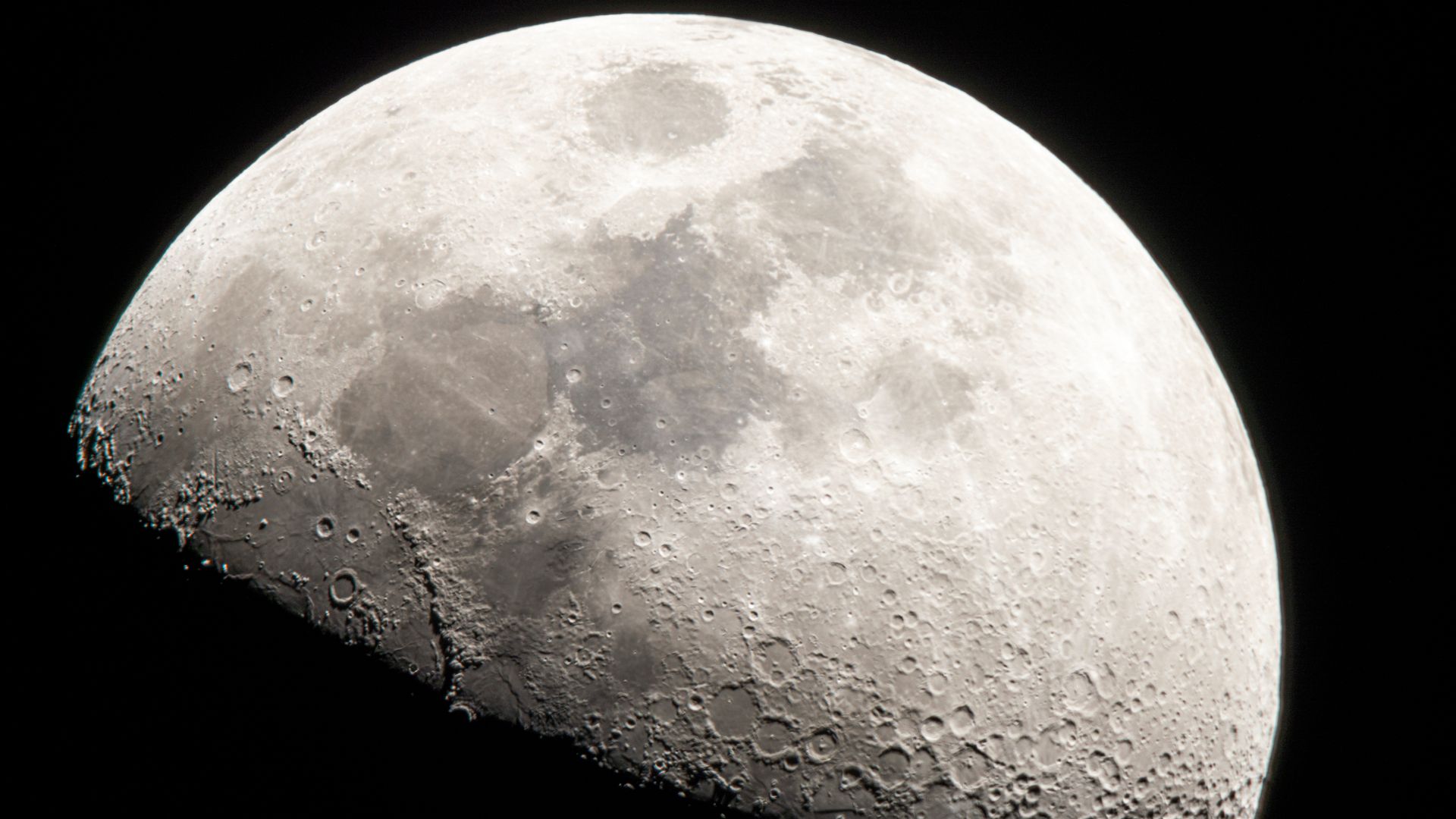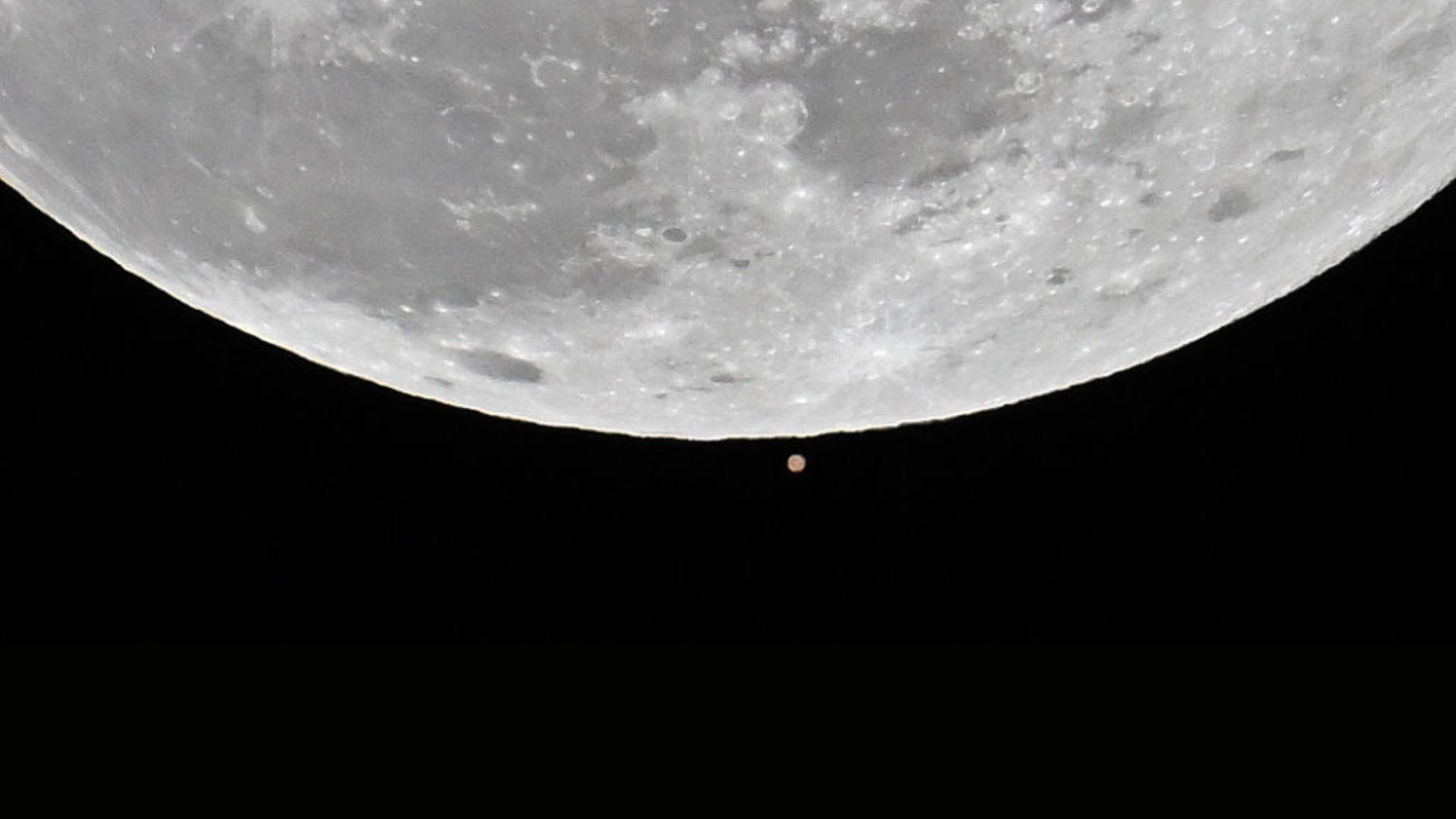
Stargazers in eastern North America will see something truly rare in the night sky this weekend: a very bright star being occulted by the full “Snow Moon.”
After turning full Sunday (Feb. 1), the bright moon will move across Regulus, the brightest star in the constellation Leo, briefly making it disappear from the night sky Monday night (Feb. 2). Skywatchers are in for a treat because this rare event, called a lunar occultation, will be visible to the naked eye from large portions of the U.S. and Canada.
It’s the latest in a string of lunar occultations of Regulus that began last year and will continue through this year, but it’s the first and only of these disappearing acts to be easily visible to observers in North America. The best views will be from the eastern half of North America — from the Midwest to the East Coast, including eastern Canada — a few hours after sunset, as well as from northwest and west Africa.
Observers will see Regulus — the 21st brightest star in the night sky — vanish behind the moon and reappear about an hour later, though your location will determine what you’ll see, when, and for how long.
In cities like New York, Toronto and Boston, the event will occur between 8:40 and 10:05 p.m. EST. For example, in New York City, Regulus will disappear at 8:51 p.m. and reappear at 9:54 p.m. EST, according to In-The-Sky.org. The farther west you are, the lower the occultation will appear in the sky earlier in the evening, although this event will not be visible from the western half of North America.
Although this event can be seen with the naked eye, the key moments — the beginning and end of the occultation — will be more impactful with a little magnification, such as a pair of stargazing binoculars or a small telescope trained on the moon. One of the highlights is ingress, when Regulus will sit alongside the bright edge of the moon and be enveloped by it. After being hidden, it will emerge on the other side of the bright moon — a moment called egress.
The next major lunar occultation — an occultation of Venus on June 17 — will occur during daytime hours in North America, so will not be visible. Make sure to watch Regular disappear this weekend for a rare lunar treat.