

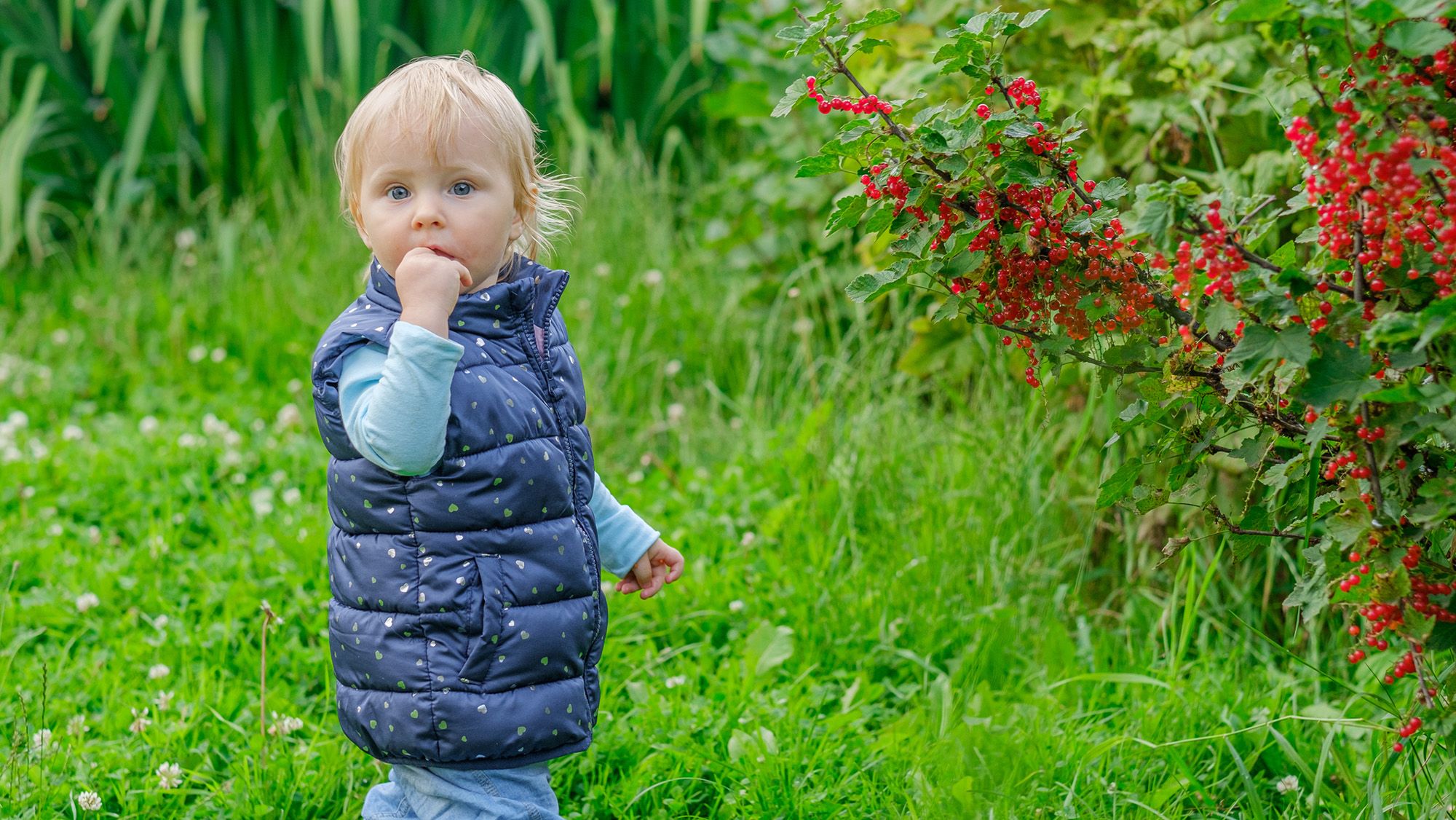
If your blond preteen seems to be turning into a brunette, you’re not imagining things. For some children, hair that starts out platinum blond gradually becomes darker and may end up dark brown, or even black, as they grow.
So what causes this change?
The short answer is that hair color is controlled by a complex interplay of genes, pigment-producing cells and, later in childhood, hormones. Scientists understand many of the genes involved in hair color, but they are still trying to find out why some blond children’s hair darkens while others’ locks remain blond for life.
Latest Videos FromLive Science
“It depends on their genetic inheritance,” Desmond Tobin, a professor of dermatological science at University College Dublin, told Live Science in an email.
Hair gets its color from a pigment called melanin, which is produced by specialized cells called melanocytes in hair follicles. There are two main types of melanin: eumelanin, which produces brown and black shades, and pheomelanin, which contributes yellow and red tones to hair. The amount and type of melanin produced by a follicle largely determine the color of the hair that grows from it.
In general, more eumelanin means darker hair. For example, during pregnancy, high levels of estrogen and progesterone can encourage hair darkening as more eumelanin is produced.
The activity of hair follicles isn’t necessarily fixed throughout childhood. As children grow, the biological signals controlling pigment production can change, too.
From blond to brown
For many blond children, the most noticeable darkening happens around puberty, typically between about 10 and 13 years old, Tobin said.
It is likely the hormonal changes during puberty, such as estrogens and androgens that stimulate an increased production of eumelanin, that gradually turn blond hair darker over time, he said. “Those that remain blond typically have a genetically determined reduction in eumelanin pigment formation,” Tobin added.
Exactly how hormones might cause this change, however, is still something of a mystery.
The most noticeable hair darkening seems to happen around puberty.
(Image credit: Halfpoint Images via Getty Images)
One clue comes from a group of hormones called melanocortins. One of these, alpha-melanocyte-stimulating hormone (alpha-MSH), is involved in telling pigment-producing cells to make more melanin. In our skin, alpha-MSH is triggered by ultraviolet (UV) light. UV light can damage DNA in skin cells that, via a cellular signaling pathway, encourages the release of alpha-MSH to make the skin tan.
But in hair, things get, well, hairy. Scientists haven’t shown that a rise in alpha-MSH, testosterone, estrogen or any particular hormone is what makes blond hair darken.
The melanocortin system shows that hormones can tell pigment-producing cells to make more eumelanin. What remains unclear is whether changes in this system are actually responsible for blond hair darkening during puberty.
“We haven’t yet identified the genes that control this process,” Wojciech Branicki, a researcher who studies the genetics of human pigmentation at Jagiellonian University in Poland, told Live Science in an email.
One possibility Branicki suggested is that hormones may affect children’s hair follicles differently depending on their genetic background. For now, researchers don’t know which genes are involved or how they interact with hormonal changes during puberty, as more research is needed.
Branicki posits that in some children, the hormones could induce the production of melanin or the transport of pigment within the hair follicle. In other words, two children could start out with similarly blond hair but respond differently to the hormonal changes as their bodies develop. One might continue producing relatively little eumelanin and stay blond, while the other’s follicles might gradually ramp up pigment production, causing new batches of hair to grow darker.
“Research on human genome variation is quite advanced, but not all aspects have been explained yet,” Branicki said.
TOPICS