






High calories, low mood.
Pizza, fried chicken and ice cream sound soooo good on a bad day, but several studies have shown that ultra-processed foods (UPFs) like donuts do not help your health or well-being and actually harm them.
In fact, the latest research — out this week in The Lancet medical journal — warned that UPFs are driving a “chronic disease pandemic.”
It’s no surprise since these foods are typically high in calories, fat, added sugar and salt, fueling the risk of obesity and related conditions like heart disease, stroke and Type 2 diabetes.
Global experts have also alerted that diets heavy in UPFs can lead to kidney disease, inflammatory bowel disease and certain cancers. Notably, there’s one major outcome that doesn’t draw as much attention as the others: depression.
New research out of Pakistan linked eating lots of UPFs to a 20% to 50% higher risk of developing depression, characterized by a loss of desire for activities and nagging feelings of sadness and hopelessness.
“This association remains significant even after adjusting for potential confounders,” the study authors wrote this week in the European Medical Journal Gastroenterology.
The researchers reviewed nine studies with over 79,700 participants to draw this conclusion.
There are a few theories powering this link.
One is that junk food can immediately cause blood sugar spikes, which have been tied to negative moods, stress and anxiety.
These foods also lack crucial nutrients, like B vitamins, vitamin D, magnesium and omega-3 fatty acids, which are essential for brain health.
The gut-brain connection is key.
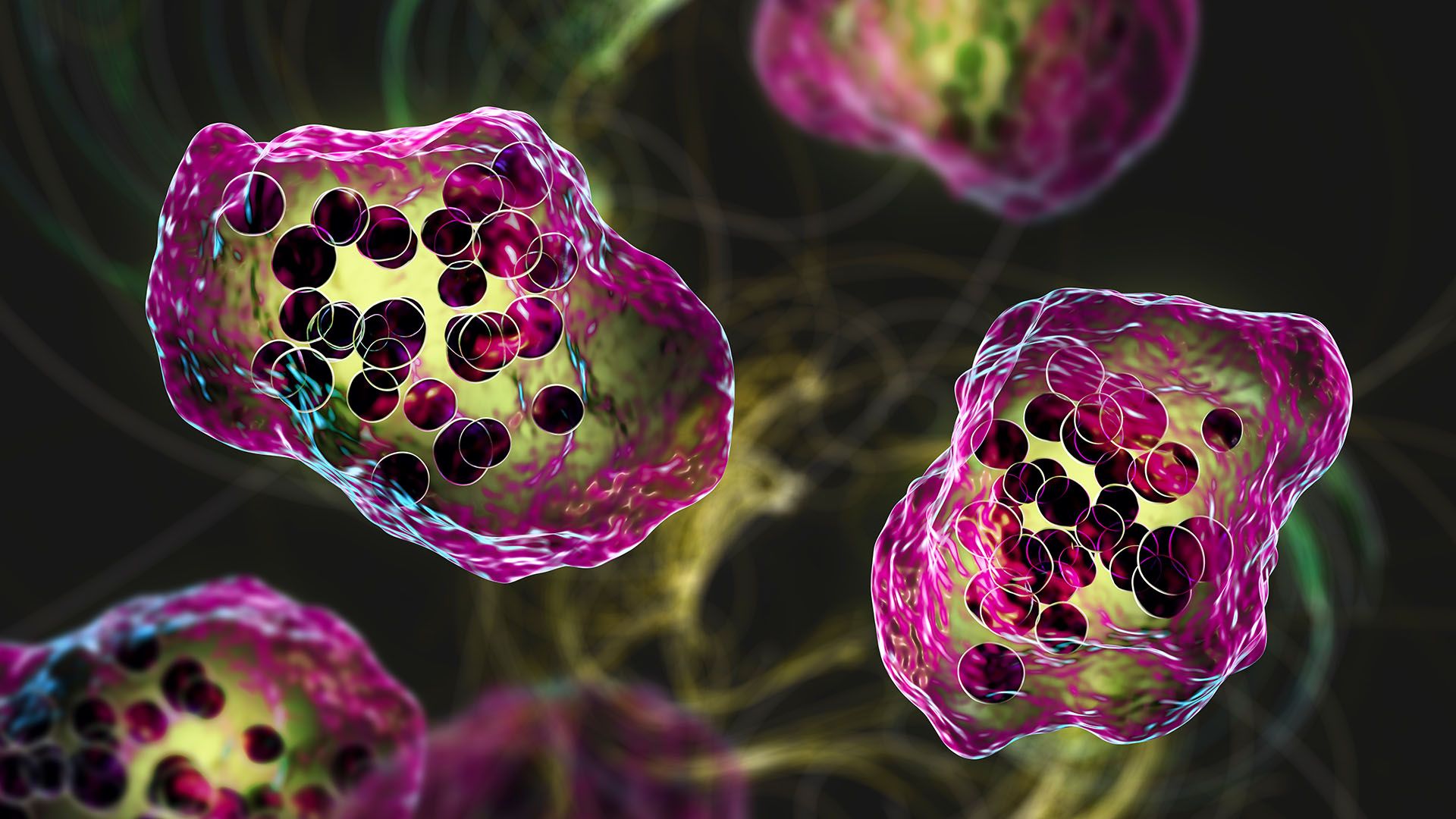
“Studies show that the gut microbiota of depressed individuals significantly differs from that of healthy individuals,” the researchers from Pakistan noted.
“From the existing data, the authors can conclude that intestinal bacteria can react with the nervous system and result in depression.”
The study authors emphasized that gut bacteria produce the mood-related chemicals serotonin, dopamine and GABA. Disrupting the delicate bacterial balance can alter neurotransmitter levels.
The obvious way to fix this issue would be to ditch UPFs, but that’s easier said than done.
UPFs are everywhere — they make up 55% of the total calories in the average American diet.
Dr. Eva Selhub, a contributing editor at Harvard Health Publishing, suggests pinpointing how they make you feel.
She recommends eating “clean” for two or three weeks — that means no sugar or processed items. Basically, if it comes in a box or a bag, you need to bag it.
Harvard Health has a helpful guide for detecting UPFs in the supermarket scramble.
After the junk-free period, slowly reintroduce foods back into your diet one by one to see how they make you feel.


