


What's On



Browsing: Science

Science word of the day: CovalentPronunciation: Coh-VAY’-lentWhat it means: In chemistry, a covalent bond occurs when two atoms share a pair of electrons. Electrons zip around…
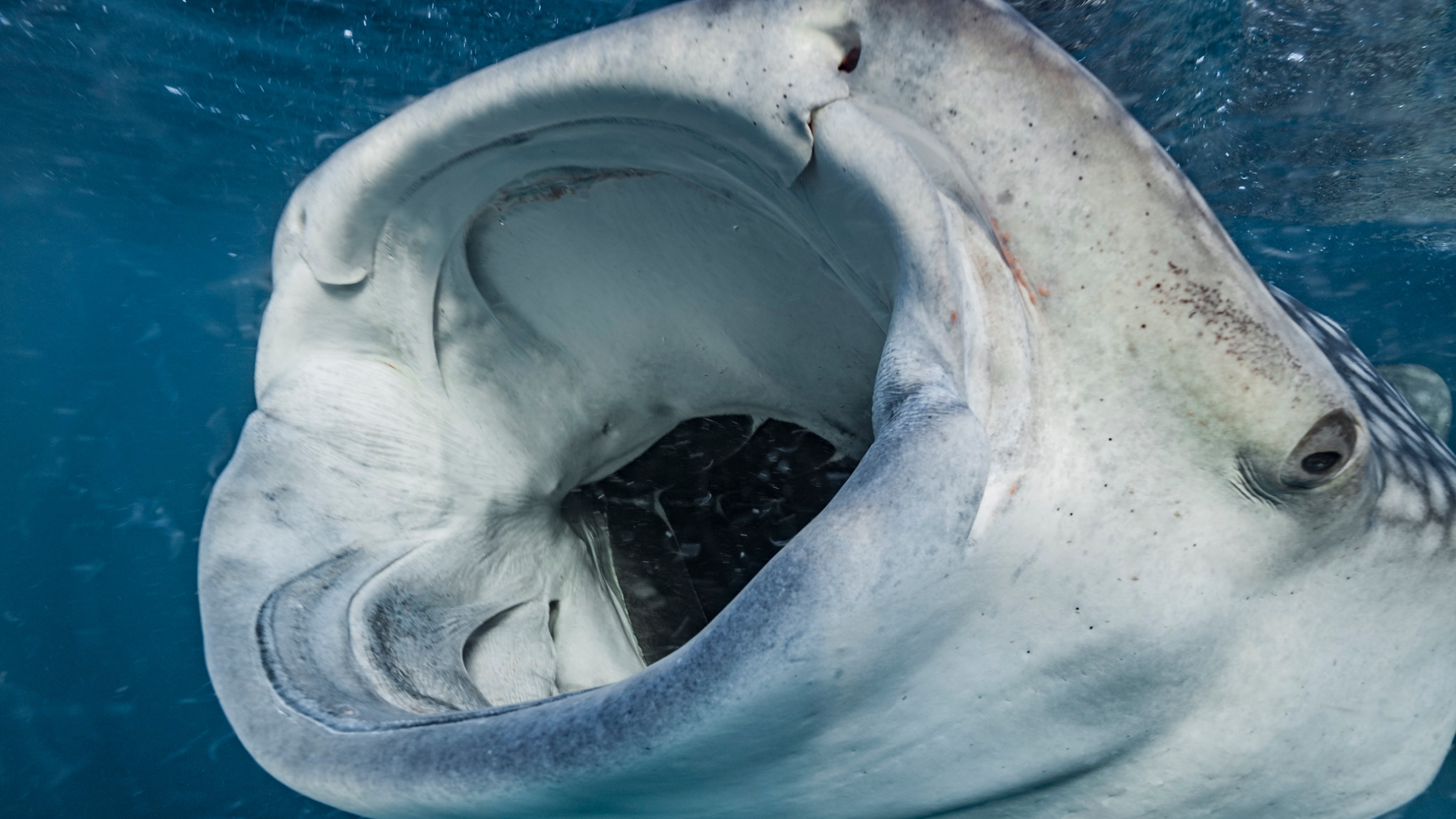
Whale sharks may be the biggest fish in the ocean, but their feeding habits have remained mysterious. Now, new camera footage from the backs of these…
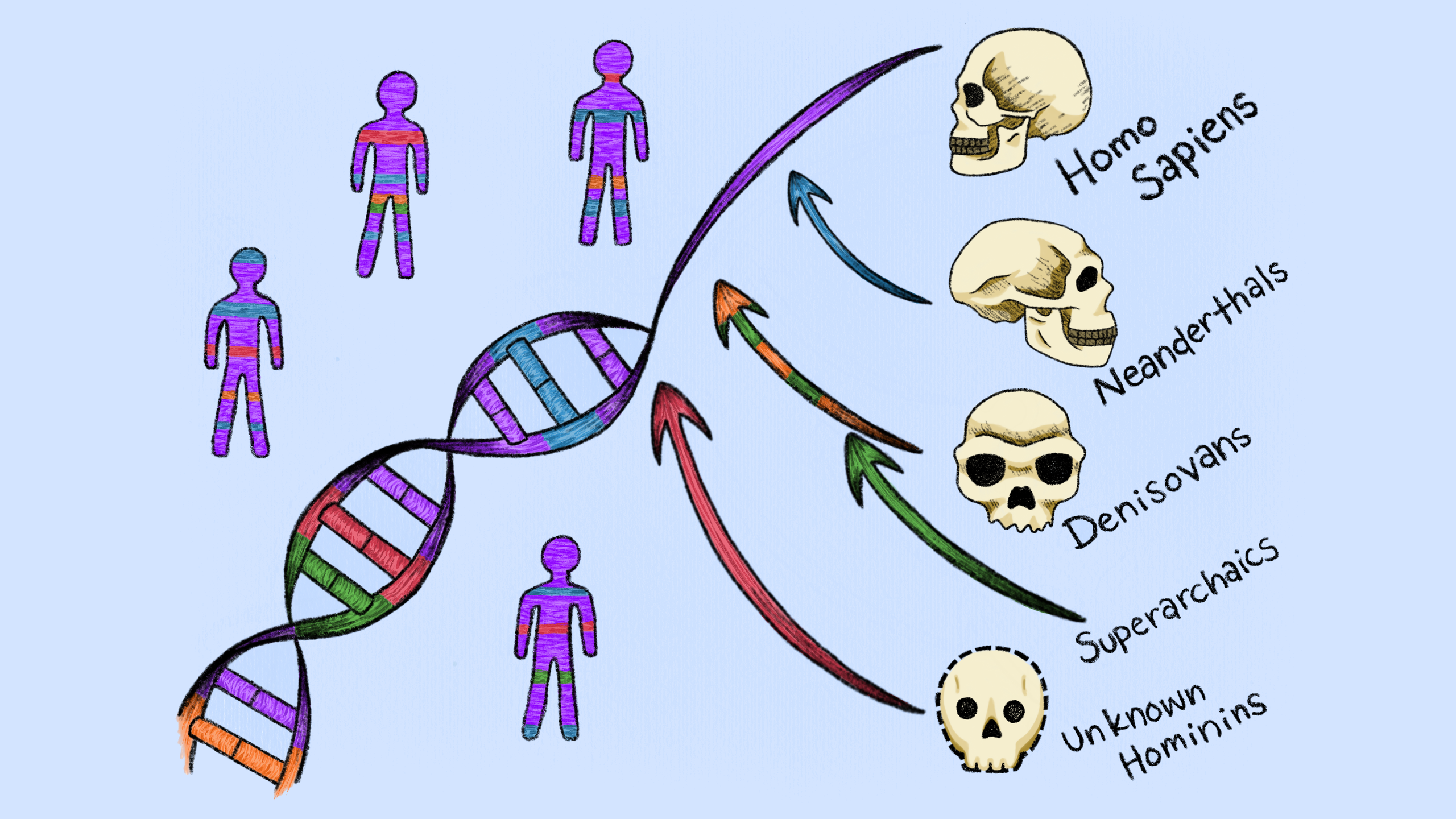
Traces of two “ghost lineages” of extinct human populations lie hidden within our genome, a new study reveals.One of these ghost lineages left its DNA scattered…

Astronomers may have just found a first-of-its-kind phenomenon buried in the shadow of one of the Milky Way’s most famous stellar explosions: two stars that died…
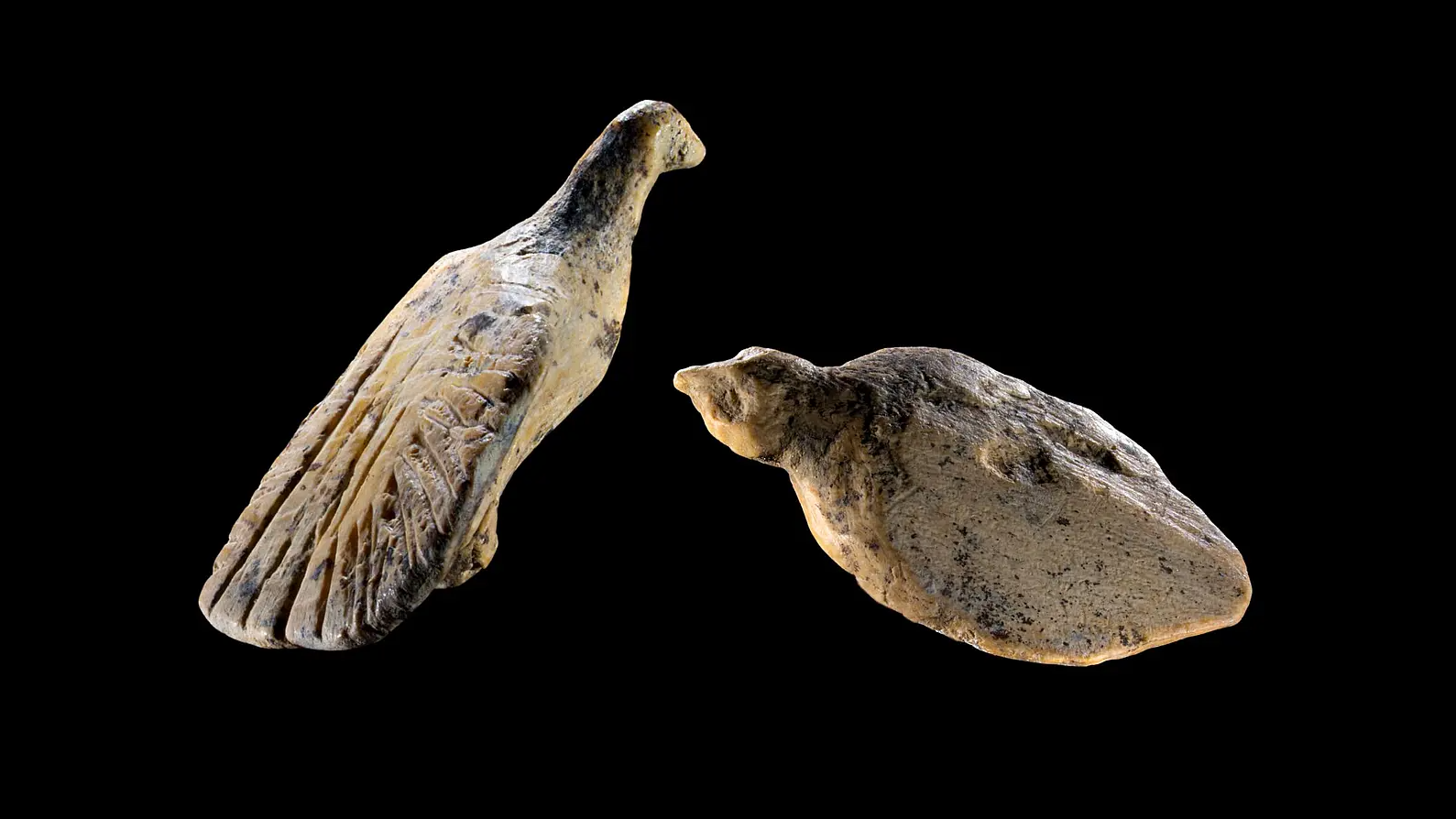
Archaeologists excavating in the famous prehistoric Hohle Fels cave in Germany have uncovered two bird figurines carved from mammoth ivory. The thumbnail-size carvings add to the…
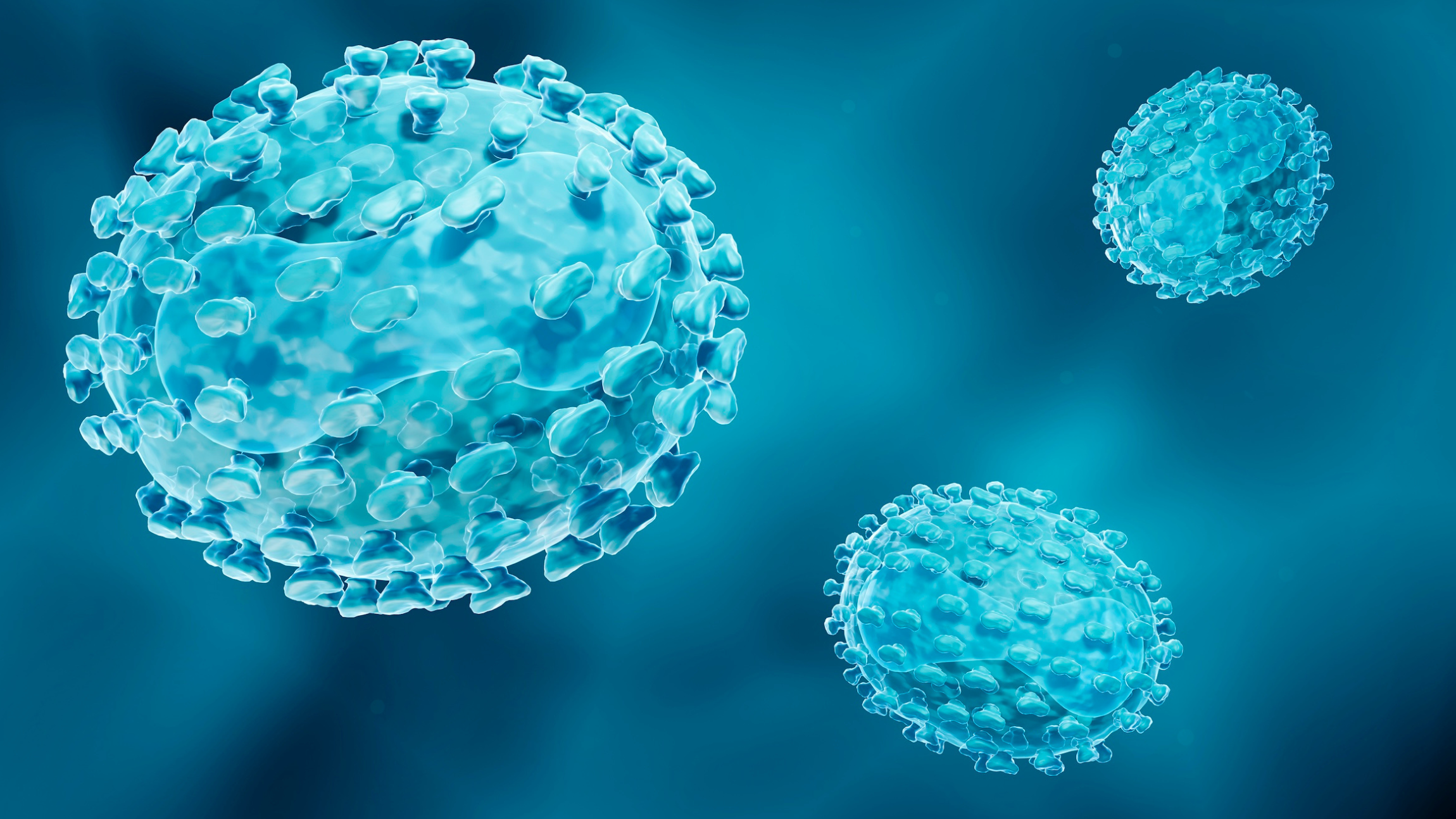
Two Chilean mummies have provided scientists with the earliest known smallpox genomes found in the Americas, dating between 1492 and 1631.The genomes are the first-ever DNA…
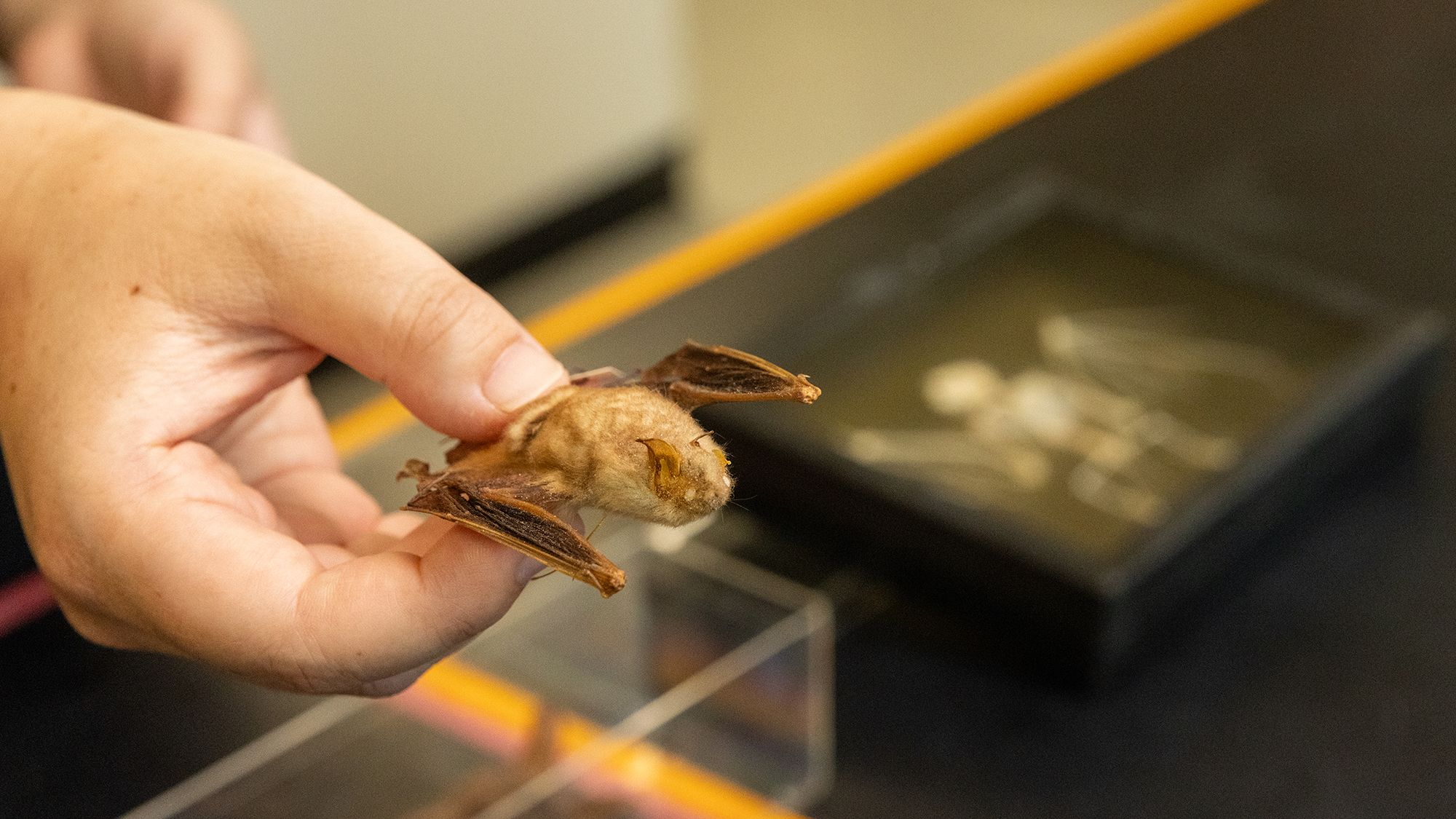
Bats have long posed an immunological mystery: They can harbor viruses that cause severe diseases in other animals, including humans, yet they rarely show signs of…
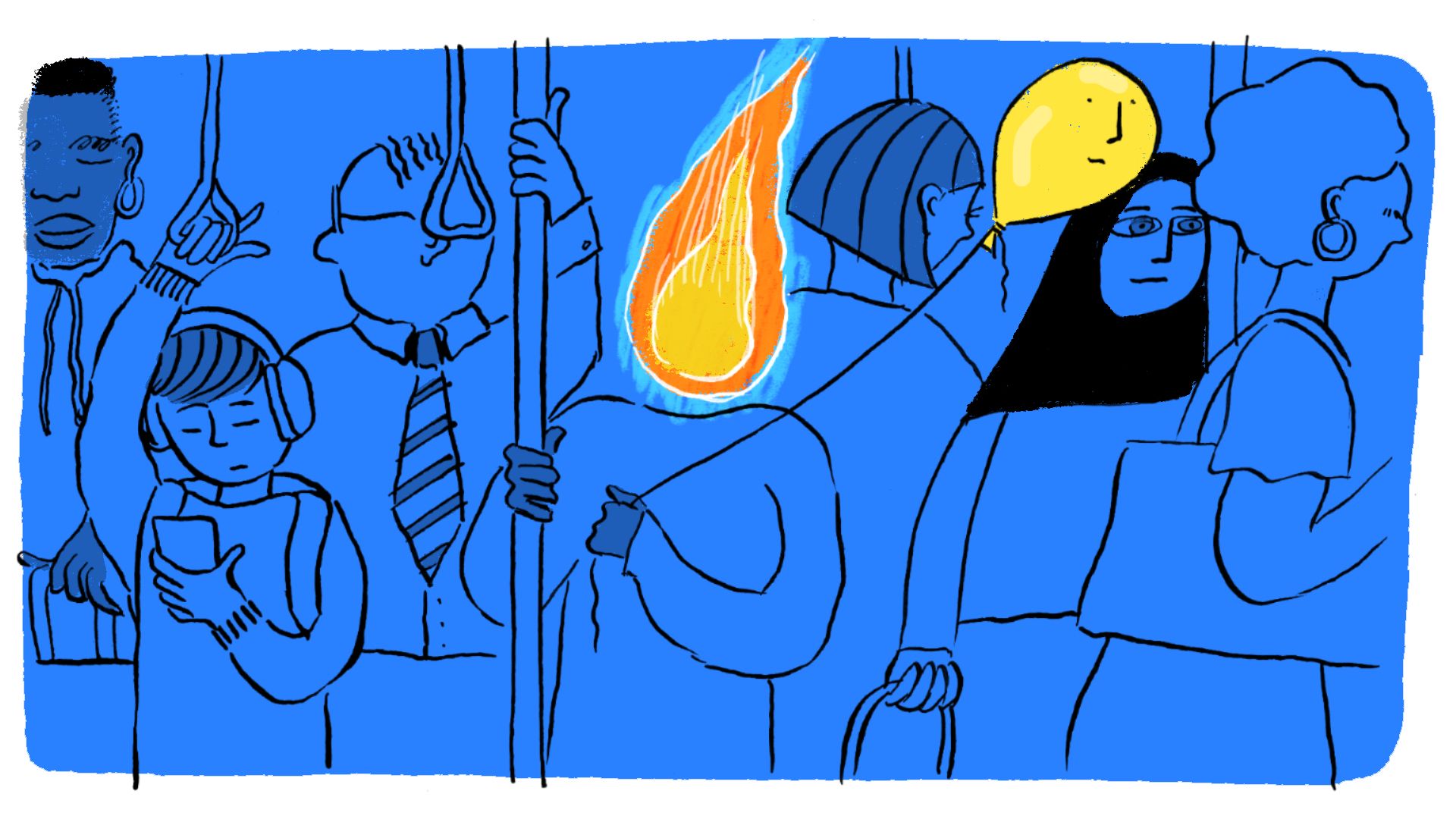
Inflammation may be behind a mysterious phenomenon known as dissociation, a mental state that includes “out-of-body” experiences and the feeling that the world is “unreal,” emerging…
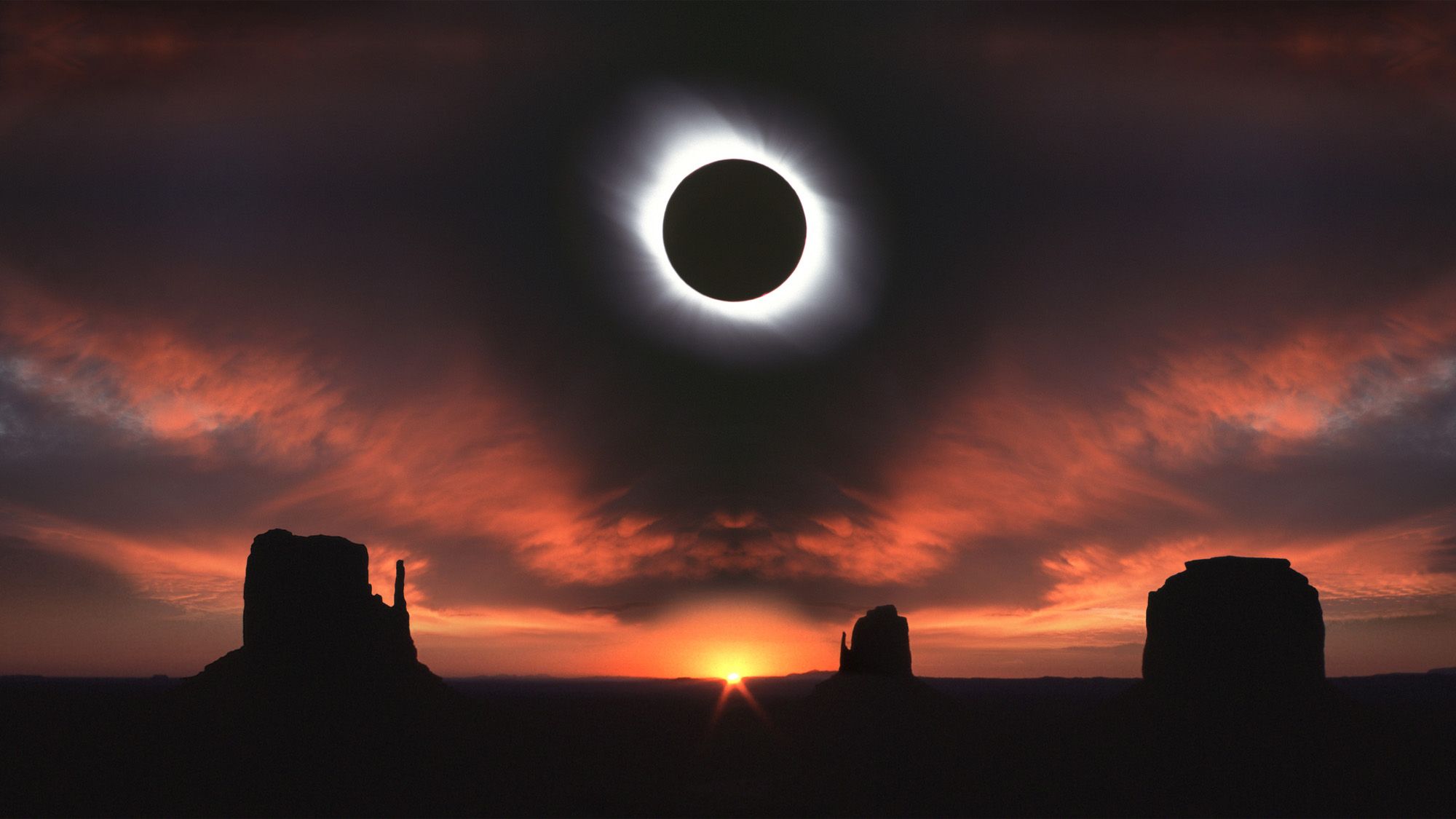
One of the biggest misconceptions about solar eclipses is that enjoying them requires expensive solar gear. Telescopes, tracking mounts, cameras, telephoto lenses and solar filters are…
Science word of the day: CoprolitePronunciation: KAHP’-ruh-liteWhat it means: Coprolites are fossilized poop. Scientists have found coprolites from animals as diverse as fish, dinosaurs and saber-toothed…
